
To get clients as a real estate agent, it is essential to establish a robust online presence, engage in community networking, and leverage social media effectively. With 90% of home buyers starting their property search online, harnessing digital marketing strategies is crucial for success.
Understanding how to get clients as a real estate agent is vital in a competitive market where effective client acquisition can significantly impact an agent’s success. Real estate professionals must be adept at modern marketing techniques, as 74% of buyers utilize online resources to find their agents. Failing to adapt can result in lost opportunities and diminished market presence.
Agents who overlook these strategies risk substantial revenue losses due to ineffective outreach, wasted marketing resources, and a weakened competitive edge. In an industry where relationships and visibility matter, neglecting client acquisition methods can lead to stagnation and underperformance.
This article will explore proven strategies for attracting clients, including an analysis of top marketing channels, best practices for online engagement, and insights into local SEO techniques. Readers will gain actionable knowledge to enhance their client acquisition efforts and thrive in the real estate market.
What are the best ways for real estate agents to find clients?
Real estate agents can find clients through a mix of networking, online marketing, and leveraging referrals. In fact, a 2024 study by the National Association of Realtors (NAR) shows that 40% of buyers found their agent through referrals — this underscores the effectiveness of this strategy.
Success in acquiring clients depends on using multiple strategies that tap into both personal connections and digital platforms. Here are some effective methods:
- Networking Events: Attend local events, trade shows, and community gatherings. Engaging with potential clients face-to-face builds trust and rapport. This is essential for establishing long-term relationships.
- Online Marketing: Use social media platforms and real estate websites to showcase listings and share valuable content. Regularly posting market insights or home-buying tips can attract potential clients and keep them engaged.
- Referrals: Cultivate relationships with past clients and industry professionals. Implement a referral program that incentivizes satisfied clients to refer new business to you — this can be a highly effective source of leads.
- Email Marketing: Develop a targeted email campaign to stay connected with leads and past clients. Sending personalized updates about market trends and new listings keeps your services top-of-mind (this is often overlooked).
- Community Involvement: Get involved in local charities or community projects. This not only boosts your visibility but also establishes you as a trusted figure in your area. It can lead to referrals from community members.
Expert insight: Focus on building genuine relationships rather than just pursuing sales. The trust developed through consistent engagement can significantly increase the likelihood of referrals and repeat business.
How can social media help real estate agents get clients?
Social media can greatly boost client acquisition for real estate agents by encouraging engagement and generating leads. About 75% of real estate agents indicate that platforms like Facebook and Instagram play a key role in their business growth.
To effectively harness social media, agents should prioritize building a consistent and engaging online presence. This means posting high-quality content that not only showcases listings but also shares industry insights and highlights local community events. Engaging with followers through comments, direct messages, and interactive posts is vital — it fosters relationships and builds trust, both of which are crucial in the real estate industry.
- Choose the Right Platforms: Identify which social media platforms your target audience uses the most. Facebook is excellent for community engagement, while Instagram shines in visual storytelling.
- Create High-Quality Content: Share visually appealing images and videos of properties, accompanied by informative captions. Using Instagram Stories and Reels can offer quick, engaging content (this is often overlooked).
- Utilize Paid Advertising: Invest in targeted ads on these platforms to expand your audience. Facebook Ads, for example, can effectively target specific demographics and locations — enhancing lead generation.
- Engage with Your Audience: Respond promptly to comments and messages. Regularly interact with followers through polls, Q&A sessions, and live tours to keep them involved.
- Network with Influencers: Work with local influencers who can present your listings to their followers. This can broaden your reach and strengthen your credibility in the community.
Expert insight: Regularly analyze engagement metrics to refine your strategy. Focus on the types of content that drive the most interaction. Adjust your approach accordingly to maximize lead generation.
What are common mistakes real estate agents make in client acquisition?
Common mistakes in client acquisition for real estate agents include neglecting follow-ups and having a weak online presence. A recent survey showed that over 50% of leads are lost due to insufficient follow-up efforts.
One major pitfall occurs when agents fail to follow up with potential clients after the initial contact. For instance, an agent meets a prospective buyer at an open house but doesn’t reach out within 48 hours. This absence of communication can lead the buyer to lose interest — or even choose another agent who is more proactive. Consistent follow-up is vital; studies reveal that 80% of sales require five follow-ups. Still, many agents stop after just one or two attempts.
Another mistake is not investing in a strong online presence. In today’s digital marketplace, potential clients often do extensive online research before connecting with an agent. If an agent’s website is outdated or lacks engaging content, they risk missing valuable leads. For example, a real estate agent with a poorly designed website may rank low on search engines, resulting in fewer inquiries. Conversely, an agent who actively maintains their social media profiles and shares valuable market insights can build trust and attract more clients.
Expert insight: Real estate agents should prioritize timely follow-ups and invest in a professional online presence to build credibility and attract clients effectively.
How much does it cost to market as a real estate agent?
Marketing costs for real estate agents usually fall between $500 and $5,000 annually. These figures depend on the strategies employed. Factors like location, target market, and marketing channels heavily influence these costs.
Several key factors contribute to the overall marketing budget for real estate agents:
- Online Advertising: Digital marketing expenses, such as pay-per-click (PPC) and social media ads, often account for a large portion of the budget. Costs can vary widely — typically averaging $250 to $1,500 monthly based on campaign scope and platform.
- Print Materials: Traditional marketing methods, including brochures, flyers, and direct mail campaigns, range from $200 to $3,000 annually. The total investment will depend on quality design and print services (this is often overlooked).
- Networking Events: Attending or hosting events provides valuable exposure. Costs for participation can range from $50 for local events to several hundred dollars for larger conferences — this includes registration fees, travel, and promotional materials.
Geographic location also plays a big role in marketing expenses. Agents in metropolitan areas often deal with higher costs due to increased competition and elevated advertising rates. In contrast, those in smaller markets may encounter lower costs, but they might also face reduced reach.
Expert insight: To maximize marketing efficiency, agents should adopt a balanced approach that combines both digital and traditional strategies. This ensures they effectively reach a diverse clientele.
How long does it take to build a client base as a new real estate agent?
Building a client base as a new real estate agent generally takes anywhere from six months to two years. Market conditions, networking efforts, and marketing strategies all significantly shape this timeline.
Several factors determine how quickly a new agent can establish a client base. First, the agent’s ability to tap into existing networks is crucial. Agents who actively engage with friends, family, and acquaintances often secure initial clients faster. Local market dynamics also play a major role. In a booming real estate market, agents may find clients more quickly due to increased demand. On the flip side, a sluggish market can slow things down considerably.
Another key aspect is the marketing strategies employed. Agents who invest in targeted marketing and maintain a strong social media presence can attract clients more swiftly. Using platforms like Instagram and Facebook can boost visibility — and showcase listings effectively. Furthermore, agents attending community events or joining local organizations can build important relationships that lead to referrals, speeding up client base growth.
Expert insight: Focus on building relationships rather than just closing deals. A strong referral network can lead to sustainable, long-term success in client acquisition (this is often overlooked).
What networking strategies work best for real estate agents?
Effective networking strategies for real estate agents involve building relationships through local events, joining professional organizations, and using online platforms. Engaging in these activities can significantly enhance client acquisition. In fact, studies show that 70% of real estate agents consider networking a primary source of leads.
Networking in real estate is crucial for establishing trust and credibility. Agents should aim to build long-term relationships, not just transactional interactions. This approach fosters referrals — and repeat business — which are essential for sustained success. Here are some actionable networking strategies:
- Attend Local Events: Participate in community events, such as farmers’ markets, charity functions, or local festivals. These gatherings create opportunities to meet potential clients and other professionals in a relaxed atmosphere.
- Join Professional Organizations: Become a member of local real estate associations or chambers of commerce. These organizations often host networking events, workshops, and seminars — all of which can enhance visibility and credibility.
- Utilize Social Media: Engage with potential clients on platforms like Facebook, LinkedIn, and Instagram. It’s important to share valuable content, participate in discussions, and connect with local groups to expand your reach (this is often overlooked).
- Host Educational Workshops: Organize workshops or seminars on real estate topics. This positions you as an expert and offers a platform to meet prospective clients in an informative setting.
Expert insight: Focus on quality over quantity when networking. Building a smaller circle of strong, trust-based relationships can often lead to more referrals than having a large network of superficial contacts.
What role do referrals play in getting clients for real estate agents?
Referrals are a key part of acquiring clients for real estate agents. They often make up over 30% of new business in the industry. Clients tend to trust recommendations from friends or family. This makes referrals a powerful tool for agents aiming to grow their clientele.
Most referrals come from satisfied clients who recommend an agent based on positive experiences. This kind of word-of-mouth marketing is not just cost-effective; it also boosts credibility. Potential clients see referred agents as reliable and trustworthy. According to the National Association of Realtors, about 72% of homebuyers surveyed in 2024 reported they found their agent through a referral. This statistic highlights just how much of an impact referrals can have on an agent’s business.
Building a strong referral network involves various strategies. Agents should nurture relationships with past clients. This requires ongoing communication and engagement. Follow-up emails, newsletters, and client appreciation events are effective ways to stay in touch. Additionally, connecting with local businesses and service providers can also yield referrals — they often meet individuals seeking real estate services.
Another way to secure referrals is by leveraging social media platforms. Agents can ask satisfied clients to share their experiences online. This can reach a broader audience and generate more interest. Positive reviews and testimonials on sites like Google and Zillow can greatly enhance an agent’s visibility and attract new clients.
Expert insight: To maximize referral potential, real estate agents should proactively seek feedback from clients after transactions and incentivize referrals through structured programs or appreciation events. This proactive approach can lead to a sustainable stream of new clients over time — a strategy worth implementing.
Building Your Personal Brand as a Real Estate Agent
Establishing a personal brand is crucial for real estate agents wanting to attract clients. A strong brand helps agents stand out in a crowded market — and it builds trust with potential clients.

Define Your Unique Selling Proposition (USP)
Your unique selling proposition (USP) sets you apart from other real estate agents. It includes your specialties, values, and the distinct experience you provide to clients. To identify your USP, think about these factors:
- Your target market and their specific needs
- Your personal strengths and skills
- The local market trends and how you can capitalize on them
A well-defined USP not only attracts clients but also shapes your marketing strategies, ensuring consistency across all platforms (this is often overlooked).
Create a Professional Online Presence
In today’s digital age, a professional online presence is essential. The National Association of Realtors states that 97% of homebuyers use the internet during their home search process — highlighting the necessity of a strong digital footprint. Key components of an effective online presence include:
- A user-friendly, visually appealing website that showcases listings and services
- Active social media profiles on platforms like Facebook, Instagram, and LinkedIn
- Regular updates and engagement with followers to build community
Implement search engine optimization (SEO) strategies to ensure your website ranks well in search results. This makes it easier for potential clients to find you.
Use Testimonials and Case Studies to Build Credibility
Social proof is a powerful asset in real estate. Positive testimonials and detailed case studies can greatly enhance your credibility. Collect testimonials from satisfied clients and display them prominently on your website and marketing materials. Consider these points when presenting testimonials:
- Highlight specific outcomes, such as homes sold above asking price
- Include client names and photos (with permission) to add authenticity
- Share case studies that detail your process, challenges faced, and successful results
Statistics show that 88% of consumers trust online reviews as much as personal recommendations, making testimonials a crucial element of your branding strategy.
Engage with Your Audience Through Valuable Content
Creating and sharing valuable content positions you as an expert in your field. Regularly publishing blog posts, market analyses, and informative videos can engage potential clients and keep your audience informed. Content ideas include:
- Market trend reports and analysis
- Home buying and selling tips
- Neighborhood guides and local events
Consistent content creation not only builds trust but also improves search engine rankings, driving more traffic to your website.
Many agents overlook the significance of personal branding, often focusing solely on the transactional side of real estate. However, a well-crafted personal brand nurtures long-term relationships with clients, which leads to referrals and repeat business. Misconceptions often arise regarding the necessity of a personal brand — some believe it’s optional in real estate. In reality, a robust personal brand is foundational to acquiring clients.
To effectively apply this information, agents should:
- Identify and articulate their USP clearly.
- Invest time in creating a professional website and maintaining an active social media presence.
- Gather and showcase testimonials from clients to bolster credibility.
- Produce regular, engaging content that resonates with their target audience.
By implementing these strategies, agents can significantly boost their visibility and appeal, answering the question of how to get clients as a real estate agent with confidence and effectiveness.
Effective Digital Marketing Strategies for Real Estate Agents
Digital marketing plays a crucial role in how real estate agents attract and keep clients. Using advanced strategies can significantly boost online visibility and foster genuine connections with potential buyers and sellers.

Use SEO to Improve Website Visibility
Search Engine Optimization (SEO) is vital for increasing the visibility of a real estate agent’s website. Implementing effective SEO practices helps the website rank higher in search engine results — which often leads to more organic traffic. Key techniques include:
- Conducting keyword research to find terms potential clients use, like “homes for sale in [location]” or “best real estate agent in [city].”
- Optimizing on-page elements such as title tags, meta descriptions, and image alt texts with relevant keywords.
- Creating high-quality, informative content that answers common questions and demonstrates local market expertise.
According to a 2024 report, 70% of real estate agents investing in SEO see a noticeable increase in lead generation within six months.
Implement Targeted Online Advertising
Targeted online advertising allows real estate agents to reach specific demographics and geographic areas. By using platforms like Google Ads and social media, agents can target users based on behavior and interests. Strategies include:
- Creating pay-per-click (PPC) campaigns that focus on high-intent keywords.
- Utilizing social media advertising to showcase listings and promote open houses.
- Retargeting ads to re-engage website visitors who didn’t convert at first.
In 2025, digital advertising spending for real estate is expected to hit $12.7 billion, highlighting the importance of a strong online advertising strategy.
Leverage Email Marketing for Lead Nurturing
Email marketing remains a powerful tool for nurturing leads. A well-structured email campaign can keep potential clients informed about market trends, new listings, and valuable resources. Best practices include:
- Segmenting the email list based on client interests and behaviors for more personalized communication.
- Sending regular newsletters that provide market insights, tips for buyers and sellers, and featured properties.
- Utilizing automated follow-up emails to engage leads after initial contact or inquiry.
Statistics show that personalized emails often deliver six times higher transaction rates compared to generic messages — this emphasizes the importance of targeted communication.
Create Engaging Content That Showcases Listings and Expertise
Creating engaging content is crucial for establishing authority and drawing in clients. This can include blog posts, videos, and virtual tours that highlight listings while offering expert advice. Effective content strategies involve:
- Developing a blog covering local market trends, property investment tips, and home maintenance advice.
- Producing video content featuring property walkthroughs and client testimonials.
- Hosting webinars or live Q&A sessions to directly engage with potential clients.
Nuance / Expert Layer
Many real estate agents underestimate the ever-changing nature of digital marketing. A common misconception is that once a website is set up or an ad is launched, the job is done. Continuous optimization is crucial — real estate agents must regularly monitor analytics data to evaluate performance and make informed adjustments. Additionally, competition in the digital space is tough; thus, a distinctive brand voice and unique selling propositions are essential for differentiation.
Practical Application
To effectively attract clients through digital marketing, real estate agents should:
- Conduct a thorough SEO audit of their website to spot areas for improvement.
- Develop a detailed online advertising strategy that includes specific goals and target demographics.
- Create a content calendar for email marketing and blog posts, ensuring consistent engagement with leads.
- Regularly analyze marketing performance metrics to refine strategies and optimize return on investment.
The Power of Networking in Real Estate
Networking is fundamental to success in real estate. Building strong relationships often leads to client referrals, expanded opportunities, and heightened visibility within the community.
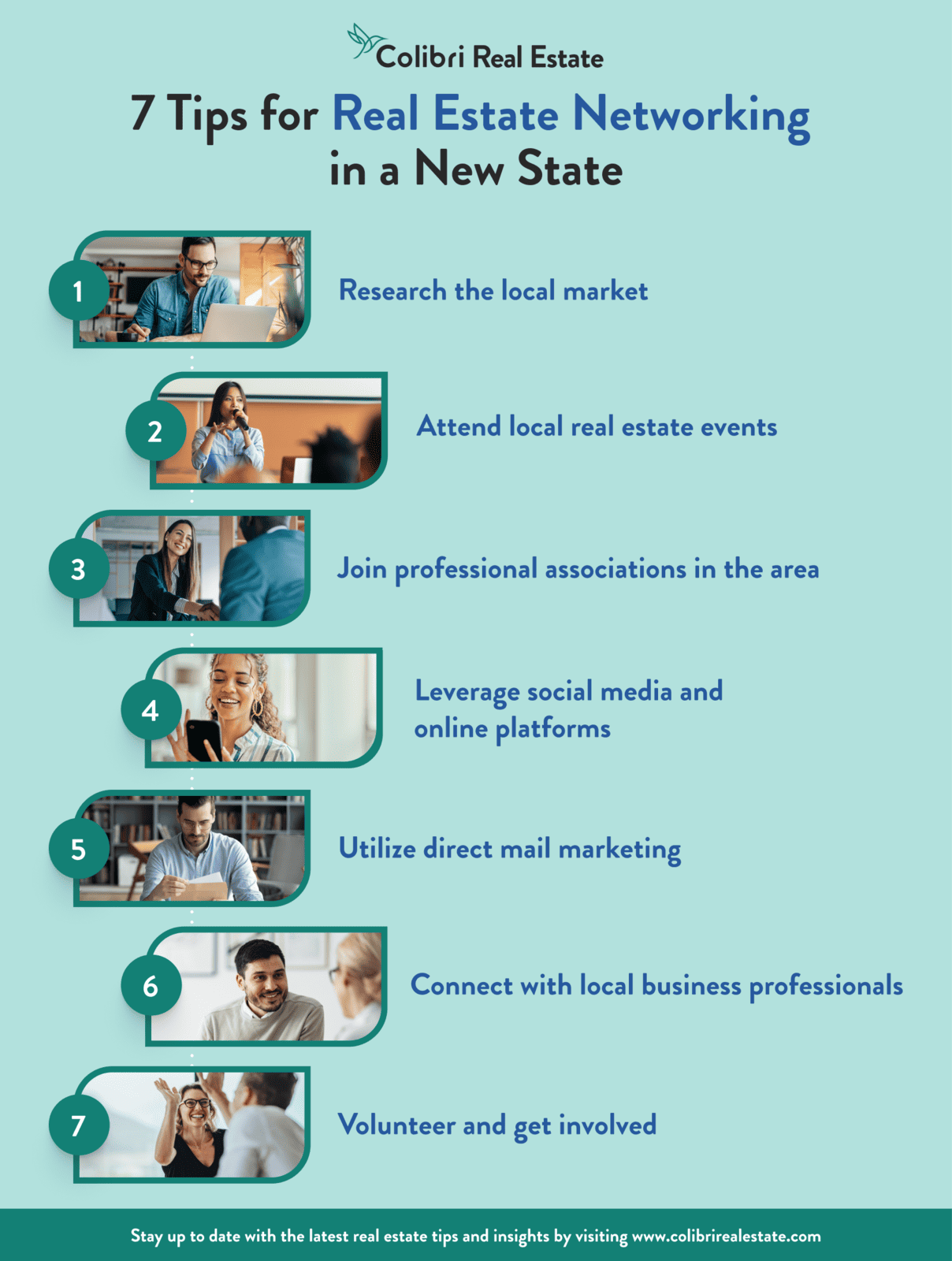
Join Local Real Estate Groups and Associations
Engaging with local real estate groups and associations is crucial for establishing a solid professional network. These organizations offer platforms for agents to connect, share insights, and collaborate. Membership usually provides access to valuable resources, educational events, and networking opportunities — all of which can be game-changers.
- Participate in regular meetings and events to create a presence.
- Take on leadership roles within these groups to boost credibility.
- Use online forums to connect with peers and exchange knowledge.
Attend Industry Conferences and Seminars
Industry conferences and seminars act as prime venues for networking. Attending these events can enhance market insight and facilitate connections with potential clients and collaborators. In 2024, attendance at real estate conferences is expected to rise by 20% — a clear indication of the growing value of face-to-face interactions in this sector.
Volunteer in Community Events to Increase Visibility
Volunteering at community events not only boosts visibility but also fosters goodwill. Contributing time and resources helps agents forge lasting relationships with community members who might later become clients. Participation in local charities, school functions, or city events signals a commitment to the community — this builds trust and rapport.
Cultivate Relationships with Local Businesses for Cross-Promotions
Establishing partnerships with local businesses can open doors to mutually beneficial cross-promotional opportunities. Collaborating with mortgage brokers, home improvement stores, or interior designers can create effective referral networks. For instance, a 2025 survey found that 65% of real estate agents who partnered with local businesses reported an uptick in client referrals.
Nuanced Networking Strategies
While many agents prioritize formal networking events, informal interactions can lead to significant results. Engaging in casual conversations at coffee shops or during community activities often fosters valuable connections. Additionally, leveraging social media platforms to maintain relationships and share insights can reinforce professional bonds. A common misconception is that networking requires only face-to-face encounters; however, online engagement proves equally impactful in today’s digital landscape (this is often overlooked).
Practical Application
To effectively implement these networking strategies, agents should:
- Identify and join at least two local real estate associations.
- Attend one industry conference or seminar each quarter.
- Volunteer for at least one community event each month.
- Reach out to three local businesses to propose cross-promotional partnerships.
By consistently applying these tactics, agents can enhance their networking efforts and significantly grow their client base. Following these steps yields notable results.
Tracking and Analyzing Your Client Acquisition Efforts
Tracking and analyzing client acquisition efforts is vital for real estate agents looking to refine their strategies and boost overall performance. By measuring specific metrics, agents can pinpoint what works and what falls short — and how to optimize their methods for gaining clients.

Set Clear Goals and KPIs for Client Acquisition
Establishing clear goals and Key Performance Indicators (KPIs) is crucial for evaluating the effectiveness of client acquisition strategies. Goals might include specific targets for leads each month, desired percentage increases in conversion rates, or certain revenue milestones. Common KPIs for real estate agents include:
- Lead conversion rate
- Cost per lead
- Client retention rate
By establishing these metrics, agents create a roadmap for success and can effectively monitor their progress.
Use CRM Tools to Track Leads and Conversions
Implementing a Customer Relationship Management (CRM) system is essential for tracking leads and conversions. CRM tools enable agents to:
- Organize and store client information
- Monitor interactions and engagement levels
- Automate follow-up tasks and reminders
A 2024 report indicates that real estate agents using CRM systems saw a 30% increase in lead conversion compared to those without. This highlights the importance of using technology to streamline client acquisition efforts.
Regularly Review and Adjust Marketing Strategies
Continuous improvement hinges on regularly reviewing marketing strategies based on performance data. Agents should establish a routine for analyzing metrics like:
- Website traffic and engagement
- Social media performance
- Email campaign effectiveness
Identifying trends and areas needing adjustment is key. For instance, if a particular social media platform delivers higher engagement rates, reallocating marketing resources to that channel can be beneficial.
Learn from Successful Case Studies
Examining successful case studies offers valuable insights into effective client acquisition strategies. Agents should focus on:
- Specific techniques used by top-performing peers
- Innovative marketing campaigns that led to significant client growth
- Challenges encountered and methods for overcoming them
This comparative analysis helps agents refine their approaches, steering clear of common pitfalls while adopting proven methods that deliver results.
While many agents concentrate solely on lead generation tactics, they often miss the importance of analyzing these strategies’ effectiveness. Understanding which acquisition methods yield the best results is vital for long-term success. Agents frequently underestimate the power of personalized communication — this can enhance client relationships and lead to referrals. Additionally, not all leads hold the same value; focusing too much on quantity rather than quality can dilute efforts. High-value leads that fit market expertise should take priority.
To implement these strategies effectively, real estate agents should take the following actions:
- Define and document specific client acquisition goals and KPIs.
- Choose a CRM tool that fits business needs and integrate it into daily operations.
- Schedule quarterly reviews of marketing strategies, adjusting based on data insights.
- Research and analyze case studies from successful agents to gather actionable insights.
Actively tracking and analyzing client acquisition efforts allows agents to enhance their strategies, facilitating more effective client engagement and fostering business growth.
Frequently Asked Questions
What are the best ways for real estate agents to find clients?
Real estate agents can find clients through networking, online marketing, and community involvement. Building relationships with local businesses and participating in community events can also enhance visibility and attract potential clients.
How can social media help real estate agents get clients?
Social media platforms allow real estate agents to showcase listings, share market insights, and engage with potential clients. Effective use of targeted ads can also expand reach and generate leads.
What are common mistakes real estate agents make in client acquisition?
Common mistakes include neglecting follow-ups, failing to build a personal brand, and not understanding their target market. Additionally, relying solely on passive marketing strategies can hinder client acquisition efforts.
How much does it cost to market as a real estate agent?
Marketing costs for real estate agents can vary widely, ranging from a few hundred to several thousand dollars per month. Expenses may include online advertising, print materials, and promotional events.
How long does it take to build a client base as a new real estate agent?
Building a client base as a new real estate agent typically takes six months to a few years. Success depends on factors such as networking efforts, marketing strategies, and local market conditions.
What networking strategies work best for real estate agents?
Effective networking strategies include attending industry events, joining local business groups, and leveraging online platforms like LinkedIn. Building genuine relationships and maintaining consistent communication is crucial for long-term success.
What role do referrals play in getting clients for real estate agents?
Referrals are a significant source of clients for real estate agents, often leading to higher conversion rates. Satisfied clients are likely to recommend agents to friends and family, enhancing credibility and trust.
Final Thoughts on how do you get clients as a real estate agent
Success in client acquisition as a real estate agent hinges on a multifaceted approach that combines personal branding, digital marketing, and strategic networking. By leveraging these proven strategies, agents can build a robust client base and navigate the competitive landscape effectively.
To take immediate action, invest time in refining your personal brand by creating a professional website and optimizing your social media profiles to showcase your expertise and local market knowledge. This will enhance your visibility and attract potential clients.
Ready to elevate your real estate game? Connect with a google ads expert today and discover proven strategies to attract more clients!
Mastering client acquisition is not just beneficial; it is essential for sustained success in the real estate industry, where relationships and reputation drive results.