
Realtors get clients through a combination of networking, marketing strategies, and referrals. By leveraging social media, hosting open houses, and establishing a robust online presence, agents can enhance their client acquisition efforts. Approximately 90% of home buyers utilize online resources during their search, underscoring the importance of digital engagement.
Understanding how realtors get clients is crucial in a competitive real estate market where effective client acquisition can determine success. Agents must navigate various channels to reach potential buyers and sellers, as missing out on effective strategies could lead to lost opportunities. For example, a recent National Association of Realtors report indicated that 73% of buyers found their homes online, highlighting the necessity of a strong digital strategy.
Failure to grasp effective client acquisition techniques can lead to substantial missed revenue and wasted marketing resources. Without a solid plan, realtors risk falling behind competitors who effectively engage their target audience, resulting in a diminished market share.
This article will explore proven strategies and tips for realtors, detailing effective networking methods, innovative marketing practices, and the significance of online presence. Readers will gain insights into best practices that can enhance their client acquisition efforts in today’s dynamic real estate landscape.
What are the best marketing strategies for realtors?
Successful realtors use a mix of marketing strategies to attract clients effectively. Research shows that 90% of home buyers turn to online resources during their search — digital marketing is essential. Key strategies include social media engagement, targeted email campaigns, and local advertising efforts.
Using social media platforms is crucial for realtors. An active presence on sites like Facebook, Instagram, and LinkedIn allows realtors to showcase listings, share client testimonials, and connect with the community. Regular posts feature high-quality images and virtual tours, which can greatly enhance visibility and draw in potential buyers. Additionally, paid advertising options on these platforms can hone in on specific demographics and locations — this boosts lead generation.
- Email campaigns: Create personalized email newsletters that offer market updates, new listings, and home-buying tips. Segment the audience based on interests and behaviors to improve engagement rates. A well-timed email can often lead to a 20% increase in client inquiries.
- Local advertising:
Advertise in local newspapers, community bulletins, and real estate magazines. Sponsoring local events or workshops can also enhance visibility and credibility within the community — this is often overlooked.
- Networking: Attend industry events and local gatherings to build relationships with potential clients and other professionals. Referrals from satisfied clients and partnerships with local businesses can significantly increase client acquisition.
Expert insight: Combining these strategies with analytics tools to monitor engagement and conversion rates can refine marketing efforts. Adjusting tactics based on data insights ensures continued effectiveness in attracting clients (worth double-checking).
How can realtors use social media to attract clients?
Realtors can effectively use social media platforms like Instagram and Facebook to showcase listings and engage with potential clients. Around 77% of real estate agents report using social media for their business. This makes it a vital tool for client acquisition in 2024.
To truly leverage social media, realtors should focus on creating visually appealing content that highlights properties. High-quality photos and videos of listings can grab attention and encourage shares — this boosts visibility. Engaging storytelling through posts helps potential clients envision their lives in the showcased properties. Regularly updating content keeps the audience informed about new listings or market trends, which is crucial (this is often overlooked).
- Use Instagram for visual storytelling: Post high-quality images and videos of listings. Features like Stories and Reels let realtors dynamically showcase properties.
- Engage with followers: Respond to comments and messages promptly. This fosters a sense of community and trust. Consider hosting Q&A sessions to address common real estate questions.
- Leverage Facebook for targeted advertising: Use Facebook Ads to reach specific demographics and geographic areas. This can help in targeting potential buyers based on their interests and behaviors.
- Share valuable content: Post market updates, home buying tips, and neighborhood information. This positions the realtor as a knowledgeable resource. Attract clients seeking expertise.
Expert insight: Consistency is key; posting regularly and maintaining a cohesive brand image across platforms can significantly enhance engagement — and attract more clients.
What role do referrals play in a realtor’s business?
Referrals serve as a vital source of new business for realtors, often making up to 40% of their client base. This marketing approach taps into past client experiences to generate new leads, forming a cycle of trust and credibility.
These referrals come from satisfied clients who recommend a realtor to friends, family, or colleagues — significantly boosting the realtor’s reputation. This word-of-mouth marketing proves particularly effective. Potential clients are far more likely to trust recommendations from familiar faces than traditional advertising. In fact, a 2024 survey revealed that 87% of home buyers view referrals from friends and family as a major factor in selecting a realtor.
Moreover, strong relationships with past clients can lead to repeat business and additional referrals. Realtors who engage with clients after a transaction—through personalized follow-ups, newsletters, or social media interactions—foster loyalty and encourage recommendations. This ongoing connection not only keeps the realtor at the forefront of clients’ minds but also reinforces their status as a trusted advisor in the real estate market.
Expert insight: Realtors can boost their referral potential by establishing a structured referral program that rewards clients for successful introductions. This creates a mutually beneficial relationship, encouraging ongoing engagement and growth (this is often overlooked).
How long does it take for realtors to get their first client?
Realtors usually take a few weeks to several months to secure their first client. Market conditions, networking efforts, and marketing strategies can greatly influence this timeline.
For new realtors, the time it takes to land that first client can differ widely. It mainly hinges on how engaged they are in the real estate community. Those who are actively involved in local events, join networking groups, and use social media often find clients faster. In fact, about 30% of new agents report securing their first client within the first month. However, others might take as long as six months or even longer (this is often overlooked).
Market conditions also play a crucial role in this timeline. In a buyer’s market, where inventory is high, new realtors can struggle to attract clients due to stiff competition. On the flip side, in a seller’s market — where demand exceeds supply — new agents might find opportunities more readily available. Furthermore, the effectiveness of a realtor’s marketing strategy can significantly affect the speed of client acquisition. Realtors who invest in targeted advertising, build a robust online presence, and showcase their expertise through content marketing often see quicker results.
Expert insight: New realtors should focus on building relationships and using technology to boost their visibility. Engaging with potential clients via social media and getting involved in local community events can really speed up the process of securing that first client.
What networking strategies should realtors use?
Realtors can effectively build their client base by implementing strategic networking approaches. Engaging with local communities and professional associations enhances visibility — and credibility. In 2024, real estate professionals who actively network are 30% more likely to gain clients through referrals and personal connections.
Networking is essential in real estate for establishing trust and building a reputation. Here are some proven strategies that realtors can use to expand their professional network:
- Attend Local Events: Participate in community gatherings like farmers’ markets, festivals, or charity events. These venues provide chances to meet potential clients and foster relationships in a relaxed setting.
- Join Real Estate Associations: Becoming a member of local or national real estate organizations offers access to valuable resources — educational opportunities, and networking events, too. Associations often host mixers and conferences where realtors can meet other professionals as well as potential clients.
- Build Relationships with Local Businesses: Establish partnerships with local businesses such as mortgage brokers, home inspectors, and contractors. These connections can lead to mutual referrals and create a network of trusted professionals for clients (this is often overlooked).
- Utilize Social Media: Use platforms like LinkedIn, Facebook, and Instagram to connect with potential clients. Regularly share valuable content, market insights, and community highlights to engage followers and attract leads.
In addition to these strategies, consider organizing or participating in workshops or seminars that educate potential buyers about the real estate market. This positions the realtor as an expert — and builds trust with the audience.
Expert insight: Focus on quality over quantity in networking. Establishing genuine relationships with a few key contacts can yield more long-term benefits than superficial connections with many individuals. It’s about meaningful interactions.
How important is a real estate website for gaining clients?
A professional real estate website is crucial for attracting clients. It acts as a central hub for showcasing listings, offering valuable information, and building credibility. Around 75% of home buyers search online for properties. This makes a website an essential tool for reaching this audience.
Social media and word-of-mouth marketing can be effective, but they often lack the comprehensive features that a dedicated website provides. A real estate website allows for detailed property listings — complete with high-quality images, virtual tours, and essential neighborhood information. In contrast, social media channels are often limited to short posts and images, which may not deliver the depth potential clients are after (this is often overlooked).
- Professionalism: A well-designed website projects professionalism. This enhances trust with potential clients. Social media doesn’t always convey the same level of seriousness.
- SEO Benefits: A website optimized for search engines can attract organic traffic. On the other hand, social media is at the mercy of algorithms, which can restrict visibility.
- Control of Content: A website allows for full control over content and branding. Social media, however, can impose platform limitations and changing policies.
Moreover, a real estate website can incorporate various tools, like lead capture forms and analytics. These features help realtors track client engagement and refine marketing strategies. This data-driven approach is often less effective with just social media or word-of-mouth.
Expert insight: To enhance client acquisition, realtors should invest in a professional website. At the same time, maintaining an active presence on social media is important. This dual approach guarantees broad visibility and effective engagement with prospective clients.
What are common mistakes realtors make when trying to get clients?
Realtors frequently make critical mistakes that hinder their ability to attract and retain clients. Some common pitfalls include a lack of follow-up, poor online presence, and neglecting existing client relationships. For instance, a study found that 70% of leads are lost due to inadequate follow-up efforts.
One major mistake is failing to follow up with potential clients in a timely manner. Take, for example, a realtor who meets a prospective buyer at an open house but neglects to reach out afterward. This missed chance can lead the buyer to engage with another agent who actively follows up. Indeed, statistics indicate that effective follow-up can increase conversion rates by up to 50% — a clear demonstration of the importance of maintaining communication with leads.
Moreover, a poor online presence can severely limit a realtor’s reach. In today’s digital age, clients often start their property searches online. Make sure to have an optimized website. A realtor without an active online presence risks being overlooked. For example, a realtor with a well-maintained website and engaging social media content can attract significantly more clients than one who relies solely on traditional marketing methods. Data shows that 90% of homebuyers use the internet during their search process (this is often overlooked), highlighting the necessity of a robust online strategy.
Expert insight: To enhance client acquisition, realtors should implement a structured follow-up system and invest in their online branding. This dual approach can significantly boost visibility and engagement with potential clients.
Effective Networking Techniques for Realtors
This section explores advanced networking strategies that realtors can use to acquire clients effectively. These techniques go beyond traditional methods. They foster meaningful connections and boost visibility in the market.
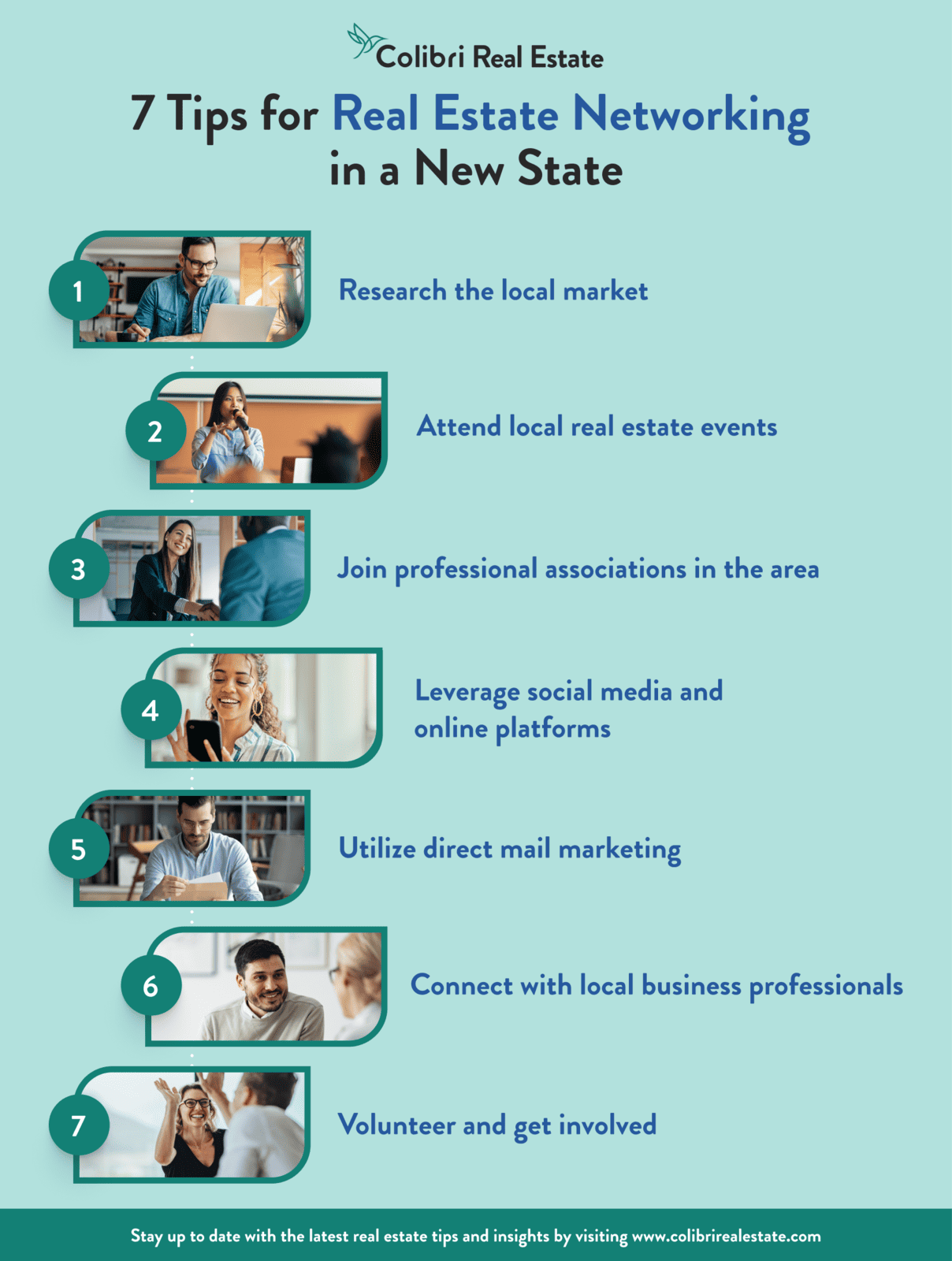
Building Relationships with Local Businesses
Establishing partnerships with local businesses is a potent strategy for realtors. Collaborating with restaurants, cafes, and service providers helps agents create a referral network. For instance, a realtor might host an open house and invite a local bakery to provide refreshments. This not only enhances the event — it also lets the bakery showcase its offerings, creating a win-win situation. According to a 2024 survey, 67% of consumers prefer working with agents who are actively involved in their community.
Participating in Community Events and Sponsorships
Engaging in community events builds visibility and trust for realtors. Sponsoring local sports teams or charity events can position a realtor as a committed community member. Such involvement fosters personal connections and can lead to direct referrals. Realtors should think about attending farmers’ markets, fairs, and local festivals — these are great opportunities for informal networking. A study found that 55% of agents participating in community events saw an increase in client inquiries.
Leveraging Professional Organizations and Groups
Joining professional organizations, such as the National Association of Realtors (NAR) or local real estate boards, opens up extensive networking opportunities. These groups often host events, workshops, and seminars, allowing realtors to meet potential clients and other industry professionals. Membership in these organizations enhances credibility — a vital factor in client acquisition. Networking within these spheres can lead to referrals that are more likely to convert into clients.
Utilizing Online Networking Platforms Like LinkedIn
Online platforms, especially LinkedIn, are invaluable for realtors aiming to expand their professional network. By sharing insights, market updates, and success stories, realtors can engage their audience and build a personal brand. Using LinkedIn’s features — like joining real estate-related groups — can help facilitate connections with potential clients and industry peers. In 2025, LinkedIn reported a 40% increase in real estate professionals using the platform for lead generation.
Nuance / Expert Layer
A common misconception is that networking is all about quantity — more connections mean more clients. In reality, the quality of relationships is what matters most. Realtors should concentrate on building genuine connections instead of just amassing contacts. Effective networking involves active listening, offering value, and maintaining consistent follow-up. Moreover, niche networking — targeting specific demographics or communities — can yield results that are often more fruitful than broad-based approaches.
Practical Application
To implement these networking strategies effectively, realtors should:
- Identify and reach out to three local businesses for potential partnerships.
- Plan to attend at least one community event per month to increase visibility.
- Join a professional organization relevant to their local market.
- Optimize their LinkedIn profile and engage with at least five industry-related groups.
By taking these actionable steps, realtors can significantly enhance their client acquisition efforts through effective networking.
Leveraging Technology in Real Estate Marketing
In the competitive realm of real estate, technology acts as a crucial asset for realtors looking to boost their client acquisition efforts. Adopting innovative platforms and strategies helps realtors streamline marketing processes. This approach lets them reach potential clients more effectively.

Using CRM Systems to Manage Client Relationships
Customer Relationship Management (CRM) systems are vital for realtors who want to establish and maintain strong relationships with their clients. These platforms help agents organize client information, track interactions, and manage follow-ups with ease. A 2024 survey found that 74% of realtors reported significant improvement in nurturing leads and sustaining client relationships through CRM use.
Implementing Email Marketing Campaigns
Email marketing continues to be a robust strategy for realtors engaging prospects and existing clients. Crafting targeted email campaigns allows realtors to share valuable content, property listings, and market updates. Data from 2025 shows personalized email campaigns achieve an average open rate of 26% — compared to just 15% for generic messages. Segmenting email lists based on client preferences can further boost engagement and conversion rates (worth double-checking).
Optimizing Listings for Search Engines
Search Engine Optimization (SEO) is crucial for increasing the visibility of property listings online. By using relevant keywords and optimizing images, realtors can enhance their search rankings on platforms like Google and Zillow. A 2024 study revealed that properties with optimized listings received 50% more views and inquiries than those lacking proper SEO strategies. Key optimization techniques include using descriptive titles, writing compelling property descriptions, and ensuring mobile compatibility.
Utilizing Virtual Tours and Video Marketing
Virtual tours and video marketing are becoming essential tools in real estate marketing. These technologies provide prospective buyers with an immersive experience, enabling them to explore properties from home. Reports from 2026 indicated that listings featuring virtual tours had a 30% higher engagement rate than traditional listings — a notable advantage. Additionally, video content on social media platforms enhances visibility, as 80% of consumers prefer video over text-based content when researching properties.
While many realtors acknowledge the importance of technology in client acquisition, misconceptions often linger about its implementation. Some believe that success requires a hefty investment in high-end technology. However, even basic tools, such as a well-organized CRM or simple email marketing software, can produce significant results. The trick is understanding how to leverage these tools effectively — rather than just adopting the latest trends without a strategic approach.
To make the most of technological advancements, realtors should consider the following actionable steps:
- Choose a user-friendly CRM system that aligns with business needs.
- Design personalized email marketing campaigns for different audience segments.
- Invest time in learning SEO best practices for optimizing property listings.
- Create engaging virtual tours and video content to effectively showcase properties.
Building a Strong Online Presence
A solid online presence is crucial for realtors who want to draw in clients. This section highlights key components of an effective online strategy — these can greatly enhance visibility and engagement.

Creating a Professional Website with SEO in Mind
A professional website is the foundation of a realtor’s online presence. It should have a clean design, easy navigation, and mobile compatibility to cater to potential clients browsing on various devices. Incorporating search engine optimization (SEO) techniques is essential. This includes using relevant keywords, optimizing page titles and meta descriptions, and ensuring fast loading times. The result is often significant — realtors who invest in SEO can see up to a 50% increase in organic traffic over 18 months.
Engaging with Clients Through Social Media
Social media platforms are key for realtors looking to connect with clients. Effective engagement strategies include:
- Posting regularly about market trends, new listings, and community events.
- Using targeted ads to reach specific demographics.
- Hosting live Q&A sessions to address buyer and seller concerns.
Platforms like Instagram and Facebook can boost visibility — studies show that realtors who actively engage on social media generate 2.5 times more leads than those who don’t.
Collecting and Showcasing Testimonials
Testimonials are vital; they build trust and provide social proof among potential clients. Realtors should actively request feedback from satisfied clients and showcase these testimonials prominently on their websites and social media profiles. Implementing a review management system can streamline this process. A survey from 2025 revealed that 85% of consumers trust online reviews as much as personal recommendations (this is often overlooked), highlighting the importance of showing positive client experiences.
Maintaining a Blog to Share Industry Insights
A blog is a powerful tool for establishing authority in the real estate market. Regularly publishing articles covering market analysis, tips for buyers and sellers, and local community highlights can attract visitors to a realtor’s website. Maintaining a blog not only aids in SEO but also positions the realtor as a knowledgeable resource. Research indicates that realtors who blog receive 55% more website visitors than those who don’t.
While the basics of building an online presence are straightforward, many realtors underestimate the power of consistency in their efforts. Engaging with clients regularly across multiple platforms, updating website content frequently, and actively seeking out testimonials can lead to lasting client relationships and increased referrals.
To implement this information effectively, realtors should take the following steps:
- Invest in a professional website that is SEO-optimized.
- Develop a social media content calendar to ensure consistent posting.
- Create a system for collecting and displaying client testimonials.
- Commit to publishing a blog post at least once a month.
These actions will help realtors build a strong online presence that attracts and retains clients.
The Power of Client Relationships and Follow-Ups
Building and maintaining strong relationships with past clients is crucial for realtors looking to generate new business. Effective follow-up strategies boost client satisfaction and increase the chances of referrals — a key component in growing a successful practice.
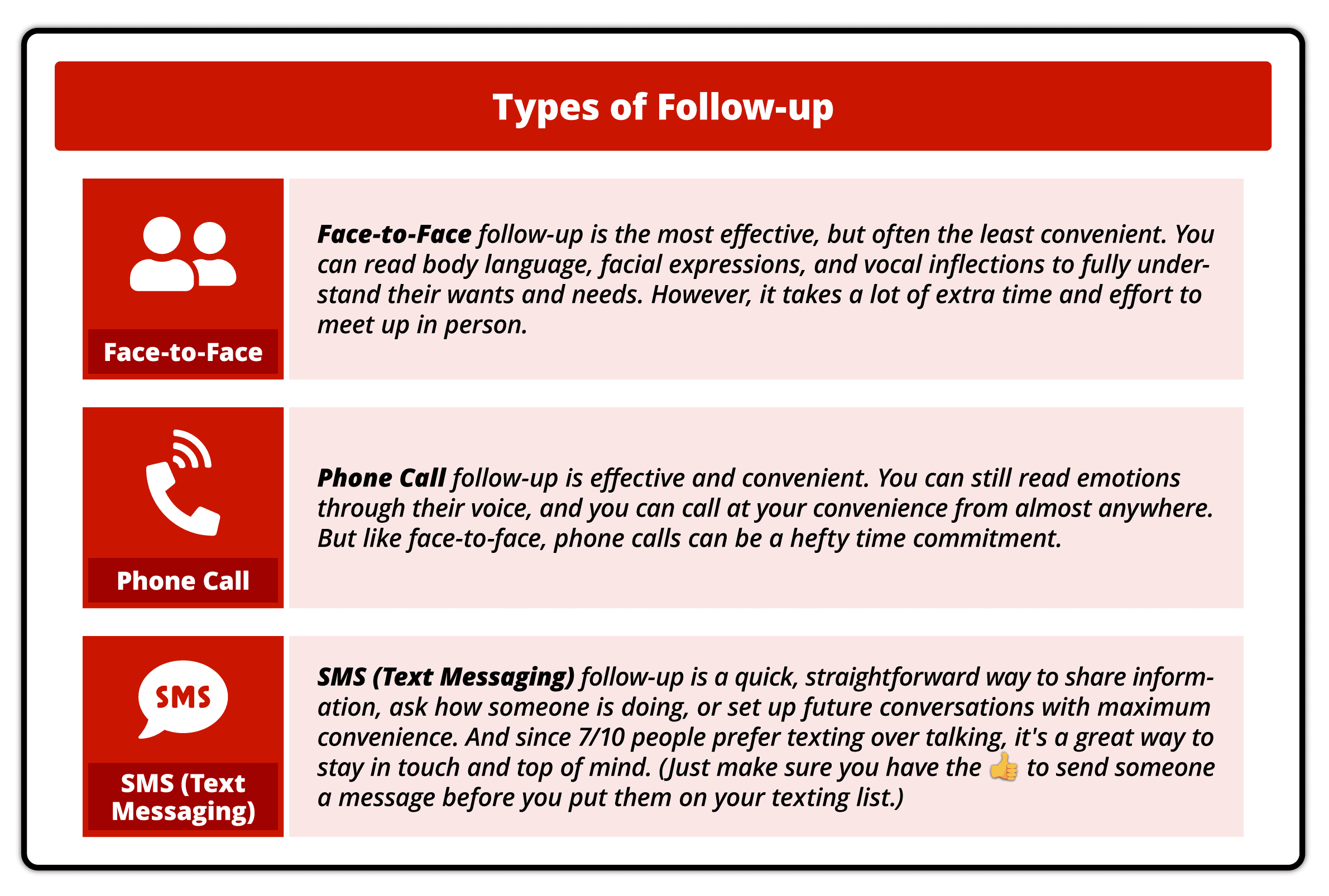
Strategies for Effective Follow-Up Communication
Effective follow-up communication can greatly affect a realtor’s ability to secure clients. Implementing structured follow-up strategies helps ensure that realtors remain top-of-mind for past clients. Consider these methods — they can make a difference:
- Email Newsletters: Regular newsletters keep clients updated on market trends, new listings, and helpful tips. This fosters ongoing engagement.
- Personalized Check-Ins: Schedule periodic phone calls or personalized messages. Ask about clients’ new life events, such as job changes or family growth.
- Social Media Engagement: Actively interact with clients on social platforms, sharing relevant content and celebrating their milestones — this creates a sense of community.
Creating a Referral Program to Incentivize Past Clients
A well-designed referral program can encourage past clients to recommend services to friends and family. Implementing such a program involves a few key steps:
- Defining Incentives: Offer rewards like gift cards, discounts on future services, or charitable donations in the client’s name. Clients appreciate recognition.
- Communicating the Program: Clearly explain the referral process and benefits in follow-up communications. This encourages participation (it’s often more effective than expected).
- Tracking Referrals: Use a tracking system to monitor referrals. Reward clients promptly to reinforce their positive behavior and maintain enthusiasm.
The Importance of Personalized Service
Personalization is essential in forging effective client relationships. Real estate transactions can be emotionally charged, and clients value when realtors take the time to understand their unique needs. Key aspects include:
- Tailored Communication: Customize interactions based on clients’ preferences and past experiences. This ensures relevance and connection.
- Listening Skills: Actively listen to clients’ concerns and desires. Demonstrating empathy and commitment to their goals is crucial.
- Post-Transaction Support: Continue offering assistance after closing. This can involve recommending contractors or providing advice on home improvement projects (clients remember this).
Using Client Feedback to Improve Services
Feedback is a valuable asset for realtors looking to enhance their services. Gathering and analyzing client feedback can lead to improved strategies and offerings. Consider these approaches:
- Surveys: Distribute post-transaction surveys. These assess client satisfaction and help identify areas for improvement.
- Online Reviews: Encourage clients to leave reviews on platforms like Google and Zillow. This provides social proof and insights for prospective clients.
- Regular Check-Ins: Use follow-up calls as an opportunity to gather feedback directly. This shows a commitment to continuous improvement, which clients appreciate.
Nuance / Expert Layer
Many realtors mistakenly think that once a transaction is complete, their relationship with the client is over. However, statistics indicate that approximately 70% of clients would use the same realtor again if they had a positive experience. This underscores the missed opportunity for ongoing engagement. Furthermore, realtors often overlook the potential of nurturing relationships with clients who may not be ready to buy or sell immediately. Building a robust network through consistent communication can result in referrals long after the initial transaction.
Practical Application
To leverage these strategies effectively, realtors should:
1. Develop a follow-up schedule to maintain regular communication with past clients.
2. Design and implement a referral program that clearly outlines incentives for referrals.
3. Personalize service by actively listening to clients and adapting interactions based on their preferences.
4. Establish a feedback mechanism to gather insights and continuously improve service offerings.
By focusing on relationship-building and effective follow-up, realtors can enhance their ability to attract new clients, ultimately answering the question of how do realtors get clients.
Frequently Asked Questions
What are the best marketing strategies for realtors?
Effective marketing strategies for realtors include utilizing online advertising, hosting open houses, and creating engaging content. Additionally, email marketing and community involvement can enhance visibility and attract potential clients.
How can realtors use social media to attract clients?
Realtors can attract clients through social media by sharing property listings, showcasing client testimonials, and providing valuable market insights. Engaging with followers through live videos and interactive posts also helps build relationships and increase reach.
What role do referrals play in a realtor’s business?
Referrals are crucial for a realtor’s business, as they often lead to high-quality leads and repeat clients. Satisfied clients who refer friends or family can significantly enhance a realtor’s reputation and client base.
How long does it take for realtors to get their first client?
The time it takes for realtors to secure their first client can vary widely, typically ranging from a few weeks to several months. Factors such as market conditions, networking efforts, and marketing strategies influence this timeline.
What networking strategies should realtors use?
Realtors should focus on building relationships through local events, joining professional associations, and leveraging online platforms. Attending community gatherings and collaborating with other professionals can also expand their network and client base.
How important is a real estate website for gaining clients?
A real estate website is essential for gaining clients, as it serves as a professional platform to showcase listings and services. It enhances credibility and provides potential clients with easy access to information and contact options.
What are common mistakes realtors make when trying to get clients?
Common mistakes include neglecting follow-ups, failing to maintain an online presence, and not targeting the right audience. Additionally, overpromising or underdelivering on services can damage a realtor’s reputation and hinder client acquisition.
Final Thoughts on how do realtors get clients
Successful realtors understand that acquiring clients hinges on a multifaceted approach that combines effective networking, a robust online presence, and strategic use of technology. By leveraging these elements, realtors can cultivate meaningful relationships and enhance their visibility in a competitive market.
Realtors should immediately prioritize building a targeted social media strategy, focusing on platforms where their ideal clients are most active, to foster engagement and generate leads. This tailored approach will not only increase their reach but also establish their authority in the real estate space.
Discover how a google ads expert can help you attract more clients and elevate your real estate business to new heights today!
Mastering client acquisition is essential for sustained success in real estate, as it directly influences a realtor’s ability to thrive in an ever-evolving marketplace.