

To get more clients for your business, focus on building a strong online presence, leveraging social media, and networking effectively. A robust strategy in these areas can significantly enhance visibility and client acquisition. Notably, studies indicate that 70% of small businesses acquire clients through referrals.
Understanding how to get more clients for your business is crucial for sustained growth and profitability. Entrepreneurs and business leaders must grasp effective client acquisition strategies to remain competitive in an increasingly digital marketplace. Failure to do so can result in lost opportunities, as 20% of small businesses fail within the first year due to inadequate client engagement and marketing efforts.
Neglecting to adopt proven strategies for client acquisition can lead to substantial financial losses, wasted marketing budgets, and an inability to compete effectively in your industry. Without a clear plan, businesses risk stagnation and decline as they miss out on potential revenue streams.
This article will explore proven strategies for acquiring more clients, including the comparison of effective marketing channels, cost breakdowns for various approaches, best practices for online engagement, and the importance of local SEO in attracting targeted clients.
What are the best ways to attract clients?
Attracting clients effectively requires a multifaceted approach that combines digital marketing, networking, and referral strategies. Research indicates that businesses leveraging multiple channels can increase their client base by up to 30% within a year.
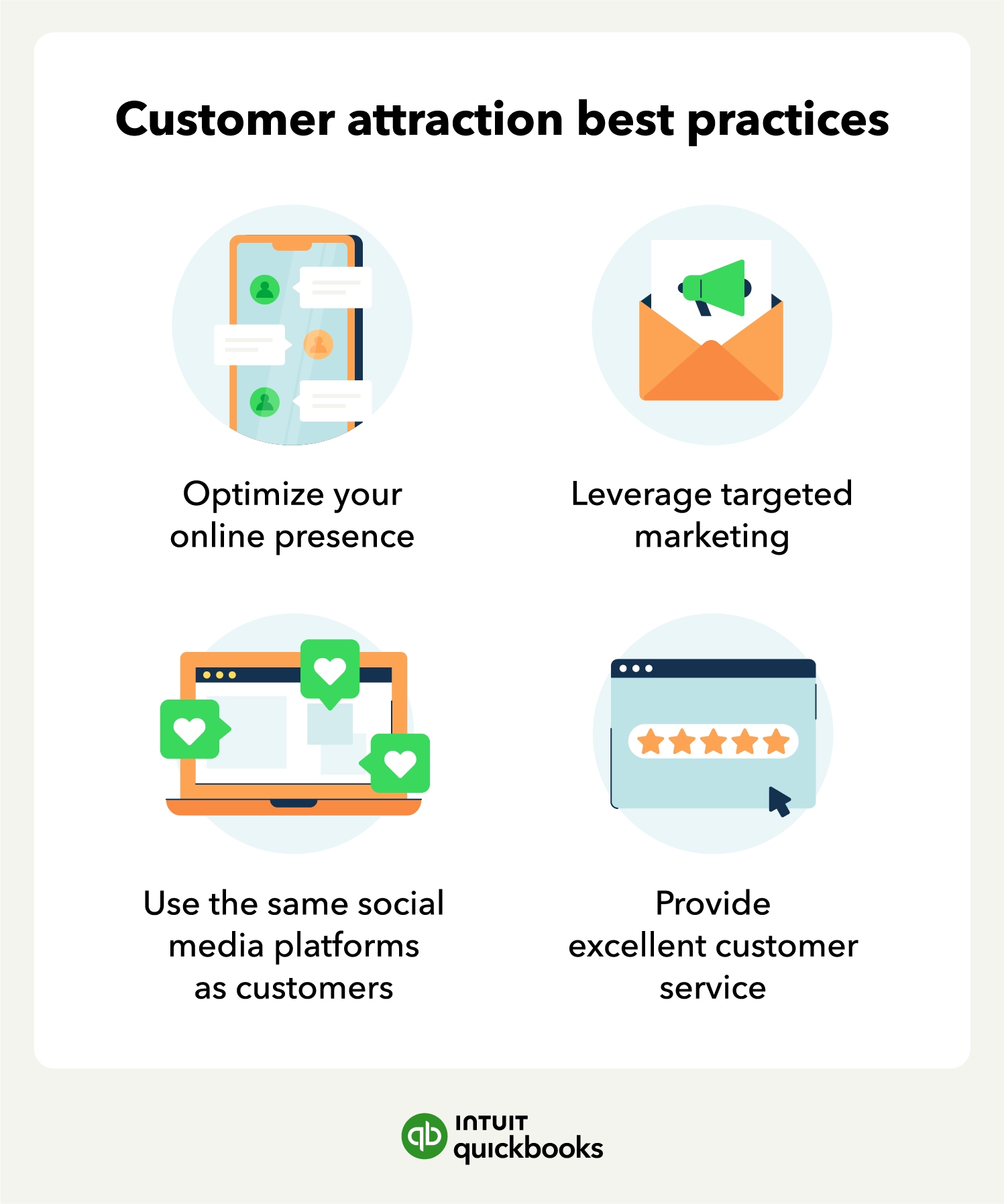
To attract clients successfully, consider implementing the following best practices:
- Enhance Your Online Presence: Optimize your website and social media profiles to make them user-friendly and visually appealing. Use SEO techniques to improve search engine rankings. Aim for a 15-20% increase in organic traffic through consistent content updates — it makes a difference.
- Utilize Email Marketing: Build a targeted email list and send regular newsletters that offer value to potential clients. Personalized emails can lead to a 29% higher open rate. This significantly boosts engagement and conversion rates.
- Network Strategically: Attend industry conferences and local business events to connect with potential clients. Establishing relationships in person can lead to valuable referrals and partnerships (this is often overlooked), enhancing credibility in the market.
- Implement a Referral Program: Encourage satisfied clients to refer new business by offering incentives. Research shows that referred clients are 18% more loyal and can lead to a higher lifetime value.
- Leverage Social Proof: Showcase testimonials, case studies, and reviews on your website and social media. Positive feedback can significantly influence potential clients’ decisions — this builds trust in your services.
Expert insight: Diversifying client acquisition strategies while continuously measuring their effectiveness allows businesses to adapt and optimize their approaches. This ensures sustained growth.
How long does it take to get more clients?
On average, it takes between three to six months to notice a significant increase in clients after new marketing strategies are put in place. However, this timeframe can vary widely based on several factors, including industry specifics, target market, and how effective the strategies are. This can change everything.
There are several elements that influence how long it takes to gain more clients. First, the type of marketing strategy is crucial. For example, digital advertising campaigns can yield quicker results — often within weeks. In contrast, content marketing or SEO strategies typically take longer to show an impact; this can stretch to six months or more. Second, the competitive landscape can affect client acquisition speed. In crowded markets, businesses may need additional time to stand out and attract clients. Third, the quality of the product or service has a significant impact on client retention and referrals, which in turn influences the timeline for gaining new clients.
Moreover, the existing client base is a pivotal factor. Companies with a solid foundation and a good reputation can leverage referrals and word-of-mouth, speeding up the client acquisition process. Conversely, businesses starting from scratch often face more challenges (this is often overlooked), needing extra time to build credibility and establish their presence in the market. Tracking metrics like customer acquisition cost (CAC) and return on investment (ROI) can provide valuable insight into strategy effectiveness and help predict when results will show up.
Expert insight: Focus on a multi-channel approach that combines short-term tactics, such as paid ads, with long-term strategies like content marketing to optimize your client acquisition timeline.
What are common mistakes when trying to get clients?
Common mistakes when trying to get clients include a lack of targeted marketing, neglecting follow-ups, and not really understanding client needs. Research shows that businesses personalizing their outreach see a 30% increase in engagement rates — this highlights the importance of tailored approaches.
One frequent pitfall is failing to define a clear target audience. For example, a digital marketing agency might try to appeal to all businesses instead of focusing on specific industries like healthcare or e-commerce. This broad approach dilutes marketing efforts. The result is often ineffective campaigns. By narrowing their focus, the agency creates tailored content and solutions that resonate with potential clients. This significantly improves conversion rates.
Another mistake is underestimating the value of follow-ups. A common scenario involves a freelance graphic designer who sends a proposal but doesn’t follow up. Statistics indicate that nearly 80% of sales require five follow-ups after the initial contact. Yet many professionals stop after just one or two. By establishing a systematic follow-up process, the designer can reinforce their interest — and address any questions. This increases the likelihood of securing the client.
Expert insight: Implementing a structured outreach and follow-up strategy, while maintaining a clear focus on a specific audience, can dramatically enhance client acquisition efforts. Consistent engagement and tailored messaging are vital to building lasting client relationships. (This is often overlooked)
How can social media help me get more clients?
Social media platforms can significantly enhance client acquisition by providing direct access to a vast audience. Recent studies indicate that businesses actively engaging on social media can see up to a 30% increase in customer acquisition rates.
To effectively leverage social media for client growth, follow these structured steps:
- Identify Your Target Audience: Determine who your ideal clients are based on demographics and interests. Tailoring content to their preferences boosts engagement.
- Select the Right Platforms: Choose social media platforms that match your business goals. For instance, visual businesses may thrive on Instagram — while B2B services might find LinkedIn more effective.
- Create Engaging Content: Develop high-quality, relevant content that resonates with your audience. Use a variety of posts, including images, videos, and articles, to keep their interest alive.
- Utilize Paid Advertising: Consider using targeted ads to reach a wider audience. Platforms like Facebook and Instagram offer precise targeting options — allowing businesses to reach potential clients based on specific criteria.
- Engage with Your Audience: Respond to comments and messages promptly. Building relationships through interaction fosters loyalty. It also encourages referrals.
- Analyze Performance: Regularly review your social media metrics to assess what works. Use insights to refine your strategies and improve future campaigns.
Implementing these strategies can transform your social media presence into a powerful client acquisition tool. Consistency and adaptation to new trends are crucial — they keep an effective social media strategy running.
Expert insight: Regularly update your social media strategy based on analytics and emerging trends. This ensures your approach stays relevant and continues attracting new clients effectively.
What role does networking play in client acquisition?
Networking involves establishing and nurturing relationships that can lead to client acquisition. A 2024 survey found that 70% of small businesses gained clients through networking efforts. This clearly shows its importance in building a strong client base.
Networking is a key element in client acquisition. It creates opportunities for businesses to connect with potential clients, industry peers, and referral sources. Engaging in networking activities lets business owners showcase their expertise. It fosters trust and cultivates long-term relationships. These relationships often lead to referrals, repeat business, and greater visibility in a specific market.
- Types of Networking: Networking happens through formal channels, such as industry conferences, trade shows, and professional associations. It can also take place in informal settings, including social gatherings and online platforms.
- Building Relationships: Effective networking isn’t just about immediate gains — it’s about developing lasting relationships. This requires consistent follow-up, genuine interest in others, and providing value without expecting anything in return (this is often overlooked).
- Leveraging Technology: In today’s digital age, online networking through platforms like LinkedIn or industry-specific forums is essential. These platforms expand reach and allow connections with potential clients beyond geographical boundaries.
Expert insight: Focus on quality over quantity when networking. Building a smaller number of strong, meaningful connections can often be more beneficial than having a large but superficial network.
Leveraging Digital Marketing to Attract Clients
This section examines essential digital marketing strategies that can greatly enhance client acquisition efforts. Using these methods can increase business visibility and help foster lasting client relationships.
Importance of SEO for Visibility
Search Engine Optimization (SEO) is a fundamental aspect of digital marketing. A well-optimized website boosts organic visibility — this ensures that potential clients can find your business via search engines. In 2024, over 60% of all web traffic came from organic search; this underscores the necessity of having an effective SEO strategy. Focus on optimizing site content with relevant keywords, enhance page load speed, and confirm mobile-friendliness to improve search rankings.
Utilizing Pay-Per-Click Advertising
Pay-per-click (PPC) advertising provides businesses with immediate visibility in search engine results. By targeting specific demographics and keywords, PPC campaigns attract traffic that is highly relevant. Recent data shows businesses earn an average of $2 for every $1 spent on Google Ads — this highlights the potential ROI of this approach. Craft compelling ad copy and use A/B testing to optimize performance, which can drive conversions effectively.
Email Marketing Strategies for Retention
Email marketing remains an influential tool for client retention and engagement. Effective strategies include segmenting your audience, personalizing content, and writing compelling subject lines. Reports suggest that personalized emails can boost transaction rates by up to 6 times compared to non-personalized messages (this is often overlooked). Regular newsletters, promotional offers, and follow-ups on past interactions can help keep your audience engaged and encourage repeat business.
Content Marketing to Establish Authority
Content marketing is vital for building authority and trust within your industry. By producing high-quality, informative content, businesses can position themselves as thought leaders. This includes blog posts, whitepapers, and videos that address client pain points or industry trends. In 2025, companies actively engaging in content marketing experienced a 30% rise in website traffic; this highlights the effectiveness of the strategy. Consistency and quality are crucial—establish a content calendar to ensure regular output.
Common misconceptions about digital marketing often include the belief that SEO alone is enough for client acquisition. In reality, an integrated approach that combines SEO, PPC, email marketing, and content creation is essential for maximizing reach and impact. Additionally, businesses frequently undervalue the importance of data analytics in refining their strategies. Regularly reviewing performance metrics can uncover insights that inform future campaigns, ensuring ongoing improvement.
To effectively implement these strategies, businesses should take the following steps:
- Conduct a comprehensive SEO audit and optimize website content.
- Create targeted PPC campaigns with clear objectives and measurable outcomes.
- Develop a segmented email marketing list and personalize outreach efforts.
- Establish a content calendar to produce consistent, high-quality content.
By actively engaging with these digital marketing strategies, businesses can significantly enhance their client acquisition efforts and build a strong client base.
Building a Strong Referral Network
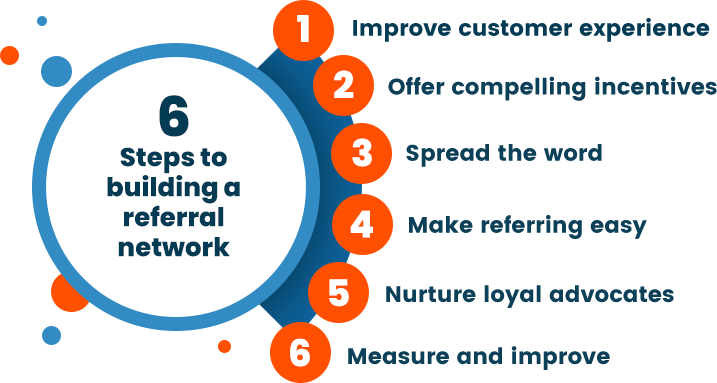
This section covers the mechanics of referral networks along with practical strategies for creating a solid system to acquire clients through referrals. Building a strong referral network is vital for sustainable business growth. Referrals often prove to be more cost-effective, leading to higher conversion rates compared to traditional marketing methods.
How to Ask for Referrals Effectively
Asking for referrals needs a strategic approach. Start by pinpointing satisfied clients who’ve seen positive results from your services. When requesting a referral, be clear about the type of client you’re looking for. This clarity helps clients understand who might benefit, increasing the odds of successful referrals.
1. Choose the right timing: Ask for referrals after completing a project successfully or when receiving positive feedback.
2. Personalize your request: Craft your communication based on the client’s experience and relationship with your business.
3. Use multiple channels: Connect via email, phone, or in-person meetings based on the client’s preferences.
Creating Referral Programs That Incentivize
Referral programs can significantly boost your ability to attract new clients. Incentivizing referrals encourages clients to actively advocate for your business.
– **Monetary rewards**: Provide discounts or cash incentives for successful referrals.
– **Tiered rewards**: Establish a system where clients earn increasing rewards based on the number of referrals they generate.
– **Exclusive access**: Offer early access to new services or products as a reward for clients who refer others.
Recent studies show that businesses with referral programs see up to a 30% increase in customer acquisition.
Maintaining Relationships with Referral Sources
Sustaining relationships with those who provide referrals is key to long-term success. Regular communication helps keep your business top of mind — this is often overlooked.
– Schedule periodic check-ins to show gratitude and share updates.
– Send personalized thank-you notes or small gifts after receiving a referral.
– Engage with referrers on social media by liking, commenting, or sharing their content.
These practices foster goodwill and encourage ongoing referrals.
Tracking Referral Success and ROI
Effective tracking of referrals is crucial for evaluating program success. Implement a system to monitor which referrals turn into clients and analyze the return on investment (ROI) of your referral efforts.
1. Use a CRM system to log referrals and track their progress.
2. Measure conversion rates: Calculate the percentage of referrals that become clients.
3. Assess ROI: Compare the revenue gained from referrals against the costs of your referral programs.
Studies indicate that referred customers have a 37% higher retention rate, underscoring the importance of tracking and optimizing your referral strategy.
Beyond the basics, many businesses underestimate the importance of nurturing relationships with referrers after a successful referral. It’s crucial not just to thank them, but also to keep them engaged with your brand through consistent communication and value delivery. This ongoing relationship can lead to a steady stream of referrals.
To implement these strategies effectively, start by identifying your top clients and approaching them with a personalized request for referrals. Develop a clear and enticing referral program, then set up a tracking system to monitor your results. Regularly engaging with your referrers helps maintain strong relationships. By following these steps, one can enhance their referral network and ultimately address the question, “how can I get more clients for my business?”
The Power of Client Testimonials and Case Studies
Client testimonials and case studies act as social proof, greatly influencing potential customers’ decisions. This section dives into effective strategies for collecting authentic testimonials, crafting impactful case studies, and using these tools in marketing efforts to attract more clients.

Collecting Authentic Testimonials
Authenticity is crucial for effective testimonials. To gather genuine feedback, keep these approaches in mind:
- Ask specific questions that encourage detailed responses, focusing on the client’s pain points and the solutions provided.
- Request testimonials right after project completion — that’s when client satisfaction is highest.
- Offer incentives, like discounts or free services, to motivate clients to share their experiences.
A 2024 survey found that 79% of consumers trust online reviews as much as personal recommendations. This highlights the importance of authentic testimonials in attracting new clients.
Creating Impactful Case Studies
Case studies showcase the value of your services through real-world examples. A well-structured case study should feature:
- A clear introduction outlining the client’s challenges.
- A detailed description of the solution implemented.
- Measurable results and outcomes, backed by data.
For example, a case study demonstrating a 30% increase in sales for a client after engagement can be much more convincing than generic claims. Case studies also need to be concise, visually engaging, and easy to find on your website.
Using Testimonials in Marketing Materials
Incorporating testimonials into various marketing channels can enhance credibility. Consider these strategies:
- Feature testimonials prominently on your website’s homepage and landing pages.
- Include testimonials in email campaigns — this helps build trust with potential clients.
- Use video testimonials for a more personal touch; they can boost engagement by 80%, according to recent findings.
Showcasing Success Stories on Your Website
Your website should serve as a portfolio of success stories. Create a dedicated section for client testimonials and case studies, including:
- High-quality visuals and infographics to complement the text.
- Client logos to bolster credibility and recognition.
- A filter option for visitors to view case studies by industry or service type.
Incorporating these elements can lead to a 15% increase in conversion rates, making your website a powerful tool for attracting new clients.
Many businesses underestimate the storytelling power in marketing. A common misconception is that testimonials and case studies are interchangeable; however, they serve different purposes. Testimonials offer quick validation, while case studies provide an in-depth look at client challenges and solutions. Effectively leveraging both can create a comprehensive narrative that builds trust and encourages potential clients to engage.
To put this information into action, businesses should take the following steps:
1. Develop a system for regularly collecting testimonials from satisfied clients.
2. Create a template for case studies to streamline documenting success stories.
3. Revise marketing materials, incorporating testimonials and case studies strategically to ensure they’re prominently displayed on digital platforms.
Understanding Your Target Market
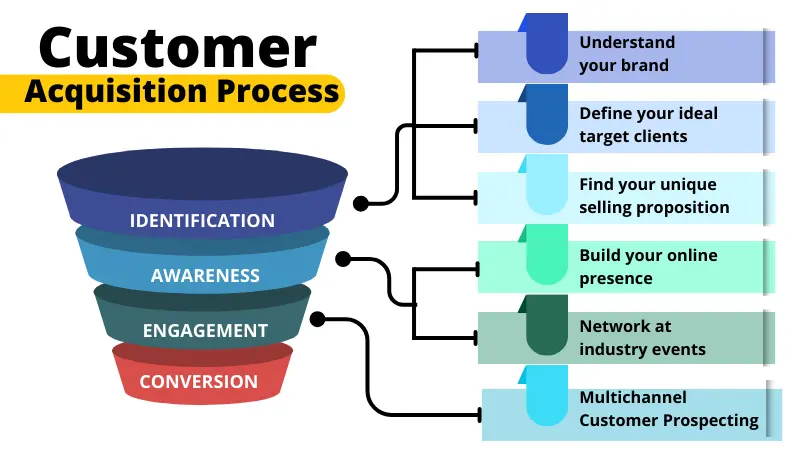
Identifying and understanding your target market is key to effectively acquiring new clients. This section delves into essential strategies — such as market research, buyer persona creation, and service tailoring — that can significantly boost client acquisition efforts.
Conducting Market Research to Identify Needs
Market research forms the backbone of understanding your audience’s preferences and pain points. Use both quantitative and qualitative methods — including surveys, focus groups, and data analytics — to gather insights into customer behavior. For example, a 2024 survey found that 67% of businesses conducting thorough market research experienced a 20% boost in client acquisition rates. This data-driven approach helps businesses craft offerings that truly resonate with their intended audience.
Creating Buyer Personas for Targeted Marketing
Buyer personas are semi-fictional representations of your ideal clients, based on data and insights gathered during market research. Creating detailed personas enables businesses to tailor their marketing strategies effectively. Important elements to include in buyer personas are demographics, motivations, challenges, and preferred communication channels. A well-defined buyer persona can enhance marketing effectiveness by as much as 30% — aligning messaging with the specific needs and expectations of potential clients.
Tailoring Services to Meet Client Expectations
After understanding your target market, adjust your services to meet their specific needs. This can involve modifying existing products, developing new offerings, or improving customer service. Conduct regular feedback sessions with clients to confirm that your services align with their expectations. For instance, 54% of consumers noted that personalized services heavily influence their purchasing decisions (this is often overlooked), highlighting the importance of customization in client acquisition.
Adjusting Marketing Strategies Based on Audience Feedback
Feedback plays a crucial role in refining marketing strategies. Establish systems to gather and analyze client feedback through online reviews, social media interactions, and direct surveys. This information can pinpoint gaps in your current approach and illuminate areas for improvement. Adapting marketing strategies based on audience feedback not only boosts client satisfaction but also raises retention rates, which are vital for sustainable growth.
Nuance / Expert Layer
Many businesses wrongly assume that a broad target market is more beneficial than a focused one. In truth, a narrow focus fosters deeper connections with clients, nurturing loyalty and repeat business. Additionally, the belief that all feedback holds equal value can lead to misguided strategies. Prioritize actionable insights that align with your business goals — rather than trying to accommodate every piece of feedback received. This strategic approach can streamline your efforts and maximize results.
Practical Application
To effectively implement these insights, businesses should follow these actionable steps:
- Conduct a comprehensive market research survey to identify client needs and preferences.
- Create at least three detailed buyer personas that accurately reflect your target audience.
- Evaluate your current services and make necessary adjustments based on the identified needs.
- Set up a feedback collection system to continuously refine your marketing strategies.
By systematically applying these strategies, businesses can improve their understanding of how to attract more clients — ultimately leading to increased acquisition and growth.
Frequently Asked Questions
What are the best ways to attract clients?
Effective methods to attract clients include optimizing your online presence, utilizing targeted marketing strategies, and offering valuable content. Building a strong brand and leveraging referrals can also significantly enhance client acquisition.
How long does it take to get more clients?
The timeline for acquiring more clients varies based on industry, marketing efforts, and existing relationships. Generally, businesses can expect to see results within a few weeks to several months after implementing effective strategies.
What are common mistakes when trying to get clients?
Common mistakes include neglecting market research, failing to define a target audience, and relying solely on one marketing channel. Additionally, inconsistent branding and poor follow-up can hinder client acquisition efforts.
How can social media help me get more clients?
Social media platforms can enhance visibility, foster engagement, and build relationships with potential clients. By sharing valuable content and interacting with your audience, businesses can create a loyal following that translates into client acquisition.
What role does networking play in client acquisition?
Networking is crucial for client acquisition as it allows businesses to build relationships and establish trust within their industry. Attending events and engaging with peers can lead to referrals and new opportunities for client growth.
Final Thoughts on how can i get more clients for my business
Attracting more clients is a multifaceted endeavor that requires a strategic approach, combining effective digital marketing, robust referral networks, and compelling client testimonials. The most successful businesses are those that not only implement these strategies but also continuously adapt and refine their methods based on client feedback and market trends.
To take immediate action, conduct a comprehensive audit of your current client acquisition strategies, identifying at least one area for improvement—be it enhancing your social media presence or actively seeking client referrals—and implement a targeted plan to address it within the next week.
Ready to boost your client base? Connect with a google ads expert today and watch your business thrive!
Mastering client acquisition is essential for sustainable business growth, as it lays the foundation for long-term success and profitability.