

Google Ads appear in various locations, including Google search results, YouTube videos, and partner websites through the Google Display Network. This extensive reach allows businesses to effectively connect with their target audience, contributing to a significant portion of the $224 billion digital advertising market in 2023.
Understanding where Google Ads appear is crucial for businesses aiming to maximize their online visibility and marketing effectiveness. With over 3.5 billion searches conducted daily on Google and billions of video views on YouTube, recognizing the diverse platforms for ad placement can significantly influence marketing strategies. Failing to leverage these channels can lead to missed opportunities in capturing valuable leads.
Not grasping the nuances of google ads placement can result in wasted advertising budgets, missed revenue potential, and a competitive disadvantage in the digital landscape. Businesses that overlook these details may struggle to reach their intended audience, ultimately affecting their bottom line.
This article will cover the various platforms where Google Ads are displayed, including a comparison of top providers, a breakdown of associated costs, best practices for ad placement, and insights into local SEO strategies. By the end, readers will have a comprehensive understanding of how to effectively utilize Google Ads for their marketing efforts.
Where do Google Ads show up?
Google Ads can show up on a variety of platforms, such as search engines, websites, and mobile applications. They aim to reach users across multiple touchpoints. This maximizes visibility for advertisers. In 2024, Google Ads made up over 80% of Google’s total revenue — a clear indication of their importance in online marketing.
Google Ads mainly display in two primary locations: the Google Search Network and the Google Display Network. The Search Network features text ads that pop up on Google search results pages, usually at the top or bottom. These ads are activated by specific keywords users enter into the search bar. The Display Network, conversely, includes a wide range of websites, apps, and videos where visual ads, like banners and videos, can appear. This network reaches over 90% of internet users worldwide (this is often overlooked), making it vital for brand visibility.
Additionally, Google Ads can surface on YouTube, where video ads fit seamlessly into content or show before videos. Google Maps and Gmail also serve as platforms where businesses can promote their services through local ads and sponsored messages, respectively. The placement of ads depends on several factors, such as targeting options, user behavior, and bidding strategies used by advertisers.
Expert insight: To boost the effectiveness of Google Ads, advertisers should concentrate on audience targeting and ad placement strategies specific to each platform. Regularly analyzing performance metrics — this can lead to optimized campaigns — often results in higher returns on investment.
How do Google Ads work on search results?
Google Ads show up on search results through a bidding process where advertisers vie for ad placements based on keywords. When users search for certain terms, relevant ads can display above or below the organic search results — often marked as “Ad” or “Sponsored.”
- Keyword Selection: Advertisers choose keywords that relate to their products or services. These keywords trigger ads to show when users search for them.
- Bidding Process: Each time a user searches for a keyword, advertisers take part in an auction. They set a maximum bid, representing how much they’re willing to pay for a click on their ad.
- Quality Score: Google gives each ad a Quality Score based on relevance, expected click-through rate, and the landing page experience. A higher Quality Score often leads to lower costs and better ad placement.
- Ad Rank Calculation: The Ad Rank decides the position of the ad in search results. It’s calculated by combining the bid amount and the Quality Score — higher ranks lead to increased visibility.
- Ad Display: If the Ad Rank meets a certain threshold, the ad will show in the available ad slots on the search results page. Ads can appear at the top, bottom, or in a side column, depending on the search context.
As of 2024, about 45% of clicks on search results go to Google Ads. This illustrates their substantial influence on user behavior. The competition for ad space varies widely by industry and keyword popularity — advertisers must continually optimize their campaigns.
Expert insight: Regularly reviewing and adjusting bids based on performance metrics can significantly enhance ad visibility and return on investment. It’s crucial to prioritize high-relevance keywords while also maintaining a strong Quality Score (this is often overlooked) for success in Google Ads campaigns.
What are the types of Google Ads placements?
Google Ads placements mainly fall into three categories: search ads, display ads, and video ads. Each type meets different marketing objectives and shows up on various platforms, reaching a range of audiences. In 2024, Google Ads pulled in over $200 billion in revenue — a clear indicator of the effectiveness of these diverse placements.
Search ads are text-based advertisements that show up on Google’s search engine results pages (SERPs) when users input specific keywords. Typically, these ads take the top and bottom positions on the SERPs and are marked as “Ad.” Display ads, by contrast, include visual formats like banners and images. They appear on websites within the Google Display Network (GDN), which encompasses millions of sites. Lastly, video ads primarily show on platforms like YouTube. They can appear before, during, or after video content, and also in search results on the platform.
- Search Ads: Text-based, appear on SERPs, targeted by keywords.
- Display Ads: Visual, appear on websites in the GDN, aimed at broader audiences.
- Video Ads: Visual and auditory, primarily on YouTube, engaging users through video content.
Each placement type presents unique advantages. Search ads are particularly effective for capturing intent-driven traffic — making them ideal for immediate conversions. Display ads boost brand visibility and can retarget users who’ve previously engaged with a brand (this is often overlooked). Video ads provide a dynamic approach to engage users and share narratives, which makes them suitable for brand storytelling and enhancing engagement.
Expert insight:
Marketers should evaluate their campaign goals when selecting ad placements. A mix of search and display ads can effectively optimize visibility and conversion rates.
How much do Google Ads cost for different placements?
The cost of Google Ads can vary quite a bit depending on the placement. On average, search ads range from $1 to $2 per click, while display ads can hit $10 or more. Video ads on YouTube? They typically cost around $0.10 to $0.30 per view. This depends on targeting options and competition.
Several factors influence the costs of Google Ads placements. The type of ad is one. Competition within the industry is another. Advertisers also have to consider their targeting settings. The following elements are crucial in determining overall costs:
- Ad Placement: Search ads usually cost less than display ads. This is due to their intent-driven nature. Display ads, on a wide array of sites, often come with higher costs — largely due to broader visibility.
- Industry Competition: Industries with high competition — like finance or insurance — often face higher costs per click. For example, keywords in these sectors can go from $10 to more than $50 per click.
- Targeting Options: More refined targeting can ramp up costs. Geographic or demographic targeting typically demands a premium for effectively reaching specific audiences (worth double-checking).
Campaign structure matters too. Larger budgets generally allow for more aggressive bidding strategies, often leading to better placement on search results pages. Seasonal trends can also impact costs, with peak times causing prices to rise due to increased competition.
Expert insight: Businesses need to keep an eye on and adjust their bidding strategies based on performance metrics. This helps optimize Google Ads spending effectively. Understanding how placement, competition, and targeting interrelate can result in more cost-efficient campaigns.
What is the Google Display Network?
The Google Display Network (GDN) is a large array of websites, apps, and videos where Google Ads can show up — and this allows advertisers to connect with a wide audience online. As of 2024, the GDN boasts over 2 million websites and reaches more than 90% of internet users worldwide.
This network lets advertisers display their ads across many platforms, including blogs, news websites, and social media. It supports a range of ad formats, such as banners, videos, and interactive ads, which makes it adaptable for various marketing strategies. Advertisers can employ targeting options like demographic, geographic, and interest-based criteria to effectively connect with their target audience (this is often overlooked).
- Display Ads: Visual banner ads that appear on websites within the GDN.
- Video Ads: Ads that can be shown on YouTube and other video content across the network.
- Responsive Ads: Automatically adjust size and format to fit different ad spaces within the network.
The GDN not only boosts brand visibility but also facilitates remarketing campaigns. This allows advertisers to re-engage users who have interacted with their site or products before. The result is often a significant increase in conversion rates — and greater overall marketing effectiveness.
Expert insight: Tapping into the GDN’s broad reach and varied ad formats can enhance brand awareness and drive targeted traffic. It’s a vital piece of any comprehensive digital marketing strategy.
How can I optimize my Google Ads placements?
To optimize Google Ads placements effectively, focus on reaching the right audience and using placement settings wisely. In 2024, ads at the top of the search results page can achieve a click-through rate (CTR) as high as 20% — a notable increase compared to lower positions.
Optimizing Google Ads placements involves several strategies to improve visibility and performance. Effective targeting is key. Use demographic targeting to hit specific age groups, genders, or interests. This helps ensure ads show up for users most likely to convert. Also, leverage placement targeting to pick specific websites or apps for your ads, giving you a more controlled advertising environment. Regularly reviewing and adjusting placements based on performance data is necessary to maximize ROI.
- Use automated bidding strategies: Implementing strategies like Target CPA or Target ROAS can optimize bids for placements that deliver the best performance. This ensures budget allocation is efficient.
- Employ negative placements: Excluding certain websites or apps where your ads don’t perform well — this can enhance overall campaign performance and prevent wasted ad spend.
- Test different ad formats: Experiment with various ad types, such as responsive display ads or video ads, to see which formats work best on specific placements.
- Monitor and analyze performance metrics: Regularly assess metrics like CTR, conversion rates, and cost-per-click. This data is critical for making informed adjustments to your placements.
Expert insight: Consistent A/B testing of ad creatives and placements can reveal insights into user behavior. This allows for ongoing optimization that adapts to changing market dynamics (this is often overlooked).
What are the benefits of Google Ads appearing on YouTube?
Google Ads on YouTube offer considerable advantages, especially in reaching a vast and varied audience. By 2024, YouTube drew in over 2 billion logged-in users monthly. This makes it a prime platform for advertisers aiming for widespread visibility.
A key benefit of advertising on YouTube is its ability to engage users through video content. A fitness apparel brand, for example, could craft a visually captivating ad that showcases their product in action. This kind of dynamic content grabs attention — and it helps the brand deliver its message more effectively than static ads do. Moreover, YouTube’s algorithm customizes ad placements based on user interests. This ensures the right audience sees the ad, which can lead to better engagement rates and increased conversion potential.
Furthermore, YouTube’s advertising options, including skippable ads, non-skippable ads, and bumper ads, provide flexibility for brands to select formats that fit their marketing objectives. A small business might choose a brief bumper ad for brand awareness, while a larger corporation could use a longer skippable ad to share more detailed information about a new product. This versatility allows advertisers to fine-tune their strategies according to their specific goals and audience preferences.
Expert insight: Tapping into YouTube’s targeting capabilities and diverse ad formats can significantly boost campaign performance. It’s crucial for advertisers to tailor their content to effectively resonate with their audience (this is often overlooked).
Understanding Google Ads Placement Strategies
This section explores the strategic methods used in Google Ads placements, emphasizing their importance for visibility and engagement. A well-structured ad placement strategy can optimize reach — and drive conversions.

Keyword Targeting
Effective keyword targeting is crucial for Google Ads success. Advertisers choose keywords that potential customers are likely to use in their searches. By aligning ads with specific terms, businesses boost their chances of appearing in relevant search results. In 2024, campaigns with precise keyword targeting reported a 30% higher click-through rate (CTR) compared to those using broader targeting.
Audience Targeting Features
Google Ads includes advanced audience targeting options, allowing advertisers to reach particular demographics and interests. These features encompass:
- In-market audiences: Target individuals actively researching products or services.
- Remarketing: Re-engage users who have previously interacted with your site.
- Custom intent audiences: Build segments based on specific interests and behaviors.
Using these targeting options can lead to a more engaged audience, which ultimately increases the chances of conversions (worth double-checking).
Ad Formats and Their Effectiveness
Google provides a variety of ad formats, each designed for different marketing objectives. The primary formats include:
- Text ads: Simple and effective for search-driven campaigns.
- Display ads: Visual ads appearing on websites throughout the Google Display Network.
- Video ads: Engaging content that can reach audiences on platforms like YouTube.
Each format has distinct strengths. For instance, display ads can achieve a 50% higher brand recall than text ads, making them particularly effective for brand awareness campaigns.
Analyzing Placement Performance Metrics
Monitoring performance metrics is essential for optimizing ad placements. Key performance indicators (KPIs) include:
- Click-through rate (CTR): Shows how often people click on the ad after seeing it.
- Conversion rate: Measures the percentage of clicks that lead to a desired action.
- Cost per acquisition (CPA): Assesses the cost-effectiveness of ad spend.
Regularly analyzing these metrics helps advertisers refine their strategies — and enhance overall campaign performance.
Common misconceptions about Google Ads placement often include the notion that higher bids automatically guarantee better placements. While bid amounts can influence results, factors like ad relevance and quality score play a significant role in determining placement outcomes.
To leverage these insights effectively, advertisers should routinely audit their keyword targeting, refine audience segments, and test different ad formats. Consider implementing A/B testing to identify the most effective combinations of targeting and ad types. This data-driven approach will maximize engagement and elevate conversion rates.
The Role of the Google Display Network
The Google Display Network (GDN) significantly broadens the range of ad placements beyond traditional search results. This network enables advertisers to showcase their products and services on a vast array of websites. The potential to reach customers at different stages of their buying journey is substantial.
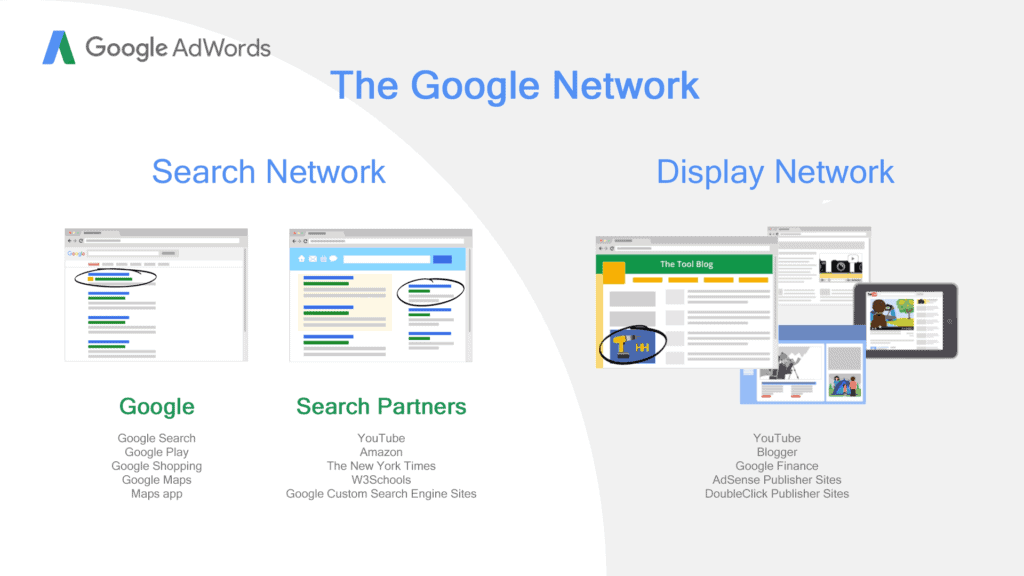
Overview of the Google Display Network
The Google Display Network includes millions of websites, apps, and videos that partner with Google to display ads. This expansive network allows advertisers to reach over **90% of internet users** worldwide. Ads can show up on sites that range from news outlets to niche blogs. The GDN operates through various strategies like contextual targeting, audience targeting, and remarketing. This makes it a versatile tool for marketers.
Types of Websites Included in the Network
- Content websites: Blogs, news sites, and forums that cater to specific interests.
- Video platforms: Websites like YouTube that host video content where ads can be shown.
- Mobile apps: Applications across various categories that integrate ads within their user experience.
- Google-owned properties: Sites such as Gmail and Google Finance, which provide additional ad visibility.
Benefits of Display Ads vs. Search Ads
Display ads offer distinct advantages over search ads, such as:
- Broader reach: Display ads can engage users who aren’t actively searching for products or services — this increases brand awareness.
- Visual appeal: Display ads incorporate images and videos, which enhances engagement through visually compelling content.
- Targeted placements: Advertisers can choose specific websites or types of content for their ads, ensuring relevance to the audience.
Recent statistics show display ads have a click-through rate (CTR) of about **0.46%** — compared to **1.91%** for search ads. This highlights the importance of context and creative presentation in driving user engagement.
How to Choose Placements Within the Network
Choosing the right placements is crucial for maximizing ad performance. Advertisers can use various strategies:
- Contextual targeting: Choose placements based on the website’s content — this ensures ads align with user interests.
- Audience targeting: Use demographic and interest-based targeting to reach specific segments of users.
- Managed placements: Manually select websites where ads will appear, which allows for greater control over ad visibility.
Leveraging these targeting options can significantly enhance the effectiveness of display advertising campaigns.
The Google Display Network is often mischaracterized as just a supplementary option for advertisers. In reality, it plays a critical role in a comprehensive digital marketing strategy. Many believe that performance hinges solely on the ad itself; however, the choice of placements and targeting strategies can greatly affect campaign success. For example, ads positioned on high-traffic, relevant websites can yield better results than those on lower-quality sites — regardless of ad design.
To effectively use the Google Display Network, advertisers should first define their target audience and objectives. Next, conduct thorough research on potential placements that align with these goals. Regularly analyzing campaign performance data is essential. This helps refine targeting and placement strategies, ensuring optimal ad visibility and engagement. Additionally, consider A/B testing different ad formats and placements to see what works best for the specific audience (this is often overlooked).
Navigating YouTube Ads: Placement and Strategy
This section examines the different ad formats available on YouTube, effective audience targeting strategies, and how to measure campaign success. Understanding these elements is crucial for maximizing advertising impact on one of the largest video platforms globally.
Types of YouTube Ad Formats
YouTube offers various ad formats, each aimed at engaging viewers in distinct ways:
- TrueView Ads: These skippable ads let viewers skip after five seconds. Advertisers pay only when viewers watch at least 30 seconds or the entire ad if it’s shorter.
- Non-skippable Ads: Lasting up to 15 seconds, these ads must be watched before the video can be viewed. They work well for delivering concise messages to a captive audience.
- Bumper Ads: These six-second ads are non-skippable and designed to convey quick, impactful messages that enhance brand recall.
- Overlay Ads: Semi-transparent ads appear on the lower part of the video. They won’t obstruct the viewing experience, allowing for subtle promotion (this is often overlooked).
- Sponsored Cards: These cards display relevant content, such as products featured in the video. Viewers can click on them for more information.
Best Practices for Targeting YouTube Audiences
Effective targeting is vital for the success of YouTube advertising campaigns. Several strategies can significantly enhance audience engagement:
- Demographic Targeting: Tailor ads by age, gender, and location to reach the most relevant audience segments.
- Affinity Audiences: Target users based on interests and habits, like fitness enthusiasts or tech aficionados.
- Custom Intent Audiences: Create audiences based on specific keywords and search behavior. This allows for more precise targeting based on user intent.
- Remarketing: Re-engage users who have interacted with the brand before, increasing the likelihood of conversion.
Measuring Success of YouTube Ad Campaigns
To evaluate the effectiveness of YouTube ads, monitor key performance indicators (KPIs):
- View Rate: The percentage of viewers who watched the ad, providing insight into its engagement level.
- Click-Through Rate (CTR): The ratio of users who clicked on the ad compared to those who viewed it. A higher CTR indicates effective messaging.
- Conversion Rate: The percentage of viewers who completed a desired action, such as signing up or making a purchase, after interacting with the ad.
- Cost Per Acquisition (CPA): The total cost of the campaign divided by the number of conversions, helping advertisers assess the cost-effectiveness of their strategies.
Case Studies of Effective YouTube Advertising
Several brands have successfully used YouTube ads to achieve significant results. For instance:
– **Nike** leveraged skippable ads to promote a new product line, achieving a 30% boost in brand awareness and a 25% rise in website traffic.
– **Coca-Cola** launched a bumper ad campaign that led to a 50% increase in brand recall compared to traditional media campaigns.
These case studies showcase the potential of YouTube ads when executed with strategic precision.
Many articles on YouTube advertising focus solely on basic strategies, but they often miss the importance of understanding audience behavior and the nuances of ad formats. For example, many advertisers underestimate Bumper Ads’ effectiveness — data indicates they can boost brand recall by up to 70%. Furthermore, context is key; ads placed before content that aligns with brand values tend to perform better.
To leverage this information effectively, advertisers should adopt a multi-faceted approach: experiment with various ad formats, engage in detailed audience segmentation, and continuously analyze performance data to refine strategies. Establish clear goals for each campaign and adjust tactics based on real-time feedback to maximize ROI on YouTube advertising efforts.
Common Mistakes in Google Ads Placement
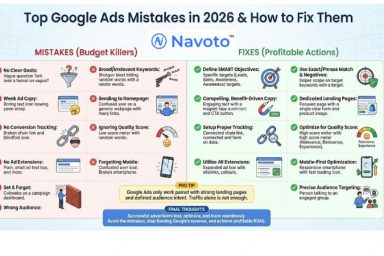
This section identifies frequent errors advertisers make in Google Ads placements and offers strategies to fix these mistakes. Recognizing these pitfalls is vital for optimizing ad performance. It can significantly maximize return on investment.
Ignoring Audience Targeting Options
One major mistake is overlooking the range of audience targeting options in Google Ads. Proper targeting makes sure ads reach users who are most likely to engage with the content. Advertisers should use demographic targeting, in-market audiences, and remarketing lists to fine-tune their reach. According to recent studies, targeted ads can lead to a conversion rate increase of up to 25% compared to non-targeted ads — an impressive statistic.
Underestimating Ad Format Effectiveness
Every ad format serves its own purpose and performs differently across various platforms. However, advertisers often default to text ads without considering alternatives like responsive ads, video ads, or shopping ads. For example, video ads have shown engagement rates that are 80% higher than static images in certain campaigns. Understanding the strengths and weaknesses of each format is critical for achieving optimal results.
Neglecting Performance Analysis
Failing to analyze ad performance is a common error that can lead to wasted budgets. Advertisers need to regularly review key performance indicators (KPIs) such as click-through rates (CTR), conversion rates, and cost per acquisition (CPA). A study in 2024 revealed that advertisers who conducted monthly performance reviews improved their campaign effectiveness by an average of 30%. Regular analysis helps uncover underperforming ads and allows for timely adjustments — a crucial step.
Failing to Adapt to Changing Trends
The digital advertising landscape is always evolving. Trends like increased mobile usage and shifts in consumer behavior require advertisers to stay agile. A report from 2025 indicated that 75% of successful advertisers updated their strategies regularly based on the latest market trends. Ignoring these changes can lead to diminished ad visibility and engagement — a risk that should not be taken.
Expert Insights on Common Misconceptions
Many advertisers think that once a campaign is launched, it needs minimal oversight. This belief can lead to stagnation in ad performance. Continuous optimization based on real-time data is essential. Moreover, some presume that higher budgets automatically yield better results. However, effective targeting and a strong creative strategy often produce better outcomes than simply spending more. Understanding the relationship between budget allocation and strategic planning is key to maximizing ad effectiveness.
Practical Steps for Improvement
- Use Google Ads’ audience targeting tools to refine ad reach.
- Experiment with different ad formats to find the most effective one for your goals.
- Conduct regular performance reviews and adjust campaigns based on data insights.
- Stay informed on industry trends and adapt your strategies accordingly.
By addressing these common mistakes, advertisers can boost their Google Ads placements, ultimately leading to improved performance and increased ROI.
Frequently Asked Questions
Where do Google Ads show up?
Google Ads appear in various locations, including search results, websites within the Google Display Network, and YouTube videos. They can be displayed as text ads, image ads, or video ads depending on the platform.
How do Google Ads work on search results?
Google Ads on search results operate through a bidding system, where advertisers bid on keywords relevant to their products or services. When users search for those keywords, ads may appear at the top or bottom of the search results page.
What are the types of Google Ads placements?
Google Ads placements include search ads, display ads, video ads, and shopping ads. These placements can be found on Google search results, partner websites, YouTube, and mobile apps.
How much do Google Ads cost for different placements?
The cost of Google Ads varies by placement and competition for keywords. Advertisers typically pay on a cost-per-click (CPC) basis, with prices ranging from a few cents to several dollars per click.
What is the Google Display Network?
The Google Display Network (GDN) is a collection of millions of websites, videos, and apps where Google Ads can be displayed. It allows advertisers to reach a broader audience through visual ads across various online platforms.
How can I optimize my Google Ads placements?
Optimizing Google Ads placements involves targeting specific demographics, adjusting bids based on performance, and using negative keywords to filter out irrelevant traffic. Regularly analyzing ad performance can also help refine targeting strategies.
What are the benefits of Google Ads appearing on YouTube?
Google Ads on YouTube provide access to a vast audience and enable advertisers to leverage video content for engagement. This platform allows for creative storytelling and can enhance brand visibility through targeted video ads.
Final Thoughts on where do google ads appear
Understanding the diverse placements of Google Ads is crucial for maximizing advertising effectiveness and return on investment. With options spanning search results, the Google Display Network, and platforms like YouTube, advertisers can strategically target audiences in various contexts, enhancing visibility and engagement.
To effectively leverage this knowledge, businesses should conduct a thorough analysis of their target audience and tailor ad placements accordingly, utilizing tools like Google Ads Manager to monitor performance and optimize campaigns in real-time.
Ready to take your advertising to the next level? Connect with a google ads expert today and watch your business grow!
Mastering Google Ads placements not only amplifies brand reach but also drives targeted traffic, making it an indispensable component of any modern marketing strategy.