
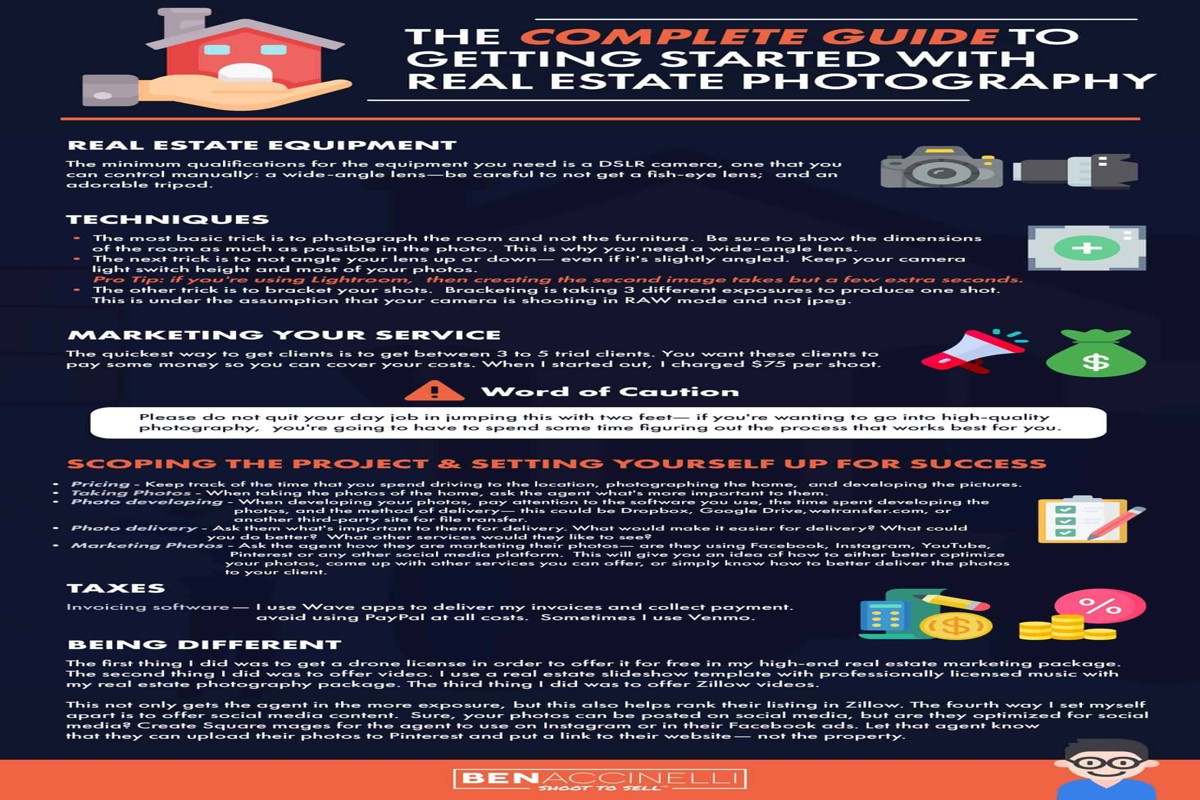
To get real estate photography clients, professionals must focus on building a strong portfolio, leveraging social media, and networking with real estate agents. A specialized portfolio is crucial, as 80% of real estate agents prefer to collaborate with photographers who demonstrate expertise in this niche.
Understanding how to get real estate photography clients is essential for photographers aiming to thrive in a competitive market. With the real estate industry continuously evolving, capturing high-quality images that sell properties has become increasingly vital. Photographers who master client acquisition strategies can significantly enhance their visibility and profitability, as the demand for professional photography services in real estate is projected to grow substantially.
Failure to grasp effective client acquisition methods can lead to missed revenue opportunities, wasted marketing resources, and a competitive disadvantage in a rapidly changing industry. Photographers who do not adapt may find themselves struggling to secure contracts and maintain a sustainable business.
This article will cover proven strategies for attracting real estate photography clients, including the importance of a robust portfolio, effective use of social media, and strategies for networking with real estate agents. Readers will learn actionable insights to enhance their client acquisition efforts and grow their business.
What are the best ways to market real estate photography?
Effective marketing for real estate photography hinges on digital platforms, building a solid social media presence, and networking with local real estate agents. In 2023, 80% of real estate transactions began online — this highlights the importance of digital visibility.
One of the most effective strategies is optimizing a professional website for search engines. Incorporate relevant keywords in titles, descriptions, and blog content to enhance visibility. Quality images that showcase your work should be central to the design. They create a compelling portfolio. Additionally, consider using local SEO tactics to draw in clients from your geographic area, targeting phrases like “real estate photographer in [your city]” (this is often overlooked).
- Use social media platforms: Leverage platforms like Instagram and Facebook to display your photography. Regularly post high-quality images, and engage with followers through stories, reels, and live sessions. Don’t forget targeted hashtags to reach local real estate professionals.
- Network with local real estate agents: Attend real estate events, open houses, and industry meetups. Building relationships with agents can lead to referrals — this is crucial. Offer to collaborate on marketing materials, providing them with stunning images in exchange for exposure.
- Implement email marketing campaigns: Create a newsletter targeting real estate professionals. Share tips on staging homes for photography, recent projects, and exclusive offers. Consistent communication keeps your services top-of-mind for potential clients.
- Leverage online listings and directories: List your services on platforms like Zillow and Realtor.com. Many agents look for photographers directly on these sites. Make sure your profiles are complete with a portfolio and client testimonials.
Expert insight: Focus on developing partnerships with real estate agents by offering value-added services — like virtual tours or drone photography. Such offerings can truly set you apart in a competitive market.
How can I find clients for my real estate photography business?
To find clients for a real estate photography business, use online platforms, attend real estate events, and collaborate with agents. Research shows that around 30% of agents actively seek professional photography services — a significant opportunity for photographers.
One effective approach is leveraging online platforms like social media, real estate websites, and photography marketplaces. Create visually appealing profiles on platforms such as Instagram and Facebook to showcase your portfolio. Also, think about listing services on real estate photography-specific websites that connect photographers with agents and homeowners in need of high-quality imagery (this is often overlooked).
Attending local real estate events — like open houses, trade shows, and networking meetups — gives a direct way to engage potential clients. These gatherings let you build relationships with real estate agents and property managers who may need photography services. Don’t forget to bring marketing materials, such as business cards and brochures, which highlight your work and services to leave a lasting impression.
Collaborating with real estate agents can yield significant benefits. Establish partnerships with local agents who can refer you to their clients. Offering a commission or discounted rates for referrals can incentivize agents to promote your services effectively. Regularly follow up with agents you’ve worked with to maintain relationships — it encourages repeat business.
Expert insight: Focus on building a strong online presence with targeted marketing strategies. Also, consider creating a referral program for real estate agents to enhance client acquisition efforts.
What should I include in my real estate photography portfolio?
A well-rounded real estate photography portfolio needs a diverse range of property types. It should highlight the best work and showcase before-and-after shots. Aim for at least 20-30 high-quality images. This provides a comprehensive view of capabilities.
To illustrate this, consider a photographer who specializes in residential properties, commercial buildings, and luxury homes. Including images from each category demonstrates versatility — which appeals to a broader client base. For instance, one section could feature cozy family homes bathed in warm lighting, while another showcases sleek, modern office spaces. This variety attracts different types of clients and reflects the photographer’s adaptability in various environments.
Additionally, incorporating before-and-after shots can significantly enhance the portfolio’s impact. These comparisons effectively showcase the photographer’s skill in transforming spaces through composition, lighting, and editing techniques. For example, a before-and-after sequence of a staged living room can highlight the difference that professional photography makes in presenting a property. This strategy illustrates technical proficiency. It also emphasizes the value added to clients’ listings (this is often overlooked).
Expert insight: Regularly updating the portfolio is vital. It should reflect the latest work and emerging trends in real estate photography. This ensures potential clients see the most relevant skills and styles. Doing so increases the chances of securing new contracts.
How much should I charge for real estate photography?
Pricing for real estate photography usually falls between $100 to $500 per shoot, depending on aspects like property size and services offered. In 2024, the average cost for a standard residential shoot hovers around $200.
Several factors affect the cost of real estate photography. These include:
- Property Size: Larger properties require more time and resources to photograph — this can raise the fee.
- Location: Costs may differ based on geographic area. Urban locations often face higher pricing due to increased demand (this is often overlooked).
- Experience and Reputation: Established photographers with a solid portfolio can charge higher rates, thanks to their expertise.
- Additional Services: Providing services like aerial photography, virtual tours, or staging can significantly boost the overall cost.
Moreover, grasping the local market aids in setting competitive prices. Researching what other photographers charge in the area offers valuable insights into pricing strategies. Also, keeping the target clientele in mind is essential; luxury listings may require a premium pricing model.
Expert insight: Tailoring packages with various services can draw a wider range of clients, enhancing overall profitability.
How long does it take to get clients in real estate photography?
It usually takes several weeks to a few months to secure clients in real estate photography. This timeline is largely influenced by the effectiveness of your marketing efforts and networking strategies.
Many factors impact how quickly a photographer can attract clients. First, the activity level of the local real estate market plays a significant role. In areas with high demand, real estate agents and property owners may require photography services more urgently — leading to quicker client acquisition. In contrast, slower markets can mean that building a client base takes longer. Also, the quality of your portfolio and online presence can either speed up or slow down your progress. A strong portfolio displaying your best work often attracts clients faster, while a lackluster online presence might limit visibility (this is often overlooked).
Networking is crucial, too. Establishing connections with real estate agents, brokers, and agencies can lead to referrals and repeat business. Attend local real estate events, join industry associations, or leverage social media platforms. These efforts can significantly enhance your outreach. Photographers who actively engage in their community and cultivate relationships often achieve success more quickly than those relying solely on passive marketing strategies.
Expert insight: Focus on building a robust online portfolio and actively network within your community. These strategies can substantially reduce the time it takes to land your first clients in real estate photography.
Building an Effective Portfolio for Real Estate Photography
An effective portfolio is vital for attracting real estate photography clients. It acts as a visual resume, showing off skills and versatility. Plus, it builds trust with potential clients.

Select Diverse Property Types
To demonstrate versatility, include a range of property types in the portfolio. This should encompass:
- Residential homes, including single-family houses and condominiums
- Commercial properties, such as office spaces and retail locations
- Luxury estates, which highlight high-end photography techniques
- Unique properties, like historical buildings or vacation rentals
By showcasing various property styles, photographers can appeal to a wider clientele. This shows the ability to adapt to different environments and client needs.
Highlight High-Quality Images
Quality is crucial in real estate photography. Each image should exhibit:
- Proper lighting to enhance the property’s features
- Effective staging that presents spaces in their best light
- Attention to detail, ensuring no clutter or distractions
Statistics from 2024 indicate that listings with high-quality images receive 47% more inquiries than those with lower quality. This emphasizes the need for photographers to capture the essence of each property.
Include Testimonials and Case Studies
Incorporating testimonials or case studies from previous clients can greatly enhance credibility. Positive feedback reinforces a photographer’s reputation and can be presented in various forms:
- Short quotes from satisfied clients
- Detailed case studies that outline the challenges faced and solutions provided
- Before-and-after comparisons that showcase the impact of professional photography
These elements not only build trust but also provide potential clients with solid evidence of the photographer’s capabilities.
Regularly Update the Portfolio
To stay relevant, the portfolio must reflect the photographer’s current skills and style. Aim to update the portfolio with recent work every six months. This practice helps to:
- Showcase the latest techniques and trends in real estate photography
- Highlight new property types or locations captured
- Demonstrate continuous improvement and professional growth
Keeping the portfolio fresh is essential. The real estate market is dynamic, with evolving client expectations and design preferences.
A common misconception is that a portfolio should only contain the photographer’s best work. While quality is crucial, it’s equally important to show the ability to handle various property types and challenges. A well-rounded portfolio can set a photographer apart in a competitive market.
To effectively leverage this information, photographers should take the following actionable steps:
- Identify and photograph a diverse range of properties to showcase versatility.
- Invest time in staging and lighting to ensure high-quality images.
- Gather testimonials and create compelling case studies from past clients.
- Schedule regular portfolio reviews to update and refresh content.
Leveraging Social Media for Client Acquisition
Using social media platforms effectively can greatly enhance client acquisition for real estate photography businesses. By showcasing work strategically and engaging with the local community, photographers can attract potential clients and build lasting relationships.

Use Instagram and Facebook for Visual Storytelling
Platforms like Instagram and Facebook are perfect for real estate photographers because of their visual nature. Instagram, boasting over 1 billion monthly active users, allows photographers to build a striking visual portfolio. High-quality images of properties effectively highlight unique features, attracting both real estate agents and potential buyers.
Facebook’s diverse audience provides the chance to share not only images but also videos and live tours. Engaging posts that showcase successful projects or client testimonials can build trust and encourage referrals.
Engage with Local Real Estate Groups and Communities
Joining local real estate groups on platforms like Facebook or LinkedIn opens up valuable networking opportunities. These groups frequently include real estate agents, brokers, and industry professionals looking for photography services. Active participation in discussions shows expertise — and builds credibility.
Moreover, sharing useful insights or tips about real estate photography positions photographers as knowledgeable resources (this is often overlooked), which enhances visibility within the community.
Post Behind-the-Scenes Content to Build a Personal Brand
Behind-the-scenes content offers a peek into the photographer’s process, showcasing techniques and personality. This type of content humanizes the brand, making it relatable to potential clients. Posting stories or reels that highlight preparations for a shoot, equipment used, or interactions with clients can create a narrative that truly resonates with the audience.
According to a 2024 survey, 65% of consumers feel more connected to brands that share authentic behind-the-scenes content — leading to increased engagement and trust.
Run Targeted Ads to Reach Specific Demographics
Social media advertising enables precise targeting based on location, age, interests, and behaviors. Running ads specifically targeted at real estate agents or property developers can yield measurable results. For instance, a campaign aimed at real estate professionals in a specific zip code can boost visibility and lead to inquiries.
Using Facebook’s and Instagram’s ad management tools helps monitor engagement rates, allowing photographers to refine their advertising strategies for the best outcomes.
Nuance / Expert Layer
A common misconception is that just posting images suffices for client engagement. However, without strategic interaction and community involvement, those posts may go unnoticed. Real estate photographers must engage actively with their audience — responding to comments, joining discussions, and collaborating with local businesses. This approach not only heightens visibility but also cultivates relationships that can lead to referrals.
Practical Application
To make the most of these strategies, real estate photographers should:
- Develop a content calendar focused on high-quality images and engaging posts.
- Join and actively participate in local real estate groups on social media.
- Create behind-the-scenes content to showcase the creative process.
- Launch targeted ad campaigns tailored to specific demographics.
By implementing these actionable steps, photographers can effectively attract and retain real estate clients in a competitive market.
Networking Strategies for Real Estate Photographers
This section explores effective networking strategies for real estate photographers. Building connections within the real estate industry is crucial — it helps acquire clients more efficiently.

Attend Real Estate Open Houses and Local Events
Attending open houses and local real estate events gives photographers direct access to potential clients. Engaging with attendees is key. Showcasing photography skills can result in immediate inquiries and bookings. A 2024 study indicates that 68% of real estate agents prefer working with photographers they’ve met in person — this highlights the value of face-to-face interactions.
Build Relationships with Real Estate Agents and Brokers
Strong relationships with real estate agents and brokers are essential. These professionals often need high-quality photography to market their listings effectively. Regular communication and personalized follow-ups — along with exceptional service — can lead to repeat business. Consider offering a complimentary first shoot to showcase expertise and foster trust.
Join Local Real Estate Associations or Groups
Joining local real estate associations or groups can greatly expand networking opportunities. These organizations frequently host events, which facilitate introductions to key players in the market. Membership also grants access to valuable resources, market insights, and potential partnerships — essential elements for enhancing visibility.
Offer Referral Incentives to Existing Clients
Creating a referral program can encourage existing clients to recommend services. For example, offering a discount on future shoots for every successful referral can motivate clients to spread the word. Recent data shows referrals account for 30-50% of a photographer’s business (this is often overlooked), underscoring the effectiveness of this strategy.
Nuance and Expert Insights
Networking isn’t just about quantity; it’s about quality. Many photographers mistakenly think that attending every event will yield results. Yet, focusing on a few key relationships and nurturing them can be more advantageous. Understanding the specific needs of agents and tailoring services accordingly sets photographers apart. Moreover, leveraging social media platforms to maintain connections can complement traditional networking efforts — especially in today’s digital landscape.
Practical Application
- Identify and attend at least three local real estate events in the next month.
- Schedule meetings with at least five real estate agents to discuss potential collaborations.
- Join one local real estate association and participate actively.
- Create a referral program and communicate it to current clients.
Common Mistakes to Avoid in Real Estate Photography Business
Identifying and avoiding common pitfalls is key for success in attracting real estate photography clients. This section outlines major mistakes that can harm your business and provides guidance on how to avoid them.
Neglecting to Market Services Effectively
Many real estate photographers underestimate effective marketing’s power. Relying only on word-of-mouth can seriously limit client acquisition. A sound marketing strategy should incorporate a professional website, a solid social media presence, and targeted advertising. The National Association of Realtors states that 97% of home buyers use the internet during their home search — this emphasizes the need for a strong online presence.
Underpricing Services to Attract Clients
Setting prices too low is a frequent tactic intended to draw in clients, but it often backfires. Competitive pricing is important, but undervaluing services can suggest a lack of quality. Instead, analyze the market to create a pricing structure that reflects expertise and the value of your work. A survey by the Real Estate Photography Association found that professional photographers generally charge between $200 and $500 per shoot, depending on location and complexity of service.
Failing to Follow Up with Leads and Inquiries
Neglecting to follow up with potential clients can lead to missed opportunities. Quick responses can significantly boost conversion rates. According to a HubSpot study, companies that respond to inquiries within an hour are seven times more likely to qualify a lead than those that take longer. Implementing a systematic follow-up process can help ensure that no lead goes cold (this is often overlooked).
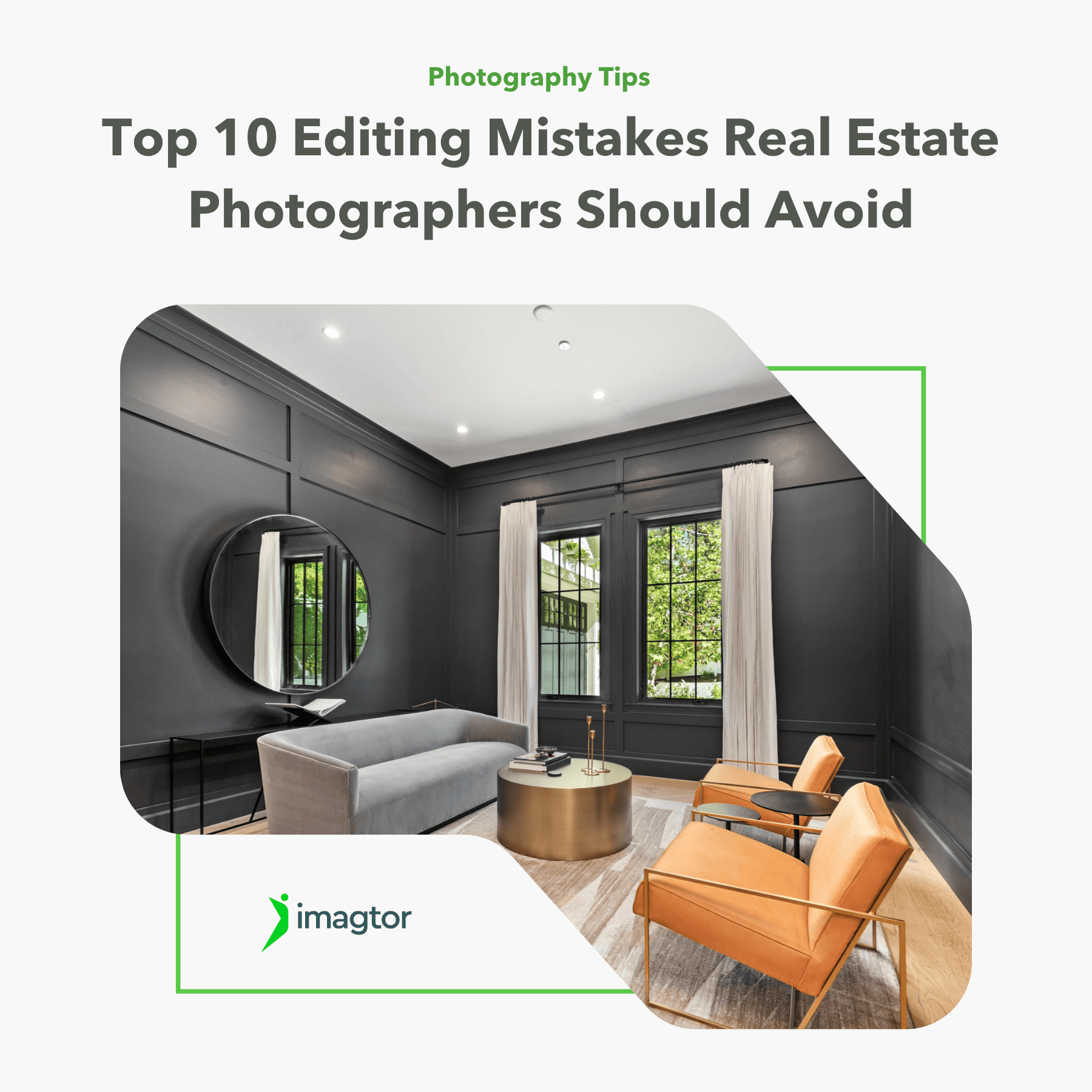
Not Investing in Quality Equipment and Editing Software
The quality of photography directly influences client satisfaction and referrals. Investing in high-quality camera equipment and advanced editing software is crucial. Professionals should consider tools like Adobe Lightroom and Photoshop for post-processing. Survey results indicate that photographers who invest in quality equipment often see a 30% increase in client retention and referrals.
Nuanced Considerations
While the mistakes mentioned are common, some nuances deserve attention. For example, many photographers assume that only high-end equipment guarantees quality. However, skill and technique also play critical roles in achieving exceptional results. Additionally, some may think social media marketing alone suffices for exposure; however, integrating multiple channels — such as email marketing and partnerships with real estate agents — can create a more well-rounded approach to client acquisition.
Practical Application
To avoid these common mistakes, take the following actionable steps:
- Develop a comprehensive marketing plan that includes a professional website and social media strategy.
- Research your market to set competitive yet sustainable pricing for your services.
- Establish a follow-up system to ensure timely responses to inquiries.
- Invest in quality photography equipment and editing software to enhance your portfolio.
Frequently Asked Questions
What are the best ways to market real estate photography?
Effective marketing strategies for real estate photography include leveraging social media platforms, creating a professional website, and networking with real estate agents. Additionally, utilizing online listings and local advertising can enhance visibility.
How can I find clients for my real estate photography business?
Finding clients can be achieved through networking with real estate professionals, attending industry events, and utilizing online platforms such as social media and photography marketplaces. Building relationships with local agents can lead to consistent referrals.
What should I include in my real estate photography portfolio?
A real estate photography portfolio should showcase a diverse range of properties, highlighting various angles, lighting conditions, and staging techniques. Including before-and-after shots and client testimonials can also enhance credibility.
How much should I charge for real estate photography?
Pricing for real estate photography varies based on location, experience, and service offerings, typically ranging from $100 to $500 per session. It’s essential to research local market rates and consider package deals for additional services.
How long does it take to get clients in real estate photography?
Time to acquire clients in real estate photography can vary, but it often takes a few weeks to several months to establish a steady client base. Consistent marketing efforts and networking are crucial for accelerating this process.
Final Thoughts on how to get real estate photography clients
Success in acquiring real estate photography clients hinges on a strategic blend of showcasing exemplary work, leveraging digital platforms, and nurturing industry relationships. By presenting a compelling portfolio and engaging through social media and networking, photographers can effectively position themselves as the go-to experts in their market.
To immediately enhance client acquisition efforts, invest time in optimizing your online portfolio and social media profiles, ensuring they reflect your unique style and the high-quality results you deliver.
Ready to boost your real estate photography business? Partner with a google ads expert who can help you attract more clients with proven strategies!
Establishing a robust client base in real estate photography is not just about taking great pictures; it’s about creating lasting connections and a recognizable brand that stands out in a competitive landscape.