
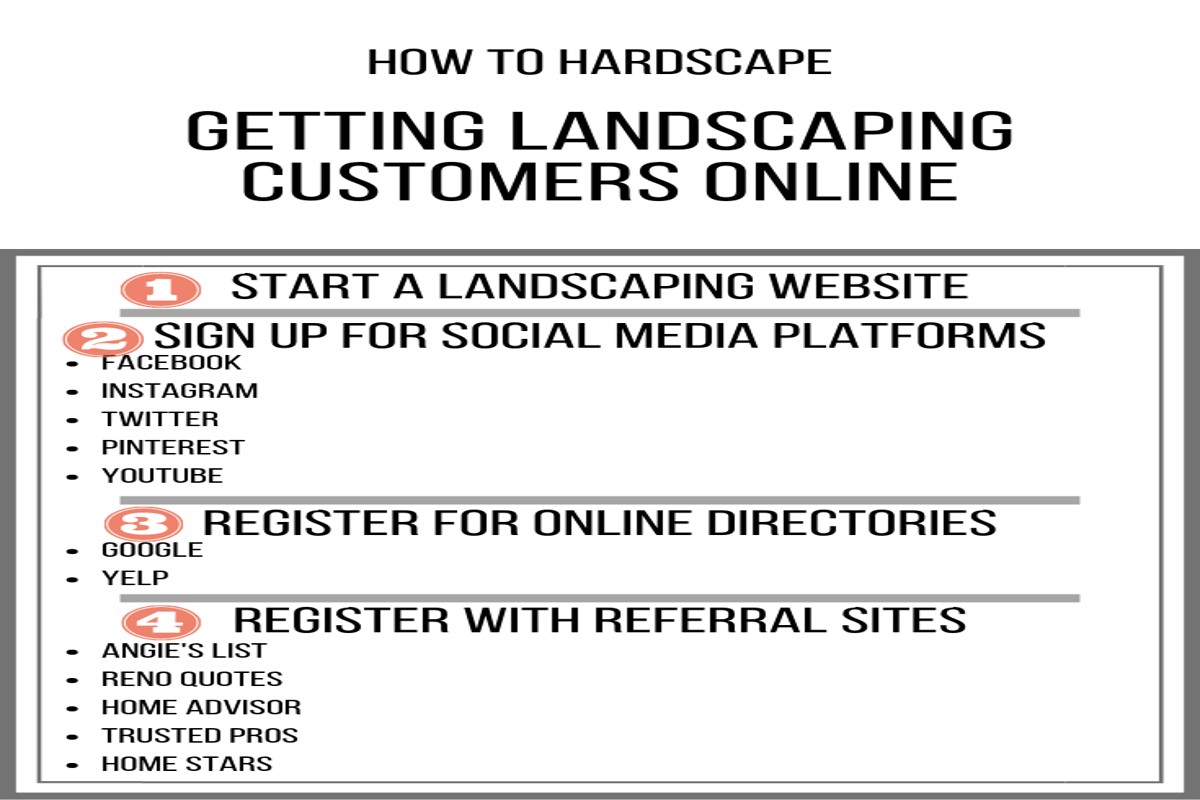
To get landscaping clients means implementing effective strategies to attract and retain customers in the landscaping industry. A strong online presence, community networking, and showcasing work on social media are essential for success. Studies show that 70% of consumers prefer to research services online before contacting a provider.
Understanding how to get landscaping clients is crucial for professionals in the landscaping industry, as it directly impacts business growth and sustainability. With the market for landscaping services projected to reach $115 billion by 2025, effective client acquisition strategies are essential for staying competitive. Failure to grasp these strategies can result in lost opportunities and diminished market presence.
Businesses that overlook effective client acquisition risk significant missed revenue and wasted marketing resources, ultimately placing them at a competitive disadvantage. In an industry where customer loyalty is paramount, not having a clear strategy can lead to a decline in clientele and profitability.
This article will cover proven strategies for acquiring landscaping clients, including building a robust online presence, leveraging social media to showcase work, and effective networking techniques. Readers will gain insights into best practices and actionable steps to enhance their client acquisition efforts.
What are the best ways to attract landscaping clients?
Attracting landscaping clients involves a mix of effective marketing strategies and solid networking. Leveraging digital marketing often yields impressive results — businesses typically see an average ROI of $5 for every $1 spent on online advertising.
To successfully attract landscaping clients, consider the following strategies:
- Develop a Professional Website: A well-designed website serves as a digital storefront. It’s critical to include a portfolio of past projects, client testimonials, and clear service descriptions — this builds credibility.
- Utilize Social Media: Platforms like Instagram and Facebook focus heavily on visuals, making them perfect for showcasing landscaping work. Regularly posting high-quality images and engaging with your audience helps grow your following.
- Optimize for Local SEO: Focus on local search engine optimization to ensure your business shows up in local searches. Use keywords that are specific to your services and location. Don’t forget to claim your Google My Business listing (this is often overlooked).
- Network with Local Businesses: Build relationships with real estate agents, garden centers, and home improvement stores. They can refer clients to you — creating a mutually beneficial network.
- Attend Home and Garden Shows: Participate in local events to showcase your services and connect with potential clients. These events offer direct engagement opportunities with homeowners looking for landscaping solutions.
- Offer Promotions or Discounts: Running limited-time offers or referral discounts can incentivize new customers. This approach often increases visibility and encourages potential clients to try your services.
Establishing a strong presence online and offline is crucial for attracting landscaping clients. Tailor marketing strategies to fit your target demographic, and regularly assess the effectiveness of your efforts.
Expert insight: Focus on creating high-quality content that addresses common landscaping questions; this positions you as an authority in your field — and can enhance organic traffic to your website.
How much should I charge landscaping clients?
Landscaping clients can expect to pay between $50 and $150 per hour for services. This varies based on the job’s complexity and regional market rates. For specific projects — like landscaping design or installation — costs can range from $1,500 to $5,000 or more, depending on the scope and materials used.
Several factors influence pricing in the landscaping industry. Understanding these aspects can establish competitive and fair rates:
- Type of Service: Basic maintenance services, such as mowing and trimming, typically demand lower fees than more complex projects like landscape design or hardscaping.
- Geographic Location: Prices can vary widely by region. Urban areas often command higher rates due to greater demand and elevated living costs.
- Experience Level: Well-established landscaping companies with a solid track record can charge more than newer businesses or freelancers.
- Project Size and Scope: Larger projects that require extensive labor and materials — like garden installations or patio construction — will naturally lead to higher costs.
- Seasonality: Pricing can fluctuate with the seasons. Peak times, such as spring and summer, usually see increased rates due to higher demand.
Pricing strategies may also include flat rates for specific projects or hourly rates for maintenance services. Offering package deals or seasonal discounts can attract clients and boost profit margins.
Expert insight: Regularly researching local competitors and adjusting pricing based on market trends is crucial. This effort helps maintain competitiveness and profitability in the landscaping business.
How long does it take to get landscaping clients?
Acquiring landscaping clients generally takes about 3 to 6 months, but this varies based on marketing effectiveness and client engagement efforts. The local market demand and competition can also shape this timeline.
Several factors can influence how quickly landscaping clients are secured. For starters, the marketing methods used are crucial. Traditional tactics like flyers and door-to-door advertising often yield slower results — they can take time to pay off. In contrast, digital marketing strategies, such as social media advertising and search engine optimization (SEO), can lead to quicker client acquisition. A well-optimized website and a robust online presence can attract clients in just weeks, especially in competitive markets.
Additionally, the level of engagement with potential clients also plays a significant role. Building a strong referral network and fostering relationships within the community can speed up trust and lead to client conversions. Landscaping businesses that actively participate in local events or team up with other service providers may see their client base grow faster (this is often overlooked). Seasonal factors, too, can impact demand; spring and summer typically drive more interest in landscaping services.
Expert insight: Focus on crafting a comprehensive marketing plan that blends digital outreach with community engagement to enhance client acquisition speed. Adjust strategies based on seasonal trends and local competition for the best results.
What are common mistakes to avoid when getting landscaping clients?
Many landscaping businesses struggle to attract clients due to common marketing and client relations mistakes. Research shows that up to 70% of small businesses face challenges with client acquisition because of ineffective strategies. Avoiding these pitfalls can significantly improve your chances of securing clients.
One major mistake is neglecting a strong online presence. In today’s digital marketplace, many potential clients search for services online before making decisions. A poorly designed website or a lack of social media engagement can easily deter prospects. Make sure your website is user-friendly and showcases your portfolio. Include client testimonials as well. Regularly update your social media profiles with engaging content and project highlights — this keeps clients interested.
- Underestimating the importance of referrals: Many landscaping businesses underestimate the power of word-of-mouth referrals. Satisfied clients can be your best marketing tool. Actively encourage happy customers to refer your services. Consider implementing a referral program that rewards them for bringing in new clients (this is often overlooked).
- Failing to define a target market: Trying to serve everyone can dilute your brand and marketing efforts. Identify your ideal client demographics and tailor your services and marketing strategies accordingly. This focused approach often leads to more effective outreach and client acquisition.
- Ignoring follow-ups: Once a potential client expresses interest, timely follow-up is crucial. Failing to follow up can result in lost opportunities — and that can hurt. Develop a systematic approach to follow-ups, whether through email, phone calls, or personal visits. This helps maintain engagement with leads.
- Not showcasing expertise: Potential clients look for assurance of quality and expertise. Regularly share your knowledge through blogs, social media posts, or workshops. Positioning yourself as an expert in landscaping builds trust and can attract more clients.
Expert insight: Regularly review and adapt your marketing strategies based on client feedback and industry trends. This ensures ongoing success in attracting landscaping clients.
How important is social media for getting landscaping clients?
Social media plays a crucial role in attracting landscaping clients. It lets businesses showcase their work visually and engage directly with potential customers. In fact, 80% of consumers say social media influences their purchasing decisions. This clearly highlights its value in client acquisition.
Take, for instance, a landscaping company that posts before-and-after photos of their projects on Instagram and Facebook. By using relevant hashtags and engaging with local community groups, they broaden their reach. A single post showcasing a completed garden transformation can gather hundreds of likes and shares. This often leads to inquiries from potential clients impressed by the quality of work. Such a visual portfolio demonstrates expertise — and builds trust among prospective customers.
Moreover, social media platforms offer tools for targeted advertising. This allows landscaping businesses to promote their services to specific demographics. For instance, ads can target homeowners in certain zip codes, effectively reaching those likely to need landscaping services. Regular interaction through comments and direct messages enhances client relationships, making it easier to convert inquiries into actual projects. Effective communication is key.
Expert insight: To maximize the effectiveness of social media, landscaping businesses should keep their profiles updated with fresh content. Engaging with followers is essential. Additionally, using customer testimonials and user-generated content can bolster credibility and draw in new clients (this is often overlooked).
Building an Effective Online Presence
An effective online presence is crucial for attracting landscaping clients. A professional website and active social media profiles not only showcase your work — they also boost your visibility and credibility in a competitive market.

Creating a Professional Website with Portfolio
A well-designed website is the cornerstone of your online presence. It should have a clean layout, easy navigation, and a clear message about your services. Including a portfolio of previous projects is essential. High-quality images of completed landscaping jobs can captivate potential clients. A 2024 survey found that 75% of consumers judge a company’s credibility based on its website design. Additionally, integrating a blog can improve engagement — providing valuable content related to landscaping tips, trends, and maintenance advice (this is often overlooked).
Utilizing SEO Strategies to Improve Visibility
Search Engine Optimization (SEO) is critical for increasing your website’s visibility in search engine results. Implement the following strategies to enhance your SEO:
- Keyword Research: Identify relevant keywords such as “landscaping services” and “landscape design” to target in your content.
- On-Page Optimization: Use these keywords in titles, headings, and across your website content.
- Local SEO: Optimize for local searches by including your location in keywords and creating a Google My Business profile.
A well-executed SEO strategy can lead to an increase in organic traffic by as much as 50% within six months.
Engaging on Social Media Platforms to Showcase Work
Social media platforms provide a dynamic way to showcase your landscaping projects and engage with potential clients. Focus on visual platforms like Instagram and Pinterest, where high-quality images can grab attention. Regularly post updates, behind-the-scenes content, and customer interactions to foster a community. In 2023, 63% of marketers reported that social media engagement significantly influenced customer decisions — underscoring its importance in client acquisition.
Collecting and Displaying Client Testimonials
Client testimonials serve as powerful endorsements of your work. Collect feedback from satisfied clients and display these testimonials prominently on your website and social media profiles. Using video testimonials can add authenticity and impact. Research indicates that 79% of consumers trust online reviews as much as personal recommendations. Actively soliciting and showcasing these testimonials can enhance your credibility and draw in new clients (worth double-checking).
Nuance / Expert Layer
A common misconception is that a basic online presence suffices for attracting clients. However, the landscaping industry is highly competitive — 43% of small businesses report that digital marketing significantly impacts their growth. Neglecting a comprehensive online strategy can lead to missed opportunities. Furthermore, many landscapers underestimate the importance of mobile optimization: by 2025, over 60% of web traffic is expected to come from mobile devices. Confirm that your website is responsive across all devices to boost user experience and retention.
Practical Application
To effectively leverage this information:
- Invest in a professional website with a well-curated portfolio.
- Implement targeted SEO strategies, focusing on local keywords.
- Engage actively on social media, posting frequently and interacting with followers.
- Solicit client testimonials and make them a central feature of your online presence.
By following these actionable steps, you’ll enhance your ability to attract landscaping clients and establish a strong foothold in the industry.
Networking and Community Engagement
This section explores the fundamental role of local networking and community engagement in attracting landscaping clients. Building strong connections can lead to valuable referrals and strategic partnerships — which ultimately enhances business growth.
Attending Local Events and Trade Shows
Participating in local events and trade shows offers a solid opportunity for landscaping professionals to showcase their services and connect with potential clients. Events like home and garden shows, farmers’ markets, and community festivals tend to attract homeowners who want to enhance their outdoor spaces. Engaging with attendees through interactive displays or demonstrations can significantly boost visibility and interest in landscaping services.
- Set up a visually appealing booth that highlights your best projects.
- Offer free consultations or design sketches to entice potential clients.
- Network with other vendors to explore collaborative opportunities.
Joining Landscaping Associations and Groups
Membership in local landscaping associations and groups supports professional development and networking. These organizations typically provide resources, training, and access to a network of industry professionals. Joining can enhance credibility — positioning your business as a trusted local expert. According to the National Association of Landscape Professionals, membership can lead to a 30% increase in client referrals.
- Attend regular meetings and workshops to stay informed about industry trends.
- Participate in certification programs to improve skills and credibility.
- Use association directories to connect with fellow members and potential clients.
Collaborating with Local Businesses for Mutual Referrals
Establishing partnerships with local businesses can create a referral network that benefits all parties involved. Collaborate with real estate agents, home improvement stores, and interior designers; these professionals often encounter clients interested in landscaping services. Such partnerships can lead to direct referrals and increased visibility within the community.
- Propose co-hosting events or workshops to attract clients together.
- Offer special discounts to clients referred by partner businesses.
- Create joint marketing materials to promote both services effectively.
Building Relationships with Suppliers and Contractors
Strong relationships with suppliers and contractors can yield significant benefits. Suppliers often provide insights into local market trends and customer preferences, while contractors can refer clients who need landscaping services. A study from the Landscape Industry Council of California revealed that 40% of new clients come from referrals made by suppliers and contractors (worth double-checking).
- Attend supplier events to network and learn about new products.
- Develop a referral agreement that benefits both parties.
- Regularly communicate with contractors about upcoming projects and client needs.
Most articles on networking overlook the long-term nature of relationship-building. Immediate connections can yield quick referrals, but sustainable relationships take time and trust. Engaging consistently with community members and businesses fosters an environment where referrals naturally occur. It’s also crucial to diversify networking strategies; relying solely on one method may limit potential client acquisition. Emphasizing authenticity in these interactions can truly differentiate a landscaping business in a crowded market.
To effectively leverage networking for client acquisition, follow these actionable steps:
- Identify and register for three upcoming local events or trade shows.
- Join at least one landscaping association or group in your area.
- Reach out to five local businesses to propose a referral partnership.
- Schedule regular meetings with suppliers and contractors to discuss mutual opportunities.
Leveraging Online Reviews and Referrals
Online reviews and referrals are crucial to a successful landscaping business strategy. They boost visibility and build trust with potential clients. This trust directly influences decision-making.

Encouraging Satisfied Clients to Leave Reviews
Positive online reviews greatly affect consumer behavior. Studies show that about 85% of potential clients trust online reviews as much as personal recommendations. To harness this influence, actively encourage satisfied clients to share their experiences on platforms like Google, Yelp, and social media. This can be done through:
- Follow-up emails requesting feedback after project completion
- Incentives like discounts on future services for leaving a review
- Clear instructions on how to leave a review on various platforms
Responding to Reviews to Show Engagement
Engaging with reviews—both good and bad—shows a commitment to client satisfaction. Responding can boost customer loyalty and influence potential clients, showcasing a dedication to quality service. Key strategies include:
- Thanking clients for positive feedback
- Addressing concerns in negative reviews with a constructive approach
- Encouraging dialogue to resolve issues publicly, enhancing your reputation
Using Referral Programs to Incentivize Current Clients
Referral programs can significantly increase your client base. By incentivizing existing clients to refer new customers, you create a win-win situation. Implementing an effective referral program typically involves:
- Offering a discount or bonus for successful referrals
- Creating a simple and clear process for clients to refer others
- Promoting the referral program through email newsletters and social media
Research shows that referred customers are 4 times more likely to make a purchase—this underscores the value of leveraging existing clientele for new business opportunities.
Monitoring and Managing Online Reputation
Proactively managing your online reputation is essential in today’s digital landscape. Regularly monitoring reviews and mentions of your business across various platforms helps you address potential issues before they escalate. Key actions include:
- Using reputation management tools to track reviews
- Analyzing feedback trends to identify areas for improvement
- Maintaining an active presence on social media to foster community engagement
Many landscaping businesses overlook the importance of online reputation management, thinking good service alone is enough. However, a well-managed online presence can set your business apart in a competitive market.
To effectively leverage online reviews and referrals, implement the following actionable steps:
1. Develop a systematic approach to request reviews from satisfied clients.
2. Engage with all reviews to demonstrate your commitment to customer satisfaction.
3. Create and promote a referral program that rewards current clients for bringing in new business.
4. Regularly monitor your online presence to manage and enhance your reputation. These strategies will attract new clients and foster lasting relationships with existing ones.
Marketing Strategies for Landscaping Services
This section outlines effective marketing strategies tailored for landscaping businesses. It emphasizes targeted outreach and client engagement to drive growth, which are crucial elements in this competitive field.
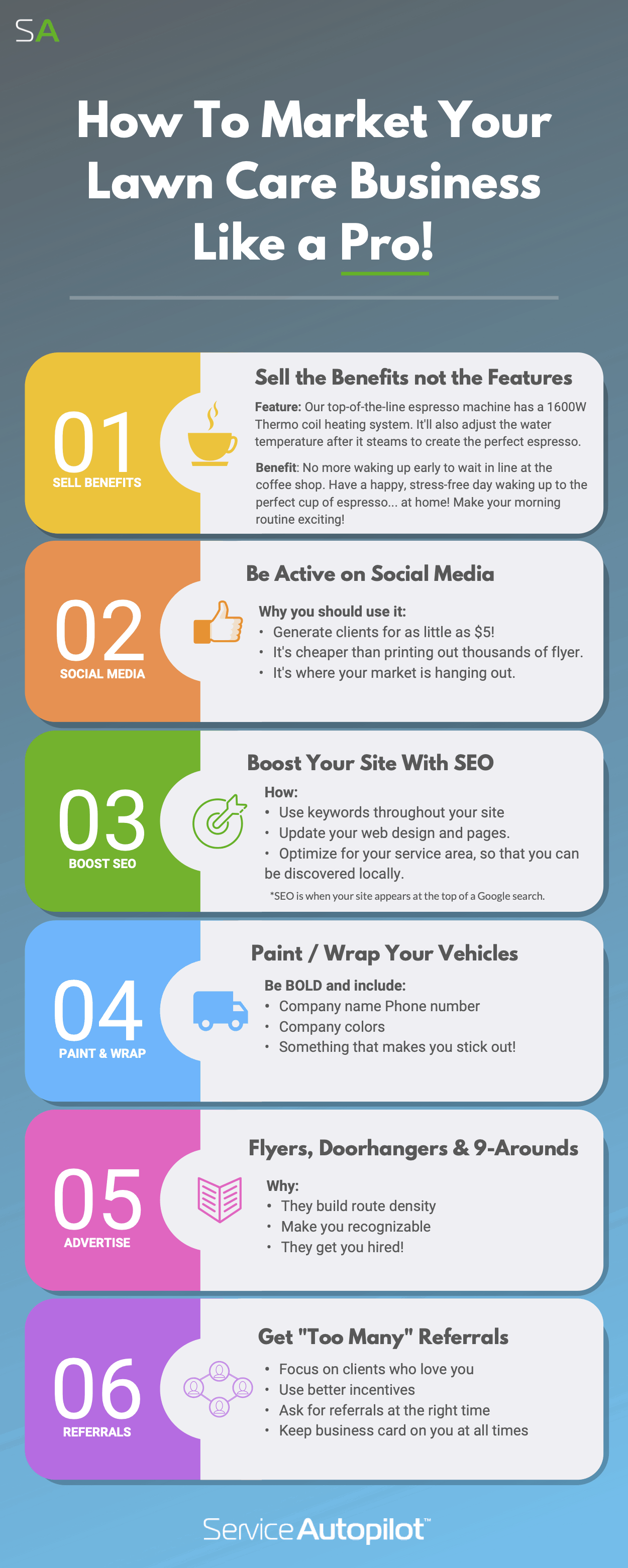
Utilizing Pay-Per-Click Advertising for Targeted Outreach
Pay-per-click (PPC) advertising is a powerful way for landscaping services to connect with potential clients searching for their offerings. Using platforms like Google Ads and Facebook Ads, businesses can craft targeted campaigns based on location, demographics, and specific landscaping needs. For instance, a landscaping company could set up ads aimed at local homeowners in need of lawn care or garden design services.
According to a 2024 report, businesses utilizing PPC advertising experience an average return on investment (ROI) of around 200%. This makes it a vital strategy for generating high-quality leads.
Creating Informative Content that Establishes Expertise
Content marketing is essential for building authority in the landscaping industry. By creating informative articles, blog posts, and how-to guides, businesses can demonstrate their expertise while directly addressing common client questions. Possible topics include seasonal landscaping tips, maintenance checklists, and the advantages of native plants.
- Blog Posts: Regularly updated content boosts website SEO and attracts organic traffic.
- Video Tutorials: Demonstrating landscaping techniques engages viewers and builds trust.
- Case Studies: Highlighting successful projects offers social proof and illustrates capabilities.
Implementing Email Marketing Campaigns to Nurture Leads
Email marketing remains a cost-effective way to maintain relationships with leads and past clients. By segmenting contacts based on interests and previous interactions, landscaping businesses can tailor messages that resonate with different audiences. Regular newsletters can cover seasonal promotions, helpful tips, and project showcases — keeping the brand top-of-mind.
Research shows that targeted email campaigns can yield open rates as high as 25%. This significantly enhances client engagement and boosts conversion potential.
Developing Seasonal Promotions to Attract New Clients
Seasonal promotions effectively encourage potential clients to engage with landscaping services. Offering discounts on spring clean-ups, winterizing gardens, or summer maintenance packages creates a sense of urgency. These promotions not only attract new clients but also foster repeat business from existing customers.
- Spring Specials: Discounts available for planting and garden design services.
- Summer Packages: Bundled services for lawn care and pest control.
- Fall Discounts: Reduced rates on leaf removal and winter preparation.
While these marketing strategies provide a solid foundation, many landscaping businesses overlook the value of data analytics in their campaigns. Tracking metrics such as conversion rates, ad performance, and customer feedback can reveal insights that drive continual improvement. Misunderstandings often arise around the effectiveness of organic versus paid marketing; however, a balanced approach incorporating both can yield optimal results.
To implement these strategies effectively, landscaping businesses should:
- Set clear marketing goals and target audiences.
- Create a content calendar for consistent blog and email updates.
- Invest in PPC campaigns to drive immediate traffic.
- Analyze campaign performance regularly to refine strategies.
Frequently Asked Questions
What are the best ways to attract landscaping clients?
Effective strategies include creating a professional website, leveraging local SEO, and utilizing word-of-mouth referrals. Networking within the community and showcasing projects on social media can also enhance visibility.
How much should I charge landscaping clients?
Pricing for landscaping services varies based on location, project complexity, and experience. Research local rates and consider your costs to determine competitive yet profitable pricing.
How long does it take to get landscaping clients?
The timeline to acquire landscaping clients can range from a few weeks to several months, depending on marketing efforts and local demand. Consistent outreach and quality service can accelerate client acquisition.
What are common mistakes to avoid when getting landscaping clients?
Common mistakes include underpricing services, neglecting marketing efforts, and failing to follow up with leads. Not showcasing previous work can also hinder potential client engagement.
How important is social media for getting landscaping clients?
Social media is crucial for showcasing work, engaging with potential clients, and building brand awareness. Platforms like Instagram and Facebook allow landscapers to visually demonstrate their services and connect with the community.
Final Thoughts on how to get landscaping clients
Success in acquiring landscaping clients hinges on a multifaceted approach that combines a robust online presence, strategic networking, and a reputation built through positive reviews. By integrating these elements, landscaping professionals can create a compelling brand that attracts and retains clients.
To take immediate action, optimize your website with high-quality images of past projects and client testimonials, ensuring it ranks well in local search results. This step will enhance visibility and credibility, making it easier for potential clients to choose your services.
Ready to elevate your landscaping business? Connect with a google ads expert today and watch your client base grow!
Mastering client acquisition not only drives business growth but also establishes a lasting legacy in the landscaping industry.