
How to get home care clients involves strategies aimed at attracting and retaining clients for home care services. A strong online presence, effective use of social media, and networking with local healthcare providers are crucial, as approximately 80% of home care agencies find clients through referrals, underscoring the importance of relationship-building.
Understanding how to get home care clients is essential for home care agencies seeking sustainable growth in a competitive market. As the demand for home care services continues to rise, agencies must effectively attract clients to maintain their operations. Failure to implement effective client acquisition strategies could lead to missed opportunities in a market projected to reach $225 billion by 2024.
Neglecting to grasp effective methods for acquiring clients can result in significant financial losses, wasted marketing resources, and a diminished competitive edge in the home care industry. Agencies that fail to adapt may struggle to survive in an evolving landscape where client expectations and service standards are constantly changing.
This article will explore proven strategies for acquiring home care clients, including best practices for online marketing, the importance of local SEO, and effective networking techniques with healthcare professionals. Readers will gain insights into actionable steps to build a robust client base and enhance their agency’s visibility.
What are the best marketing strategies for home care agencies?
Effective marketing strategies for home care agencies center on building trust and visibility within the community. About 70% of clients look for recommendations from friends or family when selecting a home care provider. Implementing targeted marketing techniques can significantly boost client acquisition and retention.
Home care agencies benefit from a multi-faceted marketing approach that includes both digital and traditional strategies. Establishing a strong online presence is essential — many families start their search for home care services online. You can achieve this through an informative website, social media engagement, and search engine optimization (SEO) tailored to local markets. Additionally, leveraging online reviews and testimonials often enhances credibility and attracts potential clients.
- Local SEO Optimization: Optimize your website for local search terms relevant to home care services. Use keywords like “home care agency in [city name]” to boost visibility in search engine results. Also, claiming and updating your Google My Business profile is crucial for local searches.
- Community Engagement: Participate in local events, health fairs, and senior expos to connect with potential clients and their families. Offering free workshops or seminars on topics relevant to home care can position your agency as a trusted resource (this is often overlooked).
- Referral Partnerships: Establish relationships with healthcare professionals, hospitals, and senior living communities. Creating a referral program can incentivize these partners to recommend your services to their clients — this often pays off.
- Content Marketing: Develop informative content that addresses common questions and concerns regarding home care. Blog posts, videos, and infographics can educate potential clients and improve your agency’s online presence (worth double-checking).
- Targeted Advertising: Use online advertising platforms like Facebook and Google Ads to target specific demographics. Create ads that resonate with the needs of potential clients, highlighting your unique services and approach.
Expert insight: Regularly monitor and analyze the performance of your marketing strategies. Adjusting tactics based on client feedback and engagement metrics can lead to improved outreach and client acquisition over time.
How can I find clients for my home care business?
Finding clients for a home care business involves targeted marketing strategies, community connections, and a strong online presence. The home care market, as reported by the National Association for Home Care & Hospice, is set to reach $225 billion by 2026. This indicates significant growth opportunities.
Begin by pinpointing your target audience. This may include seniors, individuals with disabilities, or families seeking respite care. A detailed marketing plan aimed at these groups can boost visibility. Use both digital and traditional marketing methods — social media ads, local newspaper ads, and community bulletin boards are all effective.
- Network with healthcare professionals: Build relationships with local doctors, hospitals, and rehabilitation centers. They often provide direct client referrals, which can increase your client base.
- Utilize online platforms: Establish a professional website and use platforms like Google My Business. This enhances your online visibility, making it easier for clients to find your services through online searches.
- Engage in community outreach: Participate in local health fairs, senior expos, and community events. Providing free workshops (this is often overlooked) or informational sessions can establish you as a trusted resource in home care services.
- Encourage client referrals: Implement a referral program that rewards current clients for recommending your services to others. Word-of-mouth referrals are incredibly powerful in this industry.
- Leverage social media: Create informative content that addresses common concerns related to home care. Engage with your audience through platforms like Facebook and Instagram — this builds relationships and trust.
Expert insight: Consider forming partnerships with local non-profits or senior organizations. They often have access to potential clients and can provide valuable referrals to your home care business.
What are common mistakes to avoid when getting home care clients?
Common mistakes that home care agencies make when trying to acquire clients include ineffective marketing strategies, neglecting compliance requirements, and failing to build strong referral networks. A recent survey showed that over 60% of agencies struggle with client acquisition due to these pitfalls — which can significantly hinder growth.
The first major mistake is relying solely on traditional marketing methods. While print ads and flyers can be useful, digital marketing strategies like search engine optimization (SEO) and social media outreach are essential in today’s market. Agencies should invest in an online presence. After all, 77% of consumers research services online before making decisions. Having an optimized website and an active social media profile can greatly enhance visibility and client acquisition.
- Neglecting compliance and regulations: Many agencies overlook the importance of adhering to state and federal regulations. Non-compliance can lead to legal issues and a damaged reputation. Regular training and updates on compliance are crucial — they can prevent these pitfalls.
- Underestimating the power of referrals: A strong referral network can be a game changer. Agencies should actively cultivate relationships with healthcare professionals, hospitals, and community organizations to encourage referrals. Offering incentives for referrals can also strengthen this network (worth double-checking).
- Ignoring client feedback: Client satisfaction is crucial for retention and referrals. Agencies ought to implement feedback mechanisms to grasp client needs and improve services based on their input. This responsiveness can bolster reputation and attract new clients.
Expert insight: Regularly analyzing and adapting marketing strategies based on client feedback and market trends can lead to sustained growth. It also provides a competitive edge in the home care industry.
How much does it cost to acquire a home care client?
The cost to acquire a home care client generally falls between $1,000 and $3,000. This figure can vary significantly based on factors like marketing strategies, local competition, and client demographics.
Several key elements drive the overall cost of client acquisition in the home care industry. First, the marketing approach is essential. Companies that invest in digital marketing — think search engine optimization (SEO) and pay-per-click advertising — might face higher initial costs. However, they often see better long-term results. On the flip side, traditional marketing methods, such as direct mail or community events, tend to be less expensive. But they may not reach as broad an audience (this is often overlooked).
- Local Competition: The number of competing home care services in an area impacts client acquisition costs. In highly competitive markets, businesses often need to spend more on advertising just to stand out.
- Target Demographics: Knowing the specific needs and preferences of potential clients can shape marketing strategies and costs. Tailored messaging and services often require additional investment.
- Referral Sources: Cultivating relationships with healthcare professionals and community organizations can help lower acquisition costs. Referrals usually lead to a higher conversion rate, which minimizes the need for extensive marketing efforts.
Expert insight: Prioritize building a strong referral network and use digital marketing analytics to refine spending. This will ensure that every dollar spent on client acquisition delivers optimal returns.
What role do referrals play in getting home care clients?
Referrals are a vital element in acquiring home care clients. They often account for about 70% of new business in this sector. These referrals come from satisfied clients, healthcare professionals, and community networks — all of which significantly boost credibility and trust.
In the home care industry, referrals act as a powerful marketing tool. Clients generally trust recommendations from friends, family, or healthcare providers more than traditional advertising. This trust matters, especially since families often make decisions during stressful times, like when a loved one needs care. Establishing a solid referral system can lead to a steady flow of qualified leads, which ultimately grows the client base.
- Client Referrals: Satisfied clients can spread the word through recommendations. Encouraging them to share their positive experiences can generate new inquiries.
- Professional Referrals: Building relationships with healthcare professionals, social workers, and discharge planners often results in referrals. They frequently recommend home care services to those in need.
- Community Engagement: Participating in local events and forming partnerships with community organizations can boost visibility and credibility — leading to more referrals.
To encourage referrals, home care agencies should implement formal referral programs and offer incentives. Actively seeking feedback from current clients is essential too. Regular communication with referral sources, such as sending thank-you notes or updates on referred clients, can strengthen these relationships (this is often overlooked).
Expert insight: Building a structured referral program that rewards clients and partners for successful referrals can significantly enhance client acquisition rates. It’s a critical strategy for any home care agency.
How long does it take to get home care clients?
On average, acquiring home care clients takes about three to six months. But this timeline can vary significantly. Several factors come into play, such as market demand, marketing strategies, and networking efforts.
Several elements impact how quickly home care clients are brought on board. First, local demand for home care services is critical. Areas with a larger elderly population or specific health care needs often see faster client acquisition. This makes sense. Additionally, the effectiveness of marketing strategies directly influences this timeline. Using digital marketing, social media campaigns, and local community outreach can speed up visibility and client engagement.
Another key factor is establishing relationships with referral sources, like hospitals, rehabilitation facilities, and physicians. Building a solid network can lead to quicker referrals — reducing the time needed to secure clients. Furthermore, an agency’s reputation and credibility also play a role in client acquisition. Agencies emphasizing quality care and showcasing positive client testimonials tend to attract clients more swiftly than those with less established reputations.
Expert insight: To speed up client acquisition, focus on building strong partnerships with healthcare professionals. Leverage online platforms for increased visibility. Continuous engagement with the community can also foster trust and enhance referral opportunities (this is often overlooked).
What are the best platforms for advertising home care services?
The best platforms for advertising home care services include social media, search engines, local directories, and specialized care service websites. Each platform presents distinct advantages based on target demographics and advertising budgets.
Social media platforms like Facebook and Instagram allow for targeted advertising based on user demographics, interests, and behaviors. With over 2.8 billion monthly active users on Facebook as of 2024, these platforms provide a significant audience for home care services. Google Ads stands out as another effective option — it uses pay-per-click (PPC) strategies to reach individuals actively searching for home care solutions. Remarkably, 65% of users click on paid ads when searching for services. The result is often high conversion rates.
Local directories, such as Yelp and Angie’s List, give businesses a way to gain visibility in their local area. These directories often feature user reviews, which can greatly influence potential clients’ decisions (this is often overlooked). Specialized care service websites, like Care.com and HomeAdvisor, connect caregivers directly with clients, allowing for targeted outreach to those specifically seeking home care services. Users here are usually in the decision-making phase — making these platforms particularly valuable.
- Social Media: Broad reach, targeted advertising, highly visual.
- Search Engines: High intent, pay-per-click, measurable ROI.
- Local Directories: Community-focused, review-driven, local visibility.
- Specialized Websites: Direct connection, niche audience, high relevance.
Expert insight: Consider a multi-platform strategy to maximize reach and effectiveness. Tailor content to fit the unique characteristics of each platform for better engagement.
Building a Strong Online Presence
Establishing a robust online presence is essential for attracting home care clients. A well-optimized digital footprint not only enhances visibility — it also builds trust with potential clients.
Importance of a Professional Website
A professional website is the foundation of an online presence. It reflects the credibility and quality of home care services. Key elements of an effective website include:
- User-friendly design: Make sure navigation is easy and accessible for all users.
- Mobile optimization: With over 50% of web traffic coming from mobile devices, responsive design is crucial (this is often overlooked).
- Clear service descriptions: Clearly outline services offered, including specialties and unique selling points.
According to industry reports, 70% of clients research service providers online before making a decision. This emphasizes the need for an informative and engaging website.
Utilizing SEO for Visibility
Search Engine Optimization (SEO) is vital for increasing your website’s visibility in search engine results. Implementing effective SEO strategies involves:
- Keyword research: Identify relevant keywords, like “home care services” and “elderly care,” to target in your content.
- On-page optimization: Use keywords in titles, meta descriptions, and throughout your website content while keeping natural readability.
- Local SEO: Optimize for local search by claiming your Google My Business listing and including location-specific keywords.
Data shows that 46% of all Google searches seek local information. This highlights the importance of local SEO in attracting home care clients.
Leveraging Social Media Platforms
Social media platforms offer a way to engage with potential clients and showcase services. Consider these strategies:
- Regular posting: Share informative content, client testimonials, and updates about services.
- Community engagement: Participate in local groups and discussions — this helps establish your presence and authority.
- Targeted advertising: Use social media ads to reach specific demographics likely to need home care services.
In 2025, social media is projected to account for over 30% of online marketing budgets, underscoring its significance in client acquisition.
Creating Valuable Content to Engage Potential Clients
Producing valuable content can position your home care agency as an industry leader. This can be achieved through:
- Blog posts: Write articles that address common concerns and questions about home care.
- Videos: Create informative videos that explain services and showcase client success stories.
- Infographics: Develop visual content that simplifies complex information about home care.
Content marketing can generate three times more leads than traditional marketing — making it a powerful tool for attracting clients.
Many articles overlook the need for continuous engagement and reputation management. Maintaining an active online presence requires regular updates and responsiveness to inquiries. Addressing reviews — both positive and negative — demonstrates a commitment to client satisfaction and enhances your agency’s reputation.
To effectively utilize this information, start by developing a professional website with SEO best practices. Create a content calendar for social media and blog posts to maintain consistency. Engage with your audience proactively to build trust and credibility in the home care sector.
Networking with Healthcare Professionals
This section looks into the significance of networking with healthcare professionals to secure client referrals for home care services. Building these connections can greatly expand your client base and position your agency as a trusted provider in the community.

Identifying Key Healthcare Professionals to Connect With
To network effectively, it’s crucial to identify the right healthcare professionals who can refer clients to your home care agency. Key professionals include:
- Physicians: Primary care doctors and specialists who often encounter patients needing home care.
- Hospital Discharge Planners: Staff responsible for creating discharge plans for patients moving from hospital to home.
- Social Workers: Professionals assessing patient needs who can recommend home care services (this is often overlooked).
- Rehabilitation Centers: Facilities that might refer clients needing ongoing home support after therapy.
Strategies for Effective Networking
Implementing strategic networking techniques can help build stronger relationships with healthcare providers. Consider these approaches:
- Attend Healthcare Events: Participate in local health fairs, seminars, and professional conferences to connect with potential referral sources.
- Join Professional Associations: Become a member of organizations like the National Association for Home Care & Hospice (NAHC) for access to networking opportunities and resources.
- Leverage Social Media: Use platforms like LinkedIn to connect with healthcare professionals and engage with their content.
Follow-Up Techniques to Maintain Relationships
Establishing initial contact is just the start. Regular follow-up is key for nurturing these relationships. Effective techniques include:
- Regular Check-Ins: Schedule periodic phone calls or emails to share updates about services or to check on their patients’ needs.
- Send Thank-You Notes: Acknowledging referrals with personalized notes boosts goodwill and solidifies connections.
- Share Success Stories: Provide updates on how your services have positively impacted clients — this reinforces the value of the referrals made.
Creating Partnerships for Mutual Referrals
Cultivating partnerships with healthcare professionals can create a mutually beneficial referral system. Establishing formal agreements can enhance trust and accountability. Consider the following:
- Collaborative Care Plans: Work with healthcare providers to develop integrated care plans that specify how services will be shared between agencies.
- Joint Marketing Efforts: Engage in co-marketing initiatives, such as workshops or webinars, to present comprehensive care solutions to clients (worth double-checking).
- Referral Incentives: Implementing a structured incentive program can motivate providers to refer clients to your agency.
Networking with healthcare professionals requires ongoing effort and strategy. In 2025, about 30% of home care agencies reported that referrals from healthcare providers were their primary source of new clients. Building these relationships is more than just making introductions; it involves consistent engagement and creating value.
To apply this information, develop a targeted outreach plan. Identify key professionals in your area, attend relevant events, and set up a regular follow-up schedule. Proactively seek partnerships that align with your home care services and create a referral incentive program to encourage mutual growth. By implementing these strategies, you can boost your visibility and effectiveness in attracting home care clients.
Implementing Effective Client Retention Strategies
This section outlines essential strategies for retaining home care clients. Satisfaction and adaptability in service delivery are key. Long-term success in home care relies on fostering loyalty and trust among clients.

Importance of Client Satisfaction and Feedback
Client satisfaction is the cornerstone of retention strategies. According to a 2024 study by Home Care Pulse, 82% of home care clients indicated that satisfaction with care services directly influenced their choice to continue using a provider. Regularly asking for feedback through surveys or direct conversations can uncover areas for improvement (this is often overlooked) and strengthen the client-provider relationship.
Creating Personalized Care Plans
Developing personalized care plans is crucial for addressing individual client needs. A tailored approach ensures care is relevant and adapts as the client’s condition changes. In a 2025 survey, 78% of clients voiced a desire for care plans that reflect their preferences and medical histories. This customization fosters a sense of ownership—an essential factor for increasing client retention.
Regular Communication and Check-Ins
Consistent communication is critical for maintaining client relationships. Establishing a routine for check-ins—whether through phone calls, emails, or home visits—signifies to clients that their well-being matters. A 2026 report noted that agencies using regular communication strategies observed a 30% improvement in client retention rates. These interactions let agencies assess client satisfaction and adjust care plans as needed.
Offering Additional Services to Meet Evolving Needs
As client needs change, providing additional services can enhance retention. Many families value expanded services like transportation, meal preparation, or respite care. According to data from the National Association for Home Care & Hospice, 65% of clients stated they would prefer a provider offering comprehensive services over one that does not. This flexibility not only meets immediate client needs but also positions the agency as a holistic care solution.
Nuance / Expert Layer
Many providers overlook proactive engagement in client retention. A common misconception suggests that once a client is acquired, the focus should shift to gaining new clients. However, research indicates that keeping existing clients is 5-25 times cheaper than acquiring new ones. Moreover, proactive retention strategies—like personalized follow-ups and adjusting services—can lead to increased referrals. Satisfied clients are more likely to recommend services to others.
Practical Application
- Implement regular feedback mechanisms, such as surveys or direct calls, to gauge client satisfaction.
- Develop and consistently update personalized care plans based on client preferences and evolving health conditions.
- Schedule routine communication check-ins to strengthen relationships and address client needs quickly.
- Expand service offerings to include ancillary services that align with client needs, ensuring a comprehensive care approach.
Using Technology to Streamline Operations
This section looks at how technology improves client management and service delivery in home care. Implementing the right tools can boost efficiency, strengthen client relationships, and ultimately drive growth.
Choosing the Right Home Care Software
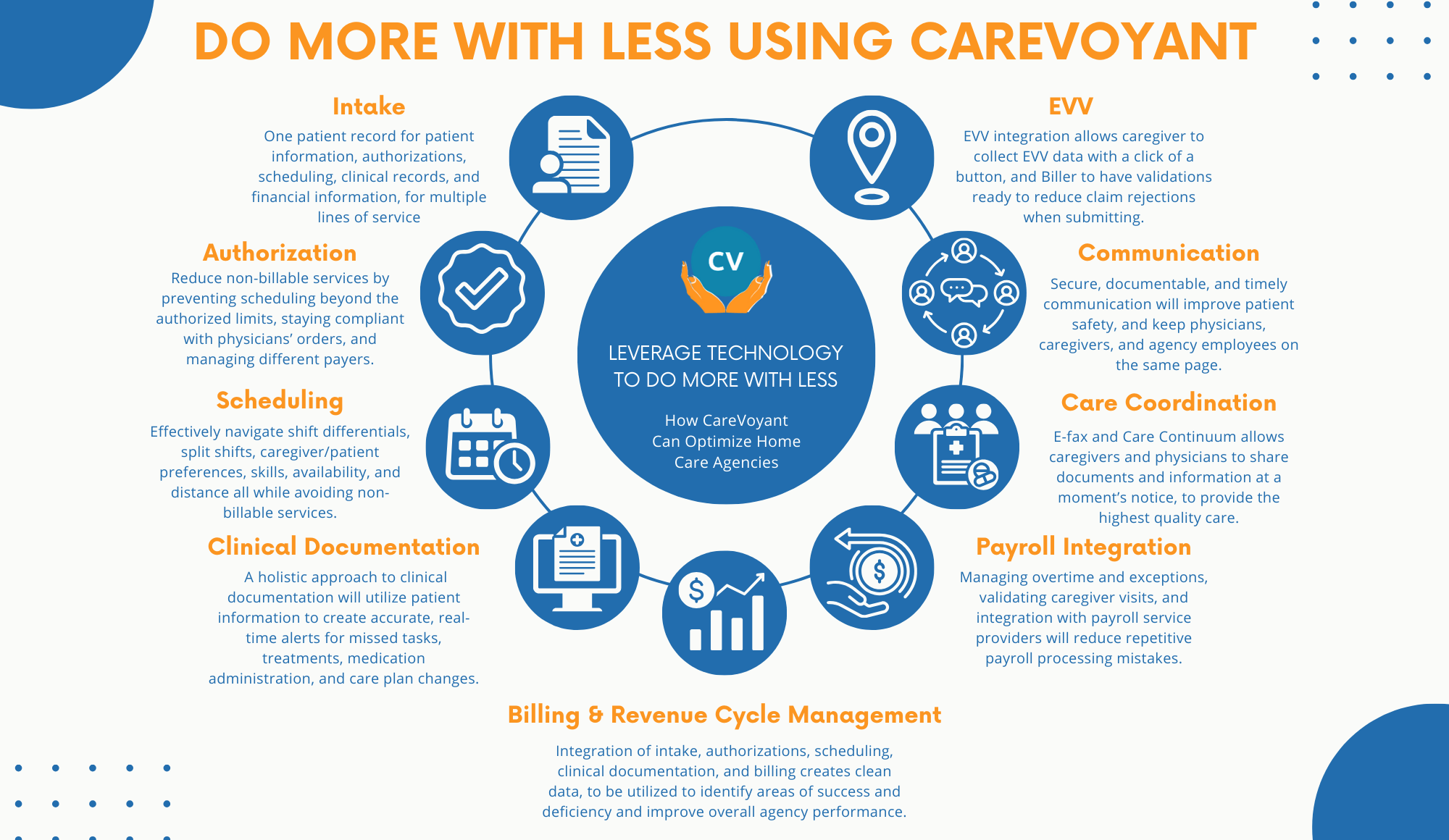
Selecting the right home care software is crucial for operational efficiency. Look for solutions that provide features like scheduling, billing, and compliance management. The U.S. home care software market is expected to grow to $5.3 billion by 2026 — clearly reflecting a growing dependence on technology among service providers. Key aspects to consider include:
- User-Friendliness: The software should be intuitive for both staff and clients.
- Integration: Make sure it works with existing systems like payroll and CRM platforms.
- Support and Training: Opt for vendors that offer ongoing support and training resources.
Using CRM Systems for Client Management
Customer Relationship Management (CRM) systems are essential for maintaining strong client relationships. A well-implemented CRM can help home care agencies track interactions, manage client data, and personalize communication. According to a 2024 report, organizations using CRM systems saw a 30% increase in client retention rates — that’s significant. Key functionalities of effective CRM systems include:
- Client Profiles: Centralized data on client preferences, health history, and service needs.
- Automated Communication: Scheduled reminders and follow-ups to enhance engagement.
- Analytics: Insights into client satisfaction and service effectiveness.
Leveraging Telehealth for Client Convenience
Telehealth solutions provide clients with accessible care options, cutting down on travel and enabling timely consultations. By 2025, the telehealth market is expected to reach $459.8 billion, which highlights its growing role. Implementing telehealth can streamline services through:
- Remote Monitoring: Continuous health assessments via wearable devices.
- Virtual Visits: Video consultations for non-emergency medical issues.
- Care Coordination: Improved communication between healthcare providers and caregivers.
Data Analytics for Improving Service Quality
Using data analytics can greatly enhance the quality of home care services. By analyzing service delivery metrics, agencies can spot areas for improvement and better meet client needs. For instance, a study found that agencies leveraging data analytics reported a 25% increase in client satisfaction scores. Key areas to analyze include:
- Service Delivery Times: Identify bottlenecks and optimize scheduling.
- Client Feedback: Regularly assess satisfaction through surveys and feedback forms.
- Health Outcomes: Track improvements in client health resulting from care interventions.
Many articles miss the significance of adaptive implementation when discussing home care technology. Just adopting new tools isn’t enough; agencies must also cultivate a culture that embraces continuous learning and adaptability. This includes training staff to effectively use technology and regularly revisiting operational processes to keep pace with technological advancements.
To make the most of these insights, home care agencies should start by evaluating their current technology stack. Identify gaps in service delivery and client management — then research and pilot solutions that meet operational needs. Regularly assess the impact of adopted technologies through client feedback and performance metrics (this is often overlooked) to ensure ongoing improvement and relevance in service offerings.
Frequently Asked Questions
What are the best marketing strategies for home care agencies?
Effective marketing strategies for home care agencies include digital marketing, community outreach, and networking with healthcare professionals. Utilizing social media and search engine optimization can also enhance visibility and attract potential clients.
How can I find clients for my home care business?
Finding clients for a home care business can be achieved through targeted advertising, building relationships with local hospitals, and attending community events. Additionally, leveraging online platforms and directories can help connect with those in need of services.
What are common mistakes to avoid when getting home care clients?
Common mistakes include neglecting to establish an online presence and failing to follow up with leads. Additionally, not understanding the specific needs of potential clients can hinder the ability to effectively market services.
How much does it cost to acquire a home care client?
The cost to acquire a home care client varies widely but typically ranges from $300 to $1,000, depending on marketing strategies and competition. Factors influencing this cost include advertising expenses and conversion rates.
What role do referrals play in getting home care clients?
Referrals are crucial in acquiring home care clients, as they build trust and credibility. Satisfied clients and healthcare professionals can provide valuable recommendations that significantly enhance client acquisition efforts.
How long does it take to get home care clients?
The timeline to acquire home care clients can vary, typically ranging from a few weeks to several months. Factors such as marketing effectiveness and local demand influence how quickly clients are secured.
What are the best platforms for advertising home care services?
Effective platforms for advertising home care services include Google Ads, Facebook, and local online directories. Additionally, health-related websites and community bulletin boards can also serve as valuable advertising channels.
Final Thoughts on how to get home care clients
Success in acquiring home care clients hinges on a multifaceted approach that combines strong online visibility, strategic networking with healthcare professionals, and effective client retention strategies. By avoiding common pitfalls and understanding the costs associated with client acquisition, agencies can position themselves for sustainable growth in a competitive market.
To capitalize on these insights, initiate a targeted online marketing campaign that leverages social media and search engine optimization to enhance your visibility and attract potential clients immediately.
Ready to elevate your home care business? Partner with a google ads expert to unlock proven strategies for attracting more clients today!
Mastering the art of client acquisition in home care is not just beneficial; it is essential for the longevity and success of your agency in a rapidly evolving industry.