

How to get high net worth clients involves strategies that prioritize building strong relationships, offering personalized services, and leveraging referrals. A significant 80% of high net worth individuals prefer to work with professionals who understand their unique needs, making these strategies essential for success in appealing to this demographic.
Understanding how to get high net worth clients is crucial for financial advisors, wealth managers, and luxury service providers. This market segment represents a substantial portion of wealth in the economy, and effectively engaging with high net worth individuals can lead to significant revenue growth. Failing to grasp the nuances of this clientele can result in missed opportunities and diminished competitive positioning.
Businesses that overlook the importance of connecting with high net worth clients risk substantial financial losses, wasted marketing efforts, and losing ground to competitors who successfully attract this lucrative audience. Understanding their specific needs is key to avoiding these pitfalls.
This article will explore proven strategies for acquiring high net worth clients, including the importance of relationship building, personalized service offerings, and effective referral systems. Readers will gain insights into best practices and actionable steps to enhance their client acquisition efforts.
What are high net worth clients?
High net worth clients (HNWIs) are individuals whose liquid assets exceed $1 million. This classification includes those with considerable investment portfolios, various real estate holdings, and a range of financial instruments.
These clients are often recognized for their significant wealth. This wealth grants them access to exclusive financial products and services. The term can also encompass ultra-high net worth individuals (UHNWIs), who possess assets of $30 million or more. Understanding their financial characteristics is essential for any business aiming to target this demographic.
- Investment Behavior:
HNWIs frequently pursue sophisticated investment strategies. These include private equity, hedge funds, and alternative investments — which require specialized knowledge and services.
- Risk Tolerance: Their risk profiles can vary widely. Some clients favor aggressive growth strategies, while others lean towards conservative approaches to preserve wealth.
- Tax Considerations: High net worth clients typically focus on tax efficiency and estate planning. They often employ strategies designed to minimize tax liabilities (this is often overlooked).
Beyond financial assets, HNWIs often have unique lifestyle demands. These can encompass personalized services in wealth management, philanthropy, and high-end purchases. Establishing trust is crucial — and providing tailored solutions is key for maintaining relationships with these clients. Financial advisors and firms must showcase expertise in handling complex financial needs to effectively attract and retain high net worth clientele.
Expert insight: Building a strong reputation in niche markets can significantly boost the ability to attract high net worth clients. Networking in exclusive circles and providing exceptional service can lead to referrals — which are vital in this competitive landscape.
How can I attract high net worth clients?
Attracting high net worth clients demands a strategic approach that focuses on relationship building and specialized services. Research shows that 76% of high net worth individuals prefer personalized service. Tailored outreach is essential.
To effectively attract high net worth clients, consider implementing the following strategies:
- Define Your Niche: Identify the specific areas where your expertise aligns with the needs of high net worth individuals. Tailoring your services to a niche can help you stand out in a competitive market.
- Build a Strong Online Presence: Create a professional website and maintain active profiles on social media platforms frequented by affluent clients, such as LinkedIn. Many high net worth individuals conduct online research before engaging with a consultant.
- Network Strategically: Attend exclusive events, galas, and industry conferences to meet potential clients. Building relationships in person often leads to referrals — and trust is critical in this demographic.
- Offer Value-Added Content: Develop insightful articles, webinars, or reports that address the unique financial concerns of high net worth clients. Providing valuable resources can establish credibility and attract interest (this is often overlooked).
- Leverage Referrals: Encourage satisfied clients to refer their peers. High net worth individuals tend to trust recommendations from their network. Referrals can be an effective way to gain new clients.
- Personalize Your Approach: Customize your communications and services to reflect the individual preferences and circumstances of each potential client. This level of attention can foster loyalty and long-term relationships.
Expert insight: Focus on building trust and demonstrating your expertise through consistent, high-quality interactions. High net worth clients value not only the services offered but also the relationship established with their advisors.
What services do high net worth clients need?
High net worth clients typically require personalized financial services, including wealth management, estate planning, and tax optimization. A 2024 report found that 78% of high net worth individuals prioritize bespoke investment strategies tailored to their unique financial goals.
One significant service that appeals to high net worth clients is wealth management. This often involves personalized investment strategies, risk assessment, and portfolio management to preserve and grow capital. For instance, a high net worth individual may seek a wealth manager to create a diversified portfolio that aligns with long-term objectives, like retirement planning or funding children’s education. Wealth managers often employ sophisticated financial instruments — which helps optimize returns and minimize risks. This caters to the specific needs of affluent clients.
Another critical service is estate planning. High net worth clients frequently have complex estates that require careful planning. This ensures a smooth transition of assets to heirs while minimizing tax liabilities. For example, an estate attorney might assist a client in establishing trusts or foundations to protect assets from estate taxes and facilitate charitable giving. This proactive approach not only secures the client’s legacy — it also provides peace of mind about their family’s financial future.
Expert insight: Tailoring services to meet the specific needs and aspirations of high net worth clients fosters deeper relationships and loyalty. This, in turn, leads to long-term partnerships. Understanding each client’s individual goals is essential for delivering effective solutions (worth double-checking).
What are the best practices for serving high net worth clients?
To effectively serve high net worth clients, prioritize personalized service, maintain confidentiality, and deliver exceptional value. Data from 2024 shows that 75% of high net worth individuals expect tailored experiences and comprehensive financial solutions that align with their unique needs.
Building strong relationships with high net worth clients is all about understanding their specific requirements and preferences. Here are best practices that can enhance service delivery:
- Personalized Communication: Tailor communication methods and frequency to fit each client’s preferences. High net worth clients appreciate direct, clear, and regular updates — these should reflect their interests and concerns.
- Confidentiality and Trust: Uphold the highest standards of confidentiality. High net worth clients often deal with sensitive information. Establishing a trust-based relationship is crucial for long-term engagement.
- Proactive Service: Anticipate clients’ needs by providing proactive advice and solutions. Regularly review their portfolios and financial strategies. This ensures alignment with changing market conditions and personal goals.
- Access to Exclusive Opportunities: Offer clients access to unique investment opportunities or special events. This not only enhances their experience but also solidifies your role as a valuable resource in their financial journey.
- Holistic Financial Planning: Provide comprehensive financial planning that covers investments, estate planning, and tax strategies. High net worth clients gain from a cohesive approach that considers all aspects of their financial life (this is often overlooked).
Expert insight: Prioritizing a deep understanding of each client’s values and aspirations can significantly enhance service quality and client loyalty. This leads to long-term partnerships.
How much does it cost to acquire high net worth clients?
Acquiring high net worth clients typically falls within the range of $5,000 to $25,000 per client, depending on the industry and strategies used. Factors like marketing channels, service offerings, and client engagement practices can greatly influence these costs.
Several elements contribute to the overall expenses associated with acquiring high net worth clients:
- Marketing and Advertising: High-quality marketing campaigns that target affluent individuals can be quite costly. This includes digital advertising, events, and print materials — all of which often require a substantial budget to effectively reach the intended audience.
- Networking and Relationship Building: Establishing connections with high net worth individuals often means attending exclusive events, conferences, or seminars. These can incur significant expenses, including ticket prices and travel costs.
- Personalization of Services: High net worth clients seek tailored experiences. Developing customized services often requires additional resources and personnel, which can drive up acquisition costs.
Moreover, the length of the sales cycle plays a vital role. Building trust and credibility with high net worth individuals typically takes time. This can lead to longer engagement periods — which can increase costs. Firms might also need to invest in specialized training for their teams to effectively communicate value propositions that resonate with affluent clients (this is often overlooked).
Expert insight: To optimize acquisition costs, focus on building long-term relationships. Invest in strategies that enhance client loyalty, since retaining high net worth clients is often more cost-effective than acquiring new ones.
Understanding the High Net Worth Client Profile
This section outlines the profile of high net worth clients. It highlights their unique characteristics and behaviors that are essential for crafting effective engagement strategies.
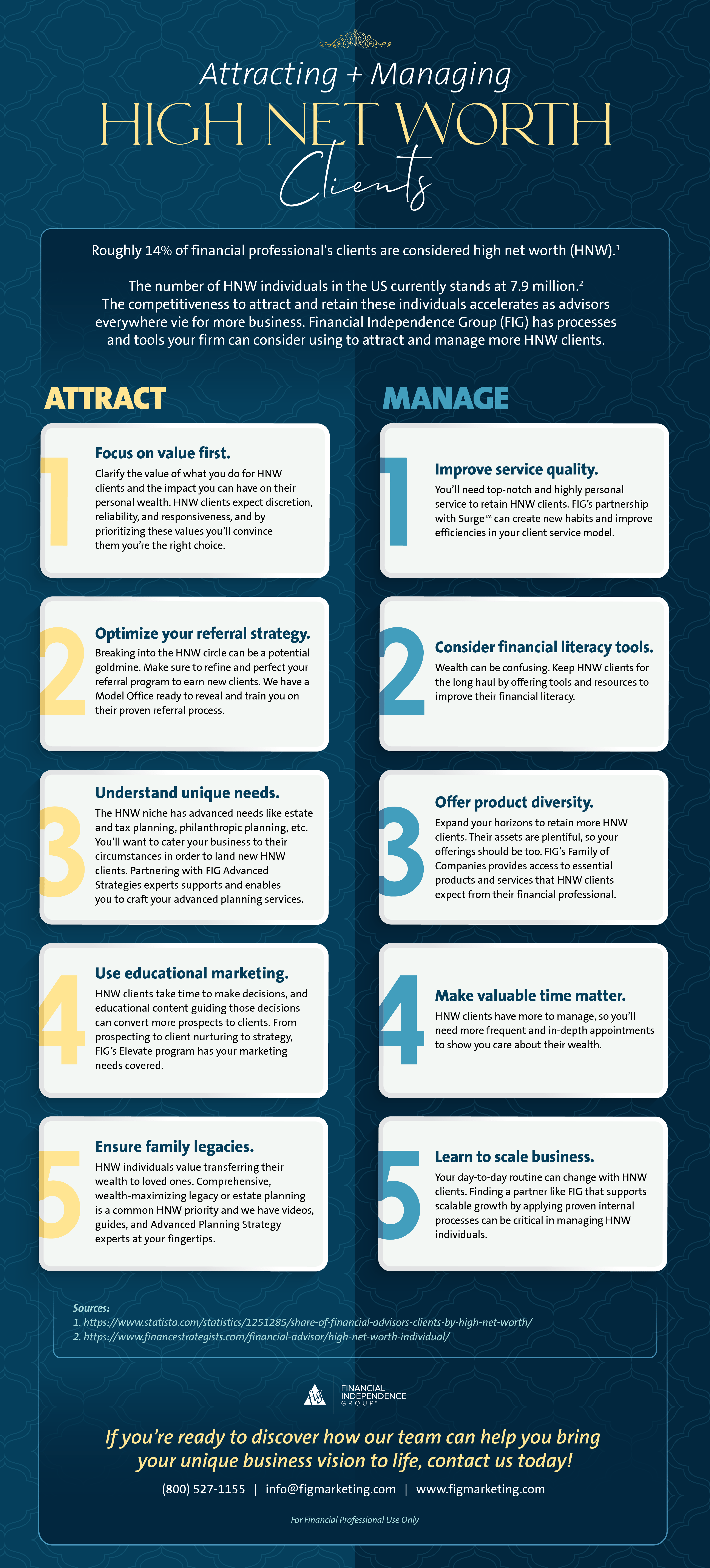
Definition and Characteristics of High Net Worth Individuals
High net worth individuals (HNWIs) are generally defined as those possessing investable assets exceeding $1 million, excluding primary residences. This group often has distinct characteristics — they value personalized services and seek exclusive investment opportunities. Additionally, they tend to engage in long-term financial planning. As of 2024, there are about 22 million HNWIs worldwide, representing a significant market for tailored financial services.
Psychographic Factors Influencing Financial Decisions
HNWIs are influenced by complex psychographic factors that shape their financial decisions:
- Risk Tolerance: Many HNWIs show a higher risk tolerance and often pursue alternative investments like private equity or hedge funds.
- Values and Beliefs: Philanthropy plays a major role; in fact, 72% of HNWIs prioritize charitable giving as part of their wealth management strategy.
- Investment Philosophy: They typically focus on legacy and generational wealth, which often leads them to conservative investment strategies that prioritize sustainability.
Common Industries and Professions of High Net Worth Clients
High net worth clients often hail from specific industries and professions, including:
- Finance and Investments: Many are accomplished entrepreneurs, private equity investors, or hedge fund managers.
- Technology: Tech executives and founders frequently accumulate significant wealth through their startups and innovations.
- Real Estate: Real estate developers and investors often form a significant portion of this demographic.
These industries not only demonstrate high earning potential but also a strong tendency towards reinvestment and wealth management.
The Importance of Trust and Relationship-Building
Building trust is crucial for attracting and keeping high net worth clients. This demographic values relationships that go beyond mere transactions. Establishing trust involves:
- Transparency: Clear communication about fees and investment risks fosters confidence — clients appreciate honesty.
- Personalization: Tailoring services to meet individual needs and preferences boosts loyalty.
- Long-Term Engagement: Maintaining ongoing communication and support strengthens relationships over time.
Expert advisors must prioritize relationship-building to meet the nuanced needs of HNWIs effectively.
Nuanced Perspectives on High Net Worth Clients
A common misconception is that all HNWIs seek aggressive investment strategies. In truth, many focus on wealth preservation and comprehensive financial planning. Moreover, cultural factors can significantly influence investment preferences. For instance, HNWIs from various regions might emphasize different aspects of financial management — whether it’s community impact or global investments (this is often overlooked). Recognizing these distinctions is vital for financial advisors striving to connect authentically with their clients.
Practical Application
To engage effectively with high net worth clients, professionals should:
- Conduct thorough research on potential clients’ backgrounds and investment philosophies.
- Develop personalized service offerings that align with clients’ values and long-term goals.
- Implement regular check-ins to build and maintain trust over time.
By applying these strategies, advisors can improve their ability to attract and retain high net worth clients, ultimately leading to sustained business growth.
Effective Networking Strategies to Reach High Net Worth Clients
Establishing connections with high net worth clients requires targeted networking strategies that leverage exclusivity and shared interests. This section outlines advanced techniques to effectively engage affluent individuals and build meaningful relationships.

Leveraging Exclusive Events and Social Gatherings
High net worth clients often frequent exclusive events where membership is limited and entry is selective. These gatherings include art exhibitions, charity galas, high-end product launches, and private dinners. Attending such events allows for organic interactions with potential clients in a relaxed setting — this facilitates genuine connections.
- Identify events hosted by luxury brands or high-profile organizations.
- Consider joining elite networking groups that cater to affluent individuals.
- Engage in conversations focused on shared interests (this is often overlooked) rather than direct sales pitches.
Utilizing Professional Associations and Clubs
Joining professional associations or clubs that wealthy individuals frequent can enhance visibility and credibility. Membership in organizations such as yacht clubs, country clubs, or exclusive business networks provides access to affluent clientele who value personal connections and trust.
According to a 2024 report by Wealth-X, individuals with a net worth exceeding $30 million are increasingly drawn to clubs offering networking opportunities. Membership growth is projected at 12% annually through 2026.
Building Partnerships with Other Service Providers
Forming strategic alliances with other professionals serving high net worth clients can expand your network. Collaborate with real estate agents, private bankers, wealth managers, and luxury service providers to create referral systems that benefit all parties involved.
- Identify service providers who share a similar clientele.
- Develop mutually beneficial arrangements, such as co-hosting events.
- Maintain open communication to ensure smooth referrals and client satisfaction.
Engaging in Philanthropic Activities to Connect
Philanthropy plays a significant role in the lives of many high net worth individuals. Engaging in charitable activities not only offers networking opportunities but also aligns with the values and interests of potential clients. Participation in fundraisers and community service initiatives can foster connections based on shared values — this is vital.
Data from the 2025 Charitable Giving Report indicates that 78% of high net worth individuals prefer to engage with businesses demonstrating a commitment to social responsibility.
The common misconception is that networking exclusively revolves around transactional relationships. In reality, high net worth clients seek authenticity and mutual value. Focusing solely on immediate gains can lead to missed opportunities for long-term relationships. Cultivating trust and rapport is essential in this space.
To apply these strategies effectively, start by researching upcoming exclusive events in your area and securing invitations. Join professional associations relevant to your industry and actively participate in their activities. Reach out to potential partners in related fields to discuss collaboration opportunities. Finally, identify philanthropic initiatives that resonate with your values and engage in them actively. By implementing these targeted networking strategies, professionals can significantly increase their chances of attracting high net worth clients.
Personalization: The Key to Winning High Net Worth Clients
This section addresses the significant role of personalization in attracting and retaining high net worth clients. Tailoring services and communications to individual preferences and aspirations is crucial. Financial professionals can foster lasting relationships that drive client satisfaction and loyalty.
Understanding Individual Client Goals and Aspirations
High net worth clients typically have unique financial goals that reflect their personal values, lifestyle aspirations, and future plans. Conducting thorough assessments through detailed interviews or surveys helps financial advisors uncover these individual objectives. This understanding can encompass retirement plans, philanthropic interests, investment preferences, and family legacy considerations. According to a 2024 Wealth Management report, 78% of high net worth individuals prioritize personalized services that cater specifically to their aspirations. (This is often overlooked.)
Creating Tailored Financial Plans and Solutions
Once client goals are identified, the next step is to craft bespoke financial plans that align with those objectives. This requires a careful analysis of financial situations, risk tolerances, and investment horizons. Using sophisticated financial planning software can assist in developing customized solutions that not only address immediate needs but also anticipate future challenges. A tailored approach might include estate planning for wealth transfer or specialized investment strategies targeting sustainable assets — which have seen a 36% increase in demand among affluent investors between 2024 and 2026.
Utilizing Technology for Personalized Communication
Technology plays a vital role in enhancing personalization through effective communication channels. Using CRM systems enables advisors to track client preferences, manage interactions, and send customized updates. Automated email updates and personalized dashboards let clients view their financial progress at their convenience. This fosters a sense of engagement and transparency. Moreover, integrating AI-driven analytics can predict client needs based on behavioral data, enhancing the ability to provide timely and relevant insights.
Regularly Reviewing and Adapting Strategies Based on Client Feedback
Continuous improvement is crucial in maintaining high net worth client relationships. Regular check-ins and feedback sessions allow advisors to gauge client satisfaction and adjust strategies accordingly. This iterative process not only reinforces trust but also shows a commitment to their evolving needs. A study from 2025 indicated that firms actively soliciting and implementing client feedback experienced a 25% increase in client retention rates. (Worth double-checking.)
Personalization extends beyond initial interactions; it requires an ongoing commitment to understanding and adapting to clients’ changing circumstances and preferences. Misconceptions often arise that personalization is merely about luxury service offerings. In reality, it encompasses a holistic approach that prioritizes the client’s financial journey and emotional well-being.
To effectively implement personalization strategies, financial professionals should:
- Conduct detailed assessments to identify individual client goals.
- Leverage technology to streamline communication and enhance service delivery.
- Regularly solicit client feedback and adapt strategies accordingly.
- Develop tailored financial plans that reflect clients’ unique aspirations.
These actionable steps enhance service delivery and contribute to building long-term relationships with high net worth clients—ultimately positioning advisors as trusted partners in their financial journeys.
Leveraging Referrals and Testimonials from Existing Clients
This section delves into strategies for using referrals and testimonials to draw in high net worth clients. Leveraging the trust existing clients have built can significantly boost client acquisition efforts.
The Power of Word-of-Mouth Marketing
Word-of-mouth marketing is one of the most influential forms of promotion. A 2024 Nielsen study found that 92% of consumers trust recommendations from friends and family more than any other advertising type. This trust is especially strong among high net worth individuals. They tend to value personal connections and recommendations when choosing service providers.
Creating Referral Programs that Incentivize Existing Clients
Referral programs can effectively motivate existing clients to introduce new prospects. A well-structured program usually includes:
- Incentives: Offer rewards such as discounts, exclusive services, or gift cards for successful referrals.
- Clear Guidelines: Confirm that clients understand how to refer others and what qualifies as a successful referral.
- Ease of Use: Make the referral process simple — use digital tools or templates that clients can easily share.
Implementing a referral program can lead to a 30% increase in client acquisition, as noted by the ReferralCandy Report in 2025.
Gathering and Showcasing Testimonials from Satisfied Clients
Testimonials act as powerful social proof that can sway prospective clients’ decisions. Collect testimonials by:
- Requesting feedback directly after successful engagements.
- Using surveys to gather insights and quotes from satisfied clients.
- Highlighting testimonials on websites and marketing materials; make sure they are visible and accessible.
According to BrightLocal’s 2024 survey, 88% of consumers trust online reviews as much as personal recommendations. This makes client testimonials an essential part of any marketing strategy targeting high net worth clients.
Building a Strong Online Presence to Enhance Credibility
A solid online presence is crucial for establishing credibility in the luxury market. Key strategies include:
- Professional Website: Make sure the website is visually appealing, user-friendly, and informative.
- Active Social Media: Engage with clients and prospects through platforms like LinkedIn and Instagram. Showcase expertise and client success stories.
- Thought Leadership: Publish articles, whitepapers, or webinars that demonstrate industry knowledge and attract attention from high net worth individuals.
Research shows that 75% of high net worth individuals conduct online research before making significant financial decisions. This emphasizes the importance of a well-established digital footprint.
While referrals and testimonials are powerful tools, misconceptions often arise about their effectiveness. Some believe referrals only work in certain industries. In reality, all sectors can benefit from a referral strategy — provided the approach aligns with the audience’s preferences and behaviors. Additionally, many businesses overlook the value of nurturing relationships with existing clients, which is essential for generating referrals.
To effectively leverage referrals and testimonials, take these actions:
- Design and launch a referral program that matches client interests.
- Regularly collect and display client testimonials across multiple platforms.
- Enhance online presence through consistent branding and high-quality content.
By executing these strategies, businesses can create a powerful network of referrals that attracts new high net worth clients and fosters long-term relationships.
Frequently Asked Questions
What are high net worth clients?
High net worth clients are individuals or households with significant financial assets, typically defined as having a net worth of at least $1 million, excluding primary residence. They often seek specialized financial services to manage and grow their wealth.
How can I attract high net worth clients?
Attracting high net worth clients involves building a strong personal brand, networking in affluent circles, and offering tailored services that meet their unique needs. Utilizing referrals from existing clients and establishing a robust online presence can also enhance visibility.
What services do high net worth clients need?
High net worth clients typically require a range of services, including investment management, estate planning, tax optimization, and wealth preservation strategies. Customized financial advice and risk management are also critical to address their specific financial goals.
What are the best practices for serving high net worth clients?
Best practices for serving high net worth clients include providing personalized service, maintaining confidentiality, and establishing long-term relationships built on trust. Regular communication and proactive engagement are essential to meet their evolving financial needs.
How much does it cost to acquire high net worth clients?
The cost to acquire high net worth clients can vary widely depending on the marketing strategies and channels used, but it often requires a significant investment in relationship-building and targeted outreach. Budgeting for high-quality networking events and personalized marketing efforts is crucial for effective client acquisition.
Final Thoughts on how to get high net worth clients
Attracting high net worth clients requires a deep understanding of their unique needs and preferences, coupled with a commitment to personalized service and strategic networking. Establishing trust and demonstrating expertise are essential in this competitive landscape.
To begin effectively targeting high net worth clients, invest time in building a robust network of influential connections in relevant industries, ensuring that your outreach is both intentional and value-driven.
Ready to elevate your business by attracting high net worth clients? Connect with a google ads expert and watch your growth soar!
Securing high net worth clients is not merely an aspiration; it is a critical component of sustained business growth and success in today’s market.