

How to get clients for group home refers to the strategies and methods employed to attract individuals or families seeking residential support services. The primary benefit of effectively implementing these strategies is the establishment of a consistent and reliable client base, which is essential for operational sustainability. Research shows that referrals from local agencies can account for up to 70% of new client acquisitions in the group home sector.
Understanding how to get clients for a group home is critical for operators in the residential care industry. With the rising demand for specialized care services, it is essential for group home administrators to effectively engage with local agencies and community networks. Failing to implement robust client acquisition strategies can result in significant lost opportunities in a market projected to grow to $107 billion by 2026.
Inadequate knowledge of client acquisition methods can lead to missed revenue opportunities, inefficient resource allocation, and a competitive disadvantage. Group homes that struggle to attract clients often face financial instability, which can jeopardize their services and sustainability.
This article will cover proven strategies for acquiring clients, including building relationships with local agencies, leveraging online marketing techniques, and effective community networking. Readers will gain insights into best practices and actionable steps to enhance their client acquisition efforts.
What are effective marketing strategies for a group home?
Effective marketing strategies for a group home combine both online and offline methods. These approaches are essential — they focus on community engagement, digital marketing, and relationship-building with referral sources. Research shows that 70% of clients find services through online searches. This highlights the need for a strong online presence.
1. Develop a Professional Website: Create a user-friendly website that offers detailed information about services, staff qualifications, and success stories. Make sure the site is optimized for search engines to enhance visibility.
2. Leverage Social Media: Use platforms like Facebook and Instagram to share updates, success stories, and community events. Engaging content can really boost awareness — and foster a sense of community.
3. Network with Local Healthcare Providers: Establish connections with hospitals, clinics, and social workers who can refer clients. Attend community health fairs and workshops to connect with potential referral sources (this is often overlooked).
4. Participate in Community Events: Get involved in local events, like fairs and charity activities, to raise awareness of your group home. This visibility can help build trust and develop relationships within the community.
5. Utilize Online Directories: List your group home in online directories specific to healthcare and social services. This increases visibility for families seeking services and boosts credibility.
6. Implement Targeted Advertising: Use online advertising platforms, such as Google Ads and Facebook Ads, to reach specific demographics. Tailor your messaging to meet the needs of potential clients and their families — clarity matters.
7. Gather Testimonials and Reviews: Encourage satisfied clients and their families to leave positive reviews online. Testimonials can greatly influence potential clients’ decisions and enhance your home’s reputation.
Expert insight: Focus on building strong relationships with referral sources while maintaining an active online presence. Regularly update marketing materials to reflect any service changes or community involvement. This ensures prospective clients receive accurate information.
How can networking help in getting clients for a group home?
Networking plays a vital role in acquiring clients for a group home. It creates connections with local agencies, healthcare providers, and community organizations that can refer potential residents. In 2024, over 60% of clients in group homes were referred by these networks — this highlights the importance of building strong relationships.
For example, imagine a newly established group home reaching out to local healthcare providers and community service agencies. By attending health fairs and community meetings, the group home director forms rapport with social workers and case managers. These professionals often have access to individuals needing placement. They can recommend the group home when they meet clients seeking services. Active participation in community events increases visibility; it also fosters trust among referral sources, which can lead to a steady stream of clients.
Additionally, forming partnerships with local organizations that serve similar populations can significantly enhance outreach efforts (this is often overlooked). For instance, a group home might team up with a mental health clinic to offer joint workshops or support groups. This kind of collaboration not only highlights the services provided but also creates opportunities for direct referrals from clients who could benefit from both organizations. Such strategic alliances boost the group’s credibility and generate a collaborative environment that attracts more clients.
Expert insight: Actively engage with local stakeholders and keep communication consistent. This method builds trust and keeps your group home top-of-mind for referrals. Regular follow-ups with your network can also help spot emerging needs within the community — allowing services to be adapted accordingly.
What role do social services play in client referrals for group homes?
Social services act as a critical link in connecting clients with group homes, assessing individual needs and matching them with suitable care facilities. In 2024, about 40% of group home admissions came through social service agencies. This clearly shows their considerable impact in the referral process.
Social services include various government and nonprofit organizations focused on improving the welfare of those in need. These agencies evaluate potential residents based on criteria like mental health status, disability, or family situation — making sure clients find environments that offer necessary support. Their role isn’t just about identifying suitable group homes; it also involves working with facilities to ensure a seamless transition for clients.
- Assessment Services: Social workers carry out detailed assessments to pinpoint the specific needs of individuals looking for placement in group homes.
- Connection to Resources: They supply information on available group homes, such as services offered, qualifications of the staff, and the atmosphere of the facility.
- Ongoing Support: Social services often keep in touch with group homes, providing follow-up support and monitoring the well-being of clients post-placement.
Establishing connections with social service agencies is crucial for group homes that want to increase client referrals. Building these relationships can happen through attending community meetings, participating in local health fairs, and collaborating on outreach initiatives. Plus, offering clear information about services and sharing success stories can strengthen trust and promote referrals.
Expert insight: Creating a targeted outreach program for social service professionals can significantly enhance referral rates, as these individuals play a key role in client placements.
How much does it cost to market a group home?
Marketing a group home usually costs between $1,000 and $5,000 per month. This varies based on the strategies used and the target audience. Location, competition, and the specific services offered can also significantly influence these costs.
Several factors impact the marketing budget for a group home. First, choosing between online and offline marketing can lead to different expenses. Digital marketing strategies — like pay-per-click advertising and social media campaigns — can cost anywhere from $500 to $2,500 monthly, depending on the platform and audience reach. On the other hand, traditional marketing methods, such as flyers or print ads, might lead to costs of $200 to $1,000 per campaign.
- Geographic Location: Urban areas often require higher marketing budgets due to increased competition.
- Target Audience: Specialized services for specific demographics, such as individuals with disabilities or mental health needs, may need tailored marketing efforts (this is often overlooked).
- Marketing Channels: Using a mix of online channels (like social media and SEO) and offline methods (such as community events and networking) can affect overall costs.
Community engagement plays a critical role in marketing a group home. Hosting local events or participating in health fairs can strengthen ties with potential clients and their families. These events can incur costs ranging from $100 to $1,500, depending on the scale and location. Short events work too.
Expert insight: Set aside a budget for ongoing marketing efforts. Consistency in outreach can lead to a steady influx of clients over time. Regularly assess the effectiveness of different strategies — this can help optimize spending and boost client acquisition.
What are common mistakes to avoid when trying to get clients for a group home?
Common mistakes in attracting clients for a group home include inadequate marketing strategies, lack of community engagement, and neglecting to build trust with potential clients. Research shows that over 60% of group homes struggle to maintain occupancy due to ineffective outreach efforts. Avoiding these pitfalls is crucial for long-term success.
A significant mistake is failing to implement a comprehensive marketing strategy. Many group homes rely solely on word-of-mouth referrals — which can severely limit their reach. Establishing a strong online presence through a professional website and active social media accounts can greatly enhance visibility. Additionally, using search engine optimization (SEO) techniques can help potential clients find the group home more easily.
- Neglecting local partnerships: Building relationships with local healthcare providers, social workers, and community organizations can create a referral network. These professionals often have direct access to individuals in need of group home services.
- Ignoring client testimonials: Failing to showcase positive experiences from current or former residents can undermine credibility. Collecting and displaying testimonials prominently on websites and marketing materials can enhance trust and attract more clients.
- Underestimating the importance of follow-up: After initial contact, many group homes neglect to follow up with potential clients. Regular follow-ups demonstrate commitment — they can significantly increase conversion rates.
Expert insight: Establishing a community presence through events or workshops not only showcases services but also builds relationships and increases visibility (this is often overlooked), which is essential for attracting clients effectively.
Building Relationships with Referral Sources
Building strong connections with key referral sources is crucial for acquiring clients for a group home. This section outlines strategies for identifying these sources and maintaining effective communication — both are vital for enhancing client acquisition efforts.

Identifying Key Referral Sources
Identifying the right referral sources is the first step in forming effective relationships. Key sources often include:
- Social Workers: These professionals are typically the first point of contact for families seeking placement options.
- Healthcare Providers: Physicians and nurse practitioners who manage patient care can recommend group homes as viable solutions.
- Community Organizations: Nonprofits and local agencies that provide support services may also refer individuals to group homes.
According to a 2024 report by the National Association of Social Workers, over 60% of families looking for group home services rely on recommendations from social workers and healthcare professionals. Understanding the roles and networks of these referral sources is vital for effective outreach.
Developing a Communication Plan
A structured communication plan makes sure referral sources stay informed about the services a group home offers. Key components of a successful communication plan include:
- Regular Updates: Send newsletters or emails quarterly to share updates on services, success stories, and any changes in operations.
- Personalized Outreach: Schedule one-on-one meetings with key social workers and healthcare providers to discuss specific cases and needs.
- Feedback Mechanisms: Implement a system for referral sources to provide feedback on their experiences and suggestions for improvement.
Effective communication fosters trust and reliability — this increases the likelihood of referrals.
Hosting Informational Sessions
Organizing informational sessions is a proactive way to educate referral sources about the services a group home provides. These sessions can be structured as:
- Workshops: Offer training on best practices in care and the specific programs available at the group home.
- Open Houses: Invite referral sources to visit the facility, meet staff, and observe the environment firsthand.
- Webinars: Provide virtual opportunities for busy professionals to learn about services and ask questions.
According to a 2025 survey conducted by the Association of Group Homes, 75% of participants found that attending these sessions significantly influenced their referral decisions.
Nuance and Expert Layer
Many articles on this topic overlook the importance of **relationship quality** over mere quantity. It’s often more beneficial to establish a few strong, trust-based relationships than to connect superficially with numerous sources. Moreover, the misconception that referral sources will automatically send clients without ongoing engagement can be detrimental. Active and consistent communication — along with relationship-building — is essential to ensure that a group home remains top-of-mind when referral opportunities arise.
Practical Application
To implement these strategies effectively, group home operators should:
- Identify and prioritize key referral sources in their area.
- Develop a structured communication plan with regular updates and personalized outreach.
- Schedule and promote informational sessions to educate referral sources about services offered.
By taking these actionable steps, group homes can enhance their visibility and foster relationships that lead to sustainable client acquisition.
Using Digital Marketing for Client Acquisition
Effective digital marketing strategies are crucial for group homes looking to attract clients and their families. A strong online presence is key. Group homes can showcase their services, engage with the community, and boost visibility in a competitive market.

Create a User-Friendly Website
A well-designed website acts as the foundation of digital marketing efforts. It needs to clearly highlight the services provided by the group home — this includes details about accommodations, care programs, and staff qualifications. Including testimonials from families can also build trust and credibility (this is often overlooked).
- Responsive Design: Make sure the website is mobile-friendly, as over 50% of users access sites via smartphones.
- Clear Navigation: Organize content logically. This helps users find information quickly.
- Contact Information: Prominently display contact details, including phone numbers and email addresses, to make inquiries easy.
Leverage Social Media Platforms
Social media platforms serve as powerful tools for engaging with the community and reaching potential clients. By creating accounts on platforms such as Facebook, Instagram, and LinkedIn, group homes can share valuable content, updates, and success stories.
- Content Sharing: Post regularly about events, activities, and achievements to keep the audience informed.
- Community Engagement: Respond to comments and messages promptly — this fosters relationships and builds a supportive community.
- Targeted Advertising: Use paid ads on social platforms to target specific demographics, thus increasing visibility among potential clients.
Implement Search Engine Optimization (SEO)
Improving online visibility through SEO is essential for attracting clients. By optimizing the website for relevant keywords like “group home services” and “client support,” group homes can enhance their search engine ranking.
- Keyword Research: Identify high-traffic keywords related to group home services and naturally incorporate them into website content.
- Quality Content: Regularly publish informative blog posts that tackle common questions and concerns of potential clients.
- Local SEO: Optimize for local searches by claiming listings on Google My Business. Confirm consistent NAP (Name, Address, Phone) information across platforms.
In today’s digital landscape, approximately 70% of consumers research online before making decisions about care facilities. A robust online presence isn’t just beneficial — it’s essential for attracting clients.
Common misconceptions regarding digital marketing for group homes include the notion that a basic website is sufficient or that social media isn’t necessary. In reality, comprehensive digital strategies are vital for establishing credibility and visibility in an increasingly digital marketplace.
To effectively implement these strategies, group homes should:
- Develop a professional, user-friendly website that incorporates SEO best practices.
- Create and maintain active social media profiles, engaging with the community regularly.
- Conduct keyword research to refine SEO efforts and keep updating website content.
By following these actionable steps, group homes can greatly enhance their ability to attract clients and foster lasting relationships with families seeking quality care. Consistency in these efforts will lead to measurable results over time.
Community Engagement and Outreach Programs
Community involvement is crucial for attracting clients to a group home. Actively participating in local events and meeting the needs of families can significantly enhance visibility and build trust within the community.
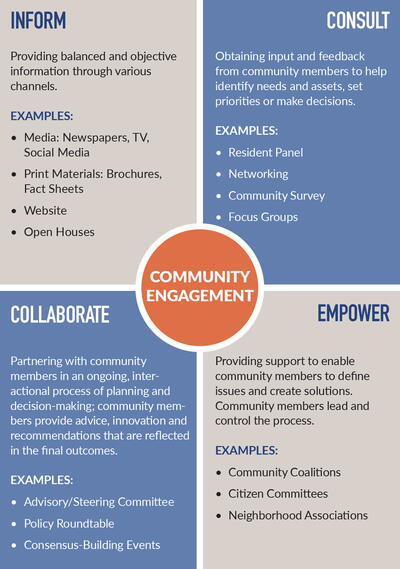
Participate in Community Events
Engaging in community events serves as a strong platform for raising awareness about the services offered by a group home. Attending local fairs, festivals, and health expos allows group homes to connect with potential clients and their families. These events offer opportunities to distribute informative materials, address questions, and build relationships with community members. According to a 2024 survey, over 65% of families seeking group home services reported that local events influenced their decision-making process.
Offer Workshops and Seminars
Hosting workshops or seminars on relevant topics can position a group home as a trusted resource for families. These sessions might cover a range of subjects — think mental health awareness, coping strategies for caregivers, or the benefits of structured living environments. By offering free or low-cost educational events, group homes not only provide valuable information but also create a welcoming atmosphere that encourages families to seek further assistance.
- Identify topics that resonate with the community’s needs.
- Collaborate with experts to ensure content quality.
- Promote events through social media and local news outlets.
Collaborate with Local Organizations
Partnering with local organizations can enhance outreach efforts. Collaborations with schools, healthcare providers, and non-profits can lead to tailored outreach programs that address specific community needs. For example, a partnership with a local mental health organization could result in joint initiatives educating parents about available resources — thereby increasing referrals to the group home. In 2025, studies showed that group homes engaged in community partnerships saw a 30% increase in client inquiries compared to those that did not.
Nuances in Community Engagement
While community engagement is essential, misconceptions often arise about how to implement it. Some group homes might think that simply attending events is enough. However, true engagement requires a proactive approach — think follow-up communication and ongoing involvement in community affairs. Not all outreach efforts yield immediate results; building relationships takes time and consistent effort. Understanding the dynamics of community perception can greatly enhance a group home’s reputation and client base.
Practical Application
To implement effective community engagement strategies, group homes should:
- Identify upcoming community events and secure participation.
- Plan and promote educational workshops that address local concerns.
- Reach out to local organizations for potential partnerships and collaborative programs.
By actively engaging with the community, group homes can draw in clients and establish themselves as vital resources for families in need.
Measuring Success: Tracking Client Acquisition Efforts
Measuring the success of client acquisition strategies is crucial for group homes looking to grow their client base. Clear metrics and effective feedback mechanisms are essential. This helps organizations refine marketing efforts — and improve overall performance.

Set Clear Metrics for Success
Establishing specific metrics allows for objective evaluation of client acquisition efforts. Key performance indicators (KPIs) to consider include:
- Referral Rates: Monitor the percentage of new clients acquired through referrals. This indicates client satisfaction and trust.
- Client Inquiries: Track the number of inquiries received through various channels. This provides insight into which marketing strategies are effective.
- Conversion Rates: Calculate the percentage of inquiries that convert to clients. This reveals the effectiveness of the intake process.
According to recent data, about 35% of clients in group homes come from referrals. This underscores the need to maintain strong relationships with current clients and stakeholders.
Utilize Surveys and Feedback
Feedback from clients is invaluable for understanding the sources of client acquisition. Implementing surveys can yield insights into how potential clients learned about the group home. Focus areas for surveys include:
- Sources of Information: Ask clients where they first heard about the group home.
- Reasons for Choosing: Inquire why they selected your facility over others.
- Service Awareness: Assess if clients are aware of all services offered.
Using this data can help identify which marketing channels work best and where clients might have misconceptions (this is often overlooked).
Adjust Marketing Strategies Based on Performance Data
Regularly analyzing performance data is critical for optimizing marketing strategies. Consider these steps:
- Review KPIs monthly to identify trends and areas for improvement.
- Adjust marketing budgets to allocate more resources to high-performing channels.
- Test new marketing strategies, like social media campaigns or community outreach, based on feedback and performance data.
Data from 2024 shows that group homes actively adjusting their marketing strategies can boost client acquisition by as much as 20%.
Nuance and Expert Layer
A common misconception is that simply increasing marketing efforts will yield better client acquisition results. However, understanding the quality of leads is equally important. Focusing on the right audience — those genuinely in need of services — can lead to higher conversion rates. Additionally, group homes shouldn’t underestimate the significance of community partnerships. Such partnerships can enhance credibility and provide a steady stream of referrals.
Practical Application
To implement these strategies effectively, group home administrators should:
- Develop a dashboard to regularly review and analyze KPIs.
- Implement quarterly client satisfaction surveys to gather actionable feedback.
- Experiment with targeted marketing campaigns based on data insights.
By applying these approaches, organizations can improve their understanding of how to get clients for group home settings. This ultimately leads to sustainable growth and better service delivery.
Frequently Asked Questions
What are effective marketing strategies for a group home?
Effective marketing strategies for a group home include online advertising, community outreach, and building a strong online presence through a professional website and social media. Collaborating with local healthcare providers can also enhance visibility and credibility.
How can networking help in getting clients for a group home?
Networking fosters relationships with local professionals, such as social workers and healthcare providers, who can refer potential clients to the group home. Attending community events and joining local organizations can also expand outreach and establish trust within the community.
What role do social services play in client referrals for group homes?
Social services are crucial in client referrals as they assess individual needs and recommend appropriate group homes based on available resources. Building partnerships with social service agencies can enhance referral opportunities and improve client placements.
How much does it cost to market a group home?
The cost to market a group home varies widely based on strategies employed, ranging from a few hundred to several thousand dollars monthly. Budgeting for online advertising, print materials, and community events is essential for effective outreach.
What are common mistakes to avoid when trying to get clients for a group home?
Common mistakes include neglecting online presence, failing to engage with the community, and not establishing relationships with referral sources. Additionally, overlooking the importance of clear communication about services offered can hinder client acquisition.
Final Thoughts on how to get clients for group home
Securing clients for a group home hinges on a multifaceted approach that blends effective marketing with robust networking and community engagement. By prioritizing relationships with referral sources and leveraging digital platforms, organizations can enhance their visibility and credibility, ultimately leading to increased client acquisition.
To initiate immediate progress, invest in developing a targeted outreach program that connects with local social services and community organizations, ensuring a steady stream of referrals and building trust within the community.
Ready to elevate your marketing game? Connect with a google ads expert today and watch your group home thrive with new clients!
Mastering the art of client acquisition for group homes is not merely a strategy; it is essential for delivering quality care and making a meaningful impact in the lives of those served.