
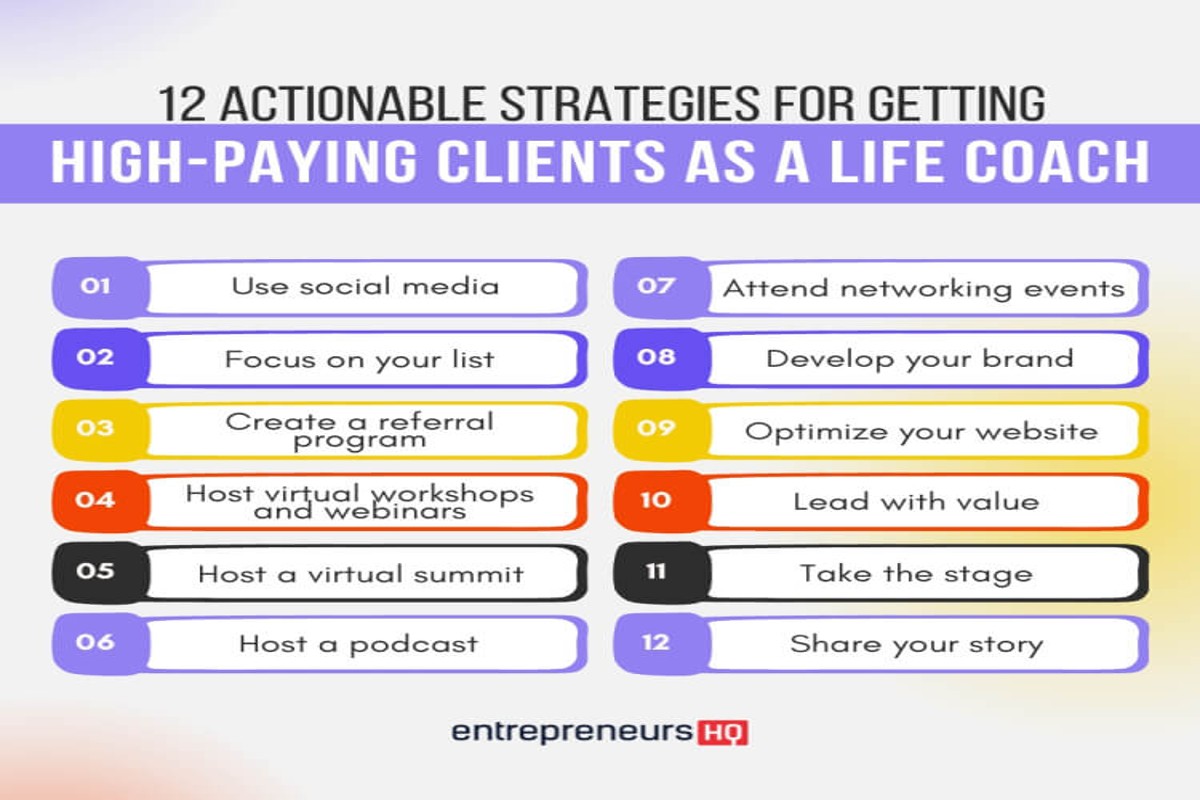
To get clients for a coaching business, professionals must establish a robust online presence, utilize social media effectively, and engage in networking. A significant 70% of coaches secure clients through referrals and their personal networks, highlighting the importance of relationship-building in this industry.
Understanding how to get clients for a coaching business is crucial for any coach looking to thrive in a competitive market. As the coaching industry continues to expand, with an estimated market size of $15 billion in 2021, effective client acquisition strategies are essential. Failing to implement these strategies can result in lost opportunities and hinder business growth.
Without a clear approach to attracting clients, coaching businesses risk significant revenue losses and may waste valuable resources on ineffective marketing efforts. This could lead to a competitive disadvantage in an increasingly saturated market.
This article provides a comprehensive overview of proven strategies for acquiring clients, including insights on building an online presence, leveraging social media platforms, and maximizing networking opportunities. Coaches will gain actionable tips that can drive success in their client acquisition efforts.
What are the best ways to attract clients for coaching?
Attracting clients for a coaching business relies on effective marketing strategies. A mix of online and offline channels can yield significant results. Recent data shows that 65% of coaches consider social media their main source for acquiring clients.
Building a strong personal brand is key. A well-defined brand fosters trust and recognition. Coaches should showcase their expertise across various platforms. Here are several proven strategies:
- Leverage Social Media: Use platforms like Instagram, LinkedIn, and Facebook to share valuable content, success stories, and client testimonials. Engaging with followers — through live sessions or Q&As — can also build community and spark interest.
- Content Marketing: Create a blog or podcast that addresses common pain points in your niche. Offering free resources, like e-books or webinars, positions you as an authority (this is often overlooked) and attracts potential clients.
- Networking and Referrals: Attend industry events, workshops, and seminars to connect with potential clients and other professionals. Satisfied clients can be your best advocates. Encourage them to refer friends or colleagues by offering incentives for successful referrals.
- Online Advertising: Invest in targeted ads on social media or search engines. A well-optimized campaign can reach individuals actively seeking coaching services. This often increases visibility and client inquiries.
- Email Marketing: Build an email list by offering free resources. Regularly share insights, tips, and special offers. Personalized communication not only nurtures relationships but also encourages leads to convert into clients.
Expert insight: Continuously evaluate and adjust marketing strategies based on performance metrics. This data-driven approach ensures resources are allocated effectively — maximizing client acquisition efforts.
How can I market my coaching services online?
To effectively market coaching services online, use a mix of social media engagement, content marketing, and targeted advertising. Research shows that 70% of consumers look to social media to learn about brands — this makes it a crucial platform for coaches.
Start by building a solid online presence through platforms like Instagram, LinkedIn, and Facebook. Post valuable content regularly. This content should showcase your expertise and engage your target audience. Use these platforms to share testimonials, success stories, and educational resources that highlight the benefits of your coaching services (this is often overlooked).
- Create a Professional Website: Develop a user-friendly website that outlines your coaching services, features client testimonials, and offers resources like blogs or videos. Make sure your website is optimized for search engines (SEO) to boost visibility.
- Leverage Content Marketing: Write articles, create videos, or host webinars that tackle common pain points of your target audience. This not only positions you as an expert — it also increases your chances of being discovered through organic search.
- Utilize Social Media Advertising: Invest in targeted ads on platforms like Facebook and Instagram to reach specific demographics. These ads can significantly drive traffic to your website or landing pages, enhancing your client acquisition potential.
- Engage in Online Communities: Participate in forums, Facebook groups, or LinkedIn discussions relevant to your niche. Offer helpful advice and insights, which can establish your authority and attract potential clients.
- Implement Email Marketing: Build an email list and send regular newsletters with valuable content, coaching tips, and special offers. Email marketing has a high return on investment — it’s an effective tool for client retention and acquisition.
Expert insight: Regularly analyze your marketing strategies using tools like Google Analytics to track performance and make data-driven adjustments. Continuously refining your approach based on measurable outcomes will greatly enhance your ability to attract and retain clients effectively.
What should I include in my coaching website to get clients?
A coaching website must have clear service descriptions, client testimonials, and a strong call-to-action (CTA) to attract clients effectively. Research shows that 75% of potential clients make decisions based on a professional’s online presence — these elements are critical for conversion.
First, detailed service descriptions are key. Each coaching package should outline specific benefits, methodologies, and expected outcomes. For instance, a life coach might offer packages aimed at personal development, career transitions, or relationship coaching. Clear descriptions help potential clients see what to expect and how these services address their needs.
Secondly, incorporating client testimonials adds credibility. Highlight success stories with measurable outcomes — such as “Client X achieved a promotion within three months of coaching.” This kind of social proof reassures visitors about the effectiveness of the services offered. Moreover, a strong CTA, like “Schedule Your Free Consultation Today,” should be prominently displayed on every page to guide visitors toward the next step.
Expert insight: Use a blog section to share valuable content related to your coaching niche. Regularly updated articles can enhance SEO and establish authority (this is often overlooked), helping to attract organic traffic and potential clients.
How long does it take to get clients in a coaching business?
On average, acquiring clients in a coaching business can take anywhere from three to six months. This timeline is influenced by factors like niche specialization, marketing efforts, and existing networks. These elements play a significant role.
Several factors affect the time frame for client acquisition in a coaching business. The specific coaching niche is crucial. Coaches who operate in high-demand areas — like wellness or career coaching — often draw clients faster. In contrast, those in niche markets with less visibility face greater challenges. The effectiveness of marketing strategies also determines how quickly clients can be secured. Using social media, content marketing, and networking events boosts visibility and credibility, which leads to quicker client engagement.
Additionally, the coach’s existing network and reputation matter a lot. Coaches with established connections in their industry or prior clientele often land clients faster than those starting from scratch. Moreover, the clarity of the coaching offer and its perceived value can sway potential clients’ choices. Coaches who effectively communicate their unique value proposition and showcase tangible results will likely attract clients sooner (this is often overlooked).
Expert insight: Building a robust online presence through consistent content creation and engagement can significantly shorten the client acquisition timeline. Make sure to focus on showcasing client testimonials and case studies — these enhance credibility and attract interest.
What is the average cost of coaching services?
The average cost of coaching services usually falls between $50 to $500 per hour. This can vary based on several factors: the coach’s experience, niche, and geographical location. Some coaches might offer package deals that lower the per-session cost. Conversely, high-demand coaches may charge even more.
Pricing for coaching services can be affected by several factors. These factors include:
- Experience and Credentials: Coaches with substantial experience or advanced certifications generally charge more. Their proven track record and expertise justify the higher rates.
- Niche Specialization: Coaches specializing in areas like executive coaching or life coaching can have different rates. This often depends on demand and the perceived value of their services.
- Session Format: One-on-one sessions typically cost more than group coaching sessions. Also, remote coaching might be priced differently than in-person sessions — this is often overlooked.
- Geographical Location: Pricing can fluctuate significantly based on location. Urban areas often have higher rates when compared to rural settings.
Clients also hold various expectations regarding what they’ll get for their investment. Higher-priced coaching services often include additional perks, like personalized resources, ongoing support, and exclusive materials. In contrast, lower-priced options might offer basic coaching without extensive follow-up or tailored resources.
Expert insight: When determining prices for coaching services, it’s wise to conduct market research. Understanding local rates and client expectations can help establish competitive pricing. This approach ensures that the perceived value aligns with the services offered.
How important is networking for getting coaching clients?
Networking is crucial for getting coaching clients. Roughly 80% of clients originate from referrals and personal connections. Establishing a strong professional network can greatly enhance visibility — and that boosts credibility, leading to more opportunities for acquiring clients.
Networking is about creating and nurturing relationships with individuals and groups that can offer support, advice, and potential client referrals. For coaching professionals, this often means attending industry conferences, participating in local business events, or engaging within online communities. The connections formed through networking may lead to collaborations, partnerships, and direct referrals — all essential for a thriving coaching practice.
Effective networking strategies include:
- Building Relationships: Focus on cultivating genuine relationships rather than just transactional interactions; trust is a critical factor in coaching.
- Leveraging Social Media: Use platforms like LinkedIn to connect with potential clients and industry professionals. Sharing valuable content can help showcase expertise.
- Joining Professional Organizations: Become a member of coaching associations or local business groups. This provides access to resources and helps connect with like-minded professionals.
Networking also means following up with contacts and providing them with value. By sharing insights, resources, or opportunities, coaches can position themselves as valuable connections. This increases the likelihood of referrals. Regularly engaging with one’s network fosters a sense of community — and can lead to long-lasting professional relationships.
Expert insight: Prioritize quality over quantity in networking efforts. A few strong, trust-based relationships can often be more valuable than a large number of superficial connections.
What common mistakes should I avoid when trying to get coaching clients?
Many coaching businesses face challenges in attracting clients due to several common mistakes. Avoiding these pitfalls can greatly improve client acquisition efforts. In fact, about 75% of new coaches find it tough to establish a client base within the first year.
One major mistake is not defining a clear target audience. Coaches often market themselves too broadly, which dilutes their message. This makes it harder for potential clients to connect with their services. By narrowing down to a specific niche, coaches can effectively tailor their marketing strategies, ensuring their messaging resonates with the right individuals.
- Neglecting online presence: In 2024, 80% of clients research coaches online before making a decision. A professional website and active social media profiles are crucial for establishing credibility and visibility.
- Ignoring client testimonials: Social proof is powerful. Coaches should actively seek out and display testimonials and case studies from previous clients — this builds trust and showcases effectiveness.
- Overlooking networking opportunities: Coaches often underestimate the power of personal connections. Attending industry events, workshops, or local networking groups can lead to valuable referrals and partnerships. (This is often overlooked.)
- Underpricing services: Setting prices too low can suggest a lack of confidence or expertise. Researching market rates and positioning services appropriately can attract clients who value quality and are ready to invest.
Expert insight: Focus on building relationships instead of just selling services. Engaging with potential clients through valuable content — such as webinars or free resources — can establish authority and foster trust, ultimately leading to client acquisition.
Building a Personal Brand as a Coach
Establishing a strong personal brand is essential for coaches looking to attract clients. This section explores the intricacies of personal branding, how to create a unique value proposition, and why authenticity in messaging matters.

Defining Personal Branding in Coaching
Personal branding involves developing a distinct identity that reflects a coach’s values, expertise, and personality. In the coaching industry, a clear personal brand can set a coach apart from competitors. It makes it easier to connect with potential clients. According to a 2024 survey, 70% of coaching clients chose their coach based on their perceived alignment with the coach’s brand.
Creating a Unique Value Proposition
A unique value proposition (UVP) outlines what differentiates a coach from others. This statement should make clear the specific benefits clients can expect and the problems the coach is uniquely positioned to solve. To create a compelling UVP, consider these steps:
- Identify Target Audience: Understand who the ideal clients are and their specific needs.
- Assess Strengths and Expertise: Reflect on your personal strengths, coaching techniques, and areas of specialization.
- Craft the UVP Statement: Combine insights about the audience and personal expertise into a concise statement highlighting the unique benefits offered.
The Role of Authenticity in Personal Branding
Authenticity is crucial in personal branding. Clients increasingly seek coaches who resonate with their values and experiences. Being genuine fosters trust and builds rapport — both essential for a successful coaching relationship. A 2025 study found that 85% of clients prefer working with coaches who present an authentic image and engage transparently.
Consistent Messaging Across Platforms
Consistency in messaging across various platforms boosts brand recognition and strengthens credibility. Coaches must confirm that their branding elements—like logos, color schemes, and tone of voice—stay uniform across social media, websites, and promotional materials. Key strategies for achieving consistency include:
- Developing a style guide detailing visual and verbal branding elements.
- Regularly updating profiles to reflect current offerings and personal insights.
- Engaging with followers consistently to reinforce the brand message.
Many misunderstand personal branding as purely self-promotion. In reality, effective personal branding focuses on creating value for clients through relatable stories, insights, and clear demonstrations of expertise. Coaches must recognize that personal branding is an ongoing process — one requiring continual refinement and adaptation to market changes.
To leverage this information effectively, coaches should take actionable steps: develop a clear UVP, create a style guide for consistent messaging, and engage authentically with their audience. Regularly solicit feedback from clients to refine the personal brand, ensuring it resonates with the target market. By employing these strategies, coaches can attract and retain clients, ultimately enhancing their business growth.
Leveraging Social Media for Client Acquisition
Social media acts as a powerful tool for coaches looking to attract clients. Understanding the nuances of different platforms is crucial, and tailoring content can significantly engage potential clients. Building a robust online community is essential.

Identifying the Best Social Media Platforms
Choosing the right social media platforms is key to maximizing reach and engagement. The following platforms are particularly effective for coaches:
- Instagram: This platform is ideal for visual storytelling. It’s great for showcasing client transformations and sharing motivational content.
- LinkedIn: The best option for professional networking, establishing authority, and connecting with businesses or corporate clients.
- Facebook: Useful for building communities through groups and hosting events — this allows for deeper connections with potential clients.
- YouTube: An effective way to share in-depth content, tutorials, and testimonials. This can enhance credibility and trust among viewers.
Content Types That Resonate with Potential Clients
Creating the right type of content is vital for engaging potential clients. Consider the following content formats:
- Educational Posts: Share tips, strategies, and insights relevant to your niche. Such posts establish authority and provide value.
- Client Testimonials: Showcase success stories to build trust. These demonstrate coaching effectiveness.
- Live Q&A Sessions: Host sessions to answer questions. This provides real-time engagement and showcases expertise.
- Interactive Content: Use polls, quizzes, and challenges to engage your audience. This encourages participation.
According to recent data, 67% of consumers report they are more likely to make a purchase after engaging with a brand on social media — a clear indicator of effective content’s importance.
Engaging with Followers and Building a Community
Engagement involves more than just posting content; active interaction with followers is crucial. Strategies for building a community include:
- Responding Promptly: Engage with comments and messages quickly to foster a sense of connection. This shows responsiveness.
- Creating Community-Centric Content: Encourage discussions around shared interests or challenges. This makes followers feel valued and included.
- Encouraging User-Generated Content: Prompt followers to share their experiences or results. This can enhance community spirit and provide social proof.
Building a community not only increases loyalty — it can also lead to referrals, significantly expanding the client base.
Using Ads to Reach a Broader Audience
Social media advertising amplifies outreach and targets specific demographics. Key components include:
- Targeted Ads: Use demographic targeting to reach potential clients based on age, interests, and location.
- Retargeting Campaigns: Re-engage users who have interacted with your content but haven’t yet converted into clients.
- Budget Allocation: Allocate a budget wisely. Start small to test different ad formats and audiences before scaling successful campaigns.
Current statistics show that social media ad spending is projected to exceed $200 billion by 2026. This underscores its growing importance in client acquisition strategies.
Many coaches overlook consistency and authenticity in their social media efforts. Creating a content calendar can streamline the posting schedule and ensure messaging aligns with brand values. Additionally, some mistakenly think that only promotional content is effective. However, a balanced approach that mixes promotional, educational, and personal content typically yields better results.
To effectively leverage social media for client acquisition, coaches should take the following actions:
- Choose platforms that align with your target audience.
- Create a diverse content strategy that incorporates various formats.
- Engage actively with followers to foster community.
- Invest in targeted advertising to expand reach.
Implementing these strategies will significantly enhance the ability to attract clients and grow the coaching business.
Networking Strategies for Coaches
Networking serves as a cornerstone for establishing a successful coaching business. Building authentic relationships can lead to increased visibility, referrals, and opportunities for collaboration. It’s essential.

Benefits of Networking in the Coaching Industry
Networking offers several advantages unique to the coaching sector:
- Client Referrals: Connections with other professionals can lead to referrals — expanding your client base significantly.
- Collaborative Opportunities: Networking opens doors for partnerships, workshops, and joint ventures that enhance credibility and reach. This is crucial.
- Market Insights: Engaging with peers provides valuable insights into industry trends and client needs (this is often overlooked), helping to refine services.
Tips for Attending Industry Events and Workshops
Participating in events is an effective way to network. Here are key strategies:
- Research Events: Identify events that align with your niche and target audience. Look for workshops, conferences, and seminars relevant to your coaching specialty.
- Prepare Your Elevator Pitch: Develop a concise introduction that clearly communicates your coaching focus and value proposition. Keep it sharp.
- Engage Actively: Attend sessions, ask questions, and participate in discussions. This shows your interest and expertise.
Online Networking Opportunities
The digital landscape offers a wealth of networking options. Platforms like LinkedIn are particularly effective for coaches aiming to connect with potential clients and other professionals.
- Optimize Your Profile: Make sure your LinkedIn profile is complete and reflects your coaching services — include a professional photo and engaging summary.
- Join Relevant Groups: Participate in groups related to coaching and your specific niche. Engage in discussions and share insights to establish authority. This is beneficial.
- Connect Strategically: Send personalized connection requests to individuals you meet online or at events, emphasizing common interests.
Following Up and Maintaining Connections
Building a network is only the first step; maintaining those connections is equally crucial:
- Follow-Up Messages: Send a thank-you note or a follow-up message shortly after meeting someone. Reference specific discussions to personalize your message.
- Regular Check-Ins: Schedule periodic check-ins with your contacts. Share relevant articles, insights, or just ask how they’re doing.
- Invite Engagement: Consider inviting connections to webinars or offering free resources that align with their interests.
Many coaches underestimate the impact of networking. They often focus solely on direct marketing. However, building genuine relationships can lead to organic growth through referrals and collaborations. For instance, a study by the International Coach Federation found that 80% of coaches reported gaining clients through referrals. This emphasizes the power of networking.
To effectively leverage networking for client acquisition, coaches should actively participate in industry events, optimize online profiles, and maintain connections through regular communication. Implementing these strategies can significantly enhance visibility and lead to sustainable client relationships. Start by identifying three upcoming events or online groups to join. Prepare your introductory message to maximize your networking efforts.
Creating Compelling Offers and Packages
This section explores the key components of crafting coaching offers that genuinely resonate with potential clients. Understanding client needs is crucial. By structuring packages effectively, coaches can create enticing propositions that foster engagement and lead to conversions.

Understanding Client Needs
Effective coaching offers originate from a solid grasp of client needs and pain points. Conducting in-depth market research is a must. This involves executing surveys, interviews, and engaging on social media to gather insights on what potential clients truly seek. A 2024 report by the International Coaching Federation revealed that 76% of clients prefer personalized solutions — not generic offerings. Coaches must pinpoint specific challenges their target audience faces, like career transitions, personal growth, or wellness, to tailor their services accordingly.
Structuring Coaching Packages
Structuring coaching packages requires a clear outline of services, duration, and pricing. Packages should be tiered to accommodate different client needs and budgets. A typical approach involves:
- Basic Package: Introductory sessions offered at a lower price point, aimed at attracting new clients.
- Standard Package: A comprehensive offering that includes multiple sessions along with additional resources, such as worksheets or access to webinars.
- Premium Package: An all-inclusive option that may encompass personalized coaching, unlimited email support, and exclusive materials.
Establishing clear outcomes for each package boosts perceived value. For instance, a coaching package centered on career advancement might guarantee a specific number of interview opportunities — or even job offers — within a set timeframe.
The Role of Testimonials and Case Studies
Testimonials and case studies play a vital role in establishing trust and credibility. A 2023 survey by BrightLocal found that 79% of consumers regard online reviews as trustworthy as personal recommendations. Presenting real-life success stories demonstrates the effectiveness of coaching services. It’s essential to include detailed case studies that describe client challenges, the coaching process, and measurable results. Highlighting quantitative outcomes, such as a 50% boost in client satisfaction ratings, emphasizes the value of the coaching relationship.
Examples of Successful Coaching Offers
Examining successful coaching offers can yield valuable insights. For example, life coach Marie Forleo provides a “B-School” program, blending online courses, community support, and interactive workshops. This multi-faceted strategy results in a compelling value proposition that attracts aspiring entrepreneurs. Likewise, health coach Amanda Tress offers tiered packages featuring one-on-one coaching, meal plans, and fitness routines, clearly outlining the benefits clients can expect.
Beyond basic offerings, incorporating flexible payment options—like installment plans or subscription models—can further enhance accessibility and client acquisition.
Common misconceptions surrounding coaching packages often stem from the idea that more offerings translate to better results. However, simplicity and clarity resonate more effectively with clients. Clear communication of each package’s benefits and outcomes can help reduce confusion.
To apply this information effectively:
- Conduct client surveys to pinpoint specific needs and preferences.
- Develop tiered coaching packages that cater to various client demographics.
- Gather and showcase testimonials and case studies that highlight client successes.
- Review successful coaching programs to refine your offers.
These steps will provide a structured approach to creating compelling offers — ultimately aiding in attracting clients for a coaching business.
Frequently Asked Questions
What are the best ways to attract clients for coaching?
Effective methods to attract clients include leveraging social media, offering free workshops, and creating valuable content. Building a strong personal brand and establishing credibility through testimonials also play a crucial role.
How can I market my coaching services online?
Marketing coaching services online can be achieved through targeted social media advertising, search engine optimization (SEO), and content marketing. Utilizing email newsletters and online coaching platforms can further enhance visibility and reach.
What should I include in my coaching website to get clients?
A coaching website should feature clear service descriptions, client testimonials, and a professional bio. Including a blog with valuable insights and a straightforward contact form can also help convert visitors into clients.
How long does it take to get clients in a coaching business?
The time it takes to acquire clients in a coaching business varies widely, often ranging from a few weeks to several months. Factors influencing this timeline include marketing strategies, niche, and personal network.
What is the average cost of coaching services?
The average cost of coaching services typically ranges from $50 to $300 per hour, depending on the coach’s experience and niche. Some coaches may offer packages or monthly retainer options that can affect overall pricing.
How important is networking for getting coaching clients?
Networking is crucial for acquiring coaching clients, as it helps build relationships and establish trust. Engaging with professional groups and attending industry events can significantly enhance visibility and client referrals.
What common mistakes should I avoid when trying to get coaching clients?
Common mistakes include failing to define a target market, neglecting online presence, and not following up with leads. Additionally, underpricing services can undermine perceived value and hinder client acquisition.
Final Thoughts on how to get clients for coaching business
Attracting clients in the coaching industry hinges on a strategic blend of personal branding, effective online marketing, and robust networking. By positioning oneself as an authority and utilizing targeted outreach, coaches can create a sustainable client acquisition pipeline that fosters growth and credibility.
To take immediate action, develop a comprehensive social media strategy that highlights your expertise and engages potential clients through valuable content, ensuring to incorporate calls to action that prompt engagement and inquiries.
Ready to elevate your coaching business? Connect with a google ads expert today and watch your client base grow!
Mastering client acquisition is not just essential for business success; it is the cornerstone of transforming lives through impactful coaching.