
How to get clients as an event planner involves strategies for attracting and securing clients in the event planning industry. A strong online presence, community networking, and effective use of social media are crucial, as referrals account for approximately 80% of clients in this field.
Understanding how to get clients as an event planner is essential for anyone seeking to thrive in this competitive industry. With the global event planning market projected to reach $1,135 billion by 2026, mastering client acquisition can significantly impact career success and business sustainability. Failure to implement effective strategies may lead to missed opportunities and hinder growth potential.
Neglecting the importance of client acquisition can result in substantial financial losses, wasted marketing resources, and a competitive disadvantage in a saturated market. Event planners who do not adapt may struggle to maintain a steady flow of business, ultimately affecting their bottom line.
This article will provide actionable insights on how to get clients as an event planner, including best practices for networking, leveraging social media, and optimizing online presence for maximum visibility.
What are the best ways to find clients as an event planner?
Finding clients as an event planner needs a strategic approach that emphasizes networking, building an online presence, and effectively using social media. Industry reports indicate that 70% of event planners see referrals and personal connections as their main source of clients.
Networking is essential for event planners. Attend industry conferences, trade shows, and local business events to meet potential clients and collaborators. Establish connections with vendors, venues, and other professionals in the event space. Joining professional associations, like the International Live Events Association (ILEA) or Meeting Professionals International (MPI), can provide valuable networking opportunities and resources (this is often overlooked).
- Build an online presence: Create a professional website to showcase your portfolio, testimonials, and services. Make sure to optimize your site for search engines to improve visibility. A well-structured website can attract clients actively looking for event planning services.
- Utilize social media: Use platforms like Instagram, Facebook, and LinkedIn to showcase your work and engage with potential clients. Regularly post high-quality images from past events, behind-the-scenes content, and client testimonials to build credibility and spark interest.
- Offer free workshops or webinars: Host events that provide valuable insights into event planning. This not only positions you as an expert — but it also allows you to connect directly with potential clients, showing your knowledge and capabilities.
- Partner with complementary businesses: Form alliances with vendors such as caterers, photographers, and florists. Cross-promote each other’s services to expand your reach and tap into new client bases.
Expert insight: Focus on creating a strong referral network. Satisfied clients and industry contacts can be your best marketing tools. Regular follow-ups with past clients can also lead to repeat business and referrals — this is crucial for long-term success.
How can I market my event planning services effectively?
To market event planning services effectively, use a mix of digital marketing strategies. This includes search engine optimization (SEO), content marketing, and social media advertising. Research shows that 70% of event planners consider social media essential for expanding their client base.
Start by optimizing your website for search engines. Identify relevant keywords related to your services — think “event planning,” “corporate events,” or “wedding planning” — and weave them into your website content, meta descriptions, and titles. Create high-quality, informative content that meets your target audience’s needs. This can improve your organic search rankings and drive more traffic to your site.
- Leverage SEO:
Invest time in keyword research and optimize your website. Use tools like Google Keyword Planner to find terms that potential clients search for often.
- Engage in content marketing: Create informative articles, blogs, or videos that highlight your expertise. Share insights on event trends, planning tips, or case studies from past events — this establishes authority in the industry.
- Utilize social media advertising: Identify platforms where your target clients are active, like Instagram, Facebook, or LinkedIn. Use targeted ads to reach potential customers based on demographics, interests, and behaviors.
- Network online: Join online forums and groups focused on event planning. Engage with potential clients and other industry professionals. Building relationships increases visibility.
- Gather testimonials: Encourage past clients to provide reviews or testimonials. Positive feedback can greatly influence potential clients’ decisions when choosing an event planner — this is often crucial.
Expert insight: Regularly analyze your marketing strategies with analytics tools to track performance. Make adjustments based on data insights to ensure continued growth in your client base.
What should I include in my event planning portfolio?
An effective event planning portfolio should include high-quality images, detailed descriptions of past events, and client testimonials. Aim for at least five to ten events. This range showcases different styles and formats, demonstrating both versatility and experience.
Visuals play a critical role in an event planning portfolio. For instance, consider a wedding event with a lush floral arrangement and elegant table settings. High-resolution images from various angles capture the ambiance and attention to detail. Accompany each photo with a brief description outlining the event’s objectives, challenges faced, and how they were overcome. This not only illustrates creativity but also shows problem-solving skills — a vital aspect in this field.
Additionally, client testimonials can really enhance credibility. For example, a quote from a satisfied couple stating, “Our wedding exceeded our wildest dreams, thanks to [Your Name]’s impeccable planning and execution,” adds a personal touch. Including a mix of written testimonials and video clips can provide prospective clients with a sense of trust and assurance in your capabilities. Presenting a diverse range of events — corporate functions, social gatherings, and weddings — demonstrates adaptability and proficiency in various event types (this is often overlooked).
Expert insight: Regularly update your portfolio with recent projects to reflect current trends and your evolving skills. A dynamic portfolio not only attracts clients but also shows commitment to staying relevant in the event planning industry.
How much should I charge for event planning services?
Event planners usually charge between $50 to $150 per hour or a flat fee ranging from $1,500 to $10,000. This varies based on the event’s scope. Factors like location, expertise, and market demand play a significant role in determining these rates.
Several key factors influence the pricing of event planning services:
- Experience: Planners with more experience command higher fees. Their established reputation and proven track record are big draws.
- Event Complexity: The complexity of the event matters. The number of attendees, type of venue, and specific client requests all directly impact pricing.
- Market Rates: Local market conditions are crucial. Urban areas with high demand for event services often see higher rates compared to rural locations (this is often overlooked).
- Service Package: Comprehensive services, like vendor management and logistics, will generally warrant higher charges. Basic planning doesn’t usually cut it.
Moreover, the type of event—corporate, social, or wedding—can dictate pricing structures. Weddings, for instance, often come with heightened expectations and need more detailed planning. This justifies the higher fees. It’s essential to conduct thorough market research to gauge competitive pricing in your area. Make sure your services remain attractive and profitable.
Expert insight: Establishing tiered pricing packages can cater to varying client budgets. This allows for flexibility while ensuring profitability for different types of events.
How long does it take to get clients as an event planner?
Typically, it takes between three to six months to secure clients as an event planner. This timeframe can vary quite a bit — depending on marketing strategies, networking efforts, and industry demand.
Several factors influence the timeline for acquiring clients. First, the effectiveness of marketing efforts plays a crucial role. Planners who invest in targeted advertising, social media promotion, and a professional website often see quicker results. For instance, planners who use SEO strategies can attract clients searching for services online. This can lead to a shorter acquisition period.
Networking is another vital component. Establishing relationships with vendors, venues, and other industry professionals can lead to referrals and collaborative opportunities. Attending industry events and local business gatherings usually speeds up this process. Also, the planner’s geographical location can impact client acquisition—areas with higher event demand may yield quicker results compared to less populated regions.
Expert insight: Consistently follow up with leads and maintain relationships with past clients. This proactive approach can vastly enhance word-of-mouth referrals, significantly cutting down the time it takes to build a strong client base.
What are common mistakes to avoid when starting as an event planner?
New event planners often make critical mistakes that can hinder their success. Common pitfalls include underpricing services, neglecting contracts, and failing to market effectively. Research shows that 60% of new planners struggle with pricing services competitively while ensuring profitability.
One major mistake is underpricing services to attract clients. Competitive pricing is essential, yet undervaluing your work can lead to unsustainable practices. Establish a pricing model based on market research, your experience, and the value you provide. Consider using a tiered pricing structure to accommodate different client budgets — without compromising your worth.
- Neglecting contracts: Always use contracts to protect yourself and your business. Contracts should outline the scope of services, payment terms, and cancellation policies. This not only sets clear expectations but also provides legal protection in case of disputes (this is often overlooked).
- Failing to market yourself: A strong marketing strategy is vital for attracting clients. Use social media platforms, create a professional website, and network within the industry. Showcasing your work through a portfolio or testimonials can help build credibility.
- Ignoring client communication: Effective communication is key to client satisfaction. Regularly update clients on planning progress. Be responsive to their inquiries. This builds trust and ensures that clients feel valued throughout the planning process.
Expert insight: Establishing a clear brand identity and maintaining consistent communication can significantly enhance your reputation — leading to repeat business and referrals.
What networking strategies work best for event planners?
Effective networking strategies for event planners include attending industry events, joining local business groups, and establishing connections with vendors and venues. In 2024, about 70% of event planners reported that networking played a crucial role in securing new clients.
To maximize networking efforts, event planners should consider these actionable strategies:
- Attend Industry Events: Participate in trade shows, conferences, and expos relevant to event planning. These gatherings not only provide access to potential clients but also foster relationships with industry peers. They’re valuable opportunities — worth attending.
- Join Local Business Groups: Engage with local chambers of commerce or business networking organizations. These groups often host networking events that can lead to referrals and collaborative opportunities. It’s a solid route to new connections.
- Connect with Vendors and Venues: Build strong relationships with caterers, florists, and venue managers. They can recommend your services to their clients, creating a mutually beneficial referral system. This approach is often fruitful — take the time to nurture these bonds.
- Use Social Media: Leverage platforms like LinkedIn and Instagram to showcase your work and connect with other professionals. Regularly sharing content related to event planning can attract attention and inquiries from potential clients. Be active and engaging here.
- Host Your Own Events: Organize workshops or networking events to establish yourself as an expert in the field. Invite other professionals and potential clients to create a space for collaboration and relationship building. This is an effective way to make an impression.
Expert insight: Consistently follow up with new contacts after networking events. A simple thank-you email or a personalized message can keep your services top of mind and facilitate future opportunities. This practice is often overlooked — but it’s crucial.
Building a Strong Online Presence
A strong online presence is key for event planners aiming to attract clients. A professional website and active social media profiles are essential — they showcase expertise and foster trust.

Creating a User-Friendly Website with a Portfolio
A well-designed website is the cornerstone of an event planner’s online presence. It should be visually appealing, easy to navigate, and mobile-friendly. Key components include:
- Portfolio: Display high-quality images and descriptions of past events to highlight expertise.
- Services Offered: Clearly outline services, including event types, planning stages, and pricing structures.
- Contact Information: Make sure contact forms, email addresses, and phone numbers are easily accessible.
In a recent survey, 85% of clients reported that they trust a business more if it has a well-designed website. This clearly underscores the importance of investing in professional web design.
Utilizing SEO Techniques to Attract Potential Clients
Search Engine Optimization (SEO) enhances a website’s visibility in search engines. Implementing effective SEO strategies can significantly increase organic traffic. Key techniques include:
- Keyword Research: Identify and incorporate relevant keywords — think “event planning services” or “wedding planner” — into website content.
- On-Page SEO: Optimize meta descriptions, title tags, and image alt texts to boost search rankings.
- Content Marketing: Create blog posts that offer valuable insights into event planning; this can attract potential clients.
Statistics indicate that 61% of marketers see improving SEO and growing their organic presence as a top priority for their strategies in 2025.
Engaging with Clients through Social Media Platforms
Social media platforms like Instagram, Facebook, and LinkedIn offer dynamic avenues for engagement. Event planners should focus on:
- Regular Posting: Share behind-the-scenes content, event highlights, and planning tips to engage followers.
- Live Interactions: Host Q&A sessions or live event showcases to foster direct communication with potential clients.
- Networking: Collaborate with vendors and other event professionals to expand reach and visibility.
A study from 2024 revealed that 72% of consumers turn to social media when making purchasing decisions. Thus, maintaining an active presence can lead to increased client inquiries.
Showcasing Client Testimonials and Reviews
Client testimonials and reviews are powerful endorsements of an event planner’s capabilities. Incorporate them prominently on websites and social media profiles. Strategies include:
- Dedicated Testimonial Page: Create a separate page on the website to feature client feedback.
- Social Proof: Share positive reviews on social media posts to build credibility.
- Video Testimonials: Request clients to share their experiences via video — this adds a personal touch.
Research indicates that 79% of consumers trust online reviews as much as personal recommendations, emphasizing the significance of showcasing positive experiences.
Nuance / Expert Layer
Many event planners underestimate the value of a cohesive online strategy. While elements like a website or social media presence are crucial, they must align for optimal results. Some planners mistakenly think that a simple social media presence is enough; however, without a professional website to direct traffic to, potential clients may remain unconvinced about a planner’s legitimacy. Additionally, neglecting SEO can lead to missed opportunities, as over 90% of online experiences begin with a search engine (this is often overlooked).
Practical Application
To effectively build an online presence as an event planner:
- Create a visually appealing and user-friendly website to showcase the portfolio.
- Implement SEO strategies to enhance visibility and attract organic traffic.
- Engage regularly on social media platforms and leverage client testimonials.
- Monitor and adjust strategies based on analytics — this maximizes engagement and reach.
By taking these actionable steps, event planners can significantly improve their chances of attracting new clients and establishing a strong brand presence.
Effective Networking Techniques for Event Planners
Networking is essential for event planners who want to grow their client base. Building strong relationships within the industry can lead to valuable referrals and collaborative opportunities.

Identifying Key Industry Events and Conferences
Attending industry-specific events and conferences is a crucial strategy for event planners. These events provide access to potential clients, fellow planners, and influential vendors. Key occasions, like the International Live Events Association (ILEA) Annual Event and The Special Event Conference & Tradeshow, attract thousands of professionals. Engaging with attendees can yield valuable connections that lead to referrals. In 2024, about 70% of event planners reported gaining new clients through networking at these events.
Building Relationships with Vendors and Suppliers
Establishing strong partnerships with vendors and suppliers enhances an event planner’s credibility and service offerings. Relationships with caterers, florists, and audiovisual teams can lead to reciprocal referrals. Event planners should schedule regular meetings or coffee catch-ups with key vendors to nurture these connections. Moreover, creating a preferred vendor list can streamline client recommendations and reinforce trust in the planner’s expertise.
Leveraging Local Business Associations
Joining local business associations can unlock new networking opportunities. Organizations like chambers of commerce and small business networks often host events that gather local entrepreneurs. These gatherings let event planners showcase their services while connecting with potential clients. Engaging in community initiatives or sponsoring local events also boosts visibility and positions the planner as a trusted resource in the community.
Utilizing Online Networking Platforms
Online platforms, especially LinkedIn, are powerful tools for building professional networks. Event planners should keep an updated profile that highlights their expertise and portfolio. Actively participating in LinkedIn groups related to event planning can help forge connections with industry professionals and potential clients. According to a 2025 survey, over 80% of planners indicated they found new clients through social media and online networking.
Nuance / Expert Layer
Many event planners underestimate the importance of maintaining and nurturing relationships over time. Networking isn’t just about making contacts; it requires consistent engagement. A common misconception is that networking is a one-time effort or that connections will automatically lead to clients (this is often overlooked). Instead, planners should focus on creating a value-driven relationship, which entails following up, offering assistance, and having meaningful conversations. This approach cultivates trust — and consequently, increases the likelihood of referrals.
Practical Application
- Attend at least three industry events or conferences each year to expand your network.
- Schedule monthly check-ins with vendors to strengthen partnerships.
- Join two local business associations and participate in their events regularly.
- Optimize your LinkedIn profile and engage actively in relevant groups.
Implementing these strategies lets event planners enhance their networking efforts effectively. This can significantly increase the chances of acquiring new clients.
Leveraging Social Media for Client Acquisition
Social media is a powerful tool for event planners looking to connect with potential clients and showcase their expertise. Using the right platforms and strategies can greatly enhance visibility and client engagement.
Choosing the Right Platforms for Your Target Audience
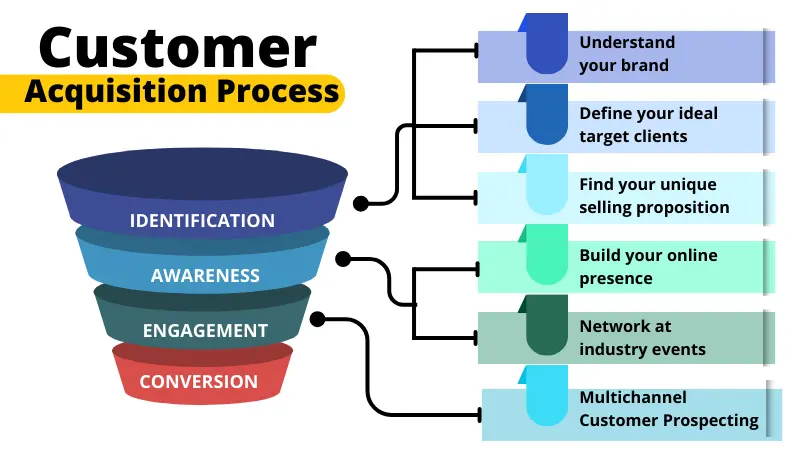
Identifying the right social media platforms is key to effectively reaching potential clients. Different demographics tend to favor specific platforms — this is critical. Align efforts with where the audience spends their time. Consider the following:
- Instagram: Great for visually-driven content, showcasing event aesthetics, and connecting with younger audiences.
- Facebook: Handy for community engagement and event promotions, particularly effective for a diverse age group.
- LinkedIn: Best for corporate event planning, connecting with businesses, and establishing professional credibility.
In 2024, 78% of event planners reported that Instagram was their most effective platform for client engagement — an important statistic for the industry.
Creating Engaging Content That Showcases Your Work
Content is at the heart of social media engagement. Crafting visually appealing and informative posts can effectively display capabilities as an event planner. Strategies include:
- Portfolio Posts: Share high-quality images and videos from past events, accompanied by descriptions of the planning process and client testimonials.
- Behind-the-Scenes Content: Provide insights into your planning process, showcasing logistics, vendor collaborations, and creative brainstorming sessions.
- Interactive Content: Use polls, Q&As, and live videos to engage with the audience and encourage direct interaction.
Research indicates that posts with images attract 94% more views than text-only posts — a clear reminder of the necessity of visual content in attracting potential clients.
Running Targeted Ads to Reach Potential Clients
Paid advertising on social media can significantly broaden your reach. Platforms like Facebook and Instagram offer advanced targeting options to ensure ads reach the right audience. Steps to implement effective ads include:
- Define your target audience based on demographics, interests, and behaviors.
- Create visually appealing ad content that highlights your services and includes a straightforward call to action.
- Monitor ad performance metrics to optimize strategy and budget allocation.
In 2026, businesses investing in targeted social media ads reported a 30% increase in lead generation — a testament to the effectiveness of this approach.
Using Social Media for Direct Communication and Inquiries
Social media enhances direct communication with potential clients, fostering personal connections. Responding quickly to inquiries and engaging in conversations can convert interest into bookings. Best practices include:
- Establish a routine for checking messages and comments.
- Use automated responses for frequently asked questions to ensure timely engagement.
- Encourage followers to reach out with inquiries and provide clear contact information.
Personalized interactions can build client trust and lead to higher conversion rates — a crucial factor in this competitive field.
Nuance / Expert Layer
While many event planners focus heavily on visual content, they often overlook the importance of storytelling in their posts. Effective narratives about events can evoke emotions and cultivate a sense of connection with potential clients. Highlighting unique challenges and solutions during the planning process can distinguish a planner in a crowded market. Moreover, using user-generated content, like photos from guests at events, can elevate authenticity and engagement.
Practical Application
To effectively leverage social media for client acquisition, event planners should:
- Identify the primary platform where their target audience is active.
- Develop a content calendar that includes a mix of portfolio showcases, interactive posts, and behind-the-scenes insights.
- Invest in targeted ads to reach specific demographics aligned with their services.
- Engage directly with followers through comments and messages to build relationships and encourage inquiries.
Implementing these strategies can significantly boost visibility and lead generation, ultimately aiding in how to get clients as an event planner.
Pricing Your Event Planning Services Competitively
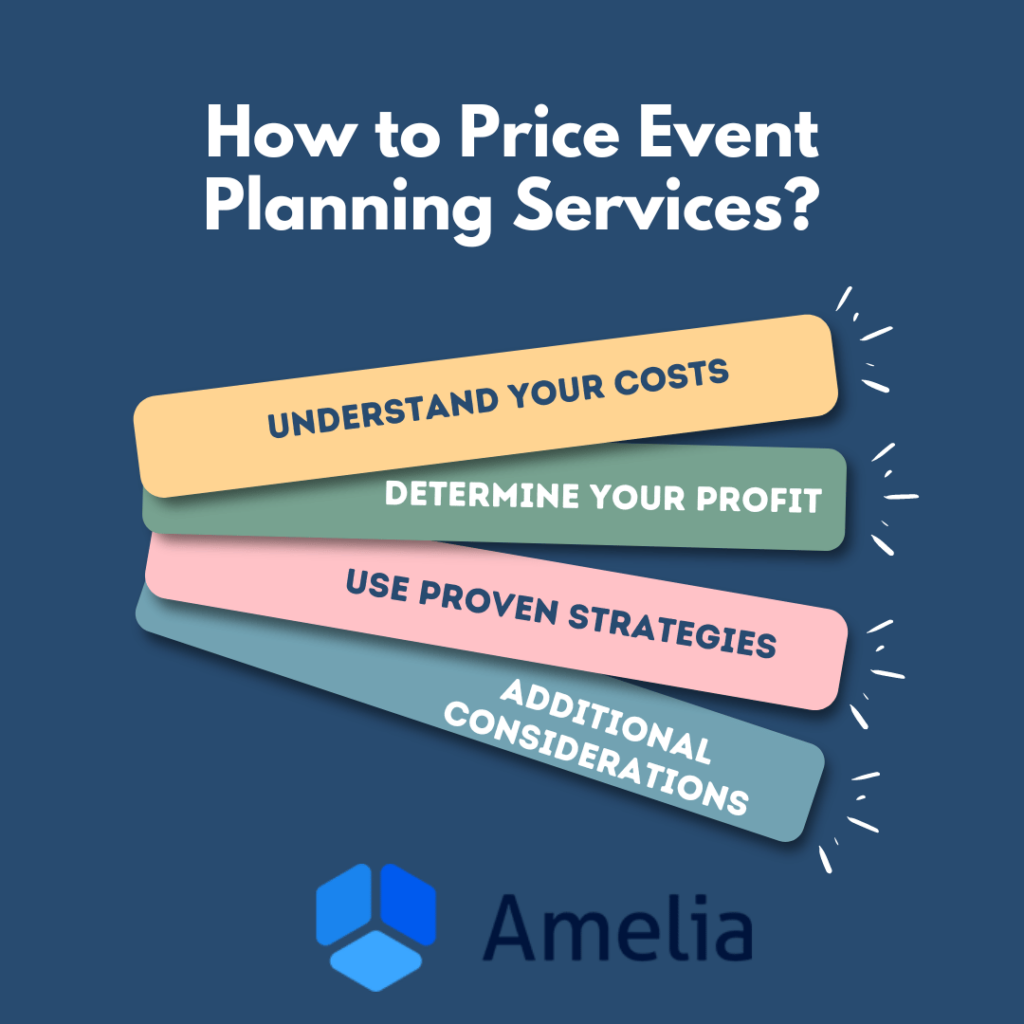
Setting competitive pricing for event planning services is crucial. It attracts clients and maintains profitability. This section dives into strategies for pricing that reflect value and resonate with potential customers.
Researching Industry Standards and Competitor Pricing
Understanding event planning prices is essential. Conduct thorough research to analyze what other event planners in your area charge. Consider the following factors:
- Geographic location
- Experience level
- Types of events offered (e.g., weddings, corporate events, private parties)
According to a 2024 survey, the average hourly rate for event planners ranges from $50 to $150. This depends on the factors mentioned. This data gives a solid baseline for setting your own prices.
Understanding Your Unique Value Proposition
Your unique value proposition (UVP) sets you apart from competitors. Identify what differentiates your services. This could be specialized expertise, exceptional customer service, or exclusive vendor relationships. Clearly articulate your UVP in marketing materials — this justifies your pricing and attracts clients who value those unique offerings.
Offering Tiered Pricing Packages
Implementing tiered pricing packages can expand your client base by catering to diverse budgets. Consider developing packages that include:
- A basic package with essential services
- A standard package that adds more comprehensive options
- A premium package that includes full-service planning and exclusive perks
This approach not only appeals to a wider audience but also lets clients choose options that best fit their needs and financial constraints. It’s a smart way to capture different market segments.
Regularly Reviewing and Adjusting Prices
Pricing isn’t static; it should evolve with market demand and your growing expertise. Regularly reviewing your pricing strategy—ideally every six months—is vital. Assess the following:
- Changes in the competitive landscape
- Client feedback and willingness to pay
- Your own experience and qualifications
Adjusting prices based on these factors ensures competitiveness while accurately reflecting the value provided. A 2025 market analysis indicated businesses that regularly reassess their pricing strategies see a 15% increase in profitability.
Nuance / Expert Layer
A common misconception is that lower prices always attract more clients. While competitive pricing is necessary, setting prices too low can devalue services and signal inferior quality. Finding a balance between affordability and perceived value is essential. Additionally, understanding the psychological pricing strategy—where prices are set just below a round number (e.g., $99 instead of $100)—can entice clients while maintaining a sense of quality (this is often overlooked).
Practical Application
To effectively implement competitive pricing for your event planning services, follow these actions:
- Conduct a thorough analysis of competitor pricing in your area.
- Define your unique value proposition and integrate it into your promotional materials.
- Develop tiered pricing packages to cater to various client budgets.
- Schedule bi-annual reviews of your pricing strategy to ensure competitiveness and relevance.
By following these steps, you’ll position yourself effectively in the market. This enhances your ability to attract clients and grow your event planning business.
Frequently Asked Questions
What are the best ways to find clients as an event planner?
Networking, referrals, and online marketing are effective ways to find clients as an event planner. Building relationships with vendors and attending industry events can also help generate leads.
How can I market my event planning services effectively?
Utilizing social media, creating a professional website, and leveraging SEO can enhance the visibility of event planning services. Additionally, consider using targeted ads and email marketing to reach potential clients.
What should I include in my event planning portfolio?
An event planning portfolio should showcase a variety of completed projects, including photographs, client testimonials, and detailed descriptions of each event. Highlighting your unique style and successful outcomes is essential.
How much should I charge for event planning services?
Event planning fees can vary widely based on experience, location, and the complexity of the event. Researching industry standards and considering your costs will help determine a competitive pricing structure.
How long does it take to get clients as an event planner?
The time it takes to secure clients as an event planner can vary from a few weeks to several months. Building a strong network and establishing a reputation may expedite the process.
What are common mistakes to avoid when starting as an event planner?
Common mistakes include underpricing services, neglecting marketing efforts, and failing to communicate effectively with clients. Additionally, not having a clear business plan can hinder growth and success.
What networking strategies work best for event planners?
Joining local business groups, attending trade shows, and participating in community events are effective networking strategies for event planners. Building genuine relationships with other professionals can lead to valuable referrals.
Final Thoughts on how to get clients as an event planner
Success in the event planning industry hinges on a multifaceted approach that combines a robust online presence, strategic networking, and effective use of social media. By positioning oneself as an expert and building genuine relationships, event planners can attract and retain clients who value their unique offerings.
To immediately enhance client acquisition efforts, invest time in creating an engaging and visually appealing portfolio that showcases your best work, accompanied by testimonials from satisfied clients. This will not only demonstrate your capabilities but also build trust with prospective clients.
Ready to boost your client base? Consider consulting a google ads expert who can help you leverage online advertising for your event planning business!
Mastering the art of client acquisition is essential for sustained success in the competitive realm of event planning, where reputation and visibility are paramount.