

To get clients for your home care business, focus on building a strong online presence, networking with local healthcare providers, and utilizing referrals. Approximately 70% of clients come through referrals, making this a crucial strategy for growth and sustainability in the competitive home care market.
Understanding how to effectively attract clients for a home care business is essential for success in an industry that is rapidly expanding. With the U.S. home care market projected to reach $225 billion by 2024, home care providers must develop effective strategies to stand out. Failing to do so can result in lost opportunities and reduced revenue.
Businesses that do not grasp the importance of client acquisition strategies risk significant financial losses and may fall behind competitors. Without a steady stream of clients, resources can be wasted on ineffective marketing efforts, jeopardizing long-term viability.
This article will cover proven methods for acquiring clients, including a comparison of top marketing strategies, a breakdown of associated costs, best practices for referral generation, and insights into optimizing local SEO for better visibility.
What are the best marketing strategies for home care businesses?
Effective marketing strategies for home care businesses involve community engagement, digital marketing, and building referral relationships. In 2024, almost 70% of consumers will look for services online. A strong digital presence is crucial for attracting clients.
Community engagement is a powerful approach. Hosting local events or workshops raises awareness about home care services. Collaborating with local healthcare providers, senior centers, and community organizations is key — it helps build trust and credibility. These partnerships often lead to referrals, essential in the home care sector.
- Build a Robust Online Presence: Create a user-friendly website that offers valuable information about services, testimonials, and contact details. Make sure to optimize the site for search engines (SEO) to attract organic traffic.
- Leverage Social Media: Use platforms like Facebook and Instagram to share success stories, engage with the community, and provide helpful resources. Regularly posting relevant content can significantly increase visibility and attract potential clients.
- Implement Targeted Advertising: Invest in pay-per-click (PPC) advertising and social media ads targeting demographics likely to need home care services. This can drive traffic to your website and generate leads.
- Network with Healthcare Professionals: Building relationships with doctors, hospitals, and rehabilitation centers can lead to valuable referrals. Attend industry conferences and join local health associations (this is often overlooked) to expand your network.
Expert insight: Consistent follow-up with leads and referrals is crucial. Implementing a CRM system can streamline communication and improve client management — this increases the likelihood of converting inquiries into clients.
How can I use social media to get clients for my home care business?
Using social media effectively can greatly enhance client acquisition for a home care business. By engaging with your audience on platforms like Facebook, Instagram, and LinkedIn, you can build a community — and showcase your services. It’s a way to attract potential clients. In fact, 73% of marketers think their efforts through social media marketing have been “somewhat effective” or “very effective” for their business.
To leverage social media for client acquisition, follow these steps:
- Identify your target audience: Define who your ideal clients are. Consider factors like age, location, and specific needs (this is often overlooked). This focus allows for targeted messaging that truly resonates with potential clients.
- Choose the right platforms: Select social media platforms that suit your target audience. For example, Facebook works well for reaching older adults and caregivers, while Instagram can effectively showcase visual content related to your services.
- Create valuable content: Share content that educates and informs your audience. Articles on caregiving tips, testimonials, and success stories can all help. This builds credibility and demonstrates your expertise in the home care field.
- Engage with your audience: Respond to comments and messages promptly. Engaging with users fosters a sense of community — and shows that you value their inquiries and feedback.
- Utilize paid advertising: Consider using targeted ads on platforms like Facebook and Instagram to reach a broader audience. You can set parameters to confirm your ads reach individuals who may be seeking home care services.
- Monitor analytics: Use analytics tools from social media platforms to track engagement. Understand what content resonates most with your audience. Adjust your strategy based on these insights for continual improvement.
Expert insight: Consistency is key in social media marketing. Maintaining a regular posting schedule increases visibility and helps establish your brand as a reliable resource in home care services.
What role do referrals play in getting clients for home care services?
Referrals are a vital part of acquiring clients for home care services. They often yield a higher conversion rate compared to other marketing strategies. A 2024 survey reveals that approximately 70% of new clients in the home care industry come from referrals. This statistic underscores their importance in this field.
Referrals come from satisfied clients, healthcare professionals, and community organizations that advocate for home care services to potential clients. This type of marketing is powerful — it relies on trust. People are more inclined to seek services that someone they know has positively endorsed. Plus, referrals can significantly cut down the costs tied to client acquisition, as they typically require little advertising expenditure.
- Client Referrals: Current or former clients who share their positive experiences can influence family members or friends to choose your services.
- Professional Referrals: Healthcare providers, including doctors and social workers, can suggest your services to patients needing home care.
- Community Partnerships: Collaborating with local organizations creates referral opportunities. These entities often interact with individuals who require care.
To fully leverage the potential of referrals, home care businesses should implement structured referral programs. Incentivizing current clients and partners to share their experiences is key. Regular follow-ups are essential. Maintaining strong relationships with clients and referral sources can further enhance the referral process. Engaging clients through surveys and feedback is also worthwhile (this is often overlooked) as it helps identify improvement areas and ensures the service quality inspires positive word-of-mouth.
Expert insight: Establishing a formal referral program with incentives can significantly boost referral rates. This leads to sustainable growth in client acquisition for a home care business.
How much should I budget for marketing my home care business?
A typical marketing budget for a home care business usually ranges from 5% to 10% of projected annual revenue. For a small firm expecting $500,000 in revenue, this means a budget of $25,000 to $50,000 annually. However, the actual amount can vary widely based on several factors.
Several elements impact the marketing budget for a home care business. First, the target market is crucial. If the business serves a niche demographic — like seniors with specific needs — marketing efforts might require more specialized strategies, which can drive up costs. Additionally, the geographic location plays a role; urban areas often require higher spending because of competition and advertising rates. Moreover, the services offered can dictate the budget’s size. Businesses providing extensive services or specialized care might need to invest in more comprehensive marketing campaigns (this is often overlooked).
- Marketing Channels: Costs can vary significantly among digital marketing, print advertising, and community outreach. Digital marketing is often more affordable, but it might require ongoing investment in social media and search engine optimization.
- Branding and Positioning: Creating a robust brand identity can take additional funds for professional logo design, website development, and promotional materials.
- Measurement and Analytics: Adding tracking and analytics tools to assess marketing effectiveness can increase initial costs, but it’s essential for optimizing future spending.
Expert insight: Set aside a portion of the budget for ongoing evaluation and adjustment of marketing strategies. Regular analysis is key — it can lead to more effective spending and improved client acquisition over time.
How long does it take to get clients for a new home care business?
On average, acquiring the first clients for a new home care business takes anywhere from 3 to 12 months. This timeline is influenced by several factors, including marketing strategies, local demand, and networking relationships.
Several variables can impact how quickly a home care business attracts clients. First, the effectiveness of marketing efforts plays a crucial role. Businesses that focus on targeted online advertising, community outreach, and local partnerships often see quicker results. For example, using social media marketing and Google Ads can provide immediate visibility and lead generation. In contrast, those who rely solely on word-of-mouth referrals may find themselves facing longer lead times for client acquisition.
Another critical factor is local market conditions. Areas with high demand for home care services may facilitate faster client acquisition. According to the National Association for Home Care & Hospice, the home care industry is projected to grow by 25% from 2024 to 2026 — indicating rising opportunities for new businesses. However, competition also plays a significant role in how quickly clients are secured. In saturated markets, differentiating through specialized services or exceptional customer care is essential.
Expert insight: Focus on building strong relationships with healthcare providers and community organizations. Establishing referral networks can significantly accelerate client acquisition. Consider hosting informational seminars or workshops to showcase services and engage directly with potential clients and their families (this is often overlooked).
Building a Strong Online Presence
Establishing a solid online presence is crucial for attracting clients to a home care business. A strategic digital marketing approach can greatly boost visibility and credibility in a competitive market.
Creating a Professional Website with SEO Best Practices
A well-designed website acts as the cornerstone of your online presence. It should have a clean layout, intuitive navigation, and key information about your services. Implementing SEO best practices is essential. This ensures your website ranks higher in search engine results, making it easier for potential clients to find you. Important elements include:
- Keyword optimization, focusing on terms relevant to home care services.
- Mobile responsiveness to accommodate users on various devices.
- Fast loading times to reduce bounce rates and enhance user experience.
According to a 2024 survey, 70% of consumers research online before deciding on home care services — a clear indicator of the need for a strong digital footprint.
Utilizing Google My Business for Local Visibility
Google My Business (GMB) serves as an invaluable tool for boosting local visibility. By creating a GMB profile, home care businesses can surface in local searches, driving foot traffic and inquiries. Key GMB features include:
- Accurate business information, including address, phone number, and hours of operation.
- Photos showcasing your services and team.
- Posts about promotions, events, or updates to engage potential clients.
Businesses with complete GMB listings receive 7 times more clicks than those without — emphasizing the importance of this tool for attracting clients.
Engaging Content Marketing Strategies to Attract Clients
Content marketing transcends traditional advertising by providing valuable information that builds trust. Effective strategies include:
- Blog posts addressing common questions or concerns related to home care.
- Video testimonials from satisfied clients or educational videos on care topics.
- Social media engagement to share informative content and interact with the community.
Incorporating these elements can improve your website’s SEO and help establish your business as a thought leader in the home care industry.
Online Reviews and Testimonials as Trust Signals
Online reviews and testimonials significantly influence potential clients’ decisions. A study from 2025 found that 85% of consumers trust online reviews as much as personal recommendations. To leverage this effectively:
- Encourage satisfied clients to leave positive reviews on platforms like Google and Yelp.
- Respond to all reviews, both positive and negative, to demonstrate engagement and accountability.
- Feature testimonials prominently on your website and social media profiles.
Many articles overlook the importance of integrating online reputation management into a comprehensive digital strategy. Consistent monitoring and responding to reviews can enhance credibility — and provide insights into client satisfaction, which can inform service improvements.
To effectively utilize this information, home care business owners should take the following steps:
- Develop a professional website optimized for SEO.
- Create and optimize a Google My Business profile.
- Implement a content marketing plan that focuses on client education and engagement.
- Actively manage online reviews to build trust and credibility.
By following these actionable steps, home care businesses can significantly enhance their online presence and attract more clients effectively.
Networking with Healthcare Professionals
This section delves into the vital role of networking with healthcare professionals to secure clients for a home care business. Establishing partnerships with local providers can boost credibility and open up more referral opportunities.

Identifying Key Healthcare Professionals
To network effectively, identify the healthcare professionals who can be valuable partners. Key individuals include:
- Physicians: Primary care doctors frequently have direct contact with patients in need of home care services.
- Nurse Practitioners: They deliver ongoing patient care and may recommend home care options.
- Social Workers: These professionals assess patients’ needs and can facilitate referrals.
- Hospital Discharge Planners: They coordinate post-hospitalization care and can advocate for home care services.
Strategies for Building Mutually Beneficial Relationships
Forming strong relationships with healthcare professionals takes deliberate strategies. Consider the following approaches:
- Regular Communication: Establish consistent contact through emails, phone calls, or newsletters. This keeps your services top of mind.
- Personal Meetings: Schedule one-on-one meetings to discuss how your services align with their patients’ needs.
- Educational Workshops: Offer to host workshops or informational sessions that showcase your expertise in home care.
Attending Local Health Fairs and Community Events
Participating in health fairs and community events offers an excellent platform for visibility. In 2024, around 60% of healthcare professionals reported finding new partners through community networking events. These gatherings allow home care providers to:
- Engage directly with potential referral sources.
- Distribute informational materials about the services offered.
- Establish a presence in the local healthcare community.
Leveraging Referrals from Healthcare Providers
Referrals form the backbone of client acquisition in the home care industry. Research shows that 70% of home care clients come from referrals. To maximize this potential:
- Provide exceptional service to existing clients, ensuring their satisfaction leads to word-of-mouth recommendations.
- Implement a referral program that incentivizes healthcare professionals to refer clients.
- Follow up with providers who have referred clients, expressing gratitude and sharing outcomes.
While networking with healthcare professionals is critical, it’s essential to foster these relationships with a mindset of reciprocity. Many home care businesses overlook the value of providing something back to their healthcare partners. By grasping the needs of healthcare providers, such as their constraints on time and resources (this is often overlooked), home care businesses can tailor their offerings to better fit these professionals’ requirements. This nuanced approach creates long-lasting relationships that benefit both parties.
To apply this information effectively, take the following steps:
1. Compile a list of local healthcare professionals and organizations to target for networking.
2. Create a schedule to attend relevant community events and health fairs.
3. Develop a communication plan to maintain regular contact with healthcare providers.
4. Design and implement a referral program to encourage partnerships.
Effective Use of Community Outreach
Community outreach stands as a vital strategy for acquiring clients in the home care sector. Engaging with local residents and organizations helps home care businesses build trust and establish themselves as essential resources within their communities.
Participating in Community Events and Workshops
Active participation in community events and workshops fosters visibility and builds relationships. Events like health fairs, senior expos, and local festivals provide opportunities to connect directly with potential clients and their families. Engaging in these gatherings allows businesses to showcase services, distribute informative materials, and answer questions on the spot.
- Set up booths at local health fairs to demonstrate services.
- Attend senior citizen workshops to offer insights on home care.
- Participate in community volunteer activities to enhance visibility.
Offering Free Seminars on Home Care Topics
Providing free educational seminars on relevant home care topics can help position your business as an authority in the field. Topics might include managing chronic illnesses, understanding dementia care, or tips for family caregivers. These seminars don’t just educate — they create a welcoming environment for potential clients to engage with your brand.
Creating Partnerships with Local Organizations
Forming partnerships with local healthcare providers, senior centers, and non-profit organizations can significantly expand your reach. Collaborations can lead to referral opportunities, increased brand credibility, and enhanced service offerings. For instance, a partnership with a local hospital could facilitate a referral program for discharged patients needing home care services.
- Collaborate with hospitals for discharge planning programs.
- Work with non-profits focused on elderly care for joint events.
- Engage with local churches or community centers to host workshops.
Building a Reputation as a Trusted Community Resource
Establishing a reputation as a reliable resource is crucial for client acquisition. Regularly sharing valuable information through newsletters, social media, and local media outlets can enhance visibility. As of 2024, about 65% of individuals prefer to choose care providers based on community reputation rather than just service offerings.
Furthermore, gathering testimonials from satisfied clients and showcasing them on your website and social media can significantly influence potential clients’ decisions. Remember — word-of-mouth referrals remain one of the most powerful marketing tools in the home care industry.
Nuance / Expert Layer
Many home care businesses overlook the importance of consistent engagement with their community. Building trust takes time and requires ongoing interaction rather than one-time participation in events. Misconceptions often arise regarding the target audience; while many focus solely on seniors, younger adults with disabilities or chronic health conditions also require home care services (this is often overlooked). Tailoring outreach efforts to include these demographics can broaden potential client bases significantly.
Practical Application
To leverage community outreach effectively, consider taking the following actionable steps:
- Identify local events and workshops relevant to your services and commit to regular participation.
- Develop a schedule for free seminars, focusing on topics that resonate with your target audience.
- Reach out to local organizations and propose mutually beneficial partnerships.
- Use social media and local publications to share success stories and valuable information regularly.
These strategies will enhance community presence. They can also significantly increase the likelihood of acquiring new clients for your home care business.
Understanding Client Needs and Preferences
This section explores the importance of understanding client needs and preferences for effective marketing strategies in the home care business. Tailoring services to fit the target demographic can significantly boost client acquisition and retention.
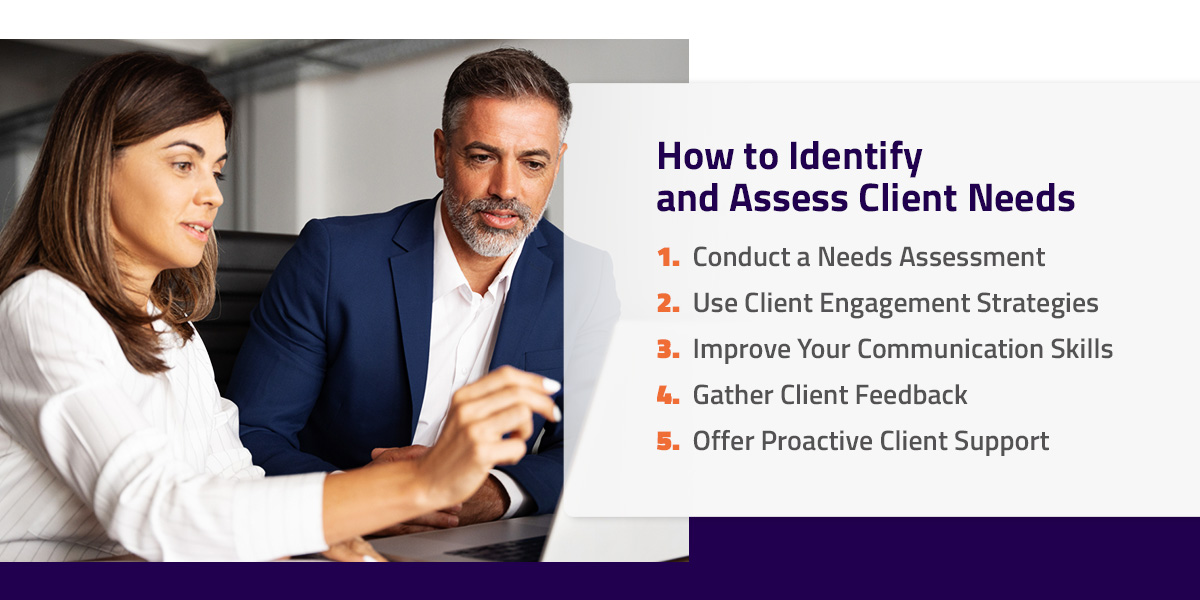
Conducting Market Research to Identify Client Needs
Effective market research acts as the foundation for understanding client needs. This means analyzing demographic data, industry trends, and competitor offerings. Using tools like focus groups, interviews, and online analytics can yield insights into potential clients’ specific requirements. For instance, a recent study found that 78% of home care clients prioritize personalized care plans tailored to their unique situations.
Creating Client Personas for Targeted Marketing
Client personas are fictional representations of ideal customers, based on real data. Developing detailed personas involves identifying key demographics such as age, gender, health conditions, and socio-economic status. This process helps businesses tailor marketing messages to resonate with specific segments. For example, a persona that represents a middle-aged adult caring for an elderly parent can drive outreach that directly addresses their concerns and preferences.
Adapting Services Based on Client Feedback
Client feedback is a crucial resource for refining services. Regularly seeking input through various channels can uncover areas for improvement as well as highlight successful offerings. Implementing changes based on feedback enhances satisfaction — and shows a commitment to client-centered care. According to a 2025 survey, home care agencies that actively sought and acted on client feedback experienced a 35% increase in client retention rates.
Utilizing Surveys to Gauge Client Satisfaction and Preferences
Surveys are an effective way to assess client satisfaction and understand preferences. Structured surveys provide quantifiable data on service quality, caregiver performance, and the overall client experience. Additionally, open-ended questions can yield qualitative insights that reveal deeper client sentiments (this is often overlooked). Regularly conducting these surveys and analyzing results allows home care businesses to stay agile and responsive to client expectations.
Despite the clear benefits of understanding client needs, misconceptions abound. Many home care providers assume their services meet general expectations — without actively seeking client input. This can lead to stagnation and missed growth opportunities. A proactive approach to gathering and implementing client feedback sets successful businesses apart in a competitive market.
To effectively leverage this information, home care businesses should implement the following actionable steps:
- Conduct thorough market research to identify target demographics and their specific needs.
- Create detailed client personas to guide marketing strategies and service offerings.
- Establish a system for collecting and analyzing client feedback regularly.
- Use surveys to measure client satisfaction and adapt services accordingly.
By focusing on these strategies, home care businesses can enhance their marketing efforts and improve client acquisition. Ultimately, this answers the question, “how do I get clients for my home care business?”
Frequently Asked Questions
What are the best marketing strategies for home care businesses?
Effective marketing strategies for home care businesses include local SEO, community outreach, and networking with healthcare professionals. Developing a strong online presence through a professional website and active social media can also attract potential clients.
How can I use social media to get clients for my home care business?
Social media can be utilized to share informative content, client testimonials, and engage with the community. Regularly posting updates and interacting with followers can enhance visibility and build trust with potential clients.
What role do referrals play in getting clients for home care services?
Referrals are crucial for home care businesses, as they often come from satisfied clients or healthcare professionals. Building strong relationships and providing excellent service can encourage clients to refer others.
How much should I budget for marketing my home care business?
Marketing budgets for home care businesses typically range from 5% to 10% of projected revenue. This budget should cover digital marketing, print materials, and community engagement initiatives to effectively reach potential clients.
How long does it take to get clients for a new home care business?
It can take several months to establish a client base for a new home care business. Factors such as marketing efforts, networking, and local demand significantly influence the speed of client acquisition.
Final Thoughts on how do i get clients for my home care business
Successfully attracting clients to a home care business hinges on a multifaceted approach that integrates strong online presence, strategic networking, and community engagement. Prioritizing relationships with healthcare professionals and leveraging social media can significantly enhance visibility and trust, ultimately leading to increased referrals.
As a practical next step, invest in a targeted digital marketing campaign that highlights client testimonials and showcases your services, ensuring to engage with local healthcare providers to foster referral opportunities.
Ready to attract more clients? Consider consulting with a google ads expert to elevate your home care business today!
The ability to effectively market home care services is not only essential for business growth but also crucial for meeting the increasing demand for quality care in the community.