
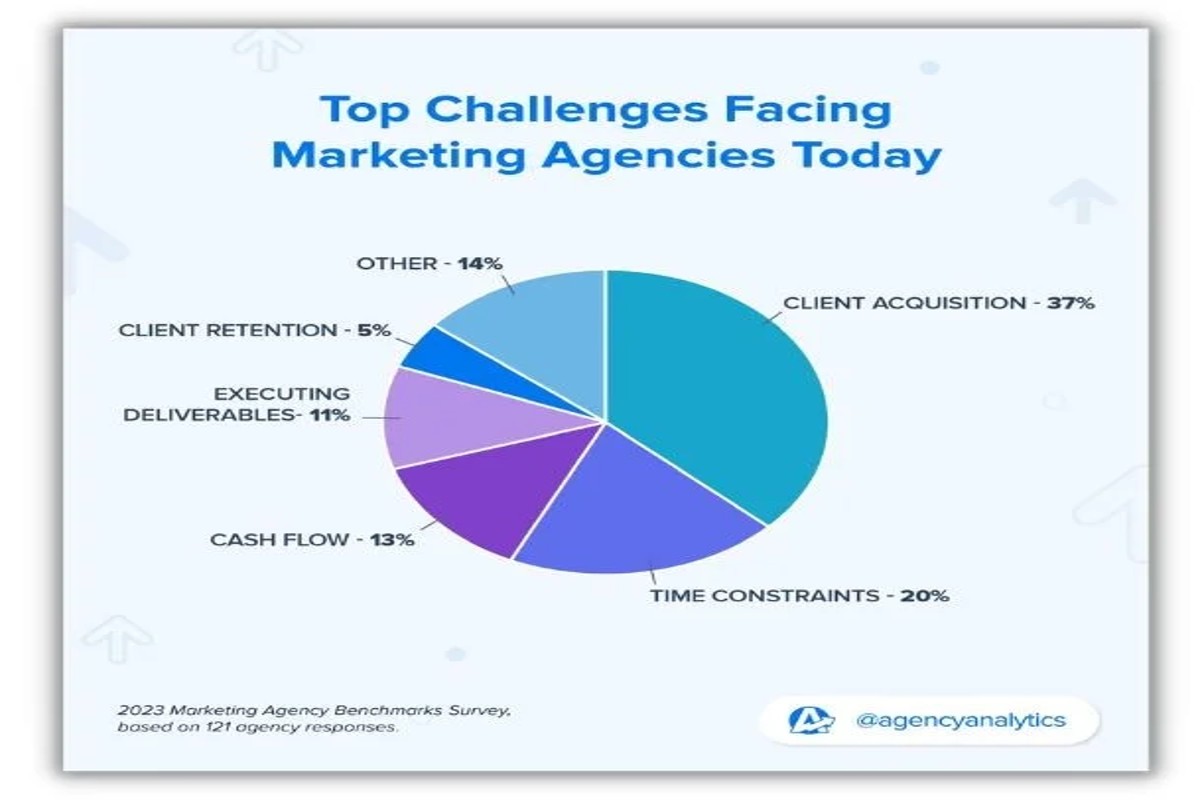
How do ad agencies get clients? Ad agencies typically acquire clients through a combination of networking, referrals, and targeted digital marketing strategies. Research shows that over 70% of agencies identify referrals as their primary source of new business, highlighting the importance of building strong relationships and a robust reputation in the industry.
Understanding how ad agencies get clients is crucial for both agency owners and businesses seeking marketing services. This knowledge not only informs agency growth strategies but also helps clients choose the right partners for their advertising needs. With the global advertising market projected to reach over $600 billion, failing to grasp these dynamics could lead to lost opportunities and ineffective collaborations.
Businesses that do not understand how ad agencies attract clients risk incurring missed revenue and wasted marketing budgets. Without insight into effective client acquisition strategies, companies may fall behind competitors that successfully leverage these tactics.
This article will explore the various strategies ad agencies use to secure clients, including an analysis of top providers, cost breakdowns, best practices, and the significance of local SEO in client acquisition.
What are the main ways ad agencies acquire clients?
Ad agencies acquire clients through a range of strategies. Networking, building a strong online presence, and leveraging referrals are key methods. About 70% of agencies say referrals are their main source of new business — this highlights the importance of relationship-building in the industry.
Networking remains one of the most effective methods for ad agencies. Attending industry events, conferences, and local business gatherings allows agencies to connect with potential clients in person. Building relationships with professionals in related fields — think marketing consultants or web developers — can also lead to valuable referrals. Regular communication helps maintain these connections, enhancing trust and increasing the likelihood of receiving client referrals (this is often overlooked).
Beyond networking, establishing a robust online presence is crucial. A well-designed website that showcases the agency’s portfolio, client testimonials, and case studies can draw in potential clients. Using social media platforms to share insights, industry trends, and success stories doesn’t just boost visibility; it also positions the agency as a thought leader. Moreover, search engine optimization (SEO) strategies can significantly enhance online visibility, driving organic traffic to the agency’s website.
Expert insight: Agencies should invest in a mix of traditional and digital marketing strategies. A diversified approach often yields the best results in client acquisition — it covers all bases.
How important are referrals for ad agencies?
Referrals play a crucial role in client acquisition for ad agencies, representing about 70% of new business opportunities. This approach leverages existing client relationships to build trust and credibility — significantly boosting the agency’s reputation.
Referrals hinge on trust; potential clients are more inclined to engage with an agency suggested by someone they know. This trust factor can speed up the decision-making process. Referred clients usually bring a certain level of confidence in the agency’s capabilities. Moreover, studies reveal that referred clients often possess higher lifetime value and satisfaction rates, fostering long-term partnerships.
- Client Satisfaction: Satisfied clients are more likely to refer others, creating a cycle of positive reinforcement.
- Network Growth: Each referral can broaden the agency’s network, leading to additional opportunities.
- Cost-Effectiveness: Referrals typically require less marketing expenditure than traditional advertising methods.
While referrals are essential, agencies must actively nurture relationships with current clients to promote this form of marketing. Regular check-ins and feedback sessions are key. Showcasing successful campaigns also keeps the agency fresh in clients’ minds, thereby increasing the chances of referrals.
Expert insight: Agencies are advised to implement structured referral programs to reward clients for successful introductions. This ensures that referral generation becomes a sustainable element of their business model (worth double-checking).
What role does digital marketing play in getting clients for ad agencies?
Digital marketing is crucial for ad agencies aiming to attract and keep clients. By using strategies like search engine optimization (SEO) and social media marketing, agencies can greatly boost their visibility and engage potential clients. In fact, seventy percent of marketers actively invest in SEO — highlighting its vital role in client acquisition.
For instance, an ad agency targeting local businesses might implement a focused SEO strategy to enhance its search rankings for relevant keywords. By optimizing website content and employing local SEO techniques, the agency can show up in search results when potential clients look for advertising services nearby. This approach can lead to more website traffic. More traffic means generating inquiries, which can ultimately convert leads into clients.
Moreover, social media marketing is key for acquiring clients. An agency can craft engaging content and share case studies that highlight successful campaigns on platforms like LinkedIn and Instagram. By establishing a solid online presence and promoting community interaction, the agency not only demonstrates its expertise but also builds trust and credibility among potential clients. This dual approach of SEO and social media can create a robust funnel for lead generation — ultimately helping ad agencies effectively secure new clients.
Expert insight: To maximize client acquisition, ad agencies should continually analyze their digital marketing efforts. Make sure to use analytics tools to monitor traffic sources and engagement rates. These insights are valuable for refining strategies and improving conversion rates (this is often overlooked).
How long does it take for an ad agency to get its first client?
A new ad agency typically takes anywhere from three to six months to land its first client. However, this timeline can vary widely based on several elements, like the agency’s network, niche focus, and marketing strategies.
Several factors shape how quickly an ad agency can secure its first client. The agency’s existing relationships are crucial. Agencies founded by professionals with strong industry contacts often find clients faster than those starting from scratch. Networking events—these are essential—industry conferences, and using social media can speed things up. Agencies that focus on a specific niche may attract clients seeking targeted expertise, which can make the timeline even shorter.
Another key factor is the effectiveness of the agency’s marketing strategies. Agencies that put time and resources into building a strong online presence—think a well-designed website, compelling content, and active social media channels—tend to receive inquiries more quickly. Plus, offering initial promotions or free consultations can entice potential clients to engage with the agency. Finally, the overall market demand for advertising services in the agency’s target sector plays a significant role. In a thriving market, clients can be easier to find — unlike in a saturated or declining market, where the opposite is often true.
Expert insight: Establishing a clear value proposition and showcasing past successes—this includes freelance work or personal projects—can speed up client acquisition. Focused outreach strategies tailored to potential clients can also lead to quicker results.
What are the best practices for ad agencies to attract clients?
Ad agencies can attract clients effectively by using targeted strategies that boost visibility and build trust. Research shows that 80% of clients prefer agencies that clearly demonstrate industry expertise and maintain a strong online presence.
To gain clients successfully, ad agencies should concentrate on the following best practices:
- Build a Strong Portfolio: Showcase successful campaigns and various projects to demonstrate expertise. It’s important to highlight measurable results — things like increased ROI or enhanced brand awareness can attract potential clients.
- Leverage Social Media: Use platforms such as LinkedIn, Instagram, and Facebook to share case studies, industry insights, and engaging content. Regularly interact with followers; this helps foster relationships and positions the agency as a thought leader (this is often overlooked).
- Network Actively: Attend industry events, conferences, and networking meetups to build connections. Establishing relationships with potential clients and other businesses can lead to referrals and partnerships.
- Offer Free Workshops or Webinars: Provide valuable insights on marketing trends or strategies through free educational sessions. This method can showcase expertise and draw in businesses seeking guidance.
- Utilize SEO Strategies: Optimize the agency’s website for search engines to enhance visibility. Target specific keywords relevant to potential clients — this makes it easier for them to find the agency when searching for services.
Expert insight: Focusing on niche markets can set an agency apart from competitors. Specializing in a specific industry allows for tailored strategies that resonate more effectively with potential clients, thus enhancing credibility and attracting targeted business opportunities.
How do ad agencies use social media to get clients?
Ad agencies leverage social media platforms for client acquisition through targeted advertising, engaging content, and strategic networking. A notable 70% of marketers think social media marketing is essential for business growth.
Social media gives ad agencies a unique chance to showcase their creativity and expertise. By crafting compelling content that highlights successful campaigns, agencies can attract potential clients seeking innovative solutions. Regularly posting case studies and client testimonials can position an agency as a thought leader in its field — this enhances credibility and visibility. Don’t overlook industry insights; they can make a difference.
- Targeted Advertising: Agencies use paid social media ads to reach specific demographics. By defining target audiences based on interests, behaviors, and location, agencies effectively promote their services to potential clients.
- Engaging Content Creation: Creating high-quality and relevant content is crucial. Agencies often share blog posts, videos, and infographics that provide value. This showcases their expertise while attracting attention from potential clients.
- Networking and Community Engagement: Building relationships with industry professionals and potential clients is vital — it’s all about connection. Agencies engage with followers by responding to comments, participating in discussions, and joining relevant groups.
- Utilization of Influencers: Collaborating with industry influencers can enhance visibility. Agencies frequently partner with influencers to promote their services, using their reach to tap into new audiences.
- Analytics and Performance Tracking: Monitoring social media metrics allows agencies to refine their strategies. By analyzing engagement rates and conversion metrics, agencies can adjust their campaigns for better results.
Expert insight: Employing a multi-faceted approach that combines content marketing, targeted ads, and influencer partnerships greatly increases an agency’s chances of attracting new clients through social media.
What common mistakes do ad agencies make when trying to get clients?
Ad agencies frequently stumble in various key areas of client acquisition, which can hinder their overall success. Common pitfalls include failing to clearly define their target audience, overpromising results, and neglecting relationship building. Research shows that around 70% of agencies encounter these issues, impacting their ability to secure new clients.
One major mistake is not having a well-defined target audience. Agencies often try to appeal to a wide range of clients — doing so dilutes their messaging. This makes it less effective. Without a clear grasp of who their ideal clients are, agencies waste resources on ineffective marketing strategies (this is often overlooked). This stands in stark contrast to agencies that focus on niche markets, which typically see better engagement and conversion rates.
Another prevalent error is overpromising results during pitches. Agencies might exaggerate their capabilities or the outcomes clients can expect. This can lead to disappointment and damage the agency’s reputation if they fail to deliver on their promises. In contrast, agencies that set realistic expectations often build trust and establish long-term relationships with clients.
Moreover, neglecting to cultivate client relationships can have serious consequences. Some agencies focus solely on acquiring new clients, overlooking the importance of nurturing existing ones. This shortsighted approach can lead to high turnover rates. Agencies that prioritize relationship management not only retain clients but also benefit from referrals and repeat business.
Expert insight: Focusing on a clearly defined audience, setting realistic expectations, and nurturing relationships are critical for successful client acquisition. Agencies that excel in these areas often distinguish themselves in a competitive marketplace.
Networking Strategies for Client Acquisition
This section explores effective networking techniques that ad agencies use to draw in and keep clients. Mastering these strategies enables agencies to build valuable connections, which can lead to sustainable growth.
Leveraging Industry Events and Conferences
Attending industry events and conferences opens doors for ad agencies to meet potential clients in person. These gatherings encourage direct interaction. In 2024, around 60% of businesses reported gaining new clients through networking at these events. Agencies should aim to be present at key conferences relevant to their target markets — this helps create a strong presence through engaging presentations or booths.
Building Relationships with Complementary Businesses
Collaborating with businesses offering complementary services can significantly improve client acquisition efforts. Agencies can form strategic partnerships with firms in areas like digital marketing, website development, or public relations. This synergy enables cross-referrals, broadening the client base for both parties. For example, an ad agency might partner with a web design firm, leading to mutual referrals that can boost overall project opportunities by as much as 30%.
Utilizing LinkedIn for Professional Networking
LinkedIn is a powerful tool for professional networking, especially for ad agencies. By actively engaging with industry peers, sharing relevant content, and joining discussions, agencies can boost their visibility. Connecting with decision-makers and industry influencers can foster valuable partnerships. In 2023, organizations that dedicated time to LinkedIn networking experienced a 50% increase in client inquiries compared to those who didn’t.
Creating a Referral Program to Incentivize Past Clients
Implementing a referral program can greatly enhance client acquisition. By incentivizing past clients to refer new business, agencies tap into existing relationships. This program might offer discounts, exclusive services, or even monetary rewards — motivating clients to spread the word. Research shows that referred clients are four times more likely to convert than those acquired through traditional marketing methods.
Nuance / Expert Layer
Many agencies overlook the importance of follow-up after initial networking interactions. A common misunderstanding is that a single meeting or conversation is enough to secure a client. In reality, nurturing relationships through regular communication and personalized outreach strengthens connections. For instance, sending a thank-you note or sharing thoughtful industry articles can keep the agency top-of-mind — enhancing the chances of future collaborations. Additionally, understanding potential clients’ unique needs and tailoring approaches accordingly can distinguish agencies from competitors who follow a one-size-fits-all strategy.
Practical Application
To effectively leverage networking strategies, agencies should implement the following actionable steps:
- Identify and attend at least three industry conferences annually.
- Establish strategic partnerships with at least two complementary businesses.
- Optimize LinkedIn profiles and engage regularly with industry content.
- Create and promote a referral program for existing clients.
By executing these strategies, ad agencies can enhance client acquisition efforts and build a robust network that supports long-term success.
Effective Digital Marketing Techniques
This section delves into advanced digital marketing strategies that ad agencies can leverage to attract potential clients. By adopting these techniques, agencies can boost their visibility and showcase their expertise in a competitive landscape.
Implementing SEO Best Practices
Search Engine Optimization (SEO) is crucial for increasing online visibility. Ad agencies must conduct thorough keyword research to pinpoint terms that potential clients are actively searching for. By optimizing website content, meta descriptions, and headers with these keywords, agencies can significantly improve their ranking on search engine results pages (SERPs). In 2024, 68% of online experiences will begin with a search engine — highlighting the necessity of effective SEO strategies.
Using Content Marketing to Showcase Expertise
Content marketing serves as a vital platform for ad agencies to demonstrate their knowledge and capabilities. By crafting high-quality blog posts, whitepapers, and case studies, agencies can share insights and solutions relevant to their target audience. This doesn’t just establish authority; it also enhances organic search traffic. According to a 2025 report, companies prioritizing content marketing see conversion rates six times higher than those that don’t (this is often overlooked).
Engaging in Targeted Social Media Advertising
Social media platforms provide sophisticated targeting options that let ad agencies reach specific demographics and interests. By using data-driven advertising tools, agencies can develop tailored ad campaigns that resonate with potential clients. LinkedIn Ads, for instance, can be especially effective for B2B agencies — they enable targeting based on industry, job title, and company size. In 2026, social media advertising is projected to account for 30% of total digital ad spending, reinforcing its significance in client acquisition strategies.
Analyzing Data to Refine Marketing Efforts
Data analysis is essential for optimizing marketing strategies. Ad agencies should use analytics tools to track their campaign performance, identifying which channels yield the highest return on investment (ROI). By examining metrics like click-through rates (CTR), conversion rates, and engagement levels, agencies can tweak their tactics in real-time. In 2024, businesses leveraging analytics effectively are five times more likely to make swift decisions than their competitors.
While many agencies understand the basics of digital marketing, they often miss the importance of tailoring their strategies based on data insights. A common misconception is that a single campaign will yield consistent results across all demographics. In reality, effective marketing demands continuous iteration and adaptation based on audience responses and behavior. Agencies that neglect to analyze and refine their approaches face stagnation and diminished client acquisition potential.
To implement these strategies effectively, ad agencies should focus on the following actionable steps:
- Conduct regular SEO audits to confirm that website content remains optimized.
- Create a content calendar to consistently publish valuable resources that address client pain points.
- Invest in targeted social media advertising campaigns, testing various formats and audiences to find the most effective combinations.
- Use analytics tools to monitor campaign performance and adjust strategies based on real-time data.
The Importance of a Strong Portfolio
A well-curated portfolio is a crucial tool for ad agencies. It acts as a visual resume that showcases capabilities and attracts potential clients. This section explores the components of an effective portfolio and its impact on client acquisition.
Diverse Project Selection
To demonstrate versatility, ad agencies should select a variety of projects that highlight different skills and industries. A diverse portfolio can include:
- Creative campaigns across multiple media channels.
- Work with various client sizes, from startups to established corporations.
- Projects addressing different marketing challenges, such as brand awareness, lead generation, and product launches.
For instance, an agency showcasing experience in both digital and traditional advertising can appeal to a wider audience. This often increases their chances of acquiring clients.
Highlighting Measurable Results
Including case studies with measurable results is essential. It builds credibility. Potential clients are more likely to engage with an agency that shows a track record of success. Key elements to include in case studies are:
- Clear objectives and challenges faced.
- Strategic approaches taken to address these challenges.
- Quantifiable outcomes, such as percentage increases in engagement, sales, or brand awareness.
According to recent data, agencies showcasing quantifiable results often see up to a 30% increase in client inquiries compared to those that do not.
Incorporating Testimonials
Client testimonials add an invaluable layer of trust to a portfolio. Positive feedback from previous clients enhances credibility and humanizes the agency. Key strategies include:
- Featuring testimonials prominently on the portfolio website.
- Using video testimonials for greater engagement.
- Highlighting long-term client relationships to showcase reliability.
Agencies should actively collect and update testimonials. This ensures they reflect current work and client satisfaction levels.
Regular Portfolio Updates
Maintaining a current portfolio is vital for staying relevant in a competitive market. Regular updates make sure the portfolio reflects the agency’s latest work and capabilities. This can involve:
- Adding recent successful campaigns.
- Removing outdated projects that don’t represent the agency’s capabilities.
- Incorporating new skills or services offered, such as emerging technologies or trends in advertising.
A portfolio that evolves over time signals to potential clients that the agency is dynamic and responsive to industry changes.
While many agencies focus primarily on aesthetics when curating their portfolios, the most successful ones grasp the importance of storytelling. They weave a narrative through their case studies, connecting projects to broader industry trends and client needs. This storytelling approach not only engages potential clients — it positions the agency as a thought leader in the industry. Additionally, some agencies mistakenly believe a larger portfolio is better; however, a focused selection of high-quality work often resonates more than sheer volume.
To effectively leverage this information, ad agencies should take the following actions:
- Audit the current portfolio for diversity and relevance.
- Gather and update case studies with measurable results and client testimonials.
- Implement a regular schedule for portfolio reviews and updates to reflect current capabilities and industry trends.
By following these steps, agencies can enhance their appeal to prospective clients and significantly improve their chances of success in the competitive advertising landscape.
Building a Unique Value Proposition
This section explores the importance of a unique value proposition (UVP) in helping ad agencies stand out in a crowded market. A compelling UVP not only draws clients in, but also fosters lasting relationships built on trust and understanding.

Identifying Target Market Needs and Pain Points
Effective client acquisition starts with a deep analysis of the target market. Agencies must engage in market research to reveal the specific needs and pain points of potential clients. This often includes surveys, interviews, and competitive analysis. For instance, 68% of marketers say that grasping customer needs is key to driving successful campaigns.
Crafting a Compelling Brand Story
A strong brand story resonates emotionally with clients, creating a bond that goes beyond mere transactions. This narrative should capture the agency’s mission, values, and unique journey. It needs to be authentic and relatable — illustrating how the agency has tackled challenges and brought success to past clients. A well-crafted brand story doesn’t just engage; it boosts client loyalty. In fact, 55% of consumers are more likely to back brands with meaningful narratives.
Communicating Unique Benefits Clearly
Once the UVP is established, clear communication of unique benefits becomes essential. Agencies should precisely outline what makes them different, whether it’s innovative strategies, specialized expertise, or exceptional service. This clarity helps potential clients understand exactly why one agency is preferable over another. Using concise language paired with impactful visuals can enhance this communication, making the UVP memorable and persuasive.
Aligning Services with Client Expectations
To maintain a competitive advantage, agencies must align their service offerings with client expectations. This goes beyond merely delivering high-quality work — it requires adapting to the ever-changing needs of clients. Regular feedback loops and performance metrics should be in place to confirm that services stay relevant and effective. Recent studies indicate that 75% of clients prefer agencies that actively address their evolving needs.
Nuance / Expert Layer
A common misconception is that a unique value proposition needs to be entirely groundbreaking. However, differentiation can also come from how existing services are presented or executed. For example, an agency might not create a new marketing tactic but can excel in execution or client service. Moreover, agencies concentrating on niche markets often experience greater success with a UVP emphasizing specialization rather than broad appeal. This nuanced approach enables agencies to delve deeper into specific sectors, addressing unique demands that larger firms may overlook (this is often overlooked).
Practical Application
To effectively build a unique value proposition, agencies should:
- Conduct market research to pinpoint client needs and pain points.
- Develop a compelling brand story that reflects the agency’s values and mission.
- Clearly communicate unique benefits through concise messaging and visuals.
- Regularly align services with client expectations through feedback and adaptation.
Implementing these strategies enhances the agency’s ability to attract and retain clients — ultimately answering how ad agencies get clients in a competitive landscape.
Frequently Asked Questions
What are the main ways ad agencies acquire clients?
Ad agencies primarily acquire clients through networking, referrals, and targeted marketing efforts. Additionally, cold outreach and partnerships with complementary businesses can also be effective strategies.
How important are referrals for ad agencies?
Referrals are crucial for ad agencies as they build trust and credibility with potential clients. A strong referral network can lead to higher conversion rates compared to other acquisition methods.
What role does digital marketing play in getting clients for ad agencies?
Digital marketing is essential for ad agencies, as it enables them to showcase their expertise and reach a broader audience. Effective use of SEO, content marketing, and online advertising can significantly enhance client acquisition efforts.
How long does it take for an ad agency to get its first client?
The time it takes for an ad agency to secure its first client can vary widely, typically ranging from a few weeks to several months. Factors such as market demand, agency reputation, and networking efforts influence this timeline.
What are the best practices for ad agencies to attract clients?
Best practices for attracting clients include building a strong online presence, showcasing a portfolio of successful campaigns, and maintaining active communication with potential clients. Additionally, leveraging networking opportunities can enhance visibility and trust.
How do ad agencies use social media to get clients?
Ad agencies utilize social media to engage with potential clients, share industry insights, and promote their services. Platforms like LinkedIn and Instagram are particularly effective for showcasing creative work and building professional relationships.
What common mistakes do ad agencies make when trying to get clients?
Common mistakes include failing to clearly define their target audience and neglecting to follow up with leads. Additionally, agencies may overlook the importance of showcasing their unique value proposition, which can hinder client acquisition efforts.
Final Thoughts on how do ad agencies get clients
Ad agencies that strategically leverage networking, digital marketing, and a compelling portfolio can secure clients more effectively in a competitive landscape. Referrals enhance credibility and foster trust, making them a crucial element in client acquisition.
To enhance client acquisition efforts, ad agencies should prioritize building and showcasing a diverse portfolio that highlights successful campaigns and measurable outcomes. This not only attracts potential clients but also establishes authority in the market.
Discover how to elevate your advertising game by connecting with a google ads expert who can help you attract the right clients for your business.
Understanding how ad agencies get clients is vital for sustaining growth and relevance in an ever-evolving industry landscape.