
How to get home health care clients involves implementing targeted strategies to attract and retain patients in the home health sector. The primary benefit of these strategies is increased client acquisition, which is crucial for business sustainability. Notably, 90% of home health agencies depend on physician referrals to secure new clients.
Understanding how to get home health care clients is vital for agencies aiming to thrive in a competitive market. With the home health care industry projected to reach $173 billion by 2026, agencies must effectively navigate client acquisition to ensure growth and service delivery. Failure to grasp effective strategies can lead to missed opportunities in a rapidly expanding sector.
Businesses that overlook the importance of client acquisition strategies risk significant revenue loss, inefficient resource allocation, and a diminished competitive edge. Without a robust approach to gaining clients, agencies may struggle to maintain their market position and profitability.
This article will cover effective methods for attracting home health care clients, including building an online presence, leveraging healthcare networks, and implementing successful referral programs. Readers will gain insights into best practices and actionable strategies tailored for the home health care industry.
What are the best ways to market home health care services?
Effectively marketing home health care services means combining digital strategies with community engagement. Research shows 77% of consumers do online research before making health care decisions. This underscores the need for a solid online presence.
To attract clients successfully, consider these strategies:
- Online Advertising: Use targeted online ads on platforms like Google Ads and Facebook. Tailor your campaigns to specific demographics, such as age and location — this can maximize reach and engagement.
- Social Media Engagement: Set up profiles on platforms like Facebook, Instagram, and LinkedIn. Share informative content, success stories, and client testimonials to build trust. Establish your brand as a reliable source in home health care.
- Search Engine Optimization (SEO): Optimize your website for search engines to enhance visibility. Incorporate relevant keywords related to home health care services. Local SEO strategies can attract clients in your area (this is often overlooked).
- Community Outreach: Partner with local hospitals, senior centers, and community organizations. Offer free workshops or health screenings to establish connections and promote your services in person — it really makes a difference.
- Referral Programs: Establish a referral program that incentivizes existing clients and healthcare professionals to refer newcomers. This can significantly boost your client base through word-of-mouth recommendations.
Each marketing strategy must be tailored to the specific needs of your target audience. Analyzing potential clients’ demographics helps in crafting messages that resonate with them. Choosing the right platforms for engagement is crucial. Regularly reviewing and tweaking marketing tactics based on performance metrics is essential for sustained success.
Expert insight: Focus on building relationships within the community and consistently delivering value. This approach not only attracts new clients but also fosters loyalty among existing ones, creating a sustainable client base in home health care.
How can I build a referral network for home health care?
Building a referral network for home health care means creating solid connections with local healthcare providers, including physicians, hospitals, and rehabilitation facilities. These relationships can greatly boost client acquisition — studies indicate that over 70% of home health care clients come from referrals.
Start by pinpointing key healthcare providers in your area. Look into local hospitals, nursing homes, and rehabilitation centers that may need home health services for their patients. After identifying these organizations, reach out through phone calls, emails, or even in-person visits to introduce your services and express your interest in collaboration.
- Attend local healthcare networking events to meet providers face-to-face. Building personal relationships can foster trust and open doors for referrals.
- Offer educational sessions or workshops about home health care services for healthcare providers. This positions you as an expert — and it encourages them to refer clients to you.
- Develop a professional referral packet that details your services, qualifications, and success stories. Provide this packet to potential referral sources during meetings or networking events (this is often overlooked).
- Establish a follow-up routine to stay connected with your referral partners. Regular check-ins can strengthen relationships and keep your services top-of-mind.
- Consider creating a formalized referral program that incentivizes healthcare providers to refer clients to your services. This fosters a mutually beneficial relationship.
Networking within the healthcare community requires ongoing effort and visibility. Consistently show the value of your home health care services through communication and collaboration — this is key to enhancing your referral network.
Expert insight: Regularly track referral sources to figure out which partnerships yield the most clients. This allows for strategic adjustments in your networking efforts.
What are common mistakes to avoid in home health care marketing?
Common mistakes in home health care marketing often include neglecting online presence and failing to follow up on leads. Research shows that 70% of consumers use online searches to find health care services. Therefore, having a strong digital footprint is essential.
A major pitfall is not having an optimized website. For instance, a home health care agency with an outdated site might miss out on potential clients searching for services online. If the website isn’t mobile-friendly or lacks key information — like services offered or contact details — it can lead to lost opportunities. Not using search engine optimization (SEO) techniques can also keep the agency from showing up in local search results, which further diminishes visibility.
Another critical error is neglecting lead follow-up. Picture this: an agency gets inquiries from interested clients but doesn’t respond quickly. If a potential client reaches out via email or phone and doesn’t get a timely reply, they’re likely to look for services elsewhere. Studies indicate that following up within the first hour can increase conversion chances by 7 times. This underscores the importance of having a solid lead management system in place — to ensure timely communication.
Expert insight: Implementing a consistent follow-up strategy and investing in a user-friendly website can greatly enhance client acquisition efforts in home health care.
How much does it cost to acquire a home health care client?
The cost to acquire a home health care client generally falls between **$1,200 and $3,500**. This range fluctuates based on marketing tactics, local demand, and the specific services the agency offers.
Several factors influence the cost of client acquisition in the home health care sector, including:
- Marketing Channels: Different channels yield varying costs. Digital advertising — like Google Ads or social media — may come with higher upfront costs. But this can lead to a broader reach.
- Geographic Location: Costs can vary significantly by region. Urban areas often see more competition, which drives up marketing expenses. Conversely, rural areas might present lower acquisition costs.
- Service Specialization: Agencies offering specialized services (e.g., skilled nursing, physical therapy) may face higher client acquisition costs. This is often due to the need for targeted marketing strategies.
- Brand Recognition: Well-established agencies with strong reputations usually spend less on marketing. Word-of-mouth referrals often play a larger role in client acquisition for them.
Effective client acquisition strategies require a solid understanding of these variables. Agencies should routinely assess their marketing performance and adapt strategies as needed. For example, investing in local community events or partnerships can cut down on expensive digital advertising.
Expert insight: Agencies should prioritize building relationships with healthcare providers and community organizations. Referrals can significantly lower client acquisition costs — plus they provide a steady stream of new clients.
How long does it take to get home health care clients?
Typically, it takes three to six months to secure home health care clients. This timeframe can vary based on factors like marketing strategies and local competition. Established agencies might see results quicker. Newcomers often need more time to build trust and visibility in their communities.
Several factors influence how long it takes to acquire clients in the home health care sector. The effectiveness of marketing strategies is crucial. Agencies investing in targeted advertising — including online campaigns, social media outreach, and community events — generally see quicker results. For example, those using SEO-optimized websites and engaging content can draw in potential clients faster than agencies relying on traditional marketing methods alone.
Local competition can also affect how quickly an agency gains clients. In saturated markets, distinguishing services and building a solid reputation takes longer. Conversely, in areas where demand outstrips supply, new agencies might find it easier to attract clients. Networking with healthcare professionals and forming relationships with hospitals and rehabilitation centers can further shorten the timeline. Referrals from these sources often lead to immediate client engagement, which is vital.
Expert insight: Agencies should focus on establishing a strong online presence and leveraging local partnerships to speed up client acquisition. Continuously evaluating and adjusting marketing strategies based on client feedback is important — this can enhance effectiveness and reduce the time needed to secure clients.
Effective Online Marketing Strategies for Home Health Care
This section explores essential digital marketing techniques that can significantly attract home health care clients. Visibility, engagement, expertise, and targeted advertising are crucial.

Utilizing SEO to Enhance Visibility
Search Engine Optimization (SEO) serves as a foundational element for attracting clients online. Optimizing website content with relevant keywords, such as “home health care” and “in-home nursing services,” can improve search engine rankings. Research shows that 75% of users never scroll past the first page of search results — this points to the need for effective SEO strategies.
- Conduct keyword research to identify terms potential clients use.
- Optimize website metadata, including titles and descriptions.
- Incorporate local SEO practices to target specific geographic areas.
Leveraging Social Media Platforms for Engagement
Social media offers a unique opportunity to connect with potential clients and their families. Platforms like Facebook, Instagram, and LinkedIn can be used to share testimonials, health tips, and engaging content. Interestingly, a study found that 60% of consumers consider social media influences when making health care decisions (this is often overlooked).
- Share success stories and client testimonials to build trust.
- Engage with followers through polls, Q&A sessions, and informative posts.
- Utilize targeted ads on social media to reach specific demographics.
Creating Informative Content that Showcases Expertise
Content marketing is pivotal in positioning a home health care agency as an authoritative voice in the industry. Producing blogs, articles, and videos that address common questions and concerns can attract and retain clients. In fact, 70% of consumers prefer to learn about a company through articles rather than advertisements. This can lead to stronger engagement.
- Develop a blog that addresses topics such as caregiving tips and health management.
- Create downloadable resources like eBooks or checklists for caregivers.
- Host webinars on relevant topics to engage your audience directly.
Implementing Targeted Online Advertising Campaigns
Online advertising — particularly through Google Ads and social media platforms — allows for precise targeting of potential clients. Agencies can maximize their advertising budgets effectively by setting specific criteria such as age, location, and interests. In 2024, digital advertising in the health care sector is projected to grow by 12%, indicating a robust opportunity for home health care agencies.
- Set clear goals for each campaign, such as lead generation or brand awareness.
- Analyze campaign performance regularly to optimize results.
- Experiment with different ad formats, including video and carousel ads.
While basic online marketing strategies are widely discussed, many agencies overlook the importance of integrating advanced analytics and tracking tools. Understanding user behavior through Google Analytics and social media insights can refine marketing strategies. This data-driven approach enables agencies to identify what resonates with their audience — and adjust their tactics accordingly.
To apply these strategies effectively, home health care agencies should start by conducting a comprehensive audit of their current online presence. Identify weaknesses in SEO, social media engagement, and content quality. Develop a content calendar that aligns with identified keywords to ensure regular posting. Finally, allocate a budget for targeted online ads and track their performance to refine future campaigns.
Building Strong Relationships with Healthcare Providers
Establishing a solid referral network with healthcare providers is crucial for acquiring home health care clients. This section details effective strategies for building and maintaining these relationships, which can significantly boost client referrals.

Identifying Key Healthcare Professionals in the Community
Identifying the right healthcare professionals lays the groundwork for a successful referral network. Focus on these groups:
- Primary Care Physicians: They’re often the first point of contact for patients needing home health care.
- Specialists: Physicians in fields like geriatrics, cardiology, and orthopedics regularly refer patients who require home care services.
- Hospitals and Rehabilitation Centers: Discharge planners and case managers provide valuable referrals for patients transitioning to home care.
Using local directories, professional associations, and community health events can aid in pinpointing these professionals.
Strategies for Effective Communication and Follow-Up
Effective communication is essential for building trust and rapport. Implement the following strategies:
- Personal Introductions: Attend local health fairs and networking events to meet healthcare professionals face-to-face.
- Regular Updates: Send newsletters that highlight your services, success stories, and relevant healthcare trends.
- Direct Outreach: Use personalized emails or phone calls to introduce your services and express interest in collaboration.
Follow-up is key; establish a regular communication schedule, ideally every 6-8 weeks.
Creating Value Propositions for Potential Referrers
Develop compelling value propositions that address the needs and concerns of healthcare providers. Consider these elements:
- Quality of Care: Emphasize any certifications, training, and patient outcomes that showcase your commitment to high-quality care.
- Ease of Referral: Create a streamlined referral process that minimizes effort for healthcare providers.
- Feedback Loop: Offer updates on patient progress to keep referrers informed about the outcomes of their referrals.
A well-crafted value proposition can set your services apart and foster stronger partnerships.
Maintaining Relationships Through Regular Check-Ins and Updates
Consistency is critical in maintaining relationships with healthcare providers. Implement these practices:
- Scheduled Check-Ins: Plan regular meetings or calls to discuss ongoing referrals and address any concerns.
- Feedback Sessions: Encourage providers to share their experiences and insights regarding patient care — this can refine your services.
- Recognition: Acknowledge and thank referrers for their support with personalized notes or small tokens of appreciation.
Establishing a culture of collaboration reinforces these professional relationships.
Many articles on this subject overlook the importance of aligning your services with the specific needs of healthcare providers. For instance, understanding the unique challenges faced by geriatric specialists or rehab centers can significantly improve your approach to relationship-building. Also, misconceptions about the referral process — like assuming providers know how to refer patients — can obstruct relationship development. Instead, proactively educate them on your services and the referral process (worth double-checking).
To leverage these insights, begin by creating a targeted list of healthcare professionals in your area. Schedule introductory meetings to discuss how your home health care services can complement their practices. Develop a communication plan that includes regular updates and a streamlined referral process. By investing in these relationships, you’ll boost your chances of gaining home health care clients.
Understanding the Home Health Care Client Journey
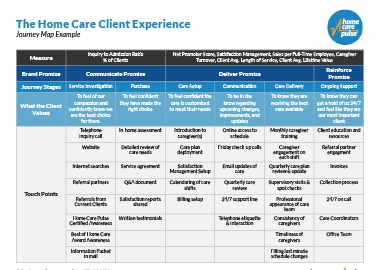
This section examines the stages of the client journey in home health care, highlighting the importance of tailored engagement strategies that meet potential clients’ needs. A clear grasp of this journey helps providers attract and retain clients effectively.
Mapping Out the Client Journey Stages
The home health care client journey can be segmented into several key stages:
- Awareness: Potential clients become aware of their need for home health care services, often prompted by health issues, aging, or referrals.
- Consideration: Clients start researching options, comparing services, and seeking testimonials or recommendations.
- Decision: Clients evaluate their choices, considering factors like cost, quality of care, and personal compatibility with caregivers.
- Onboarding: After selecting a provider, clients transition to receiving services, which includes initial assessments and setting care plans. This stage is crucial.
Identifying Touchpoints for Engagement
At each stage of the client journey, specific touchpoints can facilitate engagement and nurture relationships:
- Awareness: Use digital marketing strategies, social media outreach, and community events to raise awareness. This is where first impressions matter.
- Consideration: Provide informative content such as blogs, FAQs, and testimonials on your website to assist in the evaluation process (this is often overlooked).
- Decision: Offer free consultations, transparent pricing, and personalized service demonstrations to help clients finalize their choice.
- Onboarding: Implement a structured onboarding process that includes welcome packets, care plan discussions, and regular follow-ups. Make sure this process is smooth.
Strategies to Nurture Leads Through the Decision Process
Effective nurturing strategies include:
1. **Personalized Communication:** Tailor emails and phone calls to address specific client concerns and preferences.
2. **Educational Resources:** Share case studies, service comparisons, and expert insights to build trust and credibility.
3. **Follow-Up Systems:** Establish a robust follow-up system post-consultation to answer lingering questions and reinforce value.
According to a 2025 study, home health care agencies that used targeted follow-up strategies experienced a 30% increase in client conversion rates.
Best Practices for Onboarding New Clients
A successful onboarding process is critical for client satisfaction and retention. Key practices include:
– **Initial Assessments:** Conduct thorough evaluations to create customized care plans. This sets the stage for a positive experience.
– **Clear Communication:** Ensure transparency regarding services, costs, and expectations.
– **Client Involvement:** Engage clients and their families in care planning to foster a sense of ownership. This matters more than many realize.
Nuances in Client Acquisition
A common misconception is that digital marketing alone suffices for client acquisition. While having an online presence is essential, personal connections and community reputation heavily influence decision-making in home health care. Additionally, prospective clients may prioritize referrals from trusted sources over online reviews. Understanding local dynamics and nurturing community relationships can enhance credibility and attract clients.
Practical Application
To effectively implement these insights, home health care providers should:
– Develop a comprehensive client journey map that outlines engagement strategies at each stage.
– Invest in educational content that addresses common client concerns. This content can bridge gaps.
– Create a structured onboarding process that emphasizes communication and client involvement.
By focusing on these areas, providers can improve their ability to secure home health care clients and build lasting relationships.
Using Testimonials and Case Studies to Build Trust
Effective strategies for acquiring home health care clients rely heavily on establishing trust. Client testimonials and detailed case studies serve as powerful social proof, showing a provider’s reliability and effectiveness.
Collecting and Showcasing Client Testimonials
Client testimonials act as a potent form of social proof. Potential clients tend to engage services that others have positively reviewed. Establish a systematic approach to collecting these testimonials:
- Request feedback after service delivery — ensure clients feel comfortable sharing their experiences.
- Use structured formats, such as surveys or interviews, to gather detailed insights (this is often overlooked).
- Showcase testimonials prominently on your website and in marketing materials, featuring quotes that highlight specific benefits.
Creating Detailed Case Studies to Demonstrate Success
Case studies provide a narrative illustrating the effectiveness of home health care services. They should detail the challenges clients faced, the solutions provided, and the outcomes achieved. A well-structured case study includes:
- A brief background of the client and their needs.
- The specific services rendered and interventions applied.
- Quantifiable results — such as improvements in health metrics or client satisfaction ratings.
Incorporating statistics can enhance credibility. For instance, a case study might show that 85% of clients reported an improved quality of life after receiving care, underscoring the service’s impact.
Using Social Proof in Marketing Materials
Integrate testimonials and case studies across various marketing channels. Consider these approaches:
- Feature testimonials on your homepage or service pages to grab visitors’ attention immediately.
- Incorporate case studies into brochures and newsletters to add depth to your offerings.
- Leverage social media platforms to share client stories, fostering community engagement and attracting potential clients.
Interestingly, 79% of consumers report that user-generated content heavily influences their purchasing decisions.
Encouraging Word-of-Mouth Referrals Through Satisfied Clients
Satisfied clients often serve as the best advocates for home health care services. Implement strategies to encourage referrals:
- Develop a referral program that rewards clients for recommending your services.
- Regularly follow up with past clients to maintain relationships and remind them of your services.
- Host events or workshops that let clients and their families share experiences and connect with one another.
Word-of-mouth remains a powerful marketing tool. Studies show that referrals convert at a rate 4-5 times higher than other channels.
Many providers underestimate the emotional weight of client testimonials and case studies. While collecting positive feedback is essential, understanding the nuances of client experiences is equally important. Some clients may hesitate to share negative experiences — they often fear repercussions. Address this by creating an anonymous feedback system that allows clients to express concerns without hesitation. This transparency can enhance service delivery and strengthen trust.
To effectively leverage testimonials and case studies, providers should take the following actionable steps:
- Establish a feedback collection system that’s easy and non-intrusive.
- Craft compelling case studies that spotlight measurable results and client satisfaction.
- Integrate social proof into all marketing channels, ensuring visibility to potential clients.
- Encourage satisfied clients to share their experiences and refer others.
By employing these strategies, home health care providers can significantly boost their credibility and attract more clients.
Frequently Asked Questions
What are the best ways to market home health care services?
Effective marketing strategies for home health care services include online advertising, social media engagement, and community outreach. Building a professional website and utilizing SEO techniques can also enhance visibility and attract clients.
How can I build a referral network for home health care?
To build a referral network, establish relationships with healthcare professionals, local hospitals, and community organizations. Networking events and informational sessions can facilitate connections and foster trust within the community.
What are common mistakes to avoid in home health care marketing?
Common mistakes include neglecting online presence, failing to target the right audience, and not tracking marketing performance. Additionally, using generic messaging instead of personalized communication can hinder client engagement.
How much does it cost to acquire a home health care client?
The cost to acquire a home health care client varies widely, typically ranging from $300 to $1,000 depending on marketing strategies and local competition. Analyzing your marketing ROI can help optimize spending and improve client acquisition efficiency.
How long does it take to get home health care clients?
The timeline for acquiring home health care clients can vary, but it often takes several weeks to a few months. Factors such as marketing efforts, referral networks, and community reputation significantly influence the speed of client acquisition.
Final Thoughts on how to get home health care clients
To successfully attract home health care clients, a strategic blend of targeted online marketing, robust referral networks, and an in-depth understanding of the client journey is essential. These elements work synergistically to establish credibility and visibility in a competitive market.
Immediately implement a comprehensive digital marketing plan that includes SEO-optimized content, social media engagement, and targeted ads to reach potential clients where they are most active. This will position your services effectively and facilitate client acquisition.
Ready to boost your client base? Connect with a google ads expert today and watch your home health care business thrive!
Mastering client acquisition in home health care is not just beneficial; it is imperative for sustaining and growing a thriving business in an ever-evolving healthcare landscape.