
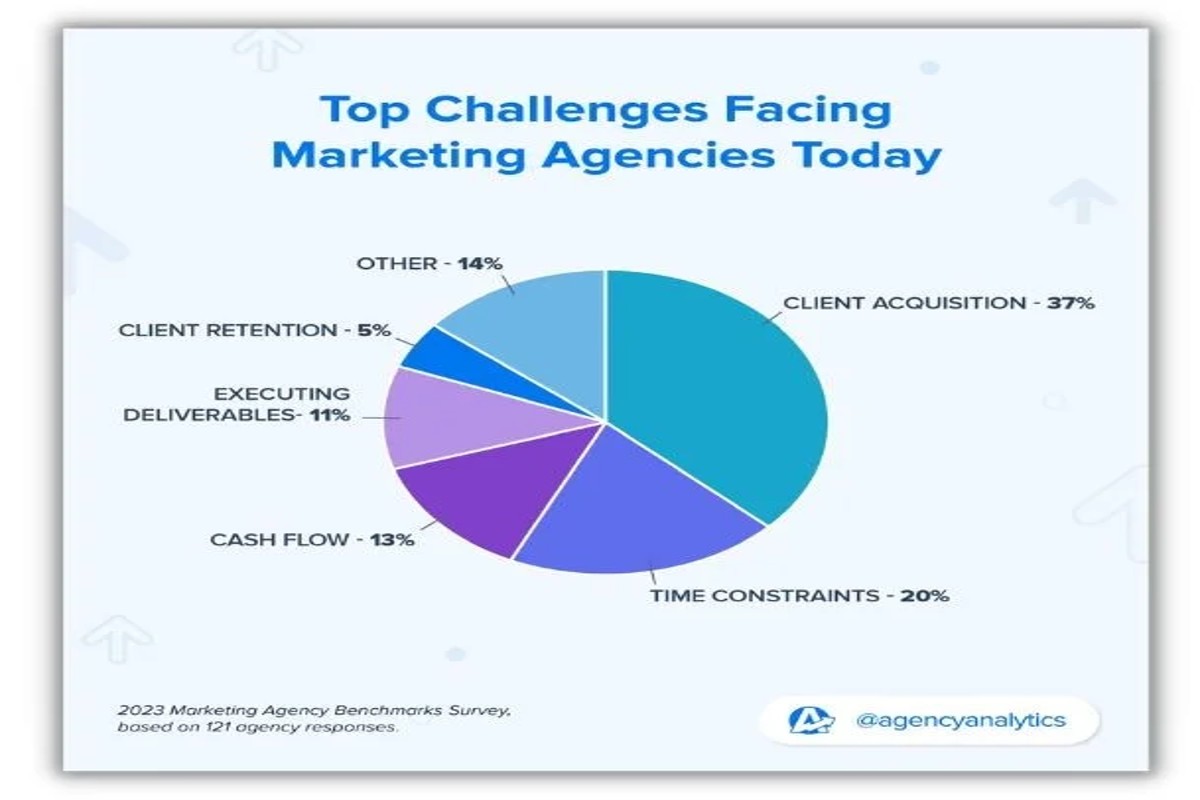
How to get clients for advertising involves strategies aimed at attracting businesses seeking advertising services. A strong portfolio, effective use of social media, and industry networking are key components, as approximately 70% of clients prefer agencies with proven case studies.
Understanding how to get clients for advertising is crucial for agencies aiming to thrive in a competitive market. With advertising spending projected to exceed $700 billion globally, agencies that master client acquisition can significantly enhance their market positioning and revenue potential.
Failure to effectively attract clients can result in lost revenue opportunities, wasted marketing resources, and a significant competitive disadvantage in an industry where client relationships are paramount.
This article will explore proven strategies for acquiring clients in the advertising sector, including building a compelling portfolio, leveraging social media effectively, and utilizing networking techniques to expand your reach.
What are the best ways to get clients for advertising?
Effective strategies to acquire clients for advertising include leveraging networking, obtaining referrals, and enhancing online presence. In 2024, about 70% of businesses reported gaining clients through referrals — this highlights the importance of strong relationships.
Building a solid network is crucial for attracting clients. Attend industry events, workshops, and local business meetups to connect with potential clients and other professionals. Establishing genuine relationships within your network can lead to referrals and collaborative opportunities. Plus, consider joining professional organizations related to advertising to expand your reach and credibility (this is often overlooked).
- Use referrals: Encourage satisfied clients to recommend your services to others. Implementing a referral program with incentives can motivate existing clients to actively promote your services.
- Enhance your online presence: Develop a professional website and maintain active social media profiles. Search Engine Optimization (SEO) strategies can help increase visibility, making it easier for potential clients to discover your services online.
- Create valuable content: Share case studies, industry insights, and success stories through blogs or videos. This establishes you as an expert in the field and attracts potential clients looking for knowledgeable partners.
- Leverage online platforms: Use platforms like LinkedIn, Upwork, and Fiverr to showcase your services and connect with businesses actively seeking advertising solutions. Regularly update your profiles to reflect your latest work and client testimonials — it’s essential.
Expert insight: Focus on nurturing relationships over time. A consistent follow-up strategy with leads can significantly increase conversion rates, turning initial contacts into long-term clients.
How can I attract clients for my advertising agency?
Attracting clients for an advertising agency requires a strategic approach. This combines online presence with effective networking. In 2024, agencies that actively engage on social media and maintain a professional website see an increase in client inquiries by up to 30%.
To attract clients successfully, follow these actionable steps:
- Create a compelling website: Design a professional, user-friendly website that showcases your services, portfolio, and client testimonials. Make sure it’s mobile-responsive and optimized for search engines — this enhances visibility.
- Utilize social media: Leverage platforms like LinkedIn, Instagram, and Facebook. Share your work, insights, and industry trends. Regularly post engaging content to build a following and establish authority in the advertising space.
- Network strategically: Attend industry events, conferences, and local networking meetups. Connect with potential clients face-to-face. Building relationships in person can lead to referrals and new business opportunities.
- Offer free resources: Create valuable content such as eBooks, webinars, or guides relevant to advertising. This positions your agency as a thought leader — it can attract clients seeking expertise.
- Implement targeted advertising: Use pay-per-click (PPC) and social media ads to reach specific audiences. Tailor your messaging to resonate with potential clients’ needs and pain points (this is often overlooked).
Building a strong reputation through consistent quality work is essential for client attraction. Satisfied clients often lead to referrals — one of the most effective ways to grow your client base.
Expert insight: Regularly evaluate your marketing strategies. Adapt to changes in client preferences and industry trends to maintain relevance and competitiveness in the advertising landscape.
What should I include in my advertising portfolio to attract clients?
To attract clients, an advertising portfolio must feature successful campaign examples and client testimonials. Highlighting key data, like percentage increases in sales or engagement metrics, can significantly boost credibility.
For instance, think of a digital marketing agency that launched a social media campaign for a local retail brand. The portfolio might showcase before-and-after statistics, showing a 30% increase in online sales and a 50% boost in social media engagement over three months. Including visuals — like campaign graphics and screenshots of social media posts — can effectively illustrate the creative strategies used. These elements provide tangible proof of success. They also help potential clients picture similar outcomes for their own businesses.
Furthermore, adding client testimonials creates a layer of trust. A statement from the retail brand, expressing satisfaction with the results and the agency’s professionalism, holds considerable weight. For example, a quote like, “Thanks to [Agency Name], our sales soared and our brand visibility improved immensely,” reinforces the agency’s effectiveness (this is often overlooked). Testimonials validate the claims made in the portfolio and can influence potential clients who are weighing different options.
Expert insight: Regularly update the portfolio with new projects and results. This helps reflect evolving industry standards and keeps it relevant in a competitive market.
How long does it take to get clients for advertising?
On average, acquiring clients for advertising takes about three to six months. This timeline often hinges on the strategies employed. Factors like networking, market demand, and outreach effectiveness can greatly influence how long it takes.
The time frame for getting clients can vary widely based on the approach. For instance, using social media platforms and digital marketing strategies can generate leads more quickly — sometimes within just a few weeks. In contrast, traditional methods like cold calling or attending industry conferences may take longer, often pushing the timeline beyond six months. The specific advertising niche is also important; highly competitive sectors may need more time to build credibility and attract clients.
Building a strong portfolio and gathering testimonials can speed up the client acquisition process. Clients tend to engage with advertising agencies that show proven success. Engaging in targeted marketing campaigns, such as email marketing or webinars, can further shorten the timeline by directly addressing potential clients’ needs (this is often overlooked) and showcasing expertise. Thus, the effectiveness of marketing strategies — along with the effort put into relationship building — is crucial in determining how quickly clients are secured.
Expert insight: Consistently following up with leads is essential. Maintaining a robust online presence enhances credibility and visibility, which can significantly reduce the time needed to acquire clients.
What is the cost of acquiring clients for advertising?
The cost of acquiring clients for advertising typically ranges from $200 to $2,000 per client, influenced by various factors. On average, businesses allocate about 20% of their overall marketing budget toward client acquisition efforts. This can fluctuate based on industry and strategy.
Several factors impact the cost of acquiring clients in advertising. Understanding these elements can help businesses fine-tune their strategies and allocate resources more effectively. Key factors include:
- Target Audience: The more niche or specialized the target audience, the higher the cost can be. In highly competitive markets — which often require greater investment in outreach and engagement — costs may escalate.
- Advertising Channels: Different platforms come with varying costs associated with client acquisition. For instance, paid social media ads can be pricier than organic search strategies, depending on competition and ad placement (this is often overlooked).
- Sales Cycle Length: Industries with longer sales cycles might incur higher acquisition costs. This is due to the extended time and resources needed to convert leads into clients.
Furthermore, the effectiveness of the advertising strategy is crucial in determining client acquisition costs. A well-optimized campaign can significantly bring down these costs by improving conversion rates and maximizing return on investment. Continuous testing and refinement of strategies are essential for maintaining cost efficiency — it’s a dynamic process.
Expert insight: To lower client acquisition costs, focus on building strong relationships with existing clients. Referrals and repeat business often lead to lower acquisition expenses compared to drawing in new clients through traditional advertising methods.
Building a Strong Online Presence
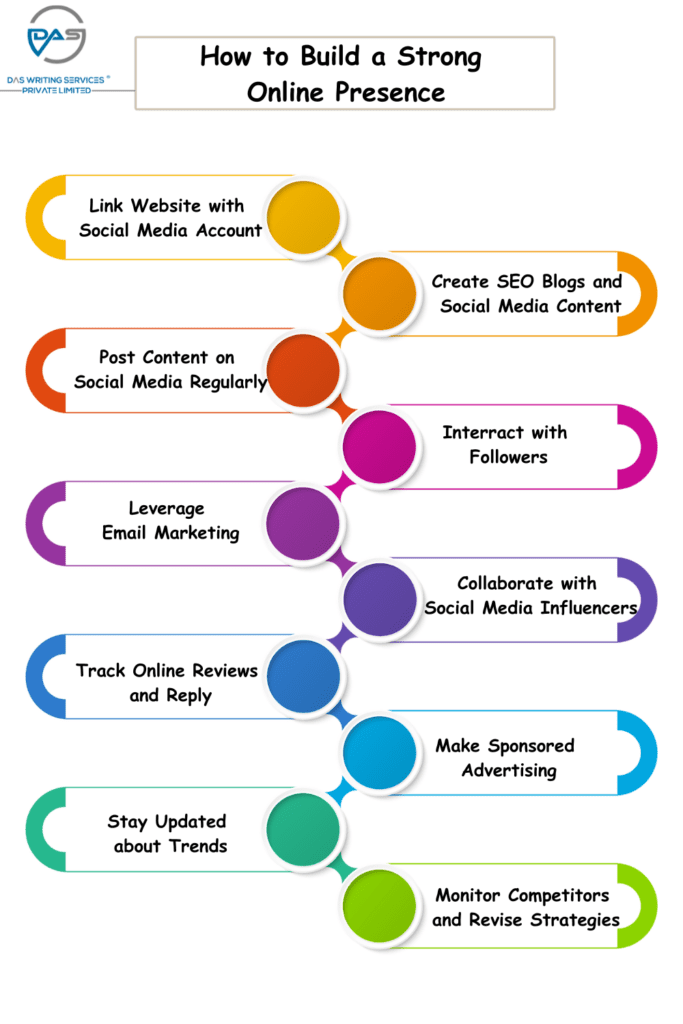
Establishing a robust online presence is crucial for attracting clients in the advertising sector. This section discusses key strategies that can enhance visibility and engagement — ultimately leading to client acquisition.
Creating a Professional Website
A professional website acts as the cornerstone of any online presence. It should clearly showcase services, portfolio, and client testimonials. Make sure the design is clean and user-friendly. Mobile responsiveness is a must. According to a 2024 survey, 75% of users judge a company’s credibility based on its website design.
Utilizing SEO to Improve Visibility
Search Engine Optimization (SEO) is vital for boosting your website’s visibility on search engines. Implement these strategies:
- Conduct keyword research to identify terms that potential clients use when searching for advertising services.
- Optimize on-page elements, including titles, meta descriptions, and header tags.
- Develop high-quality content that addresses the needs of your target audience.
Incorporating these tactics can boost organic traffic by up to 50% — significantly enhancing your chances of acquiring new clients.
Leveraging Social Media Platforms
Social media platforms are powerful tools for engagement and brand awareness. Focus on these activities:
- Choose platforms that align with your target audience, like LinkedIn for B2B clients or Instagram for visual storytelling.
- Regularly post content that highlights your expertise, including case studies and industry insights.
- Engage with followers through comments, direct messages, and polls to foster a sense of community and trust.
Statistics indicate that 54% of social media users utilize these platforms to research products and services (this is often overlooked) — underscoring their importance in client acquisition.
Regularly Updating Content
Keeping content fresh is crucial for retaining audience interest and improving SEO rankings. Implement a content calendar that includes:
- Blog posts addressing current trends and challenges in advertising.
- Webinars or live Q&A sessions to interact directly with potential clients.
- Case studies showcasing successful campaigns to illustrate your capabilities.
Regular updates can lead to a 60% increase in return visitors — enhancing the likelihood of converting visitors into clients.
While these strategies are effective, many advertising professionals miss the importance of localized SEO. For instance, businesses often focus only on national or global outreach, neglecting the potential of local client bases. Tailoring SEO efforts to include local keywords and creating location-specific content can attract clients who prefer working with nearby agencies.
To effectively implement these strategies, consider these actionable steps:
- Design and launch a professional website that reflects your brand identity.
- Conduct keyword research and optimize your website for SEO.
- Establish a presence on relevant social media platforms — engage consistently.
- Create a content calendar to ensure regular updates across all channels.
By executing these steps, you will enhance your online visibility and increase your chances of acquiring clients in the competitive advertising landscape.
Networking and Building Relationships
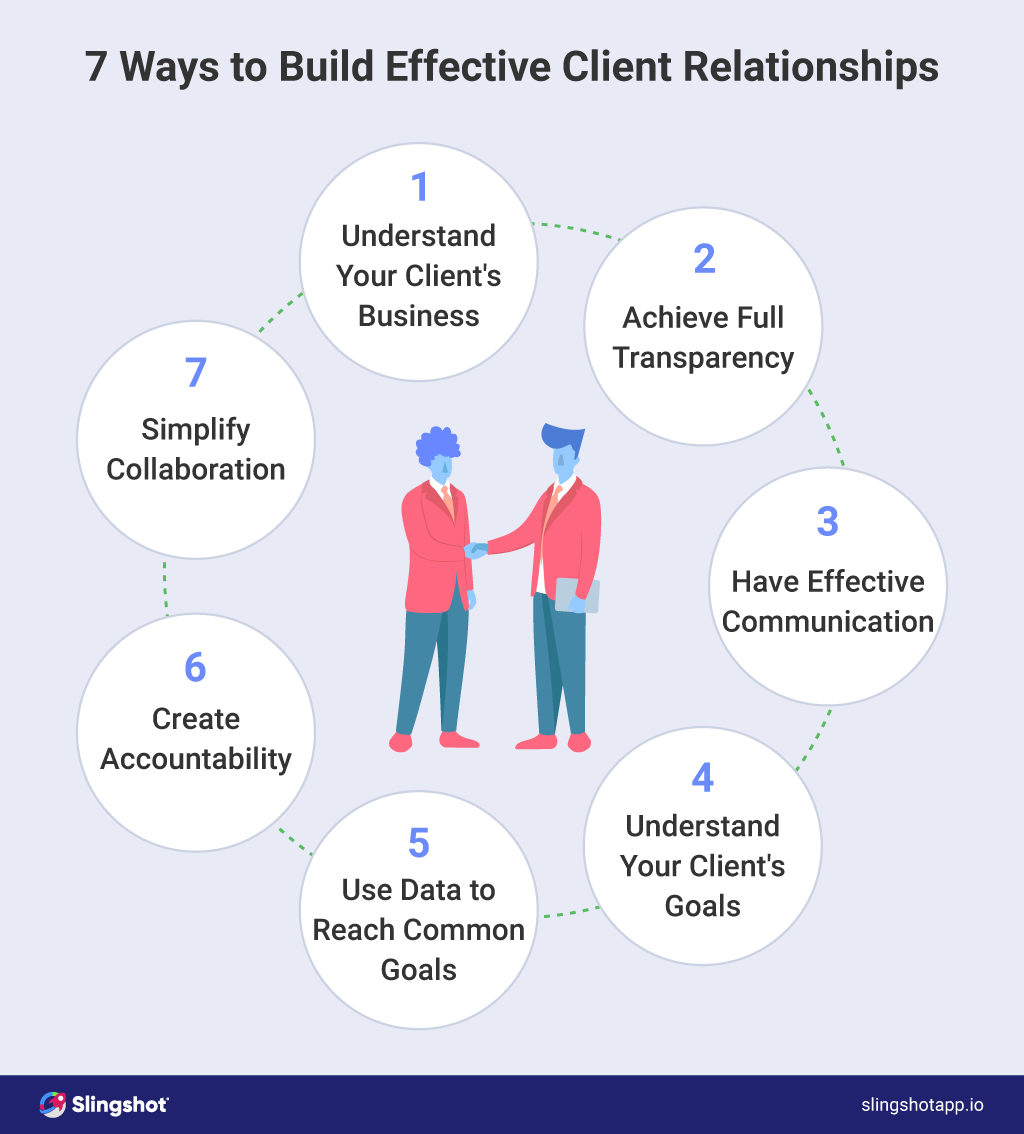
Effective networking and relationship-building are crucial for acquiring clients in advertising. Leveraging personal connections and industry relationships can unlock new opportunities. These strategies enhance business growth.
Attending Industry Events and Conferences
Industry events and conferences are prime venues for making connections with potential clients and collaborators. These gatherings facilitate face-to-face interactions, letting professionals showcase their expertise and learn about emerging trends. In 2024, over 70% of advertising executives reported securing new clients through networking at such events. Key events to consider include:
- Advertising Week
- ANA Masters of Marketing Conference
- Creative Summit
Joining Professional Organizations and Online Communities
Membership in professional organizations opens the door to a wealth of resources and networking opportunities. Organizations like the American Advertising Federation (AAF) and the Interactive Advertising Bureau (IAB) offer platforms for collaboration and mentorship. Online communities, including forums and social media groups, facilitate ongoing discussions and connections — expanding one’s network beyond geographical limitations. For example, LinkedIn groups related to advertising saw a 35% increase in active members from 2024 to 2026, highlighting the growing importance of these digital spaces.
Utilizing LinkedIn for Professional Connections
LinkedIn is a powerful tool for networking in the advertising sector. It allows professionals to connect with industry peers, share insights, and engage with relevant content. Building a strong LinkedIn profile, complete with a portfolio and endorsements, can significantly boost visibility. Regularly posting updates or articles on advertising trends attracts potential clients and showcases thought leadership. Recent data indicates that businesses actively engaging on LinkedIn experience a 50% higher lead generation rate compared to those that do not.
Following Up with Contacts to Maintain Relationships
Maintaining relationships is just as critical as establishing them. Following up with contacts after initial meetings or events solidifies connections and keeps communication lines open. This can be accomplished through personalized emails, sharing relevant articles, or inviting contacts to future events. A systematic follow-up strategy helps ensure connections don’t fade over time. This is crucial — 80% of business professionals agree that persistent communication is key to long-term client relationships.
Common misconceptions about networking often include the belief that it’s purely transactional. In reality, effective networking focuses on building genuine relationships founded on trust and mutual benefit. Many professionals overlook the importance of nurturing existing connections, aiming solely to expand their network. A balanced approach — one that emphasizes both aspects — can lead to more sustainable client acquisition strategies.
To effectively implement these networking strategies, professionals should:
- Identify and attend at least two industry events each year.
- Join relevant professional organizations and actively participate in discussions.
- Optimize LinkedIn profiles and engage regularly with industry-related content.
- Establish a follow-up schedule for maintaining relationships with contacts.
By actively engaging in these practices, advertising professionals can enhance their networking capabilities. The result is often more clients and increased business opportunities.
Leveraging Referrals and Testimonials
This section looks into effective strategies for using referrals and testimonials to attract new clients, which is essential for growing an advertising business. By harnessing the power of satisfied clients, agencies can greatly enhance their credibility and reach.

Encouraging Satisfied Clients to Refer Others
Word-of-mouth remains one of the most potent marketing tools. Satisfied clients can turn into advocates who refer others to your advertising services. Building a strong relationship with clients is key — make sure they feel valued and appreciated. Regular check-ins and personalized communication can help foster this connection. Recent studies indicate that 83% of satisfied customers are willing to refer products or services (this is often overlooked), demonstrating the potential of client advocacy.
Showcasing Testimonials Prominently on Your Website
Testimonials act as social proof and can significantly impact potential clients. Display them prominently on your website, particularly on landing pages and service descriptions. Use a mix of formats, such as text, video, or audio testimonials to meet different preferences. Highlighting specific results or metrics achieved through your advertising efforts can further add to credibility. For instance, a testimonial that states, “Our sales increased by 30% after working with this agency” carries more weight than a generic endorsement.
Creating Referral Programs to Incentivize Clients
Referral programs can add an extra layer of motivation for clients to refer your services. Consider implementing a structured program that offers rewards, such as discounts, gift cards, or service upgrades, for successful referrals. Clearly communicate the program’s terms — and make the process straightforward. A well-designed referral program can boost referral rates by 25-50%, showcasing its effectiveness in broadening your client base.
Using Case Studies to Highlight Successful Collaborations
Case studies are powerful tools for showcasing the effectiveness of your advertising strategies. Develop in-depth narratives detailing the challenges faced by clients, the solutions your agency provided, and the outcomes achieved. Include quantitative data, such as increased engagement metrics or revenue growth, to strengthen the case study’s impact. Display these prominently on your website and share them via social media or email newsletters to reach a wider audience.
Nuance / Expert Layer
Many agencies overlook the need for follow-up after a successful project. Clients may be open to providing referrals or testimonials soon after a positive experience, but timing is crucial. Engaging clients shortly after project completion — perhaps through a feedback survey — can capture their enthusiasm and lead to valuable endorsements. Additionally, some agencies mistakenly think that asking for referrals is intrusive. However, most clients appreciate the chance to share positive experiences, especially if incentivized appropriately (worth double-checking).
Practical Application
- Establish a systematic approach to request referrals after successful projects.
- Create a dedicated testimonials page on your website with diverse formats.
- Design a referral program with clear incentives and promote it actively.
- Develop case studies for your top projects, emphasizing measurable results.
By implementing these strategies, agencies can effectively leverage referrals and testimonials as powerful tools to secure new clients, ultimately enhancing their reputation and client base in the competitive advertising landscape.
Understanding Client Needs and Tailoring Solutions
Grasping client needs is essential for developing effective advertising strategies. Tailoring solutions boosts client satisfaction and drives business growth — it fosters long-term relationships.

Conducting Thorough Client Interviews
Effective client interviews yield critical insights into their expectations, challenges, and goals. Use open-ended questions that encourage clients to share their vision, pain points, and desired outcomes. This qualitative data is the backbone of customized advertising solutions. A 2024 survey found that companies investing in understanding client needs often see a 30% increase in client retention rates.
Customizing Proposals Based on Client Objectives
Proposals need to reflect the specific objectives shared during client interviews. Highlight how your services align with their goals — this shows a clear grasp of their unique situation. Use metrics and benchmarks relevant to their industry to validate proposed strategies. For instance, if a client aims to increase brand awareness, include case studies showcasing successful campaigns with similar goals.
Offering Flexible Service Packages
Clients have varied needs and budgets, which calls for flexible service offerings. Consider creating tiered packages that meet different levels of investment and engagement. This strategy lets clients choose services that best suit their requirements, enhancing perceived value. Flexibility lets adjustments be made as client needs evolve, maintaining relevance in a dynamic market.
Regularly Seeking Feedback
Continuous improvement relies on client feedback. Implement a structured feedback mechanism post-campaign to gauge satisfaction and identify areas for enhancement. This could involve surveys or follow-up interviews. A 2025 industry report indicated that agencies actively soliciting feedback often experience a 25% boost in service quality and client loyalty.
Nuances and Common Misconceptions
A common misconception is that tailoring solutions demands extensive resources and time. In reality, effective customization hinges on focused communication and strategic questioning. Agencies frequently overlook the importance of ongoing feedback, which can lead to stagnation in service offerings. Regularly revisiting client objectives can uncover new opportunities for collaboration and innovation (this is often overlooked).
Practical Application
- Schedule initial client interviews with structured questionnaires to gather insights.
- Develop proposal templates that can be easily customized based on client feedback.
- Create three distinct service packages to cater to varying client needs and budgets.
- Establish a feedback loop with clients to continuously refine services and approaches.
Frequently Asked Questions
What are the best ways to get clients for advertising?
The best ways to get clients for advertising include networking, leveraging social media, and utilizing online advertising platforms. Building a strong personal brand and showcasing successful case studies can also attract potential clients.
How can I attract clients for my advertising agency?
Attracting clients for an advertising agency involves creating a compelling online presence and demonstrating expertise through valuable content. Engaging in industry events and offering free consultations can also help establish credibility and draw in clients.
What should I include in my advertising portfolio to attract clients?
An effective advertising portfolio should showcase a diverse range of successful campaigns, including measurable results and client testimonials. Including case studies that highlight creative strategies and problem-solving abilities can further enhance appeal.
How long does it take to get clients for advertising?
The time it takes to acquire clients for advertising can vary widely, typically ranging from a few weeks to several months. Factors such as industry demand, networking efforts, and marketing strategies play a significant role in the timeline.
What is the cost of acquiring clients for advertising?
The cost of acquiring clients for advertising varies based on marketing strategies and channels used, with expenses potentially ranging from a few hundred to several thousand dollars. Effective targeting and optimization can help reduce acquisition costs over time.
Final Thoughts on how to get clients for advertising
Securing clients for advertising hinges on a multifaceted approach that emphasizes a robust online presence, strategic networking, and leveraging testimonials. By integrating these strategies, advertising professionals can create a compelling value proposition that resonates with potential clients.
To immediately enhance client acquisition efforts, focus on optimizing your online portfolio. Ensure it showcases not only successful case studies but also the unique methodologies that differentiate your agency, making it easy for prospective clients to understand your value.
Ready to elevate your advertising game? Consult with a google ads expert and watch your client list grow!
In a competitive landscape, mastering client acquisition is essential for sustainable growth and industry relevance.