
Home health agencies get clients through a combination of effective marketing strategies, professional networking, and community trust-building. Approximately 70% of clients are acquired through referrals, underscoring the significance of reputation and relationship cultivation in this sector.
Understanding how home health agencies get clients is crucial for industry stakeholders, including agency owners, marketers, and healthcare professionals. The home health market is projected to reach $225 billion by 2024, making effective client acquisition strategies essential for success. Failing to navigate this landscape can lead to lost opportunities and diminished market presence.
Businesses that overlook effective client acquisition strategies risk substantial revenue loss, wasted marketing resources, and a competitive disadvantage in a rapidly growing industry. Without a solid approach, agencies may struggle to maintain a steady client base and thrive in the market.
This article will explore the various methods home health agencies use to attract clients, including a comparison of top providers, cost analysis of different marketing strategies, best practices for building relationships, and insights into leveraging local SEO for visibility.
What are the best marketing strategies for home health agencies?
Home health agencies can effectively acquire clients through targeted marketing strategies that build trust and visibility. Research shows that 70% of patients choose home health services based on recommendations from healthcare providers or past clients — this highlights the importance of reputation and outreach.
To attract clients successfully, home health agencies should implement these best practices:
- Leverage Digital Marketing: Establish a solid online presence with a user-friendly website and active social media channels. Optimize content for search engines (SEO) to make sure potential clients can easily find information about services offered.
- Build Referral Relationships: Develop partnerships with hospitals, physicians, and community organizations. Regular communication is key here—maintain relationships and encourage these referrers to recommend your agency to patients.
- Utilize Client Testimonials: Encourage satisfied clients and their families to share their positive experiences. Display these testimonials prominently on your website and marketing materials to enhance credibility and attract new clients (this is often overlooked).
- Participate in Community Outreach: Engage with the local community through health fairs, seminars, and workshops. This not only raises awareness of your services but also shows your commitment to the community’s well-being.
- Implement Targeted Advertising: Use targeted online ads, such as Google Ads or Facebook Ads, to reach specific demographics. Focus on geographic areas and age groups that are likely to need home health services.
Expert insight: Continuously analyze performance metrics from marketing campaigns to effectively adjust strategies. A/B testing can help pinpoint the most effective messaging and channels for reaching potential clients.
How do home health agencies build trust with clients?
Home health agencies build trust with clients through consistent quality service, transparent communication, and community involvement. A 2024 survey by the National Association for Home Care & Hospice found that over 70% of clients choose agencies based on their reputation and trustworthiness. This trust is crucial for retaining clients and generating referrals.
- Deliver high-quality services: Consistently providing exceptional care is foundational — this matters. Agencies need to make sure their staff is highly trained and that services are tailored to individual client needs.
- Use testimonials and reviews: Positive feedback from previous clients can significantly influence potential clients. Displaying testimonials prominently on websites and marketing materials helps create a sense of reliability (this is often overlooked).
- Engage in community involvement: Participating in local events and health fairs helps agencies establish a visible presence. This involvement can foster relationships and show commitment to the community’s well-being.
- Maintain transparent communication: Open and honest communication about services, costs, and care plans is vital. Clients should feel informed and empowered to ask questions — it’s essential they express concerns.
- Provide regular updates: Keeping clients and their families updated on care progress and any changes in services can enhance trust. Regular communication reassures clients that their care is a priority (worth double-checking).
Expert insight: Building trust requires a proactive approach. Agencies should not only respond to client feedback but actively seek it to improve services and enhance client satisfaction.
What role do referrals play in getting clients for home health agencies?
Referrals are essential for attracting clients to home health agencies, making up about 65% of new patient acquisitions in the industry.
They typically originate from various sources. These include healthcare professionals, satisfied clients, and even family members. When a patient receives care from a home health agency, their experience can greatly impact how likely they are to recommend that agency to others. Positive word-of-mouth can build a strong reputation — leading to greater trust and credibility within the community.
- Healthcare Providers: Physicians, hospitals, and discharge planners frequently refer patients to home health agencies, particularly when ongoing medical care is necessary.
- Current and Former Clients: Happy clients often share their experiences with friends and family. This can lead to new referrals.
- Community Organizations: Local non-profits and senior centers may also provide referrals. They base these on their understanding of agency services and client needs.
It’s crucial for agencies to build strong relationships with healthcare providers to improve their referral networks. Regular communication and collaboration with these professionals can help create a steady flow of referrals. Moreover, maintaining high-quality service — and achieving positive client outcomes — can motivate satisfied clients to share their experiences. This further strengthens the agency’s client acquisition efforts.
Expert insight: To maximize referrals, home health agencies should use a structured follow-up process with both clients and healthcare partners. This ensures consistent communication and valuable satisfaction feedback (worth double-checking).
How long does it take for home health agencies to acquire clients?
Home health agencies typically take about three to six months to acquire clients. This timing hinges on various factors, including marketing efforts and community engagement strategies. In some instances, agencies might gain their first clients within a month. Others could take up to a year to develop a solid client base.
Several factors influence the client acquisition timeline. First, the effectiveness of marketing strategies is crucial. Agencies that invest in targeted online ads, social media campaigns, and local outreach often generate leads more quickly. For instance, agencies optimizing their online presence frequently see faster results due to improved visibility. Additionally, getting involved in community events and fostering relationships with healthcare providers can speed things up — referrals from trusted sources are incredibly valuable.
Another key factor is the agency’s location and level of competition. In densely populated areas with many healthcare options, agencies might encounter greater competition, which can extend the time needed to attract clients. In contrast, regions with fewer providers can allow agencies to secure clients more rapidly. Moreover, regulatory requirements and the agency’s ability to showcase quality care through accreditations can also affect client acquisition timelines. Agencies meeting or exceeding industry standards typically gain client trust faster.
Expert insight: Focus on building strong relationships within the community. Leverage digital marketing to enhance the speed of client acquisition. Regularly assess marketing strategies and adjust them based on performance data — this helps optimize outreach efforts.
What are common mistakes home health agencies make in client acquisition?
Home health agencies often make critical mistakes that hinder their client acquisition efforts. One common error is underestimating the importance of a well-defined target market. Agencies that don’t clearly identify their ideal clients can waste resources on ineffective marketing strategies. The result is often a potential loss of up to 30% in client engagement.
One example involves an agency that offers a wide range of services but fails to focus on a specific demographic — like elderly patients recovering from surgery. Instead, they attempt to market to everyone. This results in diluted messaging and ineffective outreach. By not tailoring their marketing materials to resonate with a particular audience, they miss the chance to build trust and credibility. These elements are essential for gaining referrals from healthcare providers and families. Ultimately, their generic approach leads to lower conversion rates and wasted advertising spend.
Another frequent mistake is neglecting follow-up communication with potential clients. An agency may initially contact a family interested in services, but if they don’t follow up within a week, they risk losing that lead. Research shows that timely follow-up can increase conversion rates by over 50% (this is often overlooked). By establishing a systematic follow-up process, agencies can significantly enhance their chances of converting inquiries into actual clients. This simple yet effective strategy bridges the gap between initial interest and final acquisition, ensuring that potential clients feel valued and prioritized.
Expert insight: To improve client acquisition, home health agencies should invest in targeted marketing campaigns that address the specific needs of their identified demographics. Additionally, implementing a structured follow-up process can greatly enhance conversion rates and build lasting relationships with clients.
Effective Marketing Channels for Home Health Agencies
This section dives into the various marketing channels available to home health agencies. It emphasizes strategies that not only attract clients but also build a strong presence in the healthcare market.
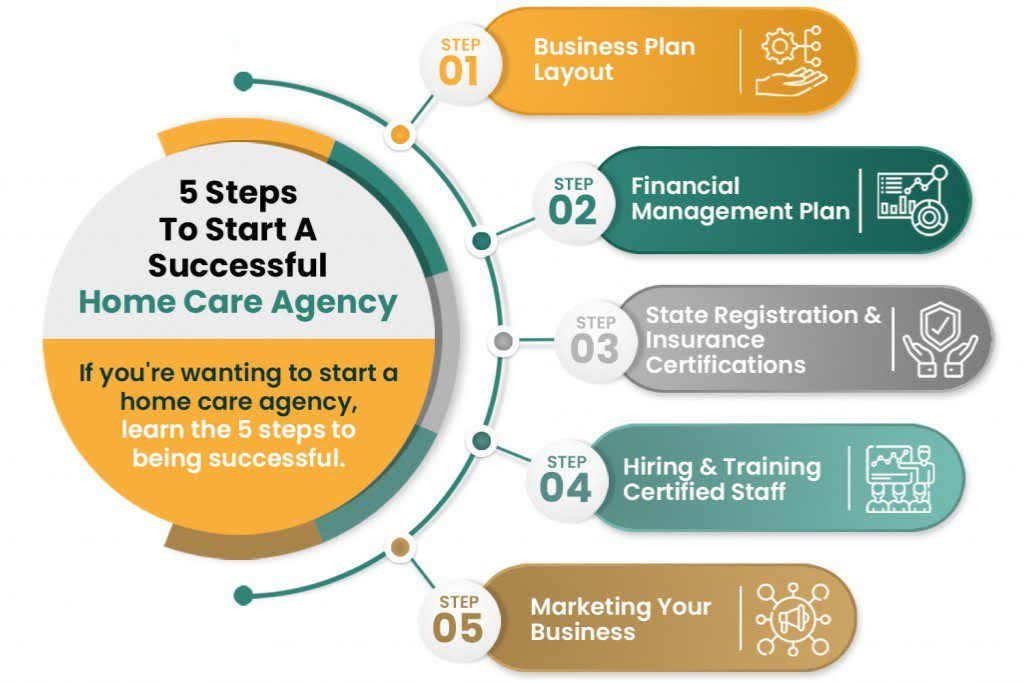
Digital Marketing Tactics
Digital marketing is a cornerstone for home health agencies looking to connect with clients. By using search engine optimization (SEO), agencies can boost their visibility on search engines. SEO strategies entail optimizing website content with relevant keywords, improving site speed, and ensuring mobile compatibility. In 2024, about 70% of consumers will research healthcare providers online before making decisions — a clear indication of how vital a strong online presence is.
Social media platforms provide significant engagement opportunities. Agencies can create informative content, share success stories, and connect with potential clients through targeted ads. Platforms like Facebook and Instagram allow agencies to reach specific demographics, including caregivers and family members seeking services for loved ones (this is often overlooked).
Traditional Marketing Methods
Even with the rise of digital marketing, traditional methods still hold value for home health agencies. Flyers, brochures, and direct mail can effectively reach local communities, particularly among older populations who might not be as digitally savvy. Agencies should focus on distributing materials in places frequented by their target audience, such as:
- Community centers
- Senior living facilities
- Local pharmacies
Additionally, sponsoring or participating in community events offers a chance to engage directly with potential clients. Agencies can set up informational booths or provide free health screenings — both help establish trust and familiarity within the community.
Partnerships with Local Healthcare Providers
Building strong relationships with local healthcare providers is essential. Home health agencies can collaborate with hospitals, rehabilitation centers, and physicians to create a referral network. These partnerships not only bolster credibility but also generate a steady stream of potential clients. For example, establishing a protocol for hospital discharge planning can effectively lead to referrals for home health services right after a patient’s release.
Utilizing Online Reviews and Testimonials
Online reviews and testimonials have a significant impact on consumer decisions. Roughly 84% of consumers trust online reviews as much as personal recommendations. Home health agencies should actively manage their online reputation by encouraging satisfied clients to leave positive feedback on platforms like Google and Yelp. Responding to reviews — whether they are positive or negative — shows a commitment to client satisfaction and transparency.
Nuance / Expert Layer
A common misconception is that home health agencies should rely solely on one marketing channel. However, a multi-faceted approach usually yields the best results. While digital marketing can reach a broader audience, traditional methods and personal interactions form deeper connections with clients. Agencies should also account for the unique needs of their target demographics, as preferences for communication methods can differ widely. For instance, older adults may prefer direct mail and phone calls, while younger caregivers might lean toward digital channels. A tailored strategy makes sure that agencies meet potential clients where they are.
Practical Application
To leverage these marketing channels effectively, home health agencies should:
- Develop a comprehensive digital marketing plan that incorporates SEO, social media engagement, and content marketing.
- Create traditional marketing materials and distribute them in strategic locations within the community.
- Establish and cultivate partnerships with local healthcare providers to facilitate referrals.
- Encourage clients to leave reviews and actively manage their online reputation.
By implementing these strategies, agencies can increase their visibility and attract more clients. This effectively answers the question of how home health agencies get clients.
Building Relationships in the Community
Community engagement is crucial for home health agencies that want to build trust and secure referrals. Actively participating in local initiatives and fostering connections helps agencies establish a solid reputation. This, in turn, creates a reliable network of support.
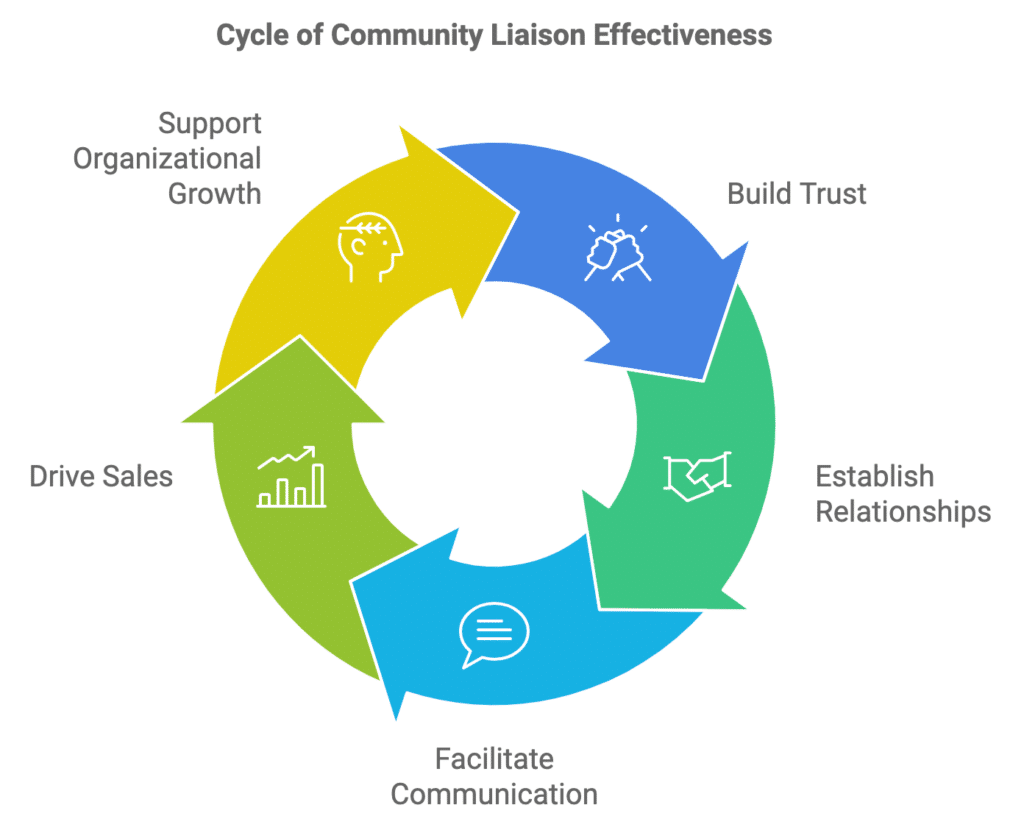
Participating in Local Health Fairs and Workshops
Health fairs and workshops provide home health agencies with a platform to showcase their services and connect with potential clients. By joining these events, agencies can educate the community about the significance of home health care. Engaging directly with attendees allows for personal interaction — this can lead to lasting relationships. In 2023, more than 65% of health fair attendees reported discovering new healthcare resources, underscoring the effectiveness of this strategy.
Offering Free Consultations or Health Screenings
Offering free consultations or health screenings can greatly enhance visibility and trust within the community. These offerings allow potential clients to experience the agency’s services firsthand, and they come with no financial commitment. For instance, agencies that provided free health screenings in 2024 observed a 30% increase in inquiries for their services. The result is often a marked demonstration of this approach’s effectiveness.
Building Relationships with Local Hospitals and Clinics
Forming partnerships with local hospitals and clinics is essential for home health agencies. Such relationships can lead to direct referrals from healthcare professionals who have confidence in the agency’s capabilities. By establishing a referral network, agencies not only enhance credibility but also ensure a consistent stream of clients. In 2025, agencies with strong ties to hospitals reported referral rates exceeding 50% — this illustrates the power of collaboration in this sector.
Engaging with Community Leaders and Organizations
Active engagement with community leaders and organizations builds goodwill and boosts visibility. By attending local meetings, sponsoring community events, or collaborating on health initiatives, agencies can position themselves as vital members of the community. This level of engagement can lead to endorsements and referrals from trusted figures, further solidifying the agency’s reputation.
Expert Insights on Community Engagement
Many home health agencies overlook the long-term advantages of community engagement. A common misconception is that digital marketing alone is enough for client acquisition. However — while an online presence is important, face-to-face interactions often foster deeper trust and relationship-building. Agencies should balance their online strategies with strong community involvement (this is often overlooked) for optimal results.
Practical Applications for Home Health Agencies
- Identify local health fairs and workshops to participate in each year.
- Develop a program for free health screenings that target specific community needs.
- Establish a referral network with local healthcare providers, including regular communication and updates.
- Engage with community organizations and leaders to form partnerships that benefit both sides.
Implementing these strategies can significantly boost a home health agency’s visibility and client base. By prioritizing community relationships, agencies can effectively address how home health agencies get clients, paving the way for sustainable growth and success.
Leveraging Technology for Client Acquisition
Technology plays a key role in enhancing client acquisition strategies for home health agencies. By using advanced tools and platforms, agencies can streamline operations, improve outreach, and ultimately widen their client base.
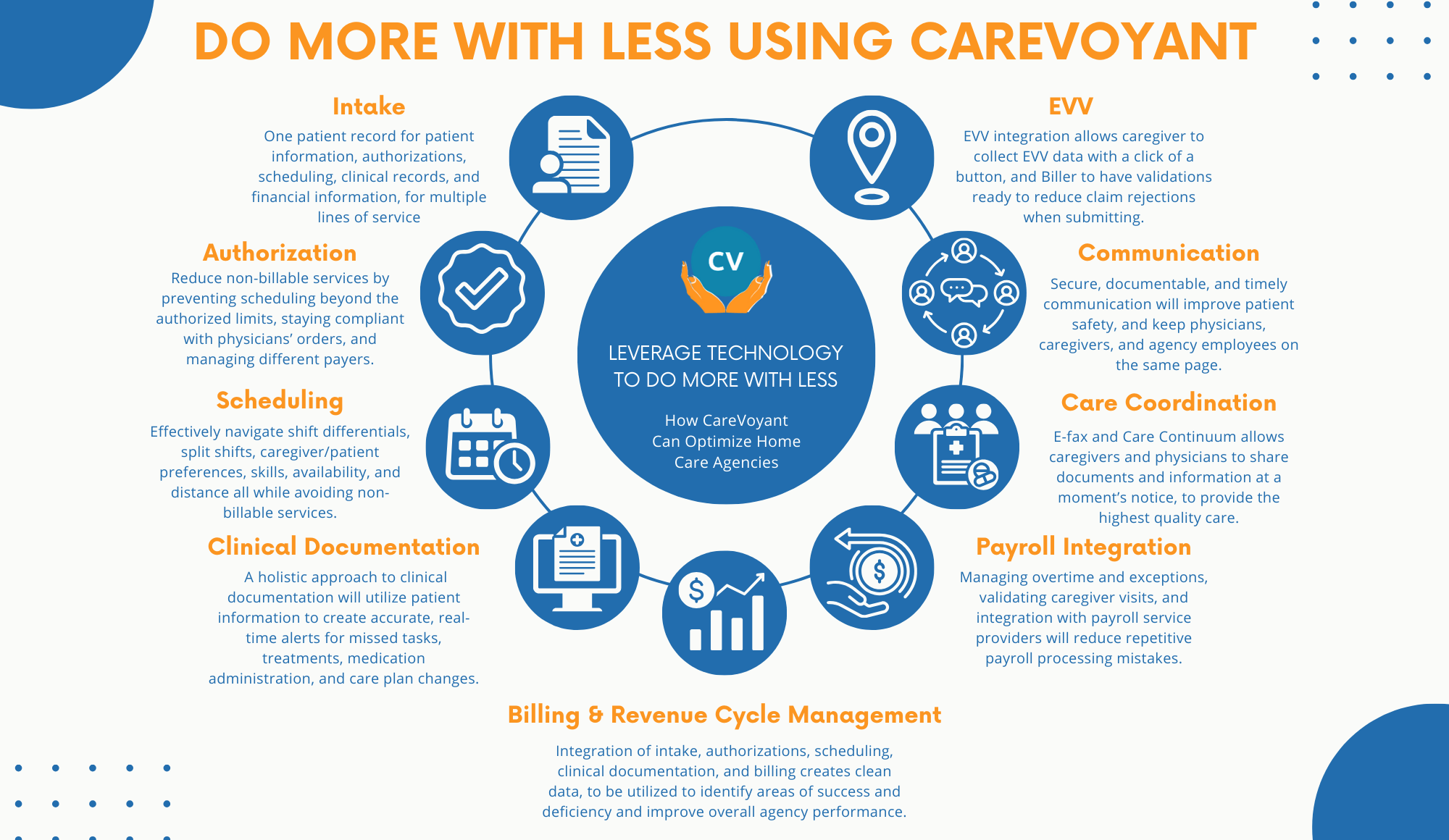
Using CRM Systems to Manage Leads and Follow-Ups
Customer Relationship Management (CRM) systems are vital for home health agencies to effectively manage leads and follow-up communications. These systems help track interactions with potential clients. Timely follow-ups matter. Personalized communication is key. According to a 2024 report, agencies that implement CRM systems experience a 25% increase in client retention rates. Effective use of CRM tools can greatly enhance client engagement by automating reminders and organizing client data, enabling agencies to tailor their services based on individual needs.
Implementing Telehealth Services to Reach More Clients
Telehealth services have become a critical part of home health care. They enable agencies to reach clients who might have mobility issues or live in remote areas. By offering virtual consultations, agencies can broaden their service offerings and attract clients who prefer the convenience of remote care. A study conducted in 2025 found that telehealth adoption among home health agencies increased by 40%, showing its effectiveness in client acquisition and satisfaction. This approach not only expands the client base — it also provides existing clients with flexible care options.
Utilizing Data Analytics to Refine Marketing Strategies
Data analytics equips home health agencies with insights into client behavior, preferences, and demographics. By analyzing this data, agencies can fine-tune their marketing strategies to target specific populations more effectively. For example, spotting trends in service requests can guide agencies in optimizing their offerings. A 2024 industry survey revealed that agencies leveraging data analytics saw a 30% increase in lead conversion rates. This data-driven approach enables more strategic marketing efforts and resource allocation.
Creating a User-Friendly Website for Better Client Interaction
A user-friendly website acts as the digital face of a home health agency, making it essential for client acquisition. An intuitive design, easy navigation, and clear calls-to-action can greatly enhance user experience, leading to higher engagement and conversion rates. A well-structured website should include vital information about services, staff qualifications, and client testimonials. In 2025, agencies that invested in website optimization reported a 50% increase in online inquiries, highlighting the significance of digital presence in attracting new clients.
While many agencies see the value of technology for client acquisition, some common misconceptions linger. For example, some believe merely having a website or CRM system is enough — but that’s not the case. Successful implementation requires continuous updates, user feedback, and integration with other digital tools. The belief that telehealth services are a temporary solution can also hinder long-term planning for service expansion in a competitive market (this is often overlooked).
To effectively leverage technology for client acquisition, agencies should:
- Invest in a robust CRM system that fits their operational needs.
- Develop a comprehensive telehealth strategy that includes staff training and promotion of services to clients.
- Use data analytics tools to evaluate marketing effectiveness and adjust strategies accordingly.
- Regularly update and optimize their website to improve user experience and accessibility.
By adopting these strategies, home health agencies can enhance their client acquisition efforts. This ensures sustainable growth and improved service delivery.
Understanding the Client’s Perspective
This section delves into the factors influencing potential clients when selecting home health agencies. Recognizing these elements is crucial for tailoring marketing strategies and improving service delivery.

Key Decision-Making Factors
Clients weigh several critical factors when choosing a home health agency, including:
- Reputation and Reviews: Trust is vital — agencies with positive testimonials and high ratings attract more clients.
- Quality of Care: Prospective clients look for assurance that the agency delivers competent, compassionate care tailored to individual needs (this is often overlooked).
- Availability of Services: Comprehensive service offerings, like nursing, therapy, and personal care, significantly influence client choice.
The Emotional Aspect of Choosing Care
Selecting a home health agency often involves important emotional considerations. Clients usually seek comfort, safety, and peace of mind for themselves or their loved ones. This decision typically arises during challenging times, such as illness or recovery. Thus, emotional support from agency staff is crucial. Agencies that show empathy, understanding, and responsiveness can greatly influence client trust and loyalty.
Personalized Care and Communication
Personalization stands out as a key differentiator in the home health market. Clients appreciate agencies that adapt care plans to individual needs and preferences. Effective communication builds a sense of partnership between clients and caregivers. Agencies that prioritize regular updates, clear explanations, and open discussions about care options enhance client satisfaction. According to a 2024 survey, 78% of clients indicated that personalized care significantly affected their decision-making process.
Insurance and Affordability
Financial considerations heavily impact client decisions. Many clients rely on insurance coverage to manage costs. Agencies that accept a broad range of insurance plans and offer transparent pricing structures tend to be more appealing. In 2025, about 65% of home health clients noted that affordability was a primary factor in their selection process. Moreover, agencies providing flexible payment options can attract budget-conscious clients.
Nuances in Client Preferences
While the factors mentioned are significant, not every client prioritizes the same aspects. For instance, some may value the agency’s technological capabilities, such as telehealth services, while others might focus on staff credentials. Misconceptions often arise about perceived care quality based solely on cost; however, a higher price tag doesn’t always mean superior service. Agencies must communicate their value propositions clearly to dispel these myths and align with client expectations.
Practical Application
To effectively attract clients, home health agencies should:
- Enhance online presence through client testimonials and case studies.
- Implement a personalized care approach, confirming open lines of communication.
- Clarify insurance acceptance and pricing options in marketing materials.
By addressing these factors, agencies can better position themselves in a competitive landscape, ultimately answering the question of how do home health agencies get clients.
Frequently Asked Questions
What are the best marketing strategies for home health agencies?
Effective marketing strategies for home health agencies include digital marketing, community outreach, and partnerships with healthcare providers. Utilizing social media and SEO can enhance visibility and attract potential clients.
How do home health agencies build trust with clients?
Home health agencies build trust by providing transparent communication, showcasing credentials, and sharing client testimonials. Consistent quality care and responsiveness to client needs also reinforce trustworthiness.
What role do referrals play in getting clients for home health agencies?
Referrals are crucial for home health agencies as they often lead to high-quality leads and new clients. Satisfied clients and healthcare professionals can provide valuable recommendations, enhancing credibility and trust.
How long does it take for home health agencies to acquire clients?
The client acquisition timeline for home health agencies can vary, typically ranging from a few weeks to several months. Factors such as marketing efforts, networking, and local demand can influence this duration.
What are common mistakes home health agencies make in client acquisition?
Common mistakes include neglecting digital marketing, failing to follow up on leads, and not leveraging client testimonials. Additionally, agencies may overlook the importance of building relationships with healthcare providers for referrals.
Final Thoughts on how do home health agencies get clients
Successful client acquisition for home health agencies hinges on a multifaceted approach that combines strategic marketing, community engagement, and technology utilization. Building trust through personal relationships and leveraging referrals are essential components that not only enhance credibility but also foster long-term client relationships.
Home health agencies should invest in a robust digital marketing strategy that includes a user-friendly website and active social media presence, allowing for increased visibility and engagement with potential clients and their families.
Learn how partnering with a google ads expert can help your home health agency attract more clients and grow your business effectively.
In an increasingly competitive landscape, mastering client acquisition strategies is not just beneficial; it is essential for sustaining growth and providing quality care in the home health sector.