

How to get clients for financial advisor refers to the strategies and methods employed by financial advisors to attract and retain clients. A strong online presence, effective networking, and leveraging referrals are essential, as approximately 80% of clients come through personal connections, underscoring the importance of relationship-building in this industry.
Understanding how to get clients for financial advisor is crucial for professionals in the financial services sector. With the financial advisory market projected to reach $1.3 trillion by 2025, mastering client acquisition strategies is vital for sustainable growth. Failing to effectively attract clients can result in lost opportunities and hinder a firm’s ability to compete in an increasingly crowded marketplace.
Not grasping effective client acquisition strategies can lead to significant costs, including missed revenue opportunities and wasted marketing resources. Financial advisors who struggle to build a client base may find themselves at a competitive disadvantage, risking their business’s viability in a rapidly evolving industry.
This article will explore proven strategies for acquiring clients, including best practices for building an online presence, effective networking techniques, and the power of referrals. Readers will gain insights into actionable methods that can enhance their client acquisition efforts and drive long-term success.
What are the best ways to attract clients as a financial advisor?
To attract clients as a financial advisor, it’s crucial to build relationships through networking, leverage digital marketing, and use referrals. A 2024 survey shows that 85% of financial advisors find the majority of their new clients come from referrals — which highlights the importance of personal connections.
Effective client acquisition for financial advisors takes a multi-faceted approach. Here are some strategies that can help maximize outreach and engagement:
- Networking Events: Attend industry conferences, local business gatherings, and community events. Building personal relationships can lead to referrals and trust — both are essential in the financial advisory business.
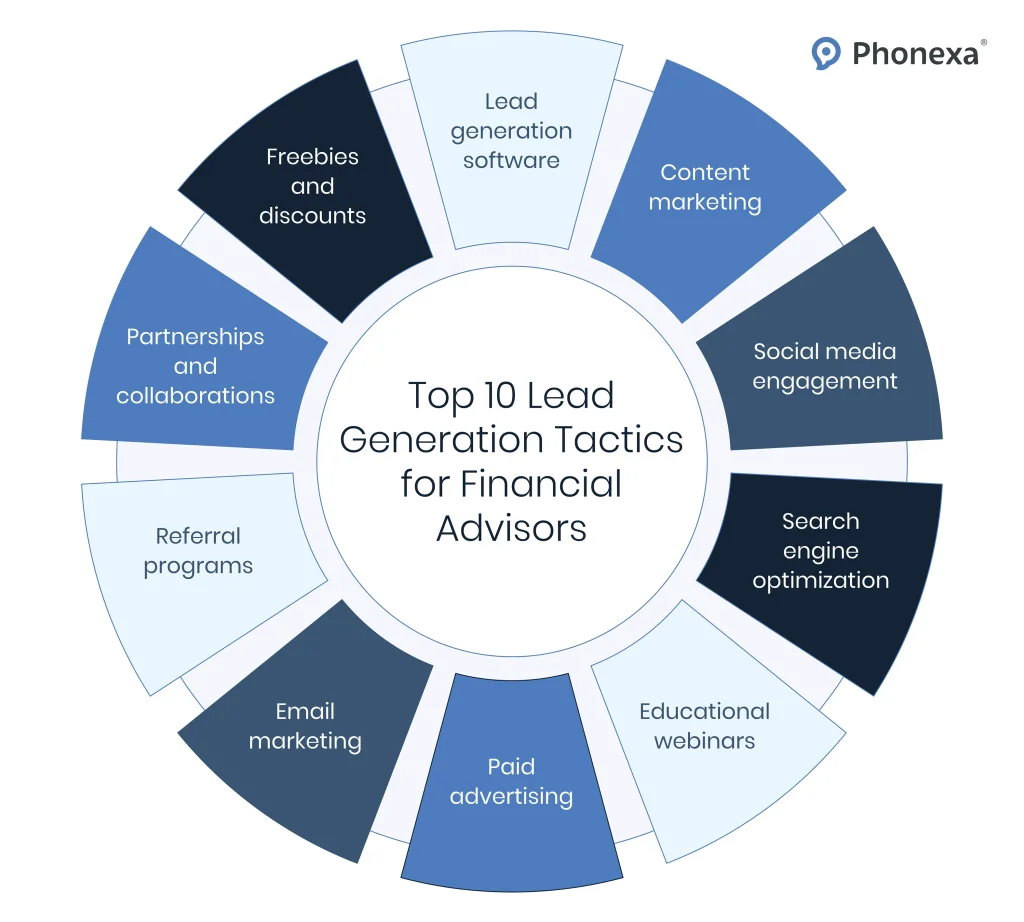
- Digital Marketing: Establish a strong online presence with a professional website and active social media profiles. Use content marketing to share valuable insights, enhancing visibility and attracting potential clients who are searching for financial advice.
- Referral Programs: Create structured referral programs that incentivize existing clients to refer friends and family. This can increase trust and expand your client base — after all, referrals come with a higher level of credibility.
- Educational Workshops: Host workshops or webinars on financial literacy topics. Offering valuable information not only positions you as an expert, but it also attracts individuals seeking guidance (this is often overlooked).
Expert insight:
Focusing on niche markets can enhance client attraction. Specializing in areas such as retirement planning or small business finances allows for targeted marketing — and positions the advisor as an authority in that specific domain.
How can financial advisors use social media to gain clients?
Financial advisors can effectively use social media platforms like LinkedIn to attract clients. By creating engaging content, building a professional following, and connecting with potential clients, advisors can make a significant impact. In 2024, over 70% of financial professionals reported that social media was a critical part of their client acquisition strategy.
To maximize social media’s potential, financial advisors should start by developing a content strategy that provides valuable insights and educational materials. This might include articles, infographics, or videos that address common financial concerns. It could also showcase expertise in specific areas, such as retirement planning or investment strategies. Regularly posting this type of content helps establish credibility — and positions the advisor as a thought leader in the industry.
Next, advisors should actively engage with their audience. Responding to comments, participating in discussions, and joining relevant professional groups on LinkedIn are key actions. Building relationships in this manner not only increases visibility but also fosters trust among potential clients. Additionally, sharing case studies or testimonials can enhance credibility and demonstrate an advisor’s effectiveness in helping clients achieve their financial goals (this is often overlooked).
- Identify Your Target Audience: Determine the demographics and financial needs of your ideal clients to tailor your content accordingly.
- Create Engaging Content: Develop posts that offer valuable advice, tips, and insights related to personal finance. Make sure they resonate with your audience.
- Utilize LinkedIn Features: Leverage LinkedIn’s publishing platform to share long-form content. Use video posts — they enhance engagement.
- Network Actively: Connect with professionals in your field and potential clients. Participate in relevant discussions to increase your visibility.
- Measure and Adjust: Use analytics tools to track engagement. Adjust your strategy based on what content performs best.
Expert insight: Consistent engagement and a focus on providing value can transform social media platforms into powerful client acquisition tools for financial advisors. Hosting webinars or live Q&A sessions is also worthwhile. These approaches help further connect with your audience and showcase your expertise.
What is the average cost of acquiring a client for financial advisors?
The average cost of acquiring a client for financial advisors ranges from **$1,200 to $3,000**. This figure can vary significantly based on several factors, including marketing strategies and target demographics. It’s important to note that these costs aren’t set in stone.
Several elements influence the client acquisition cost for financial advisors. Factors like the type of marketing channels used, geographical location, and service offerings play crucial roles in determining overall expenses. Advisors using digital marketing strategies, such as social media campaigns or search engine optimization, often see costs that differ from those who rely on traditional methods like networking events or print advertising.
- Marketing Channel: Digital marketing often has lower costs — and a wider reach — compared to traditional methods. For instance, social media ads can be more cost-effective than hosting seminars or attending conferences.
- Target Audience: Acquiring high-net-worth clients usually requires a more personalized approach, which can increase costs. On the other hand, targeting a broader audience might reduce expenses but could yield less lucrative clients (this is often overlooked).
- Geographic Location: Advisors in urban areas may face higher competition and associated costs. Conversely, those in rural regions might find it easier to attract clients at a lower cost.
Each financial advisory firm will face unique acquisition costs based on specific circumstances and strategies. Tracking expenses closely is vital. Adjusting marketing efforts in response to their effectiveness can help advisors optimize their budgets and improve return on investment.
Expert insight: Regularly evaluating and refining marketing strategies is essential for financial advisors aiming to reduce client acquisition costs effectively. Investing in analytics tools can provide valuable insights into which channels yield the best results — and help allocate resources more efficiently. Confirm that these strategies are regularly updated.
How long does it typically take to get clients as a new financial advisor?
On average, new financial advisors can expect to land their first clients within 6 to 12 months. However, this timeline often varies widely. Factors such as networking efforts, marketing strategies, and geographic location play a big part.
The speed at which a new financial advisor builds their client base depends on several key factors. First, the advisor’s previous experience and professional network are crucial. Advisors with existing relationships in the financial services industry often find it easier to secure clients quickly. In contrast, those entering the field without established connections may face a longer acquisition period — and that’s a reality worth acknowledging.
Marketing strategies also greatly influence client acquisition timelines. Advisors who invest in targeted marketing campaigns, like digital advertising and social media outreach, typically see quicker results. On the other hand, relying solely on traditional marketing methods or word-of-mouth referrals can prolong the time it takes to gain clients. Additionally, the advisor’s specialization can impact the timeline; niche advisors may attract clients faster if they cater to a specific demographic or address an underserved need in their area (this is often overlooked).
Expert insight: Leveraging technology and building a solid online presence can drastically shorten the client acquisition period. After all, many potential clients now turn to the internet for financial advice.
What are common mistakes financial advisors make when trying to get clients?
Financial advisors often make mistakes, like not defining a clear niche, using ineffective marketing strategies, and neglecting networking opportunities. A study conducted in 2024 found that 67% of new advisors struggle to attract clients for these reasons.
One common error is failing to establish a defined niche. For example, a financial advisor who attempts to serve everyone—young professionals, retirees, and small business owners—risks diluting their messaging and expertise. This broad approach can confuse potential clients, who typically prefer specialists over generalists. A focused niche allows advisors to tailor their marketing efforts more effectively, attracting a more engaged audience.
Moreover, ineffective marketing strategies add to client acquisition challenges. An advisor relying solely on generic social media posts often misses the mark with their target demographic. Without a compelling value proposition or targeted content, potential clients might overlook the advisor’s offerings. Advisors should use data analytics to pinpoint the platforms and messaging that resonate with their ideal clients. This ensures marketing efforts yield meaningful results—it’s crucial.
Expert insight: Financial advisors should focus on building a strong personal brand within their niche. Engaging storytelling and consistent communication can greatly enhance visibility and trust among potential clients (this is often overlooked).
Leveraging Networking for Client Acquisition
Networking is a vital strategy for financial advisors looking to grow their client base. Genuine relationships within communities and professional circles can unlock opportunities that traditional marketing often misses.
-Oct-02-2023-07-39-59-7633-PM.png)
Importance of Building Genuine Relationships
Building authentic connections is fundamental to successful networking. Clients tend to engage with financial advisors they trust and feel comfortable with. A survey conducted in 2024 revealed that 78% of clients prefer to work with advisors referred by friends or family — this underscores the significance of personal relationships.
Utilizing Local Events and Professional Organizations
Participating in local events and joining professional organizations can significantly boost visibility and credibility. Engaging in community activities, like charity events or business expos, allows advisors to meet potential clients in a casual environment. Plus, active membership in organizations such as the Financial Planning Association (FPA) or local chambers of commerce can provide valuable networking opportunities with other professionals and potential clients.
- Attend industry conferences and seminars to meet peers and prospects.
- Join local networking groups that align with target demographics.
- Host workshops or informational sessions to showcase expertise.
Following Up Effectively After Initial Meetings
The follow-up process is crucial in converting initial contacts into clients. A well-timed and personalized follow-up can reinforce the relationship established during the first meeting. Research shows that 70% of sales leads are never followed up — this represents a significant opportunity for financial advisors. Use various communication methods, like emails, phone calls, or hand-written notes, to maintain engagement and show commitment.
Creating Referral Partnerships with Other Professionals
Developing referral partnerships with other professionals can create a mutually beneficial ecosystem. Collaborating with attorneys, accountants, and real estate agents allows financial advisors to tap into their networks. This strategy not only boosts credibility but also expands the client base. In fact, 55% of clients report finding their financial advisor through referrals from other professionals (this is often overlooked).
- Identify professionals whose services complement financial advising.
- Establish clear referral agreements and communication channels.
- Regularly meet to discuss mutual client opportunities.
Nuance / Expert Layer
Many financial advisors underestimate the power of diverse networking strategies. While traditional networking often zeroes in on direct referrals, innovations like social media networking and online communities are gaining traction. Advisors can leverage platforms such as LinkedIn to connect with potential clients and industry peers — expanding their reach beyond geographical limitations. Additionally, personal branding through thought leadership—like publishing articles or hosting webinars—can elevate an advisor’s status and attract clients seeking expertise.
Practical Application
To effectively leverage networking for client acquisition, financial advisors should:
- Identify and participate in at least three local events each quarter.
- Establish a follow-up system to maintain contact with new connections.
- Form at least two referral partnerships with complementary professionals.
Implementing these strategies can enhance networking efforts and significantly improve the ability to attract clients.
Digital Marketing Strategies for Financial Advisors
Digital marketing stands as a crucial element for financial advisors aiming to attract clients in an increasingly crowded market. Using advanced techniques can greatly boost visibility and engagement — which often leads to improved client acquisition and retention.
Creating a Professional Website with Valuable Content
A well-structured website acts as the main online presence for a financial advisor. It should have a clean layout, straightforward navigation, and mobile responsiveness. Additionally, incorporating valuable content — like articles, videos, and infographics — positions the advisor as a thought leader. According to a 2024 survey, 70% of consumers prefer learning about services through articles rather than ads (this is often overlooked), emphasizing the importance of informative content.
- Include a blog with regular updates on financial topics relevant to your target audience.
- Use clear calls-to-action (CTAs) to guide visitors toward scheduling consultations or signing up for newsletters.
- Confirm that you comply with regulations while providing educational resources, which maintains trust and credibility.
Using SEO to Improve Online Visibility
Search Engine Optimization (SEO) is essential for boosting a financial advisor’s online presence. By optimizing website content with targeted keywords — such as “financial planning” and “investment strategies” — advisors can improve their search engine rankings. A solid SEO strategy can increase organic traffic by 50% or more within six months.
Key components of an effective SEO strategy include:
- Conducting keyword research to pinpoint terms potential clients are using.
- Optimizing on-page elements like titles, meta descriptions, and headers with the right keywords.
- Building backlinks from reputable financial blogs or industry sites to enhance authority.
Engaging in Email Marketing Campaigns
Email marketing remains one of the most powerful tools for financial advisors to nurture leads. Personalized email campaigns can achieve open rates of up to 25% in the financial sector. Advisors should segment their email lists to tailor messages according to client interests and lifecycle stages — this is often key for resonance.
Effective strategies include:
- Sending monthly newsletters with market updates and financial tips.
- Creating automated drip campaigns for new subscribers, introducing them to services and educational content.
- Utilizing A/B testing to refine subject lines and content for improved engagement.
Leveraging Online Reviews and Testimonials
Online reviews and testimonials are vital in establishing trust with potential clients. A solid reputation can greatly influence decision-making, as 91% of consumers trust online reviews as much as personal recommendations. Advisors should actively solicit feedback and prominently display testimonials on their websites and social media.
Strategies for effective reputation management include:
- Encouraging satisfied clients to leave reviews on platforms like Google and Yelp.
- Responding promptly to both positive and negative reviews to show engagement and professionalism.
- Highlighting client success stories in marketing materials to showcase expertise.
Many articles miss the significance of integrating these digital strategies into a cohesive marketing plan. Financial advisors must not only implement these tactics in isolation but also ensure consistency across channels. For example, website content should align with email marketing campaigns and social media messaging to create a unified brand presence — this can make a big difference.
To effectively apply these strategies, financial advisors should prioritize the following actions:
- Invest in a professional website, and regularly update it with high-quality content.
- Conduct keyword research and optimize website content for search engines.
- Create segmented email marketing campaigns tailored to various client needs.
- Actively manage online reviews and encourage client feedback to enhance reputation.
The Power of Client Referrals and Testimonials
Client referrals and testimonials are foundational elements in building a successful financial advisory practice. Using satisfied clients to attract new business can significantly boost credibility and trust — both vital for client acquisition.

Understanding the Referral Process
The referral process is a systematic approach where existing clients introduce potential clients to a financial advisor. This method leverages the established trust between the referrer and the referred party. According to a 2024 survey by the Financial Planning Association, 78% of financial advisors noted that referrals accounted for over half of their new clients. This statistic highlights the necessity of creating a robust referral system — it simply can’t be ignored.
Strategies for Asking for Referrals
Asking for referrals requires tact and a clear strategy. Here are three effective methods:
- Timing: Request referrals after a successful interaction or when a client expresses satisfaction with your services.
- Specificity: Be specific about the type of clients you seek — this helps clients identify potential leads.
- Incentives: Think about implementing a referral rewards program that offers benefits for clients who refer new business.
How to Create a Testimonial Request System
Testimonials serve as powerful endorsements that can sway potential clients. Establishing a systematic approach to gather testimonials can enhance credibility. Consider these steps:
- Identify Happy Clients: Regularly assess client satisfaction through surveys or feedback forms — this is often overlooked.
- Timing of Requests: Ask for testimonials soon after achieving a milestone or delivering a successful outcome.
- Easy Submission Process: Provide clients with a simple method for submitting testimonials, such as a dedicated online form or email template.
Incorporating Client Feedback into Service Improvement
Using client feedback not only strengthens relationships but also enhances service offerings. Regularly soliciting feedback through surveys allows advisors to identify areas for improvement. In 2025, a study found that firms actively seeking client feedback experienced a 30% increase in client retention rates. This proactive approach ensures services align with client expectations and needs — a crucial factor in today’s competitive market.
Nuance / Expert Layer
Common misconceptions about referrals include the belief that they happen naturally without effort. In reality, a structured approach is required to cultivate a referral-based business model. Additionally, advisors often overlook the importance of following up with clients after receiving referrals. Maintaining communication makes sure that referred clients feel welcomed and valued, fostering a positive first impression. Moreover, advisors should be cautious when requesting referrals, as overly aggressive tactics can deter clients from participating — this can backfire.
Practical Application
To effectively implement the strategies discussed, financial advisors should:
- Develop a referral request script to standardize the process.
- Set up a feedback mechanism to routinely gather client insights.
- Launch a referral rewards program to incentivize existing clients.
By concentrating on these actionable steps, advisors can significantly enhance their ability to attract new clients and build a sustainable business model centered around referrals and testimonials.
Understanding Your Target Market
Defining and understanding a target market is crucial for financial advisors aiming to attract new clients. By identifying specific niche markets and tailoring services, advisors can develop marketing strategies that truly resonate with their ideal clientele.

Identifying Niche Markets within Financial Advising
Not all financial advisory services appeal to the same audience. Identifying niche markets allows advisors to concentrate efforts on specific segments, such as:
- Retirement Planning: Targeting individuals approaching retirement who require tailored investment strategies.
- Small Business Owners: Providing financial advice that addresses unique business needs, including tax planning and succession strategies.
- Millennials: Engaging younger clients with innovative solutions for wealth building and student debt management.
According to a 2024 report from the Financial Planning Association, about 37% of clients seek advisors specializing in retirement planning. This underscores the demand for niche expertise.
Creating Client Personas to Tailor Services
Client personas are semi-fictional representations of an advisor’s ideal clients based on market research and real data. Creating detailed personas involves a few key steps:
- Gathering demographic information, such as age, income level, and occupation.
- Understanding psychographics — including values, goals, and pain points — that drive client behavior.
- Analyzing client behavior patterns, such as investment preferences and communication styles.
By using client personas, financial advisors can customize their services and marketing messages. This enhances client engagement and often leads to greater satisfaction.
Conducting Market Research to Understand Client Needs
Effective market research is vital for identifying client needs and preferences. Advisors can employ various methods, including:
- Surveys and questionnaires to gather direct feedback from existing and potential clients.
- Focus groups to explore client attitudes towards financial services.
- Competitive analysis to spot gaps in the market and opportunities for differentiation.
A 2025 survey by Deloitte found that 68% of clients reported their financial needs have evolved. This highlights the necessity for advisors to stay attuned to changing client expectations.
Adjusting Marketing Messages to Resonate with Target Demographics
Once target markets and client needs are identified, advisors should refine their marketing messages to resonate with specific demographics. This can include:
- Using language and imagery that reflects the values and lifestyle of the target audience.
- Highlighting unique selling propositions that address the specific needs of each niche.
- Employing various channels — like social media, email campaigns, and webinars — to effectively reach the audience.
Many financial advisors overlook the importance of aligning their marketing strategies with client demographics. This misalignment can lead to wasted resources and missed opportunities. For instance, marketing to younger clients necessitates a different approach than targeting retirees. Yet, many advisors fail to adjust their strategies accordingly.
To effectively leverage this information, financial advisors should begin by identifying their niche markets and creating detailed client personas. Conduct thorough market research to grasp clients’ evolving needs and preferences. Lastly, tailor marketing messages to connect with identified demographics, ensuring communication remains relevant and engaging. These steps will significantly enhance the efforts to acquire new clients and build long-term relationships.
Frequently Asked Questions
What are the best ways to attract clients as a financial advisor?
Networking, referrals, and offering educational workshops are effective strategies for attracting clients. Building a strong online presence and showcasing expertise can also enhance visibility and credibility.
How can financial advisors use social media to gain clients?
Financial advisors can leverage social media by sharing valuable content, engaging with followers, and participating in relevant discussions. Platforms like LinkedIn and Instagram can help build relationships and showcase professional achievements.
What is the average cost of acquiring a client for financial advisors?
The average cost of acquiring a client for financial advisors typically ranges from $500 to $1,500, depending on marketing strategies and target demographics. Efficient marketing can lower this cost significantly over time.
How long does it typically take to get clients as a new financial advisor?
New financial advisors may take anywhere from six months to two years to establish a solid client base. Building trust and relationships in the industry is crucial for client acquisition.
What are common mistakes financial advisors make when trying to get clients?
Common mistakes include neglecting to define a target market, failing to follow up with leads, and not utilizing digital marketing effectively. Advisors may also overlook the importance of personal branding and networking.
Final Thoughts on how to get clients for financial advisor
Successful client acquisition for financial advisors hinges on a multifaceted approach that integrates strategic networking, effective digital marketing, and the cultivation of strong client relationships. Emphasizing personal branding and leveraging social media can significantly enhance visibility, while client referrals remain a cornerstone of sustained growth.
To immediately improve client acquisition efforts, financial advisors should implement a targeted social media campaign, focusing on platforms where their ideal clients are most active, and regularly sharing valuable content that showcases expertise and builds trust.
Ready to attract more clients? Consult with a google ads expert today and elevate your financial advisory business to new heights!
Mastering client acquisition is essential for financial advisors to thrive in a competitive landscape, as it directly impacts both business sustainability and client satisfaction.