
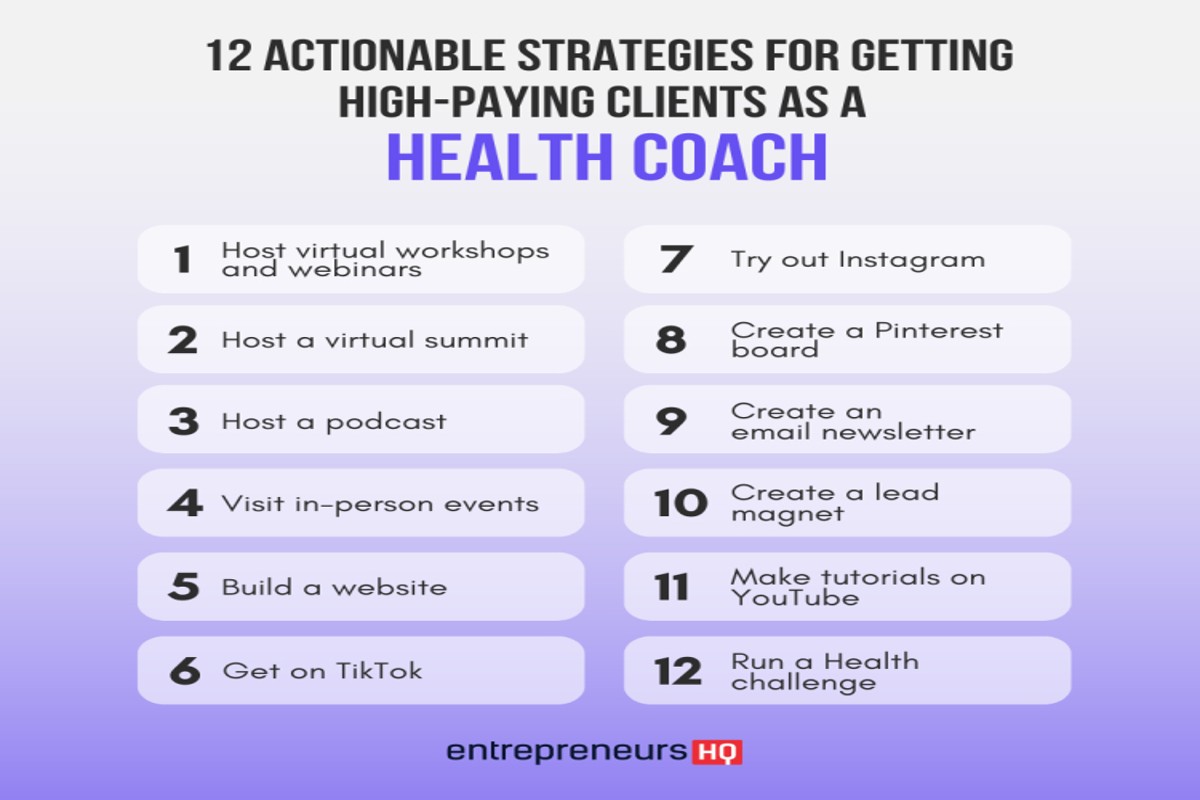
How to get clients as a health coach involves implementing strategies to attract and retain clients in the health coaching industry. Building a robust online presence, engaging in community networking, and utilizing social media are crucial for success. Approximately 60% of health coaches report gaining clients through referrals and online marketing.
Understanding how to get clients as a health coach is essential for establishing a successful practice in a competitive market. Health coaches must effectively attract clients to ensure business viability, as the health and wellness industry continues to grow at a rapid pace, projected to reach $4.2 trillion by 2026. Failure to implement effective client acquisition strategies can lead to stagnant growth and missed opportunities.
Without a clear strategy for acquiring clients, health coaches risk losing potential revenue, wasting marketing resources, and falling behind competitors who effectively engage their target audience. This lack of focus can result in a diminished market presence and reduced client loyalty.
This article will cover proven strategies for acquiring clients as a health coach, including building an online presence, leveraging social media, and utilizing local networking opportunities. Readers will learn best practices and actionable steps to enhance their client acquisition efforts.
What are the best ways to attract clients as a health coach?
Attracting clients as a health coach hinges on effective marketing strategies, networking, and a compelling online presence. A 2024 survey found that 67% of health coaches said social media played a significant role in acquiring clients.
Effective marketing is crucial for drawing in clients. Develop a targeted marketing plan — this should include social media campaigns, email newsletters, and content marketing. Use platforms like Instagram and Facebook to share client testimonials and success stories, along with educational content. Investing in paid advertising can also expand your reach to a broader audience. Make sure your messaging speaks to your target demographic and addresses their specific health and wellness needs (this is often overlooked).
- Network within your community: Attend local health fairs, workshops, and fitness events. Build relationships with local gyms, wellness centers, and healthcare providers. Consider collaborating on events or offering workshops to showcase your expertise — these can be quite effective.
- Build an engaging online presence: Create a professional website that highlights your services, qualifications, and client testimonials. Optimize the site for search engines (SEO) to boost visibility. Regularly updating a blog with informative content related to health coaching is also wise.
- Utilize client referrals: Encourage satisfied clients to refer friends and family. Implementing a referral program that offers incentives for clients who bring in new business can be beneficial. Word-of-mouth remains a powerful tool in the health coaching industry.
Expert insight: Concentrate on carving out a niche for your coaching services. Specializing in areas like weight loss, nutrition, or stress management can help you stand out and attract a dedicated client base.
How can I market myself as a health coach?
To effectively market oneself as a health coach, use a combination of social media, content marketing, and strategic partnerships. Research shows that 73% of clients look for health coaching services online — making digital marketing crucial for client acquisition.
Start by creating a strong presence on social media platforms like Instagram, Facebook, and LinkedIn. Regularly share valuable content related to health, wellness, and coaching tips. This builds your brand and attracts potential clients. Also, consider targeted ads to reach specific demographics interested in health coaching. This can significantly boost your visibility.
Next, invest in content marketing. Create a blog or YouTube channel addressing common health issues, sharing success stories, and offering actionable advice. This not only positions you as an authority in the field, but it also improves your website’s search engine optimization (SEO) — making it easier for clients to find you. Aim to publish at least one piece of high-quality content each week to keep engagement high and attract new visitors.
Finally, think about forming partnerships with local gyms, wellness centers, or healthcare providers. Collaborating can lead to referrals and expand your client base. Don’t forget to attend networking events and workshops. Connecting with potential partners showcases your expertise to a wider audience.
Expert insight: Focus on building authentic relationships with clients through personalized communication and follow-ups. This strategy fosters trust and can lead to word-of-mouth referrals — one of the most effective marketing methods in the health coaching industry.
What should I include in my health coach website to attract clients?
A health coach website needs to feature testimonials, a clear rundown of services offered, and an engaging blog to effectively draw in clients. Recent data shows that websites with client testimonials can boost conversion rates by up to 34%.
Start with a dedicated testimonials section that highlights positive feedback from past clients. This builds credibility and trust — essential elements in the health coaching industry. Focus on specific results achieved by clients through your coaching, like weight loss, increased energy levels, or enhanced overall wellness. Make sure these testimonials are genuine and include names or initials for added legitimacy.
Next, offer a detailed overview of the services provided. Clearly outline your coaching specialties, like nutrition counseling, fitness training, or stress management. This transparency helps potential clients grasp what to expect and how your expertise meets their needs. Also, an informative blog can be a valuable resource. Regularly updated articles on health topics, success stories, and practical tips can establish your authority in the field, engage visitors, and improve search engine rankings (this is often overlooked).
Expert insight: Regularly updating your website with fresh content and testimonials is crucial. This maintains engagement and optimizes for search engines, ensuring your site stays relevant and visible to potential clients.
How much should I charge as a health coach?
Health coaches typically charge between $50 and $150 per session, but this can vary widely based on several factors. Some coaches offer packages to lower the per-session cost. Others charge a flat monthly fee that ranges from $200 to $1,000, depending on their services and clientele.
Pricing can be influenced by various factors, including:
- Experience Level: New coaches often start at the lower end, while those with certifications and a track record of success can command higher rates.
- Location: Coaches located in urban areas with higher living costs usually charge more than those in rural areas.
- Specialization: Coaches who specialize in niche fields — like sports nutrition or chronic disease management — can often charge premium prices due to their expertise.
- Service Format: One-on-one coaching sessions generally cost more than group sessions. Online coaching may also have different pricing structures that should be considered.
- Market Demand: A coach’s pricing may reflect the current demand in their market. Popular coaches can charge higher fees, especially when demand is strong.
When setting pricing, think about the value provided to clients and how your services meet their specific needs. Conduct market research to grasp competitor pricing — this is often overlooked — and adjust your rates accordingly. This helps you stay competitive while ensuring adequate compensation for your expertise.
Expert insight: Regularly review and adjust your pricing strategy based on client feedback and market trends. This will help optimize your income potential as a health coach.
How long does it take to get clients as a health coach?
On average, securing the first clients can take health coaches three to six months. This timeline varies widely, influenced by marketing strategies, networking efforts, and local demand for health coaching services.
Several factors affect how quickly a health coach can attract clients. First, effective marketing efforts are crucial. Coaches who build an online presence through social media, a professional website, or content marketing often see results faster. In fact — according to industry trends — coaches engaged in digital marketing acquire clients up to 50% quicker than those relying solely on word-of-mouth or traditional advertising methods.
Networking significantly impacts client acquisition timelines. Building relationships with local fitness centers, wellness organizations, and healthcare providers can open up referral opportunities. Health coaches who get involved in community events or collaborate with other professionals in the health and wellness field often find clients more quickly. Additionally, conducting initial market research to identify target demographics (this is often overlooked) and their specific needs can streamline the coaching offer, making it more appealing to potential clients.
Expert insight: Health coaches should focus on creating a niche and establishing a strong online presence early in their careers. Tailoring services to meet the specific needs of a target audience can significantly shorten the client acquisition timeline.
What are common mistakes health coaches make when trying to get clients?
Health coaches often struggle to attract clients because of several key mistakes. These include a lack of niche focus, ineffective marketing strategies, and insufficient follow-up. In a 2024 survey, 47% of health coaches indicated they were having trouble establishing a consistent client base.
One major pitfall is failing to define a specific niche. Coaches who try to cater to everyone dilute their message and miss connecting with potential clients. A well-defined niche allows for targeted marketing. It positions the coach as an expert in that area. For example, specializing in nutrition for athletes or stress management for busy professionals can enhance credibility and draw in a dedicated clientele.
- Poor marketing strategies: Many health coaches underestimate effective marketing’s importance. Relying simply on word-of-mouth or social media — without a structured plan — can limit visibility. Implementing a comprehensive marketing strategy is essential. This strategy should include a professional website, engaging content, and targeted social media campaigns to reach a broader audience.
- Inadequate follow-up: Following up with potential clients after the initial contact is often overlooked (this is often overlooked). Coaches should have a systematic approach for reaching out to leads, whether through emails, phone calls, or newsletters. Regular communication builds relationships and keeps the coach top-of-mind for prospective clients.
- Neglecting client testimonials: Failing to showcase client success stories can hurt credibility. Positive testimonials act as social proof — they can significantly influence potential clients. Health coaches should actively request feedback from satisfied clients and incorporate these testimonials into their marketing materials.
Expert insight: Focusing on a well-defined niche and maintaining consistent communication with leads can significantly enhance client acquisition efforts for health coaches.
Can social media help health coaches get clients?
Yes, social media can greatly assist health coaches in acquiring clients by boosting visibility and fostering engagement. Recent studies indicate that 73% of marketers find their social media efforts “somewhat effective” or “very effective” for their business.
Platforms like Instagram, Facebook, and LinkedIn offer health coaches a valuable chance to reach potential clients broadly. These channels allow sharing of useful content — think tips, success stories, and motivational posts. These resonate well with an audience actively seeking health-related advice. By showcasing expertise through engaging visuals and informative posts, health coaches can draw in followers who might eventually become clients.
- Building a Personal Brand: Health coaches can leverage social media to establish their personal brand, highlighting their approach, values, and offerings. This helps set them apart from competitors.
- Community Engagement: Social media enables direct interaction with potential clients. Health coaches can answer questions, provide support, and nurture community ties — all of which can enhance client loyalty.
- Targeted Advertising: Platforms like Facebook and Instagram offer targeted advertising options. This helps health coaches reach specific demographics, ensuring that marketing efforts focus on individuals likely to be interested in their services.
In addition, using social media analytics tools can help health coaches track engagement. They can refine their strategies based on what content resonates most with their audience (this is often overlooked). Continuous learning and adaptation are crucial for maximizing the impact of social media marketing.
Expert insight: Health coaches should focus on creating authentic and relatable content that reflects their personality and expertise. Engaging storytelling can really enhance connection with the audience — leading to higher conversion rates.
Building a Strong Online Presence
Establishing a robust online presence is vital for health coaches who want to attract and keep clients. This section outlines key strategies for creating an effective digital platform that boosts visibility and encourages engagement.
Importance of a Professional Website
A professional website is the foundation of any online presence. It serves as a central hub where potential clients can explore services, read testimonials, and find useful resources. A well-designed website should include these elements:
- Clear Branding: Use consistent colors, fonts, and messaging to express your unique identity.
- User-Friendly Navigation: Make sure visitors can easily locate information about your services, pricing, and contact details.
- Mobile Optimization: With over 54% of website traffic coming from mobile devices, a responsive design is crucial.
Utilizing SEO Strategies to Increase Visibility
Search Engine Optimization (SEO) can enhance a website’s visibility in search engine results. By optimizing for relevant keywords, health coaches can draw in individuals searching for their services. Key SEO strategies include:
- Keyword Research: Identify high-traffic keywords related to health coaching, like “weight loss coaching” or “wellness programs.”
- On-Page SEO: Incorporate keywords naturally into headings, meta descriptions, and body text.
- Backlink Building: Collaborate with industry blogs and influencers to secure high-quality backlinks that bolster domain authority.
Studies show that businesses with a solid SEO strategy can achieve up to a 14.6% conversion rate from organic traffic — quite a stark contrast to the 1.7% conversion rate for outbound leads.
Creating Valuable Content that Resonates with Potential Clients
Content marketing is a potent tool for establishing authority and trust. Producing high-quality content that meets potential clients’ needs can drive engagement. Consider these content types:
- Blog Posts: Write articles offering insights into health and wellness topics relevant to your audience.
- Video Tutorials: Create videos that showcase exercises, meal prep techniques, or mindfulness practices.
- Webinars: Host free webinars to share valuable information and demonstrate expertise, motivating participants to seek your services.
Engaging with Audiences Through Social Media Channels
Social media platforms play a crucial role in connecting with potential clients. A consistent and authentic presence on platforms such as Instagram, Facebook, and LinkedIn can significantly drive engagement and build community. Best practices include:
- Regular Posting: Share content consistently to keep your audience engaged.
- Interactive Content: Use polls, Q&A sessions, and live videos to foster interaction.
- Building Relationships: Respond promptly to comments and messages to cultivate a sense of community and trust.
Health coaches often overlook the need to align their online content with client personas (this is often overlooked). Tailoring content to specific demographics, like age, gender, and health goals, can greatly enhance engagement. Additionally, many believe that a presence on every social media platform is essential; however, focusing on 2-3 platforms where the target audience is most active often yields better results.
To effectively leverage these strategies, health coaches should prioritize these actions:
- Create and launch a professional website that showcases services and client testimonials.
- Conduct keyword research and optimize website content for search engines.
- Develop a content calendar to consistently produce valuable content across various formats.
- Choose 2-3 social media platforms for regular and authentic audience engagement.
Networking Strategies for Health Coaches
Effective networking is crucial for health coaches looking to expand their client base. Building relationships within the health and wellness community can lead to valuable referrals and collaborative opportunities that enhance visibility and credibility.
Joining Local Health and Wellness Groups
Participating in local health and wellness groups gives health coaches a chance to connect with potential clients and fellow professionals. These groups frequently host events, workshops, and informational sessions — all great opportunities to showcase expertise. Joining organizations like the local Chamber of Commerce or wellness-focused meetups can help make introductions to those who prioritize health and fitness.
- Seek out community fitness classes or workshops.
- Engage with local yoga studios or gyms; offer free workshops.
- Attend health fairs to network with attendees and other vendors.
Collaborating with Other Professionals in the Industry
Collaboration can significantly boost outreach efforts. Partnering with complementary professionals—such as personal trainers, nutritionists, or physical therapists—can create a strong referral network. These collaborations enhance service offerings and provide opportunities for cross-promotion through shared clientele.
- Identify professionals whose services align with your coaching.
- Propose joint workshops or seminars that offer mutual benefits.
- Use social media to highlight collaborative projects — expanding audience reach.
Attending Workshops and Conferences to Build Connections
Workshops and conferences are rich environments for networking. These events attract individuals passionate about health and wellness, allowing health coaches to meet potential clients and industry leaders. In fact, a 2024 study found that 72% of health professionals gained new clients through networking at these events.
- Research upcoming health and wellness conferences in your area.
- Engage with speakers and attendees, exchanging contact information.
- Follow up post-event with personalized messages to nurture connections.
Utilizing Online Forums and Communities for Networking
Online platforms, like Facebook groups, LinkedIn, and specialized health forums, can be effective tools for networking. These communities allow health coaches to share knowledge, participate in discussions, and engage with potential clients. A 2025 survey revealed that 55% of health professionals said online networking significantly increased their client referrals.
- Join relevant groups and participate actively by answering questions.
- Host webinars or live Q&A sessions to establish authority.
- Share success stories and client testimonials to attract interest.
While networking basics might seem straightforward, many health coaches often overlook the importance of strategic follow-up. After making connections at events or online, it’s crucial to maintain relationships through regular communication. This could include sharing informative content, sending seasonal greetings, or checking in on potential leads. Misconceptions exist that networking ends after initial meetings; however, ongoing engagement is vital for turning connections into clients.
To effectively leverage these networking strategies, health coaches should prioritize building and maintaining relationships. Start by identifying local groups to join, collaborating with other professionals, and participating actively in workshops and online communities. Implement a follow-up system to ensure connections stay engaged and informed about your services. This proactive approach will boost visibility and foster a steady stream of referrals, ultimately aiding in client acquisition as a health coach.
Leveraging Client Testimonials and Referrals
Using client testimonials and referrals is a potent strategy for health coaches looking to build credibility and attract new clients. This section delves into effective methods for collecting and showcasing testimonials, implementing referral programs, and boosting word-of-mouth marketing.
Collecting and Showcasing Testimonials
Client testimonials act as social proof, enhancing the credibility of a health coach’s services. Collect testimonials from clients after they hit specific health milestones or express satisfaction with your coaching. Use various formats — written reviews, video testimonials, and audio snippets — to reach different audience preferences. Display these testimonials prominently on your website and social media platforms. This maximizes visibility.
Creating a Referral Program
A well-structured referral program encourages existing clients to recommend your services to their networks. Consider offering rewards like discounted sessions, free resources, or exclusive content for each successful referral. This approach not only motivates current clients but also fosters a sense of community. According to a 2024 survey, businesses with referral programs see, on average, a 30% increase in customer acquisition compared to those without (worth double-checking).
Using Case Studies to Illustrate Success Stories
Case studies provide in-depth insights into individual client journeys. They showcase the effectiveness of your coaching methods. Develop case studies detailing the client’s initial challenges, the strategies implemented, and the results achieved. Highlight specific metrics — weight loss percentages or improvements in health markers — to demonstrate tangible outcomes. This narrative format engages potential clients and builds trust by illustrating real-life success.
Encouraging Word-of-Mouth Marketing
Word-of-mouth marketing ranks among the most effective forms of promotion for health coaches. Satisfied clients often share their positive experiences with friends and family, especially if they feel a strong connection to your coaching style. To encourage this organic promotion, create a welcoming environment. Maintain ongoing communication with clients. Regularly check in on their progress and celebrate their achievements. This prompts them to share their successes with others.
In 2025, it was reported that 92% of consumers trust recommendations from individuals over advertisements. This underscores the value of fostering genuine relationships with clients. By prioritizing client satisfaction and engagement, health coaches can significantly increase their reach through referrals and testimonials.
Expert Insight: While testimonials and referrals are crucial, many coaches overlook the importance of timing and context when soliciting feedback. Request testimonials when clients are most enthusiastic about their progress — typically shortly after achieving a goal. This enthusiasm translates into compelling testimonials. Additionally, some coaches mistakenly assume that only high-profile clients provide valuable testimonials. However, every client’s journey can resonate with potential clients, regardless of their initial health status (this is often overlooked).
To implement these strategies effectively, follow these actionable steps:
- Design a simple feedback form for clients to submit testimonials.
- Launch a referral program with clear incentives and easy-to-share links.
- Create a template for case studies to standardize the process.
- Engage with clients regularly to encourage sharing their experiences.
By leveraging client testimonials and referrals, health coaches can enhance their credibility and expand their client base, effectively addressing how to get clients as a health coach.
Creating a Unique Selling Proposition (USP)
Defining a Unique Selling Proposition (USP) is crucial for health coaches wanting to stand out in a competitive market. A well-defined USP not only draws in clients but also builds loyalty and encourages referrals.

Identifying Your Niche and Target Audience
Successful health coaches need to identify their niche and understand their target audience. This includes answering key questions such as:
- Who are your ideal clients? (age, gender, lifestyle)
- What specific health issues do they face? (weight loss, stress management, chronic illness)
- What solutions can you provide that resonate with their needs?
Market research shows that the health coaching industry is projected to grow to $7 billion by 2026, demonstrating the rising demand for specialized services. Narrowing the focus to a specific demographic or issue can boost coaches’ appeal and build deeper connections with clients.
Articulating What Sets You Apart
To develop a compelling USP, health coaches must clearly communicate what sets them apart. This may hinge on unique methodologies, personal experiences, certifications, or success stories. Consider these points:
- What specialized training do you have?
- Do you use a unique coaching style or approach?
- What specific results have you delivered for past clients?
Clearly articulating these factors helps potential clients quickly understand the value offered. For instance, a coach who specializes in gut health might highlight their unique certification in nutritional therapy — coupled with client testimonials showing remarkable improvements.
Communicating Your USP Effectively
Once defined, the USP should be woven into all marketing materials. This includes:
- Your website content and landing pages
- Social media profiles and posts
- Email newsletters and promotional materials
Consistent messaging reinforces brand identity and helps potential clients recognize your unique value. Engaging visuals and compelling stories showcasing client transformations can amplify the impact of your USP.
Adapting Your USP Based on Feedback and Trends
The health coaching landscape is always changing, making regular reassessment of your USP necessary. Collect client feedback through surveys and testimonials to pinpoint areas for improvement. Plus, staying updated on market trends helps coaches adapt their services. For example, a recent survey revealed that 67% of clients appreciate coaches offering virtual sessions — highlighting the need for flexibility in service delivery.
There’s a common misconception that a USP must remain unchanged. In reality, successful health coaches continually refine their propositions to match client needs and industry shifts.
To effectively implement this information, health coaches should:
- Conduct market research to pinpoint trends and opportunities within their niche.
- Draft a clear, concise USP statement, focusing on what uniquely qualifies them to assist clients.
- Incorporate their USP into all marketing efforts, ensuring consistency across platforms.
- Solicit regular client feedback to adapt and evolve their offerings as needed.
By strategically developing and communicating a strong USP, health coaches can greatly enhance their ability to attract and retain clients.
Frequently Asked Questions
What are the best ways to attract clients as a health coach?
Networking, offering free workshops, and leveraging referrals are effective strategies to attract clients. Establishing a strong online presence through content marketing can also enhance visibility.
How can I market myself as a health coach?
Utilizing social media, creating informative content, and engaging in community events are key marketing methods for health coaches. Building partnerships with local businesses can further expand reach.
What should I include in my health coach website to attract clients?
Your website should feature a clear description of services, client testimonials, and a blog with valuable health tips. Additionally, including a strong call-to-action and easy contact options is essential.
How much should I charge as a health coach?
Health coaching rates typically range from $50 to $300 per hour, depending on experience and services offered. Researching competitors and determining your value proposition will help set appropriate pricing.
How long does it take to get clients as a health coach?
The timeline for acquiring clients can vary significantly, often taking several months to establish a steady flow. Consistent marketing efforts and networking can accelerate this process.
What are common mistakes health coaches make when trying to get clients?
Common mistakes include inadequate marketing, failing to define a niche, and not actively seeking client feedback. Additionally, neglecting to build an online presence can hinder client acquisition.
Can social media help health coaches get clients?
Yes, social media is a powerful tool for health coaches to connect with potential clients. Regularly sharing valuable content and engaging with followers can significantly enhance visibility and credibility.
Final Thoughts on how to get clients as a health coach
Attracting clients as a health coach hinges on a multifaceted approach that combines a robust online presence with effective networking and the strategic use of testimonials. By implementing targeted marketing strategies and showcasing your expertise, you can create a compelling brand that resonates with potential clients.
To gain immediate traction, invest time in refining your website to include clear calls to action, valuable content, and client success stories that illustrate your effectiveness. This will not only enhance your visibility but also establish trust with prospective clients.
Ready to elevate your health coaching business? Consider partnering with a google ads expert to attract more clients and enhance your marketing strategy.
Mastering the art of client acquisition is essential for sustainable success in the health coaching industry, as it directly impacts your ability to make a meaningful difference in clients’ lives.