

Contractors get clients through a combination of networking, online marketing, referrals, and showcasing their work. Approximately 70% of contractors rely on word-of-mouth referrals, underscoring the importance of building strong client relationships. Effective client acquisition strategies not only enhance visibility but also foster trust and credibility in the competitive contracting market.
Understanding how contractors get clients is crucial for anyone in the construction and contracting industry. As the market evolves, contractors must adapt their strategies to ensure a steady stream of clients. Failing to grasp effective client acquisition methods can lead to lost opportunities and diminished market presence, particularly in an industry where competition is fierce and customer loyalty is paramount.
Inadequate knowledge of client acquisition can result in significant financial losses, wasted marketing resources, and a weakened competitive edge. Contractors who do not implement effective strategies may struggle to secure projects, leading to reduced profitability and sustainability.
This article will explore proven strategies for contractors to attract clients, including networking techniques, online marketing tactics, the power of referrals, and best practices for showcasing work. By understanding these approaches, contractors can enhance their client acquisition efforts and drive business growth.
What are the best ways for contractors to find clients?
Contractors can find clients effectively through a variety of strategies. These include networking, online marketing, and leveraging referrals. Research shows that 70% of contractors depend on referrals as their main source for new clients in 2024.
Networking is crucial for contractors. Engaging with local business organizations, attending industry events, and participating in community activities helps establish valuable connections. These interactions often lead to word-of-mouth referrals — partnerships that can really enhance client acquisition efforts.
- Develop a strong online presence: A professional website and active social media accounts allow contractors to showcase their expertise and past projects. Plus, search engine optimization (SEO) can boost visibility, attracting potential clients who are actively searching for services.
- Utilize online advertising: Pay-per-click (PPC) advertising and social media ads target specific demographics, extending reach to potential clients. In fact, a 2025 survey found that contractors using online ads reported a 50% increase in client inquiries.
- Leverage referrals: Building solid relationships with past clients often leads to referrals. Implementing a referral program can incentivize satisfied clients to recommend services to others — this enhances trust and credibility.
- Join industry-specific platforms: Websites like Houzz or Thumbtack connect contractors with clients in search of specific services. Creating a profile on these platforms can lead to direct inquiries from interested customers (this is often overlooked).
Additionally, contractors should consider forming partnerships with real estate agents, property managers, and other professionals who can refer clients needing their services. Staying active in community initiatives can create even more opportunities for exposure and connection.
Expert insight: Focus on building a strong referral network. Regularly check in with past clients and offer incentives for successful referrals — this maximizes the strategy’s effectiveness.
How important is networking for contractors?
Networking is crucial for contractors, acting as a main route for acquiring clients and securing projects. A 2024 survey indicates that about 70% of contractors link their client base growth to networking efforts.
Networking enables contractors to forge relationships that can translate into referrals and repeat business. Engaging with peers, suppliers, and potential clients builds trust and credibility — both critical in the construction industry. Since projects often depend on personal connections, those who actively network will generally uncover more opportunities than those who don’t.
- Attend Industry Events: Engage in trade shows, conferences, and local meetups. These gatherings offer valuable chances to meet potential clients and establish industry connections.
- Join Professional Associations: Membership in organizations like the National Association of Home Builders (NAHB) boosts credibility and broadens your network through access to exclusive events and resources.
- Use Social Media: Platforms like LinkedIn and Instagram effectively showcase projects and connect with clients. Regular updates and engagement with followers help maintain visibility (this is often overlooked).
- Collaborate with Other Contractors: Partnering with subcontractors or other professionals can facilitate mutual referrals. Building a network of reliable contacts strengthens your reputation and fosters client trust.
Expert insight: Concentrate on nurturing long-term relationships instead of merely transactional connections. A robust network can lead to referrals that significantly contribute to your business growth over time — worth double-checking.
What role do online platforms play in getting clients?
Online platforms greatly boost visibility for contractors, making it easier to acquire clients through targeted outreach and exposure. In fact, 70% of contractors reported gaining new clients via social media and contractor directories in 2024. This highlights how effective these tools can be.
Take a mid-sized renovation contractor, for instance, who creates a profile on a well-known contractor directory. This platform enables the contractor to showcase completed projects, gather client reviews, and outline detailed service descriptions. As potential clients search for renovation services, the contractor’s profile often appears prominently in search results — leading to a surge in inquiries. Plus, by sharing project photos and client testimonials on social media, the contractor’s able to engage with a wider audience, enhancing their reputation and drawing in new clients further.
Additionally, online platforms allow contractors to make use of paid advertising. For example, with targeted ads on social media, contractors can reach specific demographics based on location, interests, and behaviors. This kind of targeted approach often leads to higher conversion rates, as the ads reach users actively looking for home improvement services. By blending organic and paid strategies, contractors can significantly maximize their reach and effectively convert leads into clients.
Expert insight: Building a strong online presence through both organic content and strategic advertising can greatly multiply client acquisition opportunities for contractors. Regularly updating profiles and engaging with potential clients is crucial — it sustains interest and drives ongoing business.
How can contractors use social media to attract clients?
Contractors can effectively use social media to attract clients by showcasing their work, engaging with potential customers, and building their brand presence. A 2024 survey found that 70% of contractors gained new clients through social media marketing.
One effective strategy is creating a visually appealing portfolio on platforms like Instagram and Facebook. Posting high-quality images and videos of completed projects demonstrates craftsmanship and style. Using relevant hashtags can increase visibility — reaching a broader audience. Engaging with followers by responding to comments and messages fosters a sense of community. This encourages potential clients to inquire about services.
Another approach involves leveraging Facebook and LinkedIn groups dedicated to home improvement and construction. Actively participating in these groups by answering questions and providing valuable insights establishes credibility (this is often overlooked) and positions contractors as industry experts. Additionally, sharing client testimonials and project updates builds trust and can encourage referrals from satisfied customers. Regularly posting content, such as tips for home maintenance or seasonal advice, keeps the audience engaged and informed. Shorter posts can be effective too.
Expert insight: The recommended approach is to use targeted advertising on social media platforms to reach specific demographics. This allows contractors to connect more effectively with potential clients who are actively seeking their services.
What are common mistakes contractors make when seeking clients?
Contractors often make several critical mistakes when seeking clients that can hinder their success. Common pitfalls include poor marketing strategies, a lack of a professional online presence, and inadequate communication with potential clients. According to a 2024 survey, 67% of contractors reported that ineffective marketing directly impacted their ability to acquire new clients.
One major mistake is relying solely on word-of-mouth referrals. While referrals can be valuable, depending only on them limits a contractor’s reach. This approach can lead to stagnant growth, particularly in competitive markets. Contractors should diversify their client acquisition methods, incorporating digital marketing, networking events, and partnerships. This multifaceted approach broadens visibility — and enhances credibility.
Another common error is neglecting the importance of a professional online presence. Contractors without a website or active social media profiles miss opportunities to attract potential clients. A strong online presence allows contractors to showcase their work through portfolios, client testimonials, and case studies. Additionally, effectively using SEO strategies can improve search engine rankings, making it easier for clients to find them (this is often overlooked).
Lastly, poor communication during the initial stages of client interaction can lead to misunderstandings and lost opportunities. Contractors must be proactive in addressing client inquiries and setting clear expectations. This involves being transparent about project timelines, costs, and scope. Establishing trust through effective communication can significantly improve the chances of securing a contract.
Expert insight: Contractors should routinely evaluate their client acquisition strategies and adapt to changing market conditions. Implementing feedback mechanisms can help identify areas for improvement — and refine approaches for better client engagement.
Effective Networking Strategies for Contractors
This section delves into advanced networking techniques contractors can use to effectively secure clients. Leveraging relationships and industry connections is crucial for building a sustainable client base.
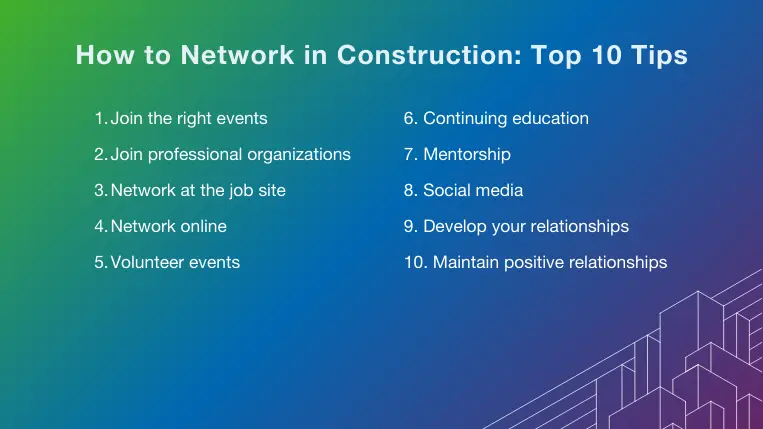
Attend Industry Events and Trade Shows
Industry events and trade shows are prime venues for contractors to connect with potential clients and peers. These gatherings provide an opportunity to showcase work — as well as engage in discussions about emerging trends and build brand visibility. According to a 2024 survey, 75% of contractors reported gaining new clients through participation in trade shows. Prioritize events relevant to your specialization; these will attract the most suitable audience.
Join Local Contractor Associations and Groups
Joining local contractor associations can significantly enhance networking opportunities. These groups often host meetings, workshops, and social events — which facilitate interaction among members. Engaging with fellow contractors can lead to referrals and collaborative opportunities. Moreover, local associations typically provide resources and insights about market trends, helping contractors stay competitive.
- Identify associations specific to your trade (e.g., builders, electricians).
- Attend monthly meetings to build rapport with other members.
- Volunteer for committees to increase visibility within the organization.
Use Online Forums and Communities for Networking
Online platforms like LinkedIn, Reddit, and specialized contractor forums offer valuable networking opportunities. Engaging in these communities allows contractors to share knowledge and seek advice. Plus, it helps connect with potential clients. As of 2025, 60% of contractors reported that online networking leads to inquiries and client referrals. Focus on contributing valuable insights or answering questions — this helps establish credibility within these communities.
Build Relationships with Suppliers and Subcontractors
Establishing strong relationships with suppliers and subcontractors can be a strategic advantage. Suppliers often have direct access to potential clients seeking recommendations. Likewise, subcontractors may refer clients to general contractors for larger projects. Building a network of reliable partners enhances project efficiency — and can lead to mutual referrals, expanding your client base.
- Schedule regular check-ins with suppliers to discuss new products and services.
- Attend joint meetings with subcontractors to align on project goals.
- Engage in collaborative marketing efforts with trusted partners.
Nuance / Expert Layer
While many contractors focus solely on traditional networking methods, a common misconception is that online networking is less effective. However, the rise of digital platforms has transformed how contractors connect with clients. In fact, contractors who diversify their networking strategies—by incorporating both in-person and online methods—are 40% more likely to secure new clients. This approach allows for a broader reach and more diverse opportunities. (This is often overlooked.)
Practical Application
To implement these networking strategies, contractors should take the following steps:
- Research and register for at least one industry event within the next three months.
- Join two local contractor associations and participate in upcoming events.
- Engage actively in at least one online forum or community, contributing weekly.
- Reach out to at least three suppliers or subcontractors to discuss partnership opportunities.
By systematically applying these strategies, contractors can enhance their networking efforts — ultimately leading to an expanded client base.
Leveraging Online Marketing for Client Acquisition
This section explores various online marketing techniques contractors can use to attract and secure clients. Implementing these strategies is crucial for building a robust client base in a competitive market.
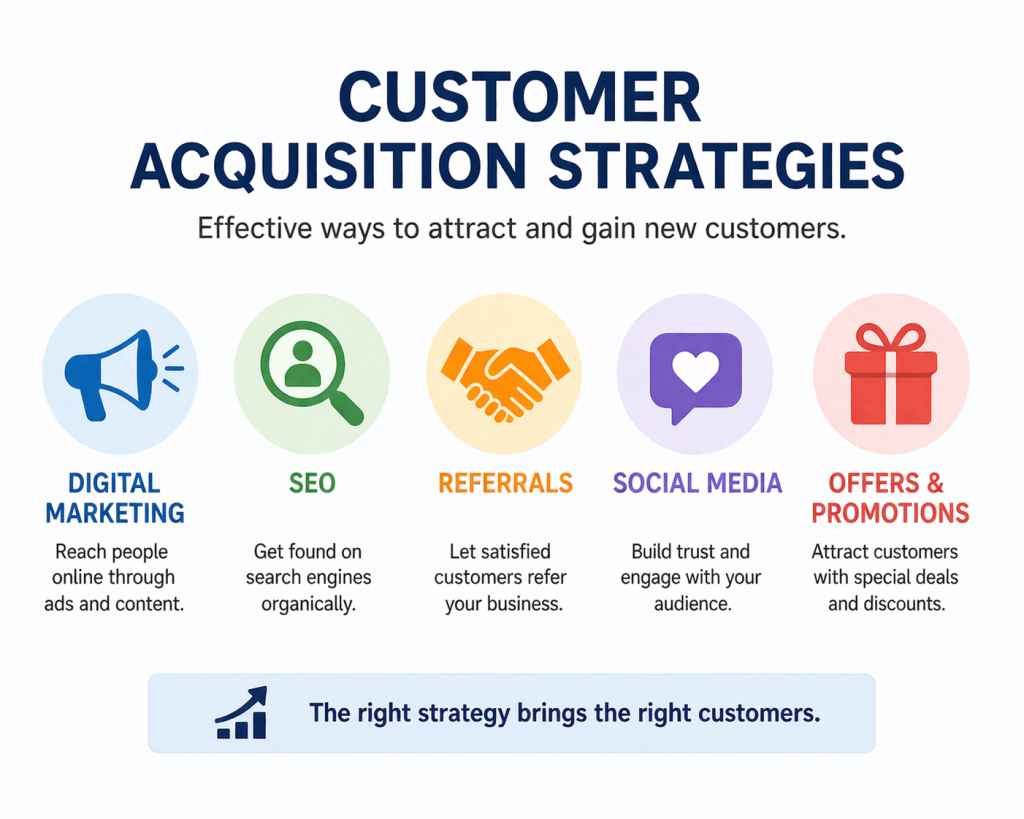
Create a Professional Website
A well-designed website is the cornerstone of a contractor’s online presence. It should showcase a portfolio of completed projects, feature client testimonials, and clearly outline the services offered. According to a survey by the Home Improvement Research Institute, 70% of homeowners look up contractors online before making a hiring decision. Make sure your website is professional and user-friendly. It can significantly influence potential clients.
Utilize SEO Strategies
Search Engine Optimization (SEO) is essential for boosting online visibility. Effective SEO strategies involve optimizing website content with relevant keywords, enhancing page load speed, and ensuring mobile compatibility. Contractors should focus on local SEO techniques to appear in search results when clients in their area search for services. In 2024, 80% of consumers are more likely to engage with businesses that appear on the first page of search engine results.
- Conduct keyword research to find terms potential clients are using.
- Optimize on-page elements, including title tags and meta descriptions.
- Build backlinks from reputable sources to enhance authority.
Engage in Content Marketing
Content marketing through blogs and videos positions contractors as industry experts. Regularly publishing informative articles and engaging video content can attract potential clients and build trust. HubSpot reports that companies prioritizing blogging are 13 times more likely to achieve a positive ROI. Topics can vary — home renovation tips or project showcases — providing value to the audience while enhancing SEO efforts.
Run Targeted Ads
Paid advertising on social media platforms and search engines can yield quick results. Targeted ads let contractors reach specific demographics based on location, interests, and behaviors. For instance, Google Ads can be particularly effective — reports show an average return of $2 for every $1 spent. Social media ads on platforms like Facebook and Instagram visually showcase projects and engage potential clients through compelling imagery.
Key Considerations for Effective Advertising:
- Define your target audience clearly.
- Use high-quality visuals and clear calls to action.
- Monitor ad performance and adjust strategies as necessary.
While these strategies are effective, contractors should be cautious about depending too heavily on any single method. A common misconception is that once a website is live, it will automatically attract clients. Continuous engagement through updates, social media interaction, and adapting to market trends is vital. Additionally, don’t overlook offline marketing efforts; a balanced approach often yields the best results.
To effectively implement these marketing strategies, contractors should take the following steps:
- Invest in a professional website design that reflects your brand.
- Conduct thorough keyword research and optimize your site for SEO.
- Create a content calendar for regular blog and video updates.
- Set a budget for targeted online ads and define your audience.
By following these actionable steps, contractors can enhance their online visibility and effectively attract new clients — ultimately answering the question of how contractors get clients in today’s digital landscape.
The Power of Referrals and Client Testimonials
Referrals and client testimonials are essential tools for contractors aiming to grow their client base. Positive experiences from satisfied clients bolster credibility and foster trust — which makes acquiring new projects easier.
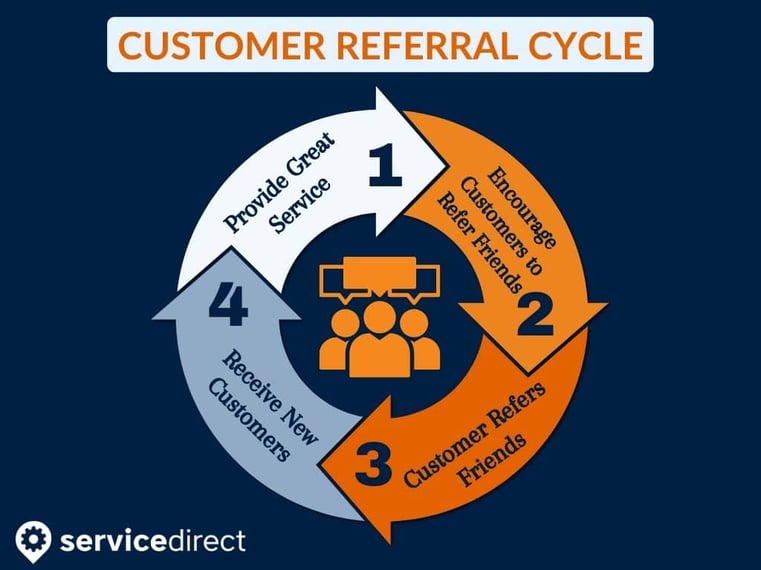
Encouraging Client Referrals
One effective way to gain new clients is through referrals from happy customers. Clients who are satisfied often recommend contractors who’ve provided exceptional service. To make the most of this potential, contractors should actively encourage referrals by:
- Building strong relationships throughout the project lifecycle.
- Asking for referrals when a project is successfully completed.
- Following up with clients after project completion to keep engagement alive.
Collecting and Displaying Testimonials
Testimonials act as social proof, showcasing reliability and quality to potential clients. Contractors should gather testimonials from past clients and display them prominently on their websites. Effective strategies include:
- Requesting written testimonials or video endorsements after finishing a project.
- Creating a dedicated section for testimonials on the website.
- Using testimonials on social media platforms to reach a wider audience.
Research shows that 79% of consumers trust online reviews as much as personal recommendations — highlighting the need to showcase positive feedback.
Implementing a Referral Program
Incentivizing referrals can greatly improve client acquisition efforts. A well-structured referral program encourages existing clients to recommend services to others. Consider implementing the following:
- Offer discounts or credits for successful referrals.
- Provide exclusive access to services or promotions for clients who refer others.
- Recognize and reward clients publicly — this can enhance community engagement.
A 2024 study found that businesses with referral programs see an average increase of 30% in customer acquisition rates, illustrating the effectiveness of this approach.
Maintaining Relationships with Past Clients
Future opportunities often come from previous clients. Maintaining relationships helps ensure that contractors stay top-of-mind for any upcoming projects. Key strategies include:
- Regular check-ins via email or phone calls.
- Sending newsletters that feature project updates or industry insights.
- Offering seasonal promotions or exclusive deals to past clients.
Many contractors overlook the potential of their existing client base, focusing only on new leads. Nurturing these relationships can lead to repeat business and referrals — creating a sustainable client acquisition strategy.
Expert Insights
While referrals and testimonials are seen as effective client acquisition strategies, many contractors underestimate the impact of timing. Timing requests for referrals or testimonials can greatly influence their effectiveness. For instance, asking for feedback soon after project completion — when satisfaction is highest — often results in more positive responses. Also, many contractors neglect to personalize their outreach. Tailoring requests to reflect the specific project or relationship tends to yield better results than generic asks.
Actionable Steps
To effectively leverage referrals and testimonials, contractors should:
- Develop a clear process for requesting testimonials from clients.
- Establish a referral program with clear incentives.
- Implement a follow-up system to maintain relationships with past clients.
By systematically applying these strategies, contractors can boost their reputation and effectively expand their client base.
Understanding Your Target Market as a Contractor
This section explores how contractors can identify and understand their ideal clients effectively. By focusing on a specific target market, contractors can tailor their client acquisition strategies. This often leads to increased business success.

Define Your Niche and Target Audience
Contractors must first establish their niche within the construction industry. This involves identifying specific services offered — such as residential remodeling, commercial construction, or specialty trades like electrical or plumbing work. A well-defined niche clarifies which clients to pursue. It also enhances marketing efforts.
Once the niche is determined, contractors should create a profile of their target audience. Consider various factors: demographics, location, income level, and project types. For instance, a contractor focusing on high-end residential projects may target affluent homeowners in urban areas. These details matter.
Research Client Needs and Preferences
Understanding client needs is critical. Conduct surveys, interviews, or focus groups with past clients to gather insights about their experiences and expectations. According to recent industry reports, 65% of clients prioritize communication and responsiveness when selecting a contractor. This statistic underscores how essential it is to align service offerings with client preferences.
- Identify key services clients frequently request.
- Analyze feedback to uncover recurring issues or desires.
- Stay informed about trends affecting client decisions, such as sustainability or smart home technology.
Tailor Marketing Messages to Address Specific Client Pain Points
Effective marketing means addressing specific pain points of the target audience. For example, if clients express concerns about project timelines, contractors should emphasize their project management skills and reliability in marketing materials. Crafting messages that resonate with the audience enhances engagement — and boosts lead generation.
Analyze Competitor Strategies to Find Gaps in the Market
Conducting a competitive analysis provides insights into what other contractors offer. Identify strengths and weaknesses in their service delivery, marketing tactics, and customer engagement. By recognizing gaps — like underserved client segments or underrepresented services — contractors can position themselves more strategically in the market.
- Assess competitors’ online presence, including websites and social media.
- Evaluate customer reviews and feedback to identify areas for improvement.
- Explore niche markets that competitors may overlook.
Many contractors overlook the significance of creating a detailed client persona that includes not just demographics, but also psychographics — client motivations, values, and behaviors. This deeper understanding often leads to more personalized interactions and targeted marketing efforts. Additionally, misconceptions arise regarding the effectiveness of traditional advertising methods. While digital marketing is essential, local community engagement (this is often overlooked) — such as sponsoring events or participating in trade shows — can yield valuable connections and client referrals.
To apply these insights, contractors should start by conducting a thorough analysis of their current client base and market positioning. Create a detailed client persona and develop targeted marketing messages that address specific client needs. Regularly revisit competitive strategies to adapt and refine approaches, confirming a continuous alignment with market demands. By implementing these strategies, contractors can enhance their client acquisition efforts and build long-term business relationships.
Frequently Asked Questions
What are the best ways for contractors to find clients?
Contractors can find clients through referrals, networking events, and online platforms. Additionally, building a strong portfolio and leveraging local advertising can significantly enhance visibility.
How important is networking for contractors?
Networking is crucial for contractors as it helps establish relationships and trust within the community. Personal connections often lead to referrals and repeat business, making it a key strategy for client acquisition.
What role do online platforms play in getting clients?
Online platforms are essential for contractors to showcase their work and connect with potential clients. Websites, social media, and job boards provide valuable exposure and facilitate direct communication.
How can contractors use social media to attract clients?
Contractors can attract clients by sharing project updates, client testimonials, and industry insights on social media. Engaging content and consistent interaction can help build a strong online presence and attract new leads.
What are common mistakes contractors make when seeking clients?
Common mistakes include neglecting online presence, failing to follow up with leads, and not asking for referrals. Additionally, contractors often underestimate the power of branding and effective communication in attracting clients.
Final Thoughts on how do contractors get clients
Success in client acquisition for contractors hinges on a multifaceted approach that integrates effective networking, online marketing, and leveraging referrals. The most successful contractors not only utilize these strategies but also adapt them to meet the unique demands of their target market.
To capitalize on these insights, contractors should develop a robust online presence by creating a professional website and actively engaging on social media platforms, showcasing their work and client testimonials to build credibility and attract potential clients.
Ready to boost your client base? Discover how a google ads expert can transform your contracting business with effective strategies!
Mastering the art of client acquisition is essential for contractors looking to thrive in a competitive landscape, establishing a sustainable business model that drives growth and longevity.