
How to get wedding clients refers to the strategies and practices that professionals in the wedding industry can implement to attract and secure clients. A strong online presence, particularly through social media and a professional website, is essential for visibility. Approximately 30% of couples find their wedding vendors through recommendations, highlighting the importance of networking and establishing relationships within the industry.
Understanding how to get wedding clients is crucial for wedding vendors looking to thrive in a competitive market. With the wedding industry valued at over $70 billion in the United States alone, effective client acquisition strategies are essential for sustaining and growing a business. Failing to implement these strategies can lead to missed opportunities and stunted growth.
Vendors who do not grasp effective client acquisition strategies risk missing out on significant revenue and may waste valuable resources on ineffective marketing. This can result in a competitive disadvantage, making it difficult to stand out in a crowded marketplace.
This article will cover proven strategies for attracting wedding clients, including the importance of social media marketing, networking with other wedding vendors, and utilizing local SEO to enhance visibility. Readers will gain insights into best practices and actionable steps to increase their client base effectively.
What are the best ways to market wedding services?
Effective marketing of wedding services requires a multifaceted approach that combines digital and interpersonal strategies. In 2024, about 80% of couples use social media to plan their weddings — a key platform for reaching potential clients.
To attract wedding clients successfully, consider implementing these marketing strategies:
- Use Social Media Platforms: Focus on visually-driven platforms like Instagram and Pinterest. Create engaging content that showcases your work, using relevant hashtags to boost visibility. Regularly post behind-the-scenes content and client testimonials to foster trust and engagement.
- Optimize Your Website for SEO: Make sure your website is optimized for search engines. Use keywords related to wedding services throughout your site, especially in titles and descriptions. Creating a blog with tips and inspiration can also help attract organic traffic, which can boost your visibility in search results.
- Network with Other Wedding Professionals: Build relationships with vendors in the wedding industry — florists, venues, and photographers. Attend industry events and participate in local wedding fairs to expand your network and gain referrals.
- Leverage Online Wedding Directories: List your services on popular wedding planning websites like The Knot or WeddingWire. These platforms can help reach a broader audience actively seeking wedding services (this is often overlooked), increasing your chances of securing clients.
- Offer Promotions and Packages: Create enticing packages that provide value to your clients. Promotional offers, especially during off-peak seasons, can attract budget-conscious couples who are seeking quality services.
Expert insight: Consistently analyze your marketing efforts with analytics tools to identify what works best. Adjusting strategies based on data is crucial for continuously improving engagement and conversion rates.
How can I network effectively to get wedding clients?
Networking effectively to secure wedding clients means engaging strategically at events, collaborating with other vendors, and actively taking part in industry associations. Getting involved in these activities can boost visibility and lead to new client referrals. About 70% of couples rely on vendor recommendations when planning their weddings — that’s significant.
Here are key strategies to enhance networking efforts:
- Attend Wedding Fairs: Participate in local wedding fairs and expos. These events attract engaged couples who are actively seeking vendors, making them an ideal platform to showcase services. Direct connections are invaluable.
- Collaborate with Other Vendors: Build relationships with florists, photographers, and venues. Collaborations can include joint marketing efforts or referral agreements — which can really expand client reach and enhance credibility.
- Join Industry Groups: Become a member of local wedding industry associations or online groups. Engaging in these communities often leads to valuable partnerships and insights about industry trends, ultimately boosting both visibility and client base.
Networking isn’t just about attending events; it’s about building genuine relationships. Make sure to follow up consistently after meetings, and maintain connections through social media (this is often overlooked). By staying active in the industry and being approachable, professionals can foster a network that generates client referrals over time.
Expert insight: Focus on creating a strong personal brand that reflects your unique offerings. When potential clients see consistency and authenticity in your networking efforts, they’re more likely to trust and choose your services.
What should I include in my wedding portfolio?
A wedding portfolio should include high-quality images, client testimonials, and a diverse range of services offered. Aim for at least 20 stunning images that showcase various aspects of weddings. Additionally, include 5-10 positive testimonials from past clients to establish credibility.
High-quality images are the cornerstone of any wedding portfolio. These should highlight different styles, themes, and settings—ranging from intimate ceremonies to grand receptions. A well-curated selection of at least 20 images can effectively demonstrate versatility and attract a broader client base. Make sure these photos are professionally taken, well-lit, and edited to reflect the true essence of each wedding. Each image counts.
In addition to visuals, incorporating client testimonials enhances the portfolio’s credibility. Aim for 5-10 testimonials that reflect diverse experiences, emphasizing your strengths and unique offerings. Each testimonial should provide insight into your professionalism, creativity, and ability to meet client expectations. Furthermore, showcasing a diverse range of services—such as planning, coordination, and design—can appeal to potential clients with varying needs. Use a clear layout to highlight these services (this is often overlooked), ensuring clients quickly understand what you bring to the table.
Expert insight: Regularly update your portfolio with recent work to keep it relevant and reflective of your current style and skills. This practice not only attracts more clients but also demonstrates your growth in the industry.
How much should I charge for wedding services?
Wedding service pricing typically ranges from **$1,500 to $10,000**, depending on various factors. Entry-level professionals might charge around **$1,500**. Meanwhile, experienced vendors often set rates closer to **$5,000 or more** for comprehensive packages that include multiple services.
Several factors influence how much to charge for wedding services. These include:
- Experience Level: Newer professionals may offer lower rates to attract clients — after all, they’re building their portfolios. On the other hand, seasoned vendors justify higher prices based on their established reputation and extensive experience.
- Services Offered: Comprehensive packages that include planning, coordination, and additional services (like floral design or photography) typically command higher prices. Standalone offerings usually cost less.
- Market Rates: Pricing should reflect local market conditions. Urban areas often have higher demand and cost of living, which leads to elevated service fees — especially compared to rural locations.
Moreover, specializations within the wedding industry can also impact pricing. For instance, a highly sought-after wedding planner or photographer might charge premium rates due to their niche expertise (this is often overlooked). Additionally, seasonal demand can affect costs; peak wedding seasons may see price increases due to greater demand.
Expert insight: Regularly review competitor pricing and client feedback to adjust rates effectively. This ensures alignment with market expectations and your unique service offerings — worth double-checking.
How long does it take to get wedding clients?
On average, wedding vendors see client acquisition starting at about 6 to 12 months. This timeline can fluctuate quite a bit depending on marketing strategies, networking efforts, and local market demand.
Several factors influence how quickly wedding clients are obtained. The effectiveness of marketing strategies is key. Vendors investing in targeted online advertising, social media outreach, and search engine optimization often get faster results. For instance, using platforms like Instagram and Pinterest can bring immediate visibility — leading to inquiries within weeks.
Networking within the wedding industry is equally important. Establishing relationships with venues, photographers, and other vendors can yield referrals. These often convert into clients much quicker than cold leads. In regions where wedding fairs or expos are available, participating in these events can also speed up client acquisition. Sometimes, it even results in same-day bookings. Additionally, seasonal trends can affect timelines. Many couples start planning well in advance, so being visible during peak months is crucial for quicker client engagement.
Expert insight: Building a strong online presence and actively engaging with potential clients on social media can significantly shorten the timeline for acquiring wedding clients. It’s vital to establish connections within the industry — this can help leverage referrals and boost credibility.
What are common mistakes to avoid when trying to get wedding clients?
Common mistakes can really hold back efforts to attract wedding clients. Poor communication, a weak online presence, and ignoring client follow-ups are among the biggest pitfalls. In fact, 75% of clients say effective communication plays a key role in their decision-making process.
First, ineffective communication often leads to misunderstandings and dissatisfaction. Clear, prompt responses to inquiries show professionalism — and they help build trust. Use multiple channels, like email and social media, to make sure clients can reach you easily. Also, regular updates during the planning process keep clients engaged and reassured (this is often overlooked).
Second, a lack of online presence can severely limit visibility. Today, nearly 90% of couples use online resources to plan their weddings. Establish a solid digital footprint by creating a professional website and maintaining active social media profiles. Showcase your work with high-quality images and client testimonials to attract potential clients. Investing in search engine optimization (SEO) can boost your website’s ranking in search results — this makes a difference.
Finally, neglecting client follow-ups can lead to lost opportunities. Following up with leads within 24 hours can greatly increase the chances of securing a booking. Implement a systematic approach to track inquiries and schedule reminders for follow-ups. Personalizing these interactions can also strengthen client relationships and encourage referrals.
Expert insight: Focus on building relationships rather than just closing sales. Engaging with potential clients authentically can result in a much higher conversion rate and long-term business success.
How can social media help me get wedding clients?
Social media serves as a powerful tool for attracting wedding clients. Platforms like Instagram and Pinterest act as visual portfolios for your work. Approximately 80% of couples use social media to plan their weddings — making a strong online presence essential for vendors.
Effectively using social media requires a strategic approach. Follow these key steps:
- Optimize Your Profiles: Make sure your social media profiles are complete and look professional. Use a clear profile picture, write an engaging bio, and include relevant keywords to improve your searchability.
- Showcase High-Quality Visuals: Post high-resolution images of your work, including wedding setups, decorations, and happy couples. Aim for three new posts each week to keep your audience engaged and interested.
- Utilize Hashtags and Tags: Use popular wedding-related hashtags to boost the visibility of your posts. Tagging vendors and venues can lead to shares and collaborations — expanding your reach significantly.
- Engage with Your Audience: Respond to comments and messages promptly. Engaging with followers builds trust and often encourages potential clients to reach out (this is often overlooked).
- Create Inspiring Boards: On Pinterest, create boards that reflect current wedding trends, styles, and themes. Pinning your work alongside others can attract couples seeking inspiration.
- Leverage Stories and Reels: Use Instagram Stories and Reels to showcase behind-the-scenes content, client testimonials, or quick tips. These formats increase engagement and can help attract new followers.
Building a strong social media presence takes time. However, the effort can yield significant rewards in attracting wedding clients. Consistency and creativity are crucial to standing out in a crowded market.
Expert insight: Collaborate with other wedding vendors on social media campaigns to expand your audience. Cross-promotion can introduce your services to new potential clients who trust your collaborators — a strategy that often pays off.
What are effective follow-up strategies for wedding inquiries?
Effective follow-up strategies for wedding inquiries can significantly boost the chances of turning prospects into clients. In fact, studies show that timely follow-ups can enhance conversion rates by up to 20%. This makes it essential for wedding professionals to adopt structured approaches.
To maximize the potential of wedding inquiries, consider these best practices:
- Respond Quickly: Aim to reply to inquiries within 24 hours. A swift response shows professionalism and eagerness — two key factors that can set you apart from competitors.
- Personalize Your Messages: Tailor your follow-up emails or messages to address specific details from the inquiry. Mention the couple’s names and any particular preferences they expressed. This creates a personal connection (this is often overlooked).
- Provide Value: Include helpful resources in your follow-up, like planning tips or links to your portfolio. This positions you as an expert and gives potential clients a reason to engage further. It’s a win-win.
- Utilize a Multi-Channel Approach: Combine email follow-ups with phone calls or text messages. Different clients prefer different communication methods — diversifying your outreach can enhance engagement.
- Set Follow-Up Reminders: Use a CRM system or calendar reminders to keep track of follow-up timelines. A systematic approach ensures that no inquiry slips through the cracks, allowing for consistent engagement.
Implementing these strategies not only aids in converting inquiries into bookings but also helps build a positive reputation. Couples appreciate vendors who are attentive and proactive throughout their planning journey. The wedding industry is highly competitive, and standing out requires both speed and personalization.
Expert insight: Regularly assess your follow-up process and adapt based on client feedback. Continuous improvement can lead to higher conversion rates — and a more robust referral network.
Building an Engaging Online Presence
Creating a compelling online presence is vital for attracting wedding clients. This section explains how to develop a professional website, leverage social media, and implement effective content strategies.

Importance of a Professional Website
A professional website is the cornerstone of your online presence. It should reflect your brand identity and effectively showcase your services. Key elements of a successful wedding portfolio website include:
- High-quality images: Use stunning visuals to capture the essence of your work.
- User-friendly navigation: Make sure visitors can easily find information about services, pricing, and contact details.
- Testimonials: Incorporate client reviews to build trust and credibility.
Statistics indicate that 75% of users judge a company’s credibility based on its website design. The result is often a significant impact on your ability to convert visitors into clients.
Utilizing Social Media Platforms for Visibility
Social media platforms are invaluable for enhancing visibility and connecting with potential clients. Each platform offers unique advantages:
- Instagram: Focus on visual storytelling. Share behind-the-scenes content, wedding highlights, and client testimonials.
- Facebook: Use targeted ads to reach specific demographics. Create events and engage with local wedding communities.
- Pinterest: Pin high-quality images to attract brides looking for inspiration. Optimize boards with keywords to increase discoverability.
As of 2024, 43% of couples reported finding their wedding vendors through social media — highlighting its role in client acquisition.
Creating Engaging Content that Showcases Work
Content creation is vital for demonstrating expertise and engaging potential clients. Effective strategies include:
- Blogging: Write articles that provide value, such as planning tips, vendor spotlights, and wedding trends.
- Video content: Share behind-the-scenes videos or highlight reels that showcase your work in action.
- Interactive content: Use polls or Q&A sessions to engage your audience and gather feedback.
Engaging content can improve your website’s time-on-page metrics — positively influencing SEO performance.
Leveraging SEO for Increased Traffic
Search engine optimization (SEO) is a critical component of attracting organic traffic to your website. Implement the following strategies:
- Keyword research: Identify relevant keywords, such as “wedding photographer in [location],” and incorporate them throughout your site.
- On-page SEO: Optimize meta titles, descriptions, and image alt texts to enhance search visibility.
- Link building: Collaborate with wedding blogs and vendors to obtain backlinks — increasing your site’s authority.
In 2025, 60% of wedding professionals reported that SEO efforts directly contributed to increased client inquiries.
Nuance / Expert Layer
A common misconception is that merely having a website is sufficient. In reality, continuous updates, responsiveness to trends, and regular content creation are critical for maintaining relevance. Furthermore, many wedding professionals overlook the importance of mobile optimization (this is often overlooked). With over 50% of users accessing websites via mobile devices, confirming that your site is mobile-friendly can significantly enhance user experience and conversion rates.
Practical Application
To build an engaging online presence, take the following actionable steps:
- Invest in a professional website that reflects your brand and showcases your work.
- Develop a social media strategy tailored to your target audience, focusing on high-engagement platforms.
- Create and share diverse content that highlights your expertise and connects with potential clients.
- Implement SEO strategies to boost your website’s visibility and attract organic traffic.
By following these guidelines, the chances of successfully attracting and securing wedding clients will improve significantly.
Networking Strategies for Wedding Professionals
Effective networking is crucial for wedding professionals looking to connect with potential clients and industry peers. This section outlines proven strategies that can boost visibility and foster meaningful relationships within the wedding industry.

Attending Local Wedding Expos and Fairs
Local wedding expos and fairs are prime opportunities for wedding professionals to engage directly with potential clients. These events attract couples planning their weddings — a perfect setting to showcase services and establish personal connections. Data from 2024 shows that nearly 65% of engaged couples attend at least one wedding expo before making vendor decisions. This fact emphasizes the need for a strong presence at these events.
- Prepare an Engaging Booth: Design an attractive booth that reflects your brand identity. Include visuals, brochures, and even some interactive elements.
- Offer Promotions: Consider exclusive deals for expo attendees. This can incentivize bookings during the event.
- Collect Leads: Use sign-up sheets or digital forms. This helps gather contact information for follow-up after the event.
Collaborating with Other Wedding Vendors
Forming collaborations with other wedding vendors can expand your reach and create referral networks. Building relationships with florists, photographers, and caterers can lead to mutual referrals and bundled services. These partnerships enhance client offerings.
- Joint Marketing Efforts: Create package deals that combine services from multiple vendors. This appeals to couples looking for convenience.
- Social Media Collaborations: Cross-promote each other’s work on social media platforms — tapping into different audiences.
- Networking Events: Host or participate in networking events with other vendors. These opportunities foster relationships and encourage sharing leads.
Joining Online Wedding Communities and Forums
Online communities and forums offer wedding professionals a way to connect with potential clients and peers. Engaging in discussions can position you as an expert while providing insights into current trends and client needs (this is often overlooked).
- Engage Authentically: Answer questions and provide valuable advice. This helps establish credibility within the community.
- Share Content: Post articles, tips, or case studies. These showcase your expertise and attract attention.
- Network with Peers: Build connections with fellow professionals. They may offer collaboration opportunities or referrals.
Building Relationships with Past Clients for Referrals
Past clients are a valuable resource for referrals. Maintaining relationships after the wedding can lead to recommendations and repeat business.
- Follow-Up Communication: Send thank-you notes or anniversary messages to past clients. This reminds them of your services.
- Incentivize Referrals: Offer discounts or bonuses for clients who refer new customers to your business. It’s a win-win.
- Showcase Testimonials: Request testimonials or reviews from satisfied clients. This builds credibility and attracts new clients.
Many wedding professionals underestimate the power of strategic networking. While attending events and collaborating with vendors is crucial, the real strength lies in nurturing relationships. For instance, studies show that referrals from past clients convert at a rate of 30% higher than leads from other sources, which underscores the importance of this strategy.
To apply these networking strategies effectively, start by researching upcoming local wedding expos and fairs in your area. Plan your participation by creating an engaging booth experience. At the same time, reach out to fellow wedding vendors to explore potential collaborations. Actively engage in online communities to establish your presence. And don’t forget to maintain ongoing communication with past clients to encourage referrals. This multifaceted approach will significantly enhance your ability to secure wedding clients.
Understanding Your Target Market
Identifying and understanding ideal clients is crucial for wedding professionals looking to improve client acquisition strategies. This section outlines practical methods to define your niche, conduct market research, and tailor services effectively.

Defining Your Niche in the Wedding Industry
Your niche represents a specific segment of the wedding market that aligns with your skills and passions. Defining this niche helps streamline marketing efforts and attracts the right clients. Consider important factors such as:
- Service Type: Are you a photographer, planner, florist, or caterer?
- Style: Do you specialize in traditional, modern, or destination weddings?
- Budget Range: Are you targeting luxury weddings or more budget-friendly options?
Conducting Market Research to Understand Client Needs
Market research is essential for identifying the preferences and pain points of potential clients. Use surveys, social media analytics, and industry reports to gather insights. A 2024 survey found that 62% of couples prioritize personalized services — highlighting the necessity for tailored offerings in your strategy.
Engage with potential clients through interviews or focus groups to gain valuable insights into their expectations and preferences. This data can significantly inform your service development and marketing strategies.
Creating Client Personas to Tailor Marketing Efforts
Client personas are fictional representations of your ideal customers based on market research. Creating detailed personas involves:
- Demographics: Age, gender, location, and income level.
- Psychographics: Interests, values, and lifestyle choices.
- Wedding Details: Preferred wedding style, budget, and planning timeline.
Developing these personas allows for more targeted marketing campaigns. This ensures your messaging resonates with your audience effectively.
Adapting Services to Meet Specific Client Expectations
Once the target market is understood, adapt services to align with client expectations. This can involve customizing packages, offering flexible pricing, or incorporating trending elements into offerings. In 2025, 75% of couples indicated a preference for vendors who provide customizable options — emphasizing the importance of flexibility in service delivery.
Additionally, staying informed about industry trends and client preferences can enhance service relevance and appeal.
Many wedding professionals often underestimate the importance of niche marketing. While broad marketing may seem beneficial, focusing on a particular audience frequently leads to higher conversion rates. Tailoring the approach based on detailed personas can yield a more engaged client base and increased referrals.
To effectively implement these strategies, start by conducting thorough market research to define your niche and create client personas. Use this information to tailor services and marketing efforts accordingly. Regularly revisit these personas and adjust strategies as market trends evolve. By understanding how to get wedding clients, you position yourself for sustained success in the competitive wedding industry.
Effective Follow-Up and Client Management
Maintaining strong relationships with potential clients is crucial in the competitive wedding industry. This section delves into the importance of timely follow-ups, effective client management tools, personalized communication, and strategies for converting leads into actual bookings.
The Importance of Timely Follow-Ups
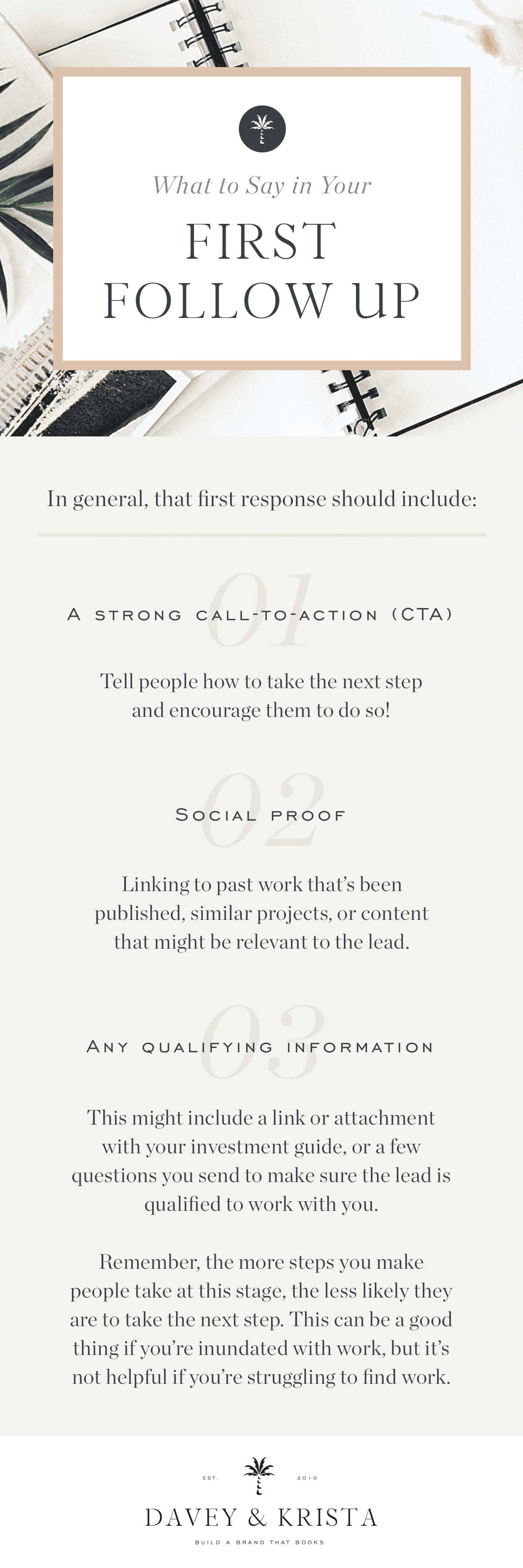
Timely follow-ups can greatly boost the chances of converting inquiries into bookings. A 2024 study by the Wedding Industry Association revealed that businesses that respond to leads within the first hour are 7 times more likely to engage with potential clients. A quick response shows professionalism — and genuine interest. This sets a positive tone for the client experience.
Using CRM Tools for Client Management
Implementing Customer Relationship Management (CRM) tools streamlines managing inquiries and client interactions. These platforms allow wedding professionals to track communications and schedule follow-ups more efficiently. Popular CRM tools like HoneyBook and 17hats offer features designed for the wedding industry, including automated workflows and customizable templates. As of 2025, 68% of wedding vendors reported improved efficiency in client management thanks to CRM adoption.
Personalizing Communication to Build Rapport
Personalized communication is vital for building rapport with potential clients. Tailoring messages to reflect a couple’s unique interests and preferences strengthens the connection. Start by addressing the couple by name and referencing specific details from their initial inquiry. Mentioning a favorite venue or theme can spark a more engaging dialogue. Also, consider using personalized video messages or voice notes to add a human touch to your communications (this is often overlooked).
Strategies for Converting Leads into Bookings
Converting leads into actual bookings requires a strategic approach. Consider employing the following strategies:
- Follow-Up Schedule: Create a follow-up timeline that includes initial contact, reminders, and check-ins based on client responses.
- Offer Incentives: Provide limited-time offers or exclusive packages to encourage potential clients to make a decision.
- Testimonials and Social Proof: Share success stories and reviews from past clients to build trust and credibility.
Nuances in Client Management
Many wedding professionals overlook the significance of managing leads that may not convert right away. It’s crucial to understand that a portion of inquiries may need nurturing over time. Couples often take weeks — or even months — to finalize their vendors. A study by WeddingWire found that 45% of couples initially reached out to multiple vendors but only booked after several follow-ups. Recognizing this cycle can help professionals fine-tune their client outreach strategies more effectively.
Practical Application
To leverage the insights provided in this section, wedding professionals should:
- Establish a robust follow-up schedule using a CRM tool.
- Personalize communication by referencing specific details from inquiries.
- Implement strategies such as offering incentives and showcasing testimonials to boost conversion rates.
By adopting these practices, professionals can enhance client engagement and ultimately improve their success in securing bookings.
Frequently Asked Questions
What are the best ways to market my wedding services?
Utilize a mix of online and offline marketing strategies, including social media, wedding fairs, and partnerships with local vendors. Creating a professional website and optimizing it for search engines will also enhance visibility.
How can I network effectively to get wedding clients?
Attend industry events, join wedding associations, and connect with other wedding professionals to build relationships. Establishing a referral network can significantly increase client inquiries.
What should I include in my wedding portfolio?
Your wedding portfolio should showcase a diverse range of work, including high-quality images, testimonials, and details about your services. Highlighting your unique style and previous successful events will attract potential clients.
How much should I charge for wedding services?
Pricing for wedding services varies based on experience, location, and service offerings. Research competitors in your area to establish a competitive yet fair pricing structure.
How long does it take to get wedding clients?
The timeline for acquiring wedding clients can vary widely, typically ranging from a few weeks to several months. Factors such as marketing efforts and seasonal demand can influence this timeframe.
What are common mistakes to avoid when trying to get wedding clients?
Common mistakes include neglecting online presence, failing to follow up with inquiries, and not showcasing a diverse portfolio. Additionally, underpricing services can undermine perceived value and professionalism.
How can social media help me get wedding clients?
Social media platforms allow for targeted marketing and engagement with potential clients through visually appealing content. Regularly posting high-quality images and client testimonials can enhance your brand visibility and attract inquiries.
What are effective follow-up strategies for wedding inquiries?
Timely and personalized follow-ups are crucial; respond within 24-48 hours after receiving an inquiry. Sending a thank-you email, providing additional information, and offering to answer questions can help convert inquiries into bookings.
Final Thoughts on how to get wedding clients
Success in securing wedding clients hinges on a multifaceted approach that combines a strong online presence, effective networking, and a deep understanding of your target market. By strategically showcasing your portfolio and leveraging relationships within the industry, you can position yourself as a go-to resource for couples seeking wedding services.
To take immediate action, refine your portfolio to highlight your best work, ensuring it resonates with your target demographic, and share it across relevant online platforms to attract potential clients.
Ready to elevate your wedding business? Consult a google ads expert today and watch your client base grow!
Mastering the art of client acquisition in the wedding industry not only enhances your business’s reputation but also solidifies your standing as a trusted expert in a competitive market.