
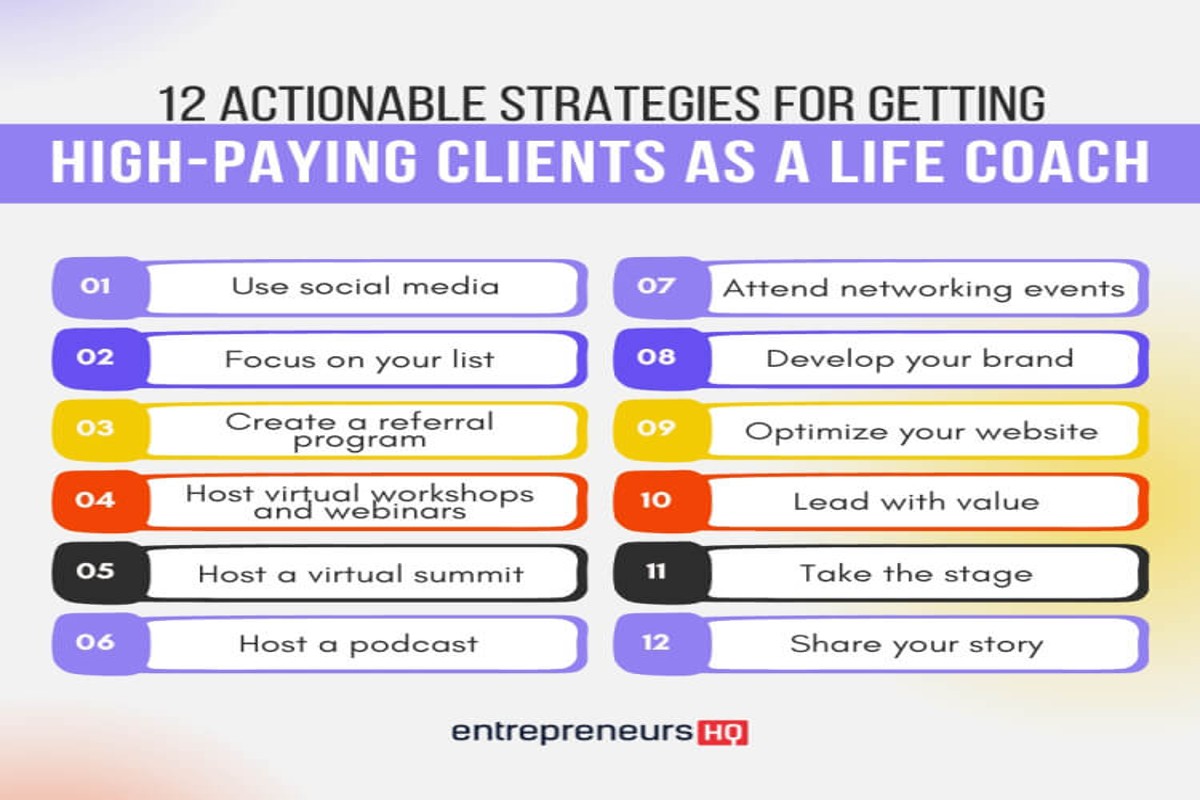
How to get clients for life coaching involves strategies focused on establishing a robust online presence, engaging in community networking, and providing free introductory sessions. These approaches are essential as 70% of clients prefer coaches who maintain an active online profile, significantly increasing the likelihood of client acquisition.
Understanding how to get clients for life coaching is crucial for coaches aiming to build a sustainable practice. With the life coaching industry projected to reach $1 billion in revenue by 2025, mastering client acquisition strategies can differentiate successful coaches from those struggling to attract clients. Failing to effectively connect with potential clients can result in missed opportunities and stagnated business growth.
Inadequate client acquisition strategies may lead to substantial revenue losses, wasted marketing resources, and an inability to compete effectively in a crowded marketplace. Coaches who do not grasp these strategies risk falling behind, potentially compromising their professional viability.
This article will provide insights into effective methods for acquiring clients, including the analysis of successful online marketing techniques, networking best practices, and the benefits of offering free sessions to attract new clients. Readers will gain actionable strategies to enhance their coaching business’s client base.
What are effective marketing strategies for life coaches?
Life coaches have a range of effective marketing strategies at their disposal to attract and keep clients. Key approaches include using social media, implementing content marketing, and engaging in networking. In a 2024 survey, 70% of life coaches indicated that social media played a significant role in their client base growth.
Social media platforms like Instagram, Facebook, and LinkedIn are crucial for reaching potential clients. Create engaging content that highlights your expertise — think motivational posts, client success stories, and live Q&A sessions. Regular interaction with followers builds a community. This fosters trust, making it easier for prospects to choose your services.
- Content marketing: Develop a blog or video series that addresses common challenges faced by your target audience. By providing valuable insights, you position yourself as an authority. This also improves your search engine visibility, drawing in organic traffic.
- Email marketing: Build an email list by offering free resources, like e-books or webinars. Regular newsletters keep your audience informed and engaged. Personalized offers can convert subscribers into paying clients — this is often a game-changer.
- Networking: Attend workshops, conferences, and local events to connect with other professionals and potential clients. Building relationships in person is important. It can lead to referrals and collaborations that enhance your visibility.
Expert insight:
Focus on building a personal brand that resonates with your ideal clients. Authenticity and consistency in messaging create a loyal client base that values your unique approach.
How can I find my ideal life coaching clients?
To find your ideal life coaching clients, it’s essential to define your target demographic and use strategic marketing techniques to reach them. Research shows that 70% of successful coaches clearly understand their niche — this clarity significantly enhances client acquisition.
Start by identifying the specific traits of your ideal clients. Think about factors like age, gender, profession, and the personal challenges they face. Conduct surveys or interviews with past and potential clients to gather insights (this is often overlooked). This information helps create a detailed client profile.
- Define your niche: Specify the area of life coaching you excel in — whether it’s career coaching, relationship coaching, or wellness coaching. This focus helps attract clients looking for those specific services.
- Utilize social media: Platforms like Instagram, Facebook, and LinkedIn offer targeted advertising options. Create engaging content that resonates with your ideal client profile to build a following. It’s key to stay current.
- Network strategically: Attend workshops, seminars, and community events relevant to your niche. Building relationships in these settings can lead to referrals — and introductions to potential clients.
- Offer free resources: Create valuable content like eBooks, webinars, or workshops that tackle common issues your target clients face. This positions you as an expert and encourages potential clients to seek your services.
- Collect testimonials: Encourage satisfied clients to provide testimonials that highlight the benefits of your coaching. This social proof can be a powerful motivator for potential clients to engage your services.
Regularly reassess your client profile and marketing strategies. This ensures alignment with evolving client needs and market trends. A flexible approach allows for adjustments based on feedback and market shifts — which is crucial for long-term success.
Expert insight: Engage with online communities related to your niche, such as forums or Facebook groups, to build relationships and enhance visibility among potential clients actively seeking support. This can lead to increased trust and more client referrals.
What should I include in my life coaching website?
A life coaching website should include clear service descriptions, client testimonials, and a blog with valuable content. Recent industry data indicates that 70% of potential clients prioritize testimonials when choosing a life coach.
Service descriptions need to detail the types of coaching offered, such as personal development, career coaching, or relationship guidance. Each service page should outline the benefits, methodologies, and expected outcomes. This clarity helps potential clients understand what to expect — and how your coaching addresses their specific needs.
Client testimonials are crucial for building trust and credibility. Showcase authentic feedback from clients who’ve experienced positive transformations through your coaching. Visual elements — like before-and-after stories or video testimonials — can boost engagement significantly. Additionally, a blog can position you as an authority in the field. Regularly updated content that tackles common challenges, shares success stories, and provides tips can attract visitors. This can improve search engine rankings and ultimately lead to more inquiries.
Expert insight: Regularly updating your website’s content not only aids SEO but also keeps your audience engaged and informed about your evolving coaching practices. (This is often overlooked)
How much should I charge for life coaching services?
The typical range for life coaching services is between $50 and $300 per hour, depending on various factors. Many coaches charge around $150 per hour as a standard rate. Pricing varies widely based on experience, niche, and geographical location—it’s important to note this.
Several factors influence how much to charge for life coaching services. Experience plays a significant role; established coaches with proven results can command higher fees. The specific niche or specialization—like career coaching, wellness coaching, or executive coaching—can also impact pricing. Market demand in your area matters too; urban locations tend to support higher rates compared to rural ones.
Another consideration is the format of coaching sessions. Group coaching or workshops may be priced lower per individual than one-on-one sessions, but they can generate more overall revenue. Coaches often offer package deals. This can incentivize clients to commit to multiple sessions at a reduced rate, thus providing a steady income stream.
- Experience: More experienced coaches typically charge higher rates.
- Niche: Specialized coaching services can justify higher fees.
- Location: Urban areas often support higher pricing due to greater demand.
- Session format: One-on-one sessions usually cost more than group sessions.
- Package deals: Offering discounts for multiple sessions can attract more clients.
Expert insight: Conducting a competitive analysis—research local rates and assess the value of your unique offerings—can help determine an optimal pricing strategy. This step is often crucial for success.
How long does it take to build a client base as a life coach?
Building a client base as a life coach usually takes anywhere from six months to two years. This timeframe can change significantly depending on various factors like marketing strategies, networking efforts, and the coach’s area of expertise.
Several factors affect how quickly a life coach can establish a client base. The effectiveness of marketing strategies is crucial. Coaches who invest in targeted advertising and maintain an active online presence — plus leverage social media platforms — tend to attract clients faster. For example, those who use platforms like Instagram or LinkedIn can reach a wider audience and spark interest in their services more quickly.
Another key factor is the coach’s niche and target demographic. Coaches concentrating on in-demand fields such as career transitions or personal development often find it easier to attract clients. This is especially true compared to those in more saturated or less popular niches. Additionally, creating a strong referral network can speed up client acquisition. Building relationships with complementary professionals, like therapists or fitness trainers, can lead to consistent referrals. This approach shortens the time it takes to build a solid client base.
Expert insight: Focus on developing a unique value proposition. Also, engage consistently with potential clients through workshops or webinars. This strategy can really cut down the time needed to establish a loyal client base.
What are common mistakes to avoid in life coaching marketing?
Many new life coaches make significant marketing blunders that can impede their ability to attract and keep clients. One frequent mistake involves not clearly identifying a specific target audience — this can lead to ineffective marketing strategies. A 2024 survey reveals that nearly 60% of life coaches struggle with client acquisition due to vague messaging and unclear branding.
To effectively market life coaching services, avoid these common pitfalls:
- Neglecting a niche: Without a defined niche, marketing efforts often become diluted. Specializing in a specific area, like career coaching or wellness, facilitates targeted messaging that resonates with potential clients.
- Inconsistent branding: A cohesive brand image and message across all platforms is vital. Disparate visuals or messaging can confuse potential clients and undermine credibility. Establish a strong online presence through a professional website — and maintain consistent social media branding.
- Overlooking client testimonials: Social proof is a powerful marketing tool (this is often overlooked). Not showcasing client success stories can limit trust. Actively seek and display testimonials to build credibility and attract new clients.
- Ignoring digital marketing: Many coaches underestimate the importance of digital marketing channels. Using social media, email marketing, and SEO can significantly enhance visibility. A well-optimized website often increases organic traffic — leading to higher conversion rates.
- Failing to follow up: After initial contact, many coaches neglect to follow up with potential clients. A systematic follow-up strategy can nurture leads and convert them into paying clients. Consider implementing an email sequence to stay connected.
Expert insight: Focus on building a strong, authentic online presence that reflects your unique coaching style. Engage with your audience through valuable content and consistent communication — this fosters long-term client relationships.
How important are social media and online presence for life coaches?
Social media and online presence are essential for life coaches. They greatly enhance visibility and credibility, which leads to client acquisition. Approximately 73% of consumers report that their purchasing decisions hinge on social media interactions. This underscores the medium’s significant role in the coaching industry.
Platforms like Instagram, Facebook, and LinkedIn are vital tools for life coaches. They market services, share valuable content, and engage with potential clients. These channels allow coaches to demonstrate their expertise through various formats — including videos, testimonials, and articles. An active online presence can foster greater trust and recognition, both crucial for establishing long-term relationships with clients.
- Brand Building: A cohesive online presence helps life coaches create a recognizable brand identity. This makes it easier for clients to connect with their values and mission.
- Networking Opportunities: Social media facilitates connections with other professionals, potential clients, and industry influencers. This expands a coach’s reach and referral possibilities.
- Feedback and Improvement: Engaging with followers lets life coaches receive immediate feedback on their services and content. This enables continuous improvement and adaptability to client needs (worth double-checking).
Moreover, maintaining a professional website enhances credibility. It serves as a portfolio for showcasing services, client testimonials, and relevant content. A well-designed website can greatly increase a coach’s ability to attract and retain clients, especially when paired with a robust social media strategy.
Expert insight: Consistently share high-quality, relevant content on social media. This positions you as an expert in the field. It builds trust and encourages potential clients to seek your services for their personal development needs.
Building an Authentic Brand as a Life Coach
Establishing an authentic brand is crucial for attracting and retaining clients in life coaching. A defined brand not only reflects personal values—it’s what resonates with clients seeking guidance and support.

Understanding Your Unique Coaching Style
Every life coach has a distinct coaching style, shaped by personal experiences, expertise, and core values. Identifying this unique approach is fundamental for branding. Coaches should evaluate their methods—do they favor a direct approach, a nurturing style, or a mix of techniques? This self-awareness not only enhances the ability to attract the right clients but also aligns with specific coaching philosophies (this is often overlooked).
Creating a Compelling Value Proposition
A value proposition outlines what distinguishes a coach from others in the market. It should clearly convey the benefits clients can expect and address their specific needs. For instance, a coach specializing in stress management might emphasize techniques that have led to a 40% improvement in client stress reduction outcomes. A compelling value proposition captures attention and builds trust with potential clients.
Utilizing Storytelling to Connect with Clients
Storytelling serves as a powerful tool in establishing an authentic brand. Sharing personal anecdotes or client success stories can create emotional connections, making the coaching approach relatable. For example, a coach who faced significant life challenges might illustrate their journey, showcasing resilience and fostering trust. Research shows that stories can boost message retention by up to 65%—making them an effective branding strategy.
Maintaining Consistency Across Platforms
Consistency in branding across various platforms is key to enhancing recognition and trust. Coaches should confirm that their messaging, visuals, and tone are uniform on social media, websites, and promotional materials. According to a 2024 survey, 75% of consumers prefer brands that maintain a consistent image across all channels. This reinforces credibility and assures potential clients of a cohesive coaching experience.
Nuance / Expert Layer
A common misconception is that life coaches should shape their brands to target a broad audience. However, focusing on a specific niche often yields better results. Coaches who specialize in areas like career transitions or health and wellness can forge deeper connections with clients. This specificity not only boosts credibility but also positions the coach as an authority in a particular domain. Moreover, the surge in personalized coaching approaches has resulted in a 30% increase in client satisfaction rates—highlighting the importance of authenticity in branding.
Practical Application
To build an authentic brand as a life coach, follow these actionable steps:
- Reflect on your coaching style and pinpoint unique attributes.
- Craft a clear and compelling value proposition tailored to your target audience.
- Develop a narrative that includes personal and client success stories to enhance relatability.
- Ensure consistency in messaging and visuals across all platforms.
Employing these strategies will significantly enhance the ability to attract clients for life coaching and create a lasting impact in the coaching community.
Leveraging Networking and Referrals
Effective networking and referral strategies form the bedrock of long-term client relationships in life coaching. This section dives into practical tactics for cultivating connections that can result in a sustainable client base.

Strategies for Effective Networking in Your Community
Networking within the community helps life coaches develop relationships that can lead to client referrals. Engaging in local events, workshops, and seminars offers both exposure and credibility. Consider these strategies:
- Attend Workshops and Conferences: Get involved in events related to personal development and mental health. This connects you with potential clients and fellow professionals.
- Join Local Organizations: Sign up for community groups, like chambers of commerce or professional associations, to broaden your network.
- Host Free Seminars: Offer free introductory sessions on life coaching topics. It showcases expertise and attracts potential clients.
Building Referral Partnerships with Other Professionals
Creating referral partnerships with other professionals, like therapists, fitness trainers, or wellness coaches, can establish a mutually beneficial ecosystem. These professionals can send clients your way who may benefit from life coaching. To form these partnerships:
- Identify complementary professionals in your area.
- Reach out to discuss potential collaboration and referral opportunities.
- Set clear referral protocols and keep up regular communication.
Using Client Testimonials to Enhance Credibility
Client testimonials act as powerful endorsements for your coaching services. They enhance credibility and provide social proof that can sway potential clients. To maximize their impact:
- Request testimonials from satisfied clients after successful coaching engagements.
- Showcase these testimonials on your website and social media platforms.
- Think about creating video testimonials for a more personal touch.
Creating a Referral Program to Incentivize Existing Clients
A well-structured referral program can motivate current clients to refer others. Such programs not only foster loyalty but also generate new business. Key elements of a successful referral program include:
- Incentives: Offer discounts, free sessions, or gift cards for successful referrals.
- Clear Guidelines: Give clients straightforward instructions on how to refer others.
- Follow-Up: Always acknowledge and thank clients for their referrals to reinforce positive behavior.
According to a survey by the International Coaching Federation (ICF) in 2024, 83% of coaching clients find their coaches through referrals. This statistic highlights the importance of cultivating a referral-focused approach.
Networking and referral strategies should be seen as ongoing efforts, not just one-off tasks. Life coaches need to stay proactive in nurturing relationships and seeking new collaboration opportunities. A common misconception is that networking is purely about acquiring new clients; however, it’s equally about building trust and fostering long-lasting relationships.
To implement these strategies effectively, life coaches should:
- Schedule regular networking activities each month.
- Compile a list of potential referral partners and reach out to them.
- Create a systematic way to gather and showcase client testimonials.
- Design and launch a referral program with clear benefits for existing clients.
By concentrating on these actionable steps, life coaches can leverage networking and referrals to build a loyal client base, ensuring sustainable growth in the long run.
Effective Use of Content Marketing
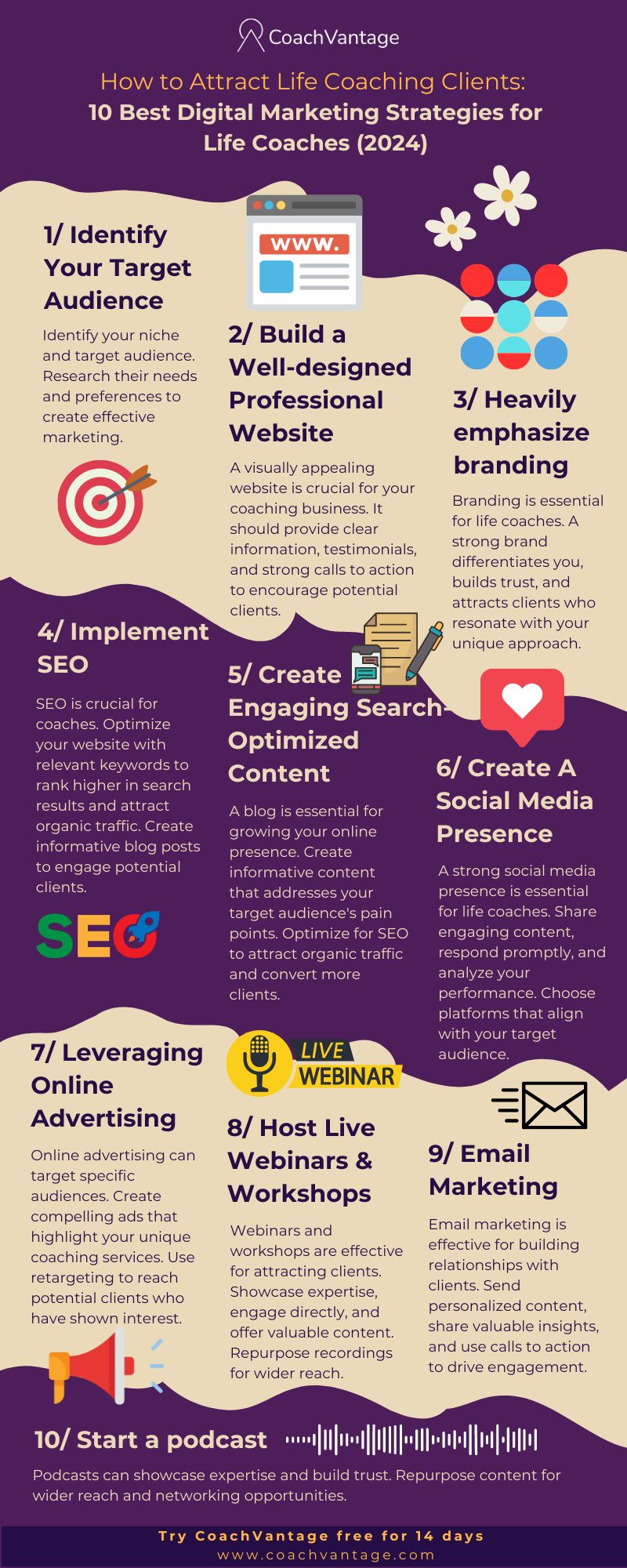
Content marketing is a crucial strategy for life coaches aiming to attract and keep clients. By delivering valuable and relevant content, life coaches can establish authority, build trust, and effectively engage potential clients.
%20(1).jpg)
Types of Content That Resonate with Potential Clients
Understanding which types of content attract clients is essential for effective content marketing. Potential clients typically look for information that directly addresses their specific challenges and aspirations. The following content types often resonate well:
- Informative Blogs: Articles providing insights on common life challenges — like stress management or career transitions — can engage readers.
- Engaging Videos: Short videos that showcase coaching techniques or client testimonials create a personal connection.
- Podcasts: Audio content discussing various life coaching topics allows for deeper engagement and easy access.(this is often overlooked)
Utilizing Blogs, Videos, and Podcasts for Engagement
Each content format offers distinct advantages for engagement:
- Blogs: Regularly updated blogs improve search engine rankings and drive organic traffic. They build a knowledge base that potential clients can reference.
- Videos: Platforms like YouTube can host content showcasing personality and expertise, which often leads to higher viewer retention rates.
- Podcasts: With over 50% of the U.S. population listening to podcasts in 2024, this format can greatly expand reach and cultivate a loyal audience.
SEO Best Practices to Increase Visibility
Optimizing content for search engines is critical for attracting clients effectively. Implementing the following SEO strategies can enhance visibility:
- Keyword Research: Identify and use relevant keywords, like “life coaching tips” or “personal development strategies,” to target your audience.
- On-Page Optimization: Use keywords in titles, headings, and meta descriptions. Make sure your content is structured with clear headings for better readability.
- Link Building: Collaborate with other websites or industry influencers to gain backlinks, which enhances your site’s authority.
Measuring the Effectiveness of Your Content Strategy
Monitoring content performance is essential for continuous improvement. Key metrics to track include:
- Website Traffic: Analyze visitor numbers to your blog or website to gauge interest levels.
- Engagement Rates: Measure likes, shares, comments, and video views — this helps assess how well content resonates with your audience.
- Conversion Rates: Track how many visitors become clients, providing insight into your content’s effectiveness in driving business.
Common misconceptions about content marketing in the life coaching field often include the belief that only high-budget campaigns yield results. In reality, authentic, value-driven content can outperform costly advertisements. Many coaches overlook the importance of consistency; regular posting fosters trust and keeps the audience engaged. Furthermore, many fail to use analytics tools, missing opportunities for refinement and growth.
To leverage this information effectively, life coaches should take the following actions:
1. Develop a content calendar to maintain consistency across blogs, videos, and podcasts.
2. Invest time in keyword research to identify high-traffic topics relevant to their coaching niche.
3. Use analytics tools, like Google Analytics, to measure engagement and adjust strategies based on data-driven insights.
4. Engage with the audience through comments and social media to build community and loyalty.
Establishing a Client-Centric Approach
Developing a client-centric approach is crucial for life coaches looking to attract and keep clients. This section outlines effective strategies to understand client needs, tailor services, and build long-term relationships.

Conducting Client Surveys to Gather Feedback
Client feedback serves as a vital resource for life coaches. Regular client surveys can help coaches gauge satisfaction, pinpoint areas for improvement, and grasp client expectations. Research shows that businesses actively seeking customer feedback can boost client retention by as much as 25%. Surveys are often conducted via online platforms, which ensures ease of access and anonymity — this often leads to more honest responses.
Tailoring Services to Meet Specific Client Goals
Every client has unique aspirations and challenges. A tailored coaching approach doesn’t just show attentiveness; it can also significantly enhance client outcomes. By conducting initial assessments and goal-setting sessions, coaches can customize their strategies accordingly. For example, a coach might focus on career transitions for one client while emphasizing personal development for another. According to a 2024 study, personalized coaching interventions can increase client goal attainment by 37%.
Building Long-Term Relationships Through Follow-Ups
Establishing connections that extend beyond sessions fosters both loyalty and trust. Regular follow-ups after coaching sessions—whether through emails, phone calls, or scheduled check-ins—can strengthen the coach-client relationship. These interactions provide ongoing support and can lead to referrals, which expands a coach’s client base. Research indicates that 70% of clients appreciate follow-ups, viewing them as a sign of genuine care.
Creating a Welcoming and Supportive Coaching Environment
A positive coaching environment is essential for client comfort and engagement. Coaches should make sure their space—whether physical or virtual—is inviting and conducive to open dialogue. Elements like comfortable seating, a calm atmosphere, and accessible resources can greatly enhance the coaching experience. A supportive environment encourages clients to share their thoughts freely, leading to deeper insights and more effective coaching.
Nuance: Addressing Common Misconceptions
Many life coaches mistakenly think a one-size-fits-all approach is enough for client retention. This misconception can lead to disengagement and attrition. Each client’s journey is unique — coaches must be adaptable in their techniques. Furthermore, some coaches may overlook the significance of follow-ups, believing that completing sessions means client satisfaction. In reality, continuous engagement is essential for nurturing long-term client relationships.
Practical Application
- Implement a quarterly client survey to gather insights and feedback.
- Develop personalized coaching plans based on initial assessments.
- Schedule follow-ups at regular intervals to maintain client engagement.
- Create a comfortable and inviting coaching environment, whether online or in-person.
By adopting these strategies, life coaches can enhance their client-centric approach. This ultimately leads to sustained client relationships and a thriving coaching practice.
Frequently Asked Questions
What are effective marketing strategies for life coaches?
Effective marketing strategies for life coaches include leveraging social media, creating valuable content, and networking within relevant communities. Building a strong personal brand and utilizing client testimonials can also enhance visibility and credibility.
How can I find my ideal life coaching clients?
Identifying your ideal life coaching clients involves defining your niche and understanding their specific needs and challenges. Conducting market research and engaging in targeted outreach can help attract the right audience.
What should I include in my life coaching website?
A life coaching website should include a clear description of services, client testimonials, a blog with valuable content, and easy-to-find contact information. Additionally, incorporating a booking system can streamline the client onboarding process.
How much should I charge for life coaching services?
Life coaching rates vary widely based on experience, niche, and location, typically ranging from $50 to $300 per hour. Researching competitors and considering the value provided can help set appropriate pricing.
How long does it take to build a client base as a life coach?
Building a client base as a life coach can take anywhere from a few months to several years, depending on marketing efforts and networking. Consistent outreach and delivering quality coaching can accelerate this process.
What are common mistakes to avoid in life coaching marketing?
Common mistakes include failing to define a target audience, neglecting to establish an online presence, and not showcasing client success stories. Additionally, inconsistent messaging can confuse potential clients and hinder marketing effectiveness.
How important are social media and online presence for life coaches?
Social media and a robust online presence are crucial for life coaches, as they enhance visibility and facilitate client engagement. Platforms like Instagram and LinkedIn can effectively showcase expertise and attract potential clients.
Final Thoughts on how to get clients for life coaching
Building a sustainable client base as a life coach hinges on creating an authentic brand, effectively leveraging networks, and utilizing strategic content marketing. These elements foster trust and visibility, crucial for attracting and retaining clients over time.
To implement these strategies, focus on developing a robust online presence that embodies your unique coaching philosophy and actively engage with potential clients through targeted content that addresses their needs and aspirations.
Ready to elevate your coaching business? Consider partnering with a google ads expert to attract and retain clients more effectively.
Establishing a strong client relationship is not just about securing business; it’s about transforming lives and enabling lasting change, which is the ultimate goal of life coaching.