

How to get clients as a new financial advisor involves strategies aimed at attracting and retaining clients in a competitive market. Key methods include leveraging referrals, utilizing social media platforms, and hosting free workshops. Research indicates that 80% of clients originate from referrals, highlighting the importance of relationship-building in this profession.
Understanding how to get clients as a new financial advisor is crucial for establishing a successful practice. New advisors must navigate a crowded marketplace where client acquisition can significantly impact long-term viability. According to a recent survey, 70% of financial advisors cite client acquisition as their biggest challenge, underscoring the need for effective strategies.
Failure to grasp effective client acquisition strategies can result in missed revenue opportunities, inefficient resource allocation, and a weakened competitive position. New advisors risk becoming obsolete if they do not actively engage in proven client-building tactics.
This article will explore proven strategies for acquiring clients, including the comparison of effective networking techniques, cost-effective marketing methods, and best practices for leveraging digital platforms to enhance visibility and engagement.
What are the best ways for new financial advisors to attract clients?
New financial advisors can attract clients by focusing on effective networking, leveraging online platforms, and providing valuable content. Research shows that 78% of clients prefer working with advisors who share informative content — this is a key strategy for engagement.
Building a robust network is essential for new financial advisors. Networking involves connecting with professionals in related fields, such as real estate agents, accountants, and attorneys. These connections can lead to referrals and collaborative opportunities. Attend industry conferences, local business events, and community gatherings to broaden your network. And don’t forget to use platforms like LinkedIn to maintain relationships and engage with potential clients by sharing industry insights.
- Use Social Media: Establish a presence on social media platforms like LinkedIn, Facebook, and Instagram. Share educational articles, market analyses, and personal finance tips to engage your audience. Consistent posting can build your brand and attract followers who may turn into clients.
- Create Valuable Content: Develop a blog, podcast, or video series that addresses common financial concerns. Educational content not only establishes you as an expert but also drives organic traffic to your website. Aim to publish at least one piece of valuable content per week to stay visible.
- Offer Free Workshops or Webinars: Host workshops or webinars on relevant financial topics. This gives potential clients a no-obligation way to experience your expertise. Promote these events through social media and email marketing to reach a wider audience.
Expert insight: Tailor your content to address specific demographics or niches, such as young professionals or retirees. This can enhance your appeal and help establish deeper connections with your target audience (this is often overlooked).
How can I build a client base as a new financial advisor?
To build a client base as a new financial advisor, start by identifying your target market and developing a tailored marketing plan. Networking and establishing an online presence are key strategies for attracting potential clients.
1. Identify Your Target Market: Determine the demographic and financial needs of your ideal clients. Focus on a niche — such as young professionals, retirees, or small business owners — to tailor your services effectively.
2. Create a Marketing Plan: Develop a comprehensive marketing plan that includes both online and offline tactics. Use social media platforms, email marketing, and a professional website to reach potential clients. This is essential.
3. Network Strategically: Attend industry events, local business meetings, and community gatherings. Building relationships with other professionals, like attorneys and accountants, can lead to valuable client referrals.
4. Leverage Online Presence: Establish a strong online presence through informative content, webinars, and social media engagement. According to a 2024 survey, 70% of clients research financial advisors online before making contact (this is often overlooked).
5. Offer Free Initial Consultations: Attract potential clients by offering complimentary consultations. This allows prospects to understand your services — and your expertise — without any commitment.
6. Gather Testimonials: As you begin to serve clients, request testimonials that highlight your effectiveness and customer service. Positive reviews can significantly influence new client acquisition.
Expert insight: Building a robust client base requires consistency in marketing efforts. Regularly assess your strategies and adapt to market changes to ensure long-term success.
What marketing strategies work best for new financial advisors?
New financial advisors can acquire clients effectively through various strategies like social media marketing, email campaigns, and community events. Each approach has its unique benefits and can be adjusted to appeal to different audience segments. For example, 64% of financial advisors say social media has positively affected their client acquisition efforts.
Social media marketing involves using platforms such as LinkedIn, Facebook, and Instagram to create a professional presence and connect with potential clients. This strategy allows for targeted ads and content sharing — both of which can improve brand visibility. However, it demands consistent interaction and ongoing content creation to build relationships and trust over time.
Email campaigns provide a direct line to potential clients. Advisors can share valuable insights, newsletters, and personalized offers. This method is especially effective for nurturing leads and keeping communication ongoing. The key difference is the ability to reach clients directly; however, it needs a well-segmented email list and engaging content to prevent being flagged as spam (this is often overlooked).
Community events, such as financial workshops or local seminars, create opportunities for face-to-face interaction and relationship building. These events can generate trust and credibility — crucial elements in financial advising. While this approach can take significant time and require upfront investment, it often results in high conversion rates. Clients are generally more likely to engage with someone they’ve met in person.
- Social Media Marketing: Builds online presence, requires consistent content creation.
- Email Campaigns: Direct communication, effective for nurturing leads; compelling content is a must.
- Community Events: Establishes trust through face-to-face interaction; high conversion potential, yet time-intensive.
Expert insight: Tailoring marketing efforts to specific demographics enhances effectiveness. Younger clients may respond better to social media, while older clients often prefer community events or direct email communication (worth double-checking).
How long does it take to get clients as a new financial advisor?
Typically, it takes between 6 months to a year to establish a solid client base as a new financial advisor. This timeframe can vary widely based on several factors, including networking efforts, marketing strategies, and the advisor’s prior experience.
Several key factors influence how quickly a new financial advisor can attract clients. First, the advisor’s ability to leverage personal networks is critical. Advisors who actively engage with friends, family, and professional connections tend to secure initial clients more quickly. Plus, participation in community events and local organizations can enhance visibility and credibility — leading to quicker client acquisition.
Second, the effectiveness of marketing strategies plays a major role. Advisors who invest in digital marketing, like social media campaigns or search engine optimization for their websites, often see a more rapid influx of clients. In contrast, those relying solely on traditional methods might experience a slower buildup. Moreover, specialization can significantly affect client acquisition speed. Advisors who carve out a niche (such as retirement planning or small business consulting) generally attract clients more quickly, thanks to targeted marketing efforts and a clear value proposition.
Expert insight: Consistent follow-up with leads and maintaining a robust referral program can greatly accelerate client acquisition. Establishing trust — and demonstrating expertise early on — is crucial for long-term success in building a client base.
What common mistakes do new financial advisors make when attracting clients?
New financial advisors often struggle with personal branding, inadequate follow-up with leads, and ineffective use of technology. A survey by the Financial Planning Association found that nearly 30% of new advisors fail to stand out in a crowded market. This significantly hampers client acquisition efforts.
One common mistake is neglecting personal branding. A new advisor might have a strong academic background, along with certifications, but still lacks a professional online presence. This could mean not having a well-designed website or active social media profiles. Without a clear brand identity, potential clients may overlook them — opting instead for more visible competitors. A study revealed that 70% of consumers research financial advisors online before making contact (this is often overlooked), highlighting the need for a solid digital footprint.
Additionally, new advisors often underestimate the importance of following up with leads. For example, an advisor may meet several potential clients at a networking event but fail to reach out afterward. Research shows that 80% of sales require five follow-ups after the initial contact. Yet, many advisors give up after just one or two attempts. This lack of persistence can lead to missed opportunities to convert leads into clients.
Expert insight: New financial advisors should prioritize building a strong personal brand. They must also develop a systematic follow-up strategy to maximize lead conversion. Integrating technology, such as CRM software, can streamline these processes — enhancing client engagement in the long run.
Building a Strong Personal Brand
Establishing a strong personal brand is crucial for new financial advisors aiming to attract clients. A well-defined brand not only showcases expertise but also sets advisors apart in a crowded market.

Define Your Unique Value Proposition
Your unique value proposition (UVP) defines what distinguishes you from other financial advisors. It should resonate with your target audience and address their specific needs. For example, if you focus on sustainable investing, your UVP might highlight your commitment to socially responsible financial strategies. Research indicates that 70% of consumers prefer engaging with brands that reflect their values — a strong UVP is essential.
Create a Professional Online Presence
An effective online presence forms the foundation of personal branding. Build a user-friendly website that showcases your services, testimonials, and UVP. Include professional elements like a sleek logo and high-quality images. Moreover, keep active profiles on platforms such as LinkedIn, where 87% of financial advisors claim to generate leads. Consistent branding across all online channels strengthens your identity and builds trust.
Utilize Consistent Messaging Across Platforms
Consistency in messaging is key to establishing credibility. Make sure your brand voice, visuals, and core messages align across your website, social media, and promotional materials. This uniformity not only enhances brand recognition but also instills a sense of reliability among potential clients. Regularly review your messaging to adapt to shifting market conditions while keeping core themes intact (this is often overlooked).
Engage in Thought Leadership Through Content
Creating high-quality content positions you as an industry expert and cultivates trust with potential clients. Write articles, produce webinars, or host podcasts on relevant financial topics. According to a 2024 study, 60% of consumers are more inclined to trust brands that offer educational content. This engagement attracts clients and encourages referrals, further broadening your reach.
Nuance / Expert Layer
A common misconception is that personal branding is only about marketing; in reality, it’s about authenticity. Clients increasingly seek advisors who genuinely embody their values and demonstrate transparency. Advisors should not only concentrate on polished presentations but also share personal stories and experiences that resonate. Authenticity can significantly strengthen client relationships and retention rates; in fact, 80% of consumers prefer working with brands they view as genuine.
Practical Application
- Develop a clear UVP that highlights your strengths and target market.
- Create a professional website and maintain active social media profiles.
- Ensure consistent messaging across all platforms to build brand trust.
- Regularly produce educational content to establish thought leadership.
Implement these strategies to effectively build your personal brand and enhance your ability to attract clients as a new financial advisor.
Leveraging Networking and Referrals
This section dives into effective strategies for leveraging networking and referrals. These are essential pathways for new financial advisors to build a client base and establish credibility in the industry.

Join Professional Associations and Groups
Becoming a member of professional associations, like the Financial Planning Association (FPA) or the National Association of Personal Financial Advisors (NAPFA), gives new financial advisors access to a broad network of peers and potential clients. These organizations often offer resources, educational opportunities, and discussion forums, which can enhance professional development and visibility. Engaging in these associations can lead to valuable connections — ones that facilitate referrals and collaboration.
Attend Industry Events and Seminars
Participating in industry events, conferences, and seminars is another effective networking strategy. A survey by the Financial Planning Association found that 61% of financial advisors reported gaining clients through networking events. These venues allow advisors to showcase their expertise and meet prospective clients. Learning from industry leaders is also crucial. Actively engaging in discussions and workshops fosters relationships that can translate into referrals.
Develop Referral Partnerships with Other Professionals
Establishing referral partnerships with professionals such as attorneys, accountants, and real estate agents can greatly enhance a financial advisor’s efforts to acquire clients. These professionals often encounter clients needing financial advice, leading to a mutually beneficial relationship. By offering to reciprocate referrals, advisors can build a robust network that drives business growth. A study from the Journal of Financial Planning shows that 40% of new clients for financial advisors come from referrals.
Implement a Referral Program for Existing Clients
Creating a structured referral program can encourage existing clients to refer new clients to your practice. This might include offering discounts on services, gift cards, or other rewards for successful referrals. A well-communicated referral program can motivate clients to promote your services actively. Research indicates that clients referred by existing customers have a 37% higher conversion rate — which emphasizes the effectiveness of this approach.
Nuance in Networking and Referrals
While networking and referrals are crucial, many new financial advisors overlook the significance of follow-up and relationship maintenance. Building a network isn’t just about making initial connections; it involves ongoing engagement. Furthermore, advisors should avoid the misconception that networking is merely a numbers game. Quality connections often lead to better results than sheer volume. Fostering genuine relationships can yield more dependable referrals and a stronger client base over time.
Practical Application
- Identify and join at least two professional associations relevant to your niche.
- Attend a minimum of three industry events within the next year to expand your network.
- Reach out to at least five local professionals in complementary fields to discuss potential referral partnerships.
- Design and implement a referral program for your existing clients, clearly outlining the benefits for both parties.
Using Digital Marketing Strategies
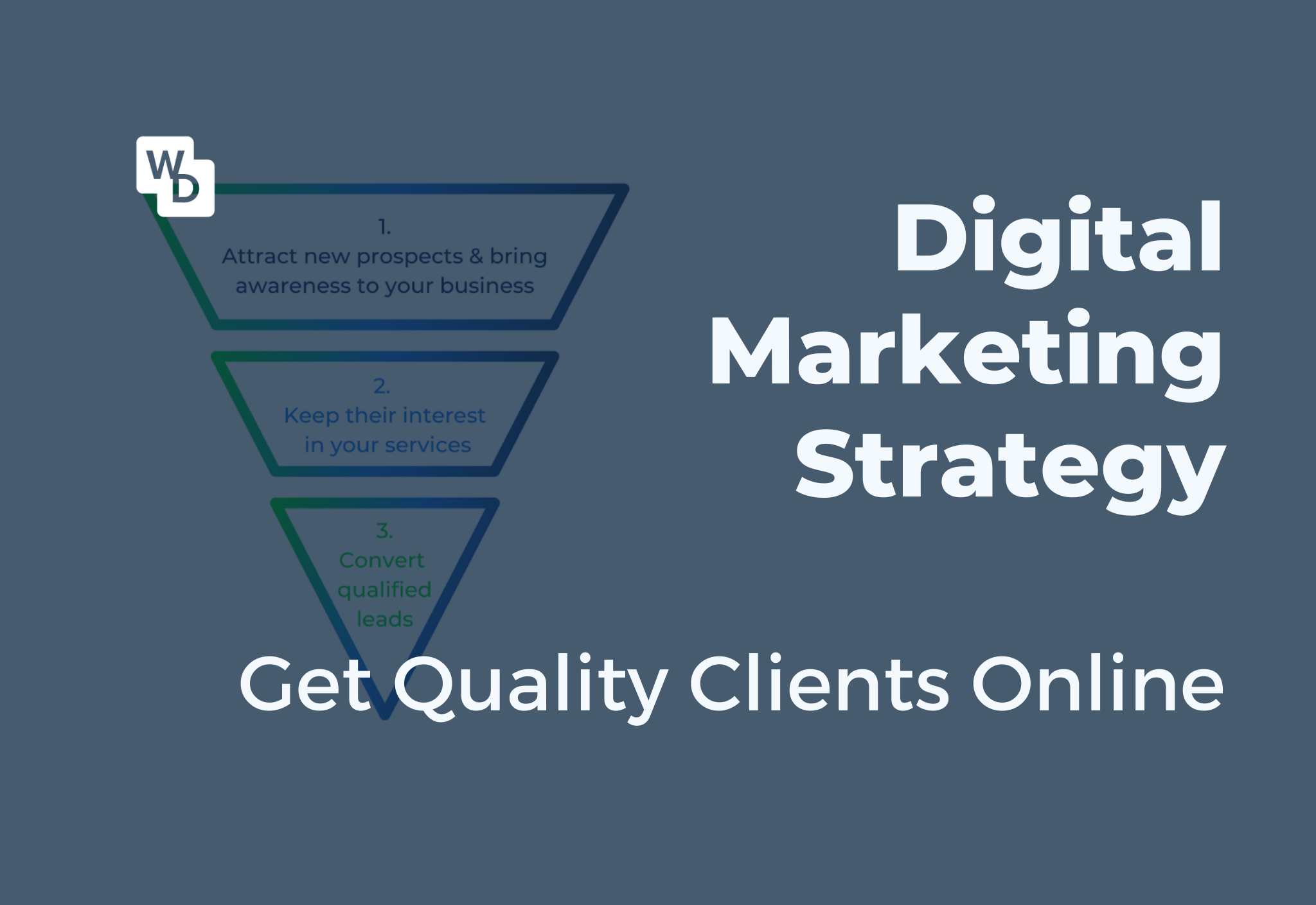
Digital marketing plays a vital role in boosting visibility and attracting clients for new financial advisors. Leveraging the right strategies helps position advisors as trusted resources — especially in a competitive landscape.
Optimize Your Website for Search Engines
Search engine optimization (SEO) is crucial for improving the visibility of a financial advisor’s website. Implementing SEO best practices can help potential clients find services online. Focus on relevant keywords, such as “financial planning,” “retirement advice,” and “investment strategies” — this attracts organic traffic. Additionally, make sure your website is mobile-friendly. Over 50% of web traffic in 2024 comes from mobile devices. Page load speed and user experience are also key factors that impact search rankings.
Use Social Media to Connect with Potential Clients
Social media platforms present an effective way for new financial advisors to engage with potential clients. Building a presence on LinkedIn, Facebook, and Instagram allows advisors to share insights, updates, and financial tips. Approximately 73% of marketers believe social media marketing has been effective for their business. Advisors should consider creating a content calendar — this ensures consistent posting and the use of targeted hashtags to reach specific demographics.
Create Informative Content That Addresses Client Needs
Content marketing serves as a powerful tool for establishing authority and trust. By producing informative blog posts, videos, and infographics, advisors can tackle common client concerns, such as retirement planning, tax optimization, and investment strategies. According to a 2024 study, 61% of consumers feel more positive about a brand after engaging with its content. Tailoring content to answer specific questions can greatly enhance engagement (this is often overlooked) and encourage prospects to seek services.
Consider Email Marketing Campaigns to Nurture Leads
Email marketing continues to be a highly effective strategy for nurturing leads. Establishing a newsletter that offers valuable insights helps maintain relationships with potential clients. Segmenting your email list based on client interests and behaviors allows for personalized communication. A 2025 report indicated that email marketing has an average return on investment of $42 for every dollar spent — making it a cost-effective tool for client acquisition.
While these digital marketing strategies are effective, nuances exist that can maximize their impact. Many advisors underestimate the importance of analytics. Regularly monitoring website traffic, social media engagement, and email open rates helps adjust strategies based on performance. Moreover, the misconception that digital marketing only revolves around promotion overlooks the need for relationship-building. Authentic engagement with potential clients fosters trust, which is essential in the financial advisory field.
To effectively implement these strategies, follow these actionable steps:
- Conduct keyword research to optimize your website and blog posts.
- Create a social media schedule and engage with followers consistently.
- Develop a content strategy that addresses the specific needs of your target audience.
- Set up an email marketing platform and start building your subscriber list.
By taking these steps, new financial advisors can significantly boost their visibility and client acquisition efforts — aligning with their goal of attracting clients.
Understanding Your Target Market
Identifying and understanding your target market is crucial for acquiring clients as a new financial advisor. By focusing on specific demographics and client needs, advisors can adapt their marketing strategies — making them more effective at attracting ideal clients.
Conduct Market Research
Thorough market research lays the groundwork for comprehending your target demographic. Use surveys, focus groups, and industry reports to collect data on potential clients. Key factors to analyze include — but aren’t limited to — the following:
- Age: Different age groups often have distinct financial needs and goals.
- Income Level: This greatly influences investment capacity and financial planning necessities.
- Geographic Location: Local economic conditions can shape financial priorities.
According to a 2024 study, 72% of financial advisors indicate that understanding client demographics significantly enhances their client acquisition strategies.
Create Client Personas
Client personas are semi-fictional representations of your ideal clients based on market research. Create detailed profiles that cover:
- Background: This includes education, career path, and financial history.
- Goals: Consider both short-term and long-term financial aspirations.
- Challenges: Identify common obstacles they face in achieving their financial goals.
These personas guide the tailoring of marketing messages and service offerings — ensuring they resonate with the target audience.
Tailor Services to Meet Specific Needs
Once the target market and client personas are established, adapt your services to align with their unique needs. This could involve:
- Offering specialized financial planning for young professionals.
- Providing retirement planning services aimed at pre-retirees.
- Creating investment strategies tailored for affluent clients.
A personalized approach not only boosts client satisfaction but also increases the likelihood of referrals.
Regularly Review and Adjust Strategies
The financial landscape evolves, and so do client needs and preferences. Regularly assessing client feedback, market trends, and performance metrics is necessary to refine your target market strategies. Engaging in ongoing learning and adaptation is crucial for long-term success.
Many advisors overlook the importance of this ongoing process (this is often overlooked). The result is often missed opportunities and stagnant growth. A proactive approach ensures your service offerings remain relevant and appealing.
Nuance / Expert Layer
A common misconception is that targeting a niche market limits potential client acquisition. In reality, a well-defined target market can enhance credibility and attract clients looking for specialized knowledge. For example, advisors focusing on sustainable investing have seen client acquisition rates rise by 35% between 2024 and 2026 — demonstrating that a targeted approach can yield significant benefits.
Practical Application
To put this understanding of your target market into practice, follow these actionable steps:
- Conduct comprehensive market research to gather demographic data.
- Create detailed client personas to guide your marketing efforts.
- Tailor your services to address the unique needs of your target market.
- Set a schedule for regular reviews of your market strategies and adjust accordingly.
By systematically applying these strategies, new financial advisors can effectively position themselves to attract and retain clients — thereby enhancing their practice’s growth potential.
Frequently Asked Questions
What are the best ways for new financial advisors to attract clients?
New financial advisors can attract clients by leveraging personal networks, attending industry events, and utilizing social media platforms. Building a strong online presence and offering valuable content can also enhance visibility and credibility.
How can I build a client base as a new financial advisor?
Building a client base involves networking, establishing referral relationships, and providing excellent service to existing clients. Consistently following up with prospects and engaging in community activities can further expand outreach.
What marketing strategies work best for new financial advisors?
Effective marketing strategies for new financial advisors include content marketing, email campaigns, and targeted advertising. Utilizing social media and hosting educational workshops can also attract potential clients.
How long does it take to get clients as a new financial advisor?
The time it takes to acquire clients varies, but many new financial advisors may see initial clients within 6 to 12 months. Building trust and reputation is essential, which can influence the timeline for client acquisition.
What common mistakes do new financial advisors make when attracting clients?
Common mistakes include failing to define a target market, neglecting follow-ups, and underestimating the importance of personal branding. Additionally, many new advisors may overlook the value of building relationships over solely focusing on sales.
Final Thoughts on how to get clients as a new financial advisor
Attracting clients as a new financial advisor hinges on establishing a robust personal brand, effectively leveraging networking opportunities, and implementing targeted digital marketing strategies. By focusing on building trust and showcasing expertise, financial advisors can create lasting connections that translate into a loyal client base.
New financial advisors should prioritize creating a professional website that clearly communicates their services, values, and client success stories, while also optimizing it for search engines to enhance visibility.
Ready to boost your client base? Consider partnering with a google ads expert who can help you reach your target audience effectively!
Mastering client acquisition is essential for long-term success in the financial advisory field, as it directly impacts the ability to provide valuable guidance and achieve clients’ financial goals.