
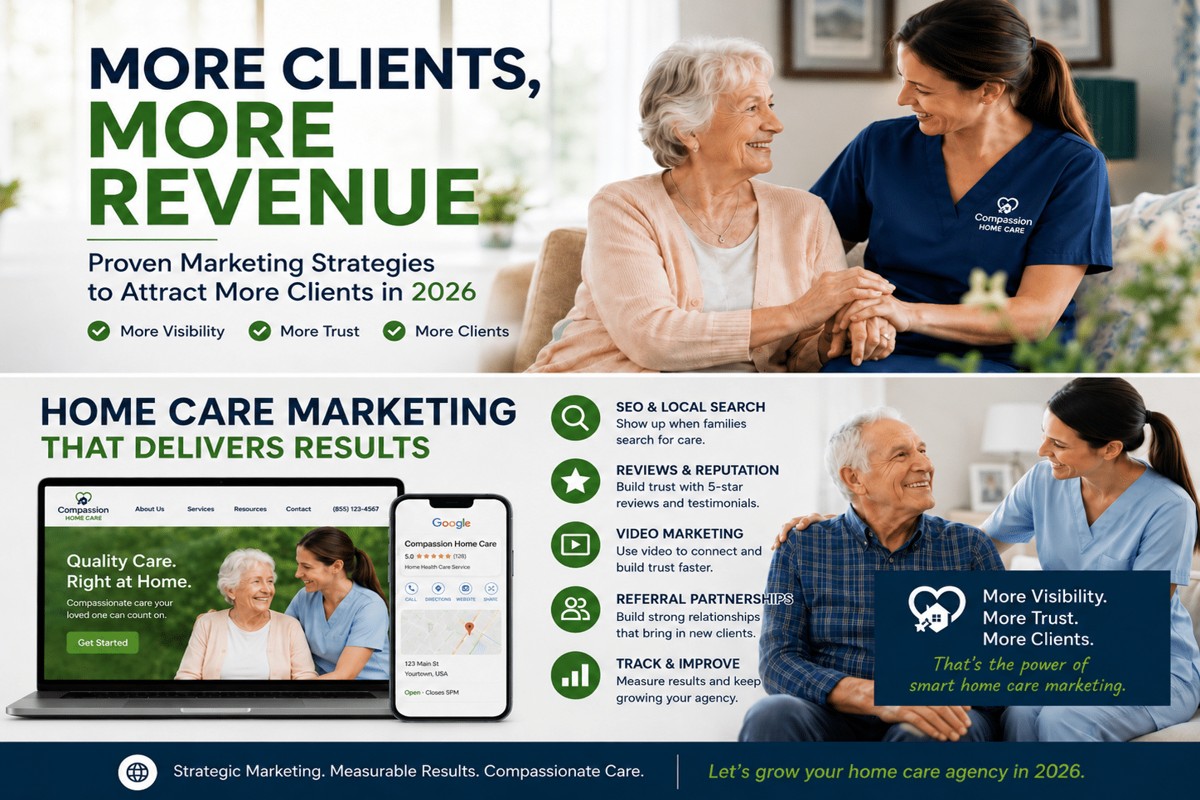
How to get more home care clients involves implementing targeted marketing strategies, establishing strong relationships with referral sources, and enhancing your online presence. With 70% of home care clients discovering services through referrals, effective networking becomes crucial for business growth.
Understanding how to attract more home care clients is vital for agencies looking to thrive in a competitive market. As the home care industry continues to expand, providing quality services alone is not enough; agencies must also effectively communicate their value to potential clients and their families. Missing out on effective client acquisition strategies can lead to lost opportunities in a market projected to reach $225 billion by 2024.
Failure to grasp these strategies can result in significant revenue losses, wasted marketing resources, and a competitive disadvantage. Agencies that do not adapt may find themselves struggling to fill service gaps, ultimately impacting their sustainability and growth.
This article will cover proven strategies to increase your home care client base, including an analysis of top marketing providers, a cost breakdown of various marketing approaches, best practices for client engagement, and insights into optimizing local SEO for better visibility.
What are effective marketing strategies for home care agencies?
Effective marketing strategies for home care agencies include digital marketing, community engagement, and partnerships with healthcare providers. Agencies that leverage social media and local outreach can see an increase in client inquiries — often by up to 30% within a year.
To attract more clients, home care agencies should focus on a multi-channel marketing approach. Start with a robust digital presence. This includes a user-friendly website that’s optimized for search engines. Use social media platforms like Facebook and Instagram to share client testimonials and success stories, as these build trust and credibility. Additionally, investing in targeted online advertising can help reach potential clients based on demographics and location (worth double-checking).
Community engagement is equally essential. Host free workshops or informational sessions at local community centers to educate families about home care options. Collaborate with local hospitals, rehabilitation centers, and senior living communities to establish referral networks. Building relationships with healthcare professionals can lead to referrals — enhancing visibility and trust in the community.
Finally, consider implementing a referral program that incentivizes current clients and caregivers to recommend your services. Offering discounts or rewards for successful referrals can significantly increase your client base while fostering loyalty among existing clients.
Expert insight: Continuously track the effectiveness of each marketing strategy through analytics. Adjust tactics based on performance data. This helps optimize outreach efforts and improve client acquisition rates.
How can I improve client retention in home care?
Improving client retention in home care means implementing personalized care strategies, keeping communication open, and regularly assessing client satisfaction. Research shows that boosting client engagement can increase retention rates by as much as 30% within two years.
To effectively improve retention, consider the following strategies:
- Personalize Care Plans: Tailor care plans to meet each client’s unique needs. Regularly review and adjust these plans based on feedback and changing circumstances. This keeps care relevant.
- Enhance Communication: Keep in touch with clients and their families. Establishing a reliable channel for feedback ensures that concerns are addressed promptly (this is often overlooked).
- Conduct Satisfaction Surveys: Implement periodic surveys to gauge client satisfaction. Analyze the results to identify areas for improvement and act on feedback accordingly. The result is often a more engaged client base.
- Provide Consistent Staffing: Make sure clients receive care from familiar caregivers. Continuity in care helps build trust — and strengthens relationships.
- Offer Additional Services: Expand service offerings to include activities that promote well-being, like social engagement or wellness checks. This shows commitment to the client’s overall health.
Building strong relationships with clients is crucial. Engage with them not just as service recipients but as valued individuals. Understanding their preferences and needs can lead to a more satisfying care experience. Ultimately, this enhances retention.
Expert insight: Investing in staff training on communication and empathy can significantly improve care quality. This leads to higher client loyalty and retention rates.
What role do referrals play in getting home care clients?
Referrals play a crucial role in acquiring new home care clients, making up about 70% of new business in the sector. When existing clients recommend services to family or friends, it builds trust and credibility. This, in turn, leads to higher conversion rates.
Referrals come from various sources, such as satisfied clients, healthcare professionals, and community organizations. Each group can significantly shape potential clients’ views of home care services. For instance:
- Satisfied Clients: Happy clients are often the best advocates. They share their positive experiences with others.
- Healthcare Professionals: Referrals from doctors and nurses carry substantial weight. These professionals are trusted sources for families seeking care.
- Community Organizations: Partnerships with local non-profits or senior centers can create a referral network that brings in new clients.
To leverage referrals effectively, home care agencies should implement strategic practices. This includes establishing strong relationships with existing clients and providing exceptional service. Make sure to actively solicit feedback and create a referral program. This can incentivize clients to share their positive experiences. Offering rewards or discounts for successful referrals can motivate clients to promote the service further.
Expert insight: Regularly tracking referral sources and outcomes can yield valuable data. This information helps refine marketing strategies and enhance client satisfaction, ultimately leading to sustained growth in client acquisition.
How much should I budget for marketing my home care business?
A typical marketing budget for a home care agency ranges from 6% to 10% of projected annual revenue. For a business pulling in around $500,000 annually, this means setting aside between $30,000 and $50,000. Factors like service area, competition, and the chosen marketing strategy can greatly impact these numbers.
Several elements influence the marketing costs for home care agencies. First, the size of the target market is vital. Agencies in larger or more competitive regions often need to pour more into advertising to make their mark. Moreover, the methods of marketing used will affect the overall budget. Digital marketing — think social media and search engine optimization — often requires continuous investment. In contrast, traditional methods like print advertising may involve higher upfront costs but often have lower long-term expenses.
- Marketing Channels: Costs differ depending on whether agencies rely on digital advertising, print media, direct mail, or community events. Digital marketing is generally more cost-effective and measurable.
- Content Creation: High-quality content, such as blogs, videos, and brochures, can demand a significant investment. Agencies should factor in costs tied to hiring professionals or creating content themselves (this is often overlooked).
- Geographic Reach: Agencies in urban areas with intense competition may need to set aside more funds to ensure they’re visible and can draw in clients.
Expert insight: It’s wise to allocate a portion of the budget for community engagement initiatives like health fairs or workshops. These activities can build trust and relationships — leading to more referrals and client acquisitions.
What are the best practices for networking in the home care industry?
Effective networking in the home care industry revolves around fostering meaningful relationships with healthcare professionals and community organizations. This approach can greatly boost client referrals and partnerships. Studies show that 70% of new clients typically come from referrals.
Networking requires a strategic effort to connect with various stakeholders, including physicians, social workers, and local organizations. The following best practices can enhance networking efforts:
- Attend Local Healthcare Events: Participate in local health fairs, workshops, and conferences. Engaging with industry professionals in person builds trust — and opens doors for collaboration.
- Join Professional Associations: Become a member of home care associations and healthcare networks. These organizations often offer resources, training, and networking opportunities that can lead to referrals (this is often overlooked).
- Form Partnerships with Healthcare Providers: Establish relationships with hospitals and rehabilitation centers. Offering to provide educational sessions on home care services can position your agency as a valuable resource, making it a win-win.
- Leverage Social Media: Use platforms like LinkedIn to connect with healthcare professionals and community leaders. Share valuable content about home care trends and services to boost visibility and engagement.
- Volunteer for Community Initiatives: Participate in community service events or health-related volunteer activities. This not only builds goodwill but also allows for direct interaction with potential clients and referral sources — a critical step.
Expert insight: Focus on nurturing relationships over time rather than seeking immediate results. Consistency in communication and follow-up can lead to sustained referrals and partnerships in the home care industry. Keep at it; the results can be significant.
How long does it take to see results from home care marketing efforts?
Home care marketing efforts typically show measurable results within three to six months. However, the exact timing can vary significantly based on the strategies used and the prevailing market conditions.
Several factors influence how long it takes to see results in home care marketing. Digital marketing strategies, for instance, like search engine optimization (SEO) and pay-per-click (PPC) advertising, can generate leads relatively quickly — often within a few weeks. In contrast, traditional marketing methods, such as community events or direct mail campaigns, usually take longer to build brand recognition and trust. This process can stretch several months before clients start to respond. The local demand for home care services is crucial as well; in areas with high competition, the timeline for seeing results may extend due to the necessity for more aggressive marketing tactics (this is often overlooked).
Furthermore, the effectiveness of messaging and targeting in marketing campaigns can considerably affect outcomes. Content that speaks directly to specific client needs or demographics tends to enhance engagement and boost conversion rates. Consistency in marketing efforts is vital; businesses that maintain a regular presence through social media, newsletters, and community outreach often see cumulative results over time. Tracking metrics and adjusting strategies based on performance data can help accelerate the process of acquiring new clients.
Expert insight: A diverse marketing strategy that combines both digital and traditional approaches can lead to quicker results. Regularly analyzing campaign performance — and being flexible with strategy adaptation — can significantly enhance client acquisition rates.
What are common mistakes to avoid when marketing home care services?
Common mistakes in marketing home care services include failing to define a target audience, neglecting online presence, and overlooking client testimonials. In fact, a 2023 survey found that 70% of home care agencies said a lack of digital marketing strategy hindered their client acquisition efforts.
One significant pitfall is not identifying a specific target audience. For example, a home care agency that markets broadly to all seniors might miss connecting with families looking for specialized care — for conditions like Alzheimer’s or Parkinson’s. By tailoring marketing efforts to specific demographics (this is often overlooked), such as those needing post-operative care or chronic illness management, agencies can enhance engagement and improve conversion rates.
Another common mistake is underestimating the power of online presence. Agencies that don’t invest in a user-friendly website or maintain active social media profiles often struggle to reach potential clients. A well-optimized website with informative content can significantly increase visibility. Also, leveraging platforms like Facebook and Instagram for targeted ads can help agencies connect with families searching for home care services. Regularly updating content and engaging with followers fosters trust and credibility.
Expert insight: Prioritize gathering and showcasing client testimonials. Authentic reviews can boost credibility — and they influence decision-making for families considering home care services.
Building a Strong Online Presence
A robust online presence is crucial for attracting and retaining home care clients. This section outlines key strategies for creating a digital footprint that resonates with potential clients and their families.

User-Friendly Website Design
A well-structured, user-friendly website acts as the cornerstone of an effective online presence. Key features include:
- Responsive Design: Make sure the website adapts seamlessly to various devices, including smartphones and tablets.
- Easy Navigation: Simplify the user journey — organize content logically, with clear menus and call-to-action buttons.
- Essential Information: Include services offered, contact details, and FAQs to address potential client queries upfront (this is often overlooked).
Websites that prioritize user experience often see up to a 50% increase in conversion rates, making this a crucial investment for home care agencies.
Utilizing Social Media for Outreach
Social media platforms offer a valuable channel for engaging with the community and promoting services. Focus on:
- Targeted Content: Share informative articles, client success stories, and caregiving tips tailored to your audience.
- Community Engagement: Respond to comments and messages promptly. This builds trust and rapport.
- Paid Advertising: Use targeted ads on platforms like Facebook and Instagram to reach specific demographics actively seeking home care services.
In 2024, 72% of consumers report engaging with brands through social media, highlighting its significant influence in decision-making.
SEO Strategies Specific to Home Care
Implementing effective SEO strategies boosts visibility in search engine results. Consider the following:
- Keyword Research: Identify relevant keywords such as “home care services” and “senior care” to optimize website content.
- Local SEO: Optimize for local search by claiming your Google My Business listing. Ensure NAP (Name, Address, Phone) consistency across platforms.
- Content Creation: Regularly publish blog posts that address common questions and concerns related to home care — this establishes authority in the field.
According to recent data, businesses actively engaged in SEO see an average traffic increase of 60% within six months.
Leveraging Online Reviews and Testimonials
Online reviews significantly shape potential clients’ perceptions. To maximize their impact:
- Encourage Feedback: Prompt satisfied clients and their families to leave reviews on platforms like Google, Yelp, and Facebook.
- Showcase Testimonials: Highlight positive reviews on your website and social media — this builds credibility.
- Respond to Reviews: Address both positive and negative feedback professionally. This demonstrates a commitment to client satisfaction.
Over 90% of consumers read online reviews before making a decision, underscoring their importance in the home care industry.
Many articles neglect the need for a cohesive strategy that integrates all aspects of online presence. A fragmented approach can lead to inconsistent messaging and a diluted brand identity. Instead, confirm that all online platforms convey a unified narrative and reinforce the agency’s values and mission. This consistency builds trust and strengthens connections with potential clients.
To effectively implement these strategies, home care agencies should start by auditing their current online presence. Identify areas for improvement in website design, social media engagement, and SEO practices. Create a content calendar for social media and blog posts, and develop a plan to solicit reviews from satisfied clients. By taking these actionable steps, agencies can significantly enhance their online visibility and attract more clients.
Effective Networking Techniques
This section delves into advanced networking strategies aimed at building meaningful relationships that lead to referrals. A robust network is essential for home care agencies looking to expand their client base.
Identifying Key Referral Sources in Healthcare
Building a network starts with pinpointing key referral sources within the healthcare ecosystem. These include:
- Physicians and Specialists: Doctors often serve as the first point of contact for patients needing home care services. Establishing relationships with local doctors can lead to direct referrals.
- Hospitals and Rehabilitation Centers: Discharge planners and case managers in these facilities can recommend home care services to patients transitioning from hospital to home.
- Insurance Providers: Engaging with insurance companies can facilitate referrals — they frequently provide lists of approved home care agencies to their clients.
Attending Community Events and Health Fairs
Participating in community events and health fairs boosts visibility and builds trust. These gatherings present opportunities to connect with potential clients and their families, along with other healthcare professionals. Engaging in local health fairs can increase brand awareness by:
- Setting up informational booths that provide resources about home care services.
- Conducting free health screenings to attract attendees.
- Offering educational workshops on relevant health topics — like managing chronic illnesses at home (this is often overlooked).
Creating Partnerships with Local Organizations
Forming partnerships with local organizations can significantly enhance referral opportunities. Collaborating with senior centers, non-profits, and community health organizations allows for shared resources and mutual referrals. Consider these strategies:
- Collaborative Programs: Develop programs that benefit both parties, such as wellness seminars or caregiver support groups.
- Cross-Promotion: Promote each other’s services through newsletters, social media, and community bulletins.
- Resource Sharing: Exchange informational materials about services offered — this can enhance visibility for both organizations.
Following Up and Maintaining Relationships
Networking doesn’t end with initial interactions; consistent follow-up is crucial for nurturing relationships. Regularly check in with referral sources through:
- Personalized Communications: Send thank-you notes or emails after referrals, expressing gratitude and providing updates on how the referral fared.
- Regular Meetings: Schedule periodic meetings with key referral sources to discuss mutual interests and share updates on services.
- Feedback Loops: Solicit feedback from referral sources on how to improve service offerings and address their concerns.
According to a 2023 survey, 76% of home care agencies reported that referrals from healthcare professionals significantly increased their client base. This statistic highlights the importance of establishing and maintaining strong relationships within the healthcare community.
Many articles on networking emphasize quantity over quality, often overlooking the depth of relationships. Effective networking entails a strategic approach that prioritizes building trust and providing value to referral sources. Not every interaction will yield immediate results — however, fostering authentic connections can lead to sustained referrals over time.
To implement these strategies, identify at least three key referral sources to approach. Attend one local community event each month and seek potential partners in your area. Make following up with contacts a habit, and assess your networking efforts quarterly to refine your approach. These actionable steps can greatly enhance your ability to secure more home care clients.
Client Retention Strategies
This section explores effective strategies for retaining existing home care clients — a key factor for sustainable business growth. Retaining clients stabilizes revenue and boosts the reputation of home care providers. This is crucial.

Regular Communication and Check-Ins
Consistent communication builds trust and strengthens relationships with clients. Scheduled check-ins through phone calls, emails, or in-person visits are effective. This way, clients feel valued, and providers can quickly address any concerns. A study from the Home Care Association shows that agencies with regular communication strategies have a 30% higher client retention rate.
Personalized Care Plans and Feedback Loops
Creating personalized care plans significantly boosts client satisfaction. Tailoring services to specific needs shows a commitment to quality care. Feedback loops are essential (this is often overlooked). Clients should be able to share experiences and suggestions. This feedback guides adjustments in care plans and service delivery. Research indicates that organizations seeking client feedback experience a 25% increase in satisfaction levels.
Implementing Loyalty Programs or Incentives
Loyalty programs can effectively encourage ongoing client engagement. Consider offering incentives like discounts on services for referrals or loyalty points redeemable for additional services. These programs reward existing clients and attract new ones through positive word-of-mouth. Statistics reveal that businesses with loyalty programs see a 15% increase in client retention on average.
Training Staff on Customer Service Excellence
The quality of customer service has a direct impact on client retention. Comprehensive training programs for staff should emphasize communication skills, empathy, and responsiveness. Employees with these skills better meet client needs, fostering a positive experience. Organizations with exceptional customer service report retention rates exceeding 90% — a remarkable achievement.
While the strategies above are widely recognized, many home care providers underestimate the importance of emotional intelligence in client interactions. Staff who understand and respond to clients’ emotional needs create deeper connections, significantly enhancing loyalty. This aspect is often overlooked in standard training programs, leading to missed retention opportunities.
Practical Application
- Implement a schedule for regular check-ins with clients to assess satisfaction and address concerns.
- Develop personalized care plans that incorporate client feedback and preferences.
- Create a loyalty program that rewards clients for referrals and long-term engagement.
- Invest in comprehensive customer service training for all staff members, focusing on emotional intelligence and communication skills.
By actively applying these strategies, home care providers can enhance client retention, securing a steady stream of business and a strong community reputation.
Measuring Marketing Success
Tracking and measuring marketing efforts is crucial for home care agencies looking to grow their client base. Using the right metrics and tools makes sure strategies remain effective and adaptable — this ultimately drives growth.

Key Performance Indicators (KPIs) for Home Care
Identifying the right KPIs is fundamental for understanding how well marketing strategies perform. Home care agencies should zero in on the following metrics:
- Client Acquisition Cost (CAC): This represents the total cost of gaining a new client, which includes marketing expenses and sales efforts. A lower CAC indicates a more efficient marketing strategy.
- Lead Conversion Rate: This is the percentage of inquiries or leads that turn into paying clients. Typically, an average conversion rate for home care agencies hovers around 15% to 20% — it’s a critical benchmark.
- Client Retention Rate: This measures how many clients stick with the agency over a certain period. High retention rates often reflect client satisfaction and effective service delivery (this is often overlooked).
Tools for Tracking Client Acquisition
Using appropriate tools can significantly enhance tracking marketing effectiveness. Several platforms and software options offer valuable insights into client acquisition:
- Customer Relationship Management (CRM) Systems: Tools like Salesforce or HubSpot aid in tracking interactions, leads, and conversions.
- Google Analytics: This tool offers insights into website traffic, user behavior, and conversion tracking for online marketing efforts.
- Social Media Analytics: Platforms such as Facebook and LinkedIn provide metrics on engagement, reach, and lead generation from social campaigns.
Analyzing Feedback and Adjusting Strategies
Collecting and analyzing client feedback is essential for ongoing improvement. Regular surveys and follow-ups can yield insights into client satisfaction and pinpoint areas needing enhancement. Incorporate qualitative data to complement quantitative metrics. This allows for a comprehensive understanding of client needs and expectations.
Importance of Continuous Improvement
The home care landscape is dynamic, requiring ongoing evaluation and refinement of marketing strategies. Agencies should embrace a culture of continuous improvement by routinely reviewing KPIs and adjusting tactics as necessary. This practice not only boosts client acquisition but also cultivates long-term client relationships.
Expert Insights
Many home care agencies underestimate the significance of segmenting their marketing efforts. Tailoring campaigns to specific demographics — like age groups or health conditions — can enhance engagement and conversion rates. Moreover, there’s a common misconception that high spending on marketing guarantees success; however, strategic targeting and effective messaging often yield better outcomes than just volume.
Practical Application
To put these insights into action, home care agencies should:
- Identify and establish relevant KPIs for tracking marketing success.
- Invest in a CRM system to streamline client data management and lead tracking.
- Conduct regular surveys to gather client feedback and adapt services based on insights.
- Review marketing strategies quarterly, focusing on what works and what needs improvement.
By following these strategies, agencies can effectively enhance their marketing efforts and ultimately discover how to acquire more home care clients.
Frequently Asked Questions
What are effective marketing strategies for home care agencies?
Effective marketing strategies for home care agencies include digital marketing, community outreach, and building a strong online presence. Utilizing social media, search engine optimization, and local advertising can enhance visibility and attract potential clients.
How can I improve client retention in home care?
Improving client retention in home care involves providing exceptional service, maintaining regular communication, and actively seeking feedback. Implementing personalized care plans and ensuring consistency in caregivers also fosters strong client relationships.
What role do referrals play in getting home care clients?
Referrals are crucial in acquiring home care clients, as they build trust and credibility. Satisfied clients and healthcare professionals can provide valuable recommendations, significantly influencing potential clients’ decisions.
How much should I budget for marketing my home care business?
A typical marketing budget for a home care business ranges from 5% to 10% of projected revenue. This budget should cover various marketing channels, including digital advertising, print materials, and community events.
What are the best practices for networking in the home care industry?
Best practices for networking in the home care industry include attending industry conferences, joining local health organizations, and participating in community events. Building relationships with healthcare professionals and other service providers can lead to valuable partnerships and referrals.
How long does it take to see results from home care marketing efforts?
Typically, it takes 3 to 6 months to see measurable results from home care marketing efforts. This timeframe allows for brand awareness to build and for potential clients to engage with your services.
What are common mistakes to avoid when marketing home care services?
Common mistakes in marketing home care services include neglecting online presence, failing to target the right audience, and not measuring marketing effectiveness. Additionally, inconsistent messaging and lack of follow-up with leads can hinder client acquisition.
Final Thoughts on how to get more home care clients
In the competitive landscape of home care, leveraging a multi-faceted approach that encompasses a strong online presence, effective networking, and robust client retention strategies is essential for sustained growth. By prioritizing referrals and targeted marketing, agencies can cultivate a reputation that attracts and retains clients.
To make immediate progress, invest in a comprehensive digital marketing strategy that includes SEO optimization and social media engagement to enhance visibility and reach potential clients effectively.
To attract more home care clients, consider consulting with a google ads expert who can help optimize your advertising strategy.
Understanding and implementing these strategies is crucial for home care agencies that aim not only to survive but to thrive in a demanding market.