
How to get marketing clients involves strategies that emphasize building a robust portfolio, effective networking, and utilizing online platforms. The primary benefit of mastering these techniques is the ability to attract and retain clients, which is crucial for agency growth. Research indicates that 70% of clients prefer agencies that display their past successes and client testimonials.
Understanding how to get marketing clients is essential for agencies and freelancers seeking to thrive in a competitive landscape. As the digital marketing industry continues to expand, with a projected market size of $640 billion by 2027, professionals must grasp effective client acquisition strategies. Failing to do so can result in lost opportunities and hindered growth.
Businesses that overlook effective client acquisition strategies risk significant revenue losses and may find themselves at a competitive disadvantage. Without a solid approach, resources can be wasted on ineffective marketing efforts, ultimately impacting the bottom line.
This article will cover proven strategies for acquiring marketing clients, including building a compelling portfolio, leveraging networking opportunities, and maximizing the use of online platforms. Readers will gain insights into best practices and actionable tips for success in attracting and retaining clients.
What are the best ways to find marketing clients?
Finding marketing clients effectively involves networking, leveraging social media platforms, and showcasing a strong portfolio. Interestingly, a 2024 survey revealed that 70% of marketing professionals considered referrals from their network as their main source of new clients.
First, networking is still one of the most effective strategies for gaining clients. Attend industry events, conferences, or local business meetups. Meeting potential clients face-to-face is essential. Building genuine relationships can lead to referrals and partnerships — this increases visibility in the marketing community.
Next, social media serves as a powerful tool for attracting clients. Platforms like LinkedIn, Instagram, and Twitter let marketers showcase their expertise and connect with businesses seeking marketing services. Regularly share valuable content, engage with followers, and participate in relevant discussions (this is often overlooked) to enhance online presence and credibility.
- Use networking opportunities: Attend industry events, join local business groups, and connect with other professionals to expand your network.
- Leverage social media: Post regularly on platforms like LinkedIn and Instagram to demonstrate expertise and engage with potential clients.
- Showcase your portfolio: Create a professional website or online portfolio that highlights your best work and client testimonials — this attracts interest.
Expert insight: Focus on building long-term relationships instead of just chasing immediate sales; this approach fosters trust and can lead to sustained business growth.
How long does it take to get marketing clients?
Securing marketing clients usually takes anywhere from a few weeks to several months. Factors like experience, networking efforts, and market demand can really affect this timeline.
The time it takes to acquire clients varies widely due to several crucial factors. First, your existing network is essential. If you’ve built connections in the industry, you’re likely to secure clients faster through referrals. On the other hand, starting from scratch can slow things down. Building relationships and gaining trust won’t happen overnight. Your marketing strategies and outreach methods also play a big role in how quickly you can attract clients. Effective digital marketing, a solid social media presence, and targeted outreach often speed up the process.
Market conditions further influence the timeline. In a competitive landscape, distinguishing your services and attracting clients can be a challenge. Conversely, in a growing market with high demand for marketing services, opportunities may pop up more quickly. Plus, the quality of your portfolio and previous client testimonials significantly boost credibility — and can cut down the time needed to turn prospects into paying clients.
Expert insight: To speed up the client acquisition process, focus on building a strong online presence and using testimonials from past clients. Consistent engagement on professional networking platforms can yield quicker results (this is often overlooked).
What should I include in my marketing portfolio?
A marketing portfolio should include case studies, testimonials, and examples of successful campaigns that highlight your skills. Aim for at least three in-depth case studies. These should illustrate your problem-solving abilities and showcase the results achieved for clients — ideally with quantifiable outcomes.
For instance, think about a case study where a digital marketing campaign for a local restaurant boosted online reservations by 50% in just three months. Detailed descriptions of specific strategies used are essential. Consider targeted social media ads, SEO optimization, and email marketing campaigns. Including before-and-after metrics is key to demonstrating the impact of your efforts. Plus, testimonials from the restaurant owner can add credibility (this is often overlooked), adding a personal touch that helps potential clients see the value offered.
Another strong portfolio piece could be a successful content marketing project where a client’s blog traffic surged by 300% within six months. It’s important to highlight the research and planning process, the types of content created, and the channels used for distribution. Providing visual examples, like screenshots of the blog’s analytics or snippets of high-performing content, enhances your portfolio. This concrete evidence of driving engagement will resonate well with prospective clients.
Expert insight: Tailor your portfolio to the specific industries or niches you want to target. Doing so illustrates your expertise and relevance in those areas.
How much should I charge marketing clients?
Marketing professionals generally charge between $50 and $200 per hour. This varies widely based on several factors. The final rate can shift depending on the specific services provided, the client’s industry, and the marketer’s level of experience.
Several elements affect what to charge marketing clients. First, the complexity and scope of services play a significant role. For example, basic services like social media management often command lower rates. In contrast, comprehensive strategies that involve SEO, content marketing, or PPC advertising might require higher fees. Additionally, the niche can influence pricing — industries like technology and finance often demand specialized expertise, which drives costs up.
- Experience and Expertise: More experienced marketers can often charge premium rates. Clients tend to pay more for established professionals who can showcase successful outcomes.
- Geographic Location: Rates can vary by region. Urban areas with higher living costs typically command greater fees compared to rural locations.
- Client Size: Larger companies usually have bigger budgets. They often expect to pay more for marketing services than small businesses or startups.
Pricing structures also differ. Some marketers prefer hourly rates, while others go for project-based pricing or retainers. It’s crucial to select a model that fits both the client’s needs and the marketer’s business strategy.
Expert insight: Conduct market research to grasp local rates and adapt accordingly. It’s wise to regularly reassess pricing based on the changing demand for services and growing expertise. This keeps one competitive while ensuring skills are valued appropriately.
What are the common mistakes when trying to get marketing clients?
Common mistakes when seeking marketing clients include underestimating networking’s power and failing to effectively showcase past work. Recent data shows that 70% of marketing professionals credit their client acquisition success to strong networking efforts.
One of the most significant errors is neglecting networking opportunities. Connecting with industry peers can lead to referrals — partnerships are essential for client acquisition. Engaging in networking events, industry conferences, and online forums boosts visibility and credibility. Establishing a presence in relevant social media groups or local business communities often yields valuable connections.
Another frequent mistake is not showcasing past work adequately. Potential clients look for evidence of previous success to judge a marketer’s capabilities. A well-organized portfolio that highlights case studies, testimonials, and measurable results builds confidence in prospective clients. Use platforms like LinkedIn or personal websites to present this information — it allows for easy access and visibility. Plus, sharing success stories through blogs or social media can attract attention (this is often overlooked) and demonstrate expertise.
Expert insight: Prioritize building both online and offline relationships while maintaining a dynamic portfolio that reflects current trends and successful outcomes. This dual approach can significantly enhance client acquisition efforts.
How can I use social media to attract marketing clients?
Using social media effectively can boost your chances of attracting marketing clients. By engaging on platforms like LinkedIn and Instagram, you can showcase your work and connect with potential clients. Establishing your brand presence is key. In 2024, 73% of marketers believe social media marketing has been effective for their business growth.
To start, figure out the social media platforms where your target audience is most active. For marketing clients, LinkedIn is usually the best choice — its professional environment suits business networking. Create a compelling profile that highlights your skills, experience, and successful projects. Share case studies, testimonials, and valuable insights related to marketing trends (this is often overlooked). This positions you as an expert and builds credibility.
Next, engage actively with your audience. Post regularly and respond to comments on your content. Use relevant hashtags to boost your visibility. Consider joining marketing-related groups or forums on LinkedIn. Here, you can contribute to discussions and provide real value. On Instagram, focus on visual storytelling. Share behind-the-scenes content, infographics, and client success stories. This showcases your expertise and creativity.
Expert insight: Leverage analytics tools available on social media platforms to track engagement and refine your content strategy. Adjust your approach based on what resonates most with your audience — this can lead to maximizing client attraction.
Is it better to specialize or be a generalist in marketing?
Choosing between specialization and being a generalist in marketing hinges on business goals and the target audience. Specialization helps marketing professionals stand out and build a solid reputation. On the other hand, generalists can attract a wider range of clients. According to industry surveys, about 65% of clients prefer to work with specialists for their specific needs.
Focusing on a niche area of marketing — like social media management, content marketing, or SEO — can boost credibility and draw in clients seeking expertise. This method often leads to higher rates due to the perceived value. Specialists also tend to form stronger relationships within their niche, which encourages repeat business. The downside? A narrow focus might limit the client base and reduce opportunities, especially during market fluctuations (this is often overlooked).
In contrast, generalists enjoy versatility, enabling them to provide a broader array of services that appeal to diverse clients. This flexibility can prove beneficial for startups or smaller businesses that need various marketing strategies. While generalists might not charge the same premium rates as specialists, they can often secure more projects by reaching a larger audience. However, the risk lies in being seen as less knowledgeable in specific areas — a concern worth double-checking.
- Client Attraction: Specialists attract clients seeking specific expertise; generalists appeal to a broader market.
- Rate Structure: Specialists can charge higher fees due to their expertise; generalists may have lower rates but more projects.
- Market Stability: Specialists face risks in market downturns affecting their niche; generalists can pivot more easily across services.
Expert insight: Consider strengths and market demand when making your decision. A hybrid approach — specializing in a few areas while keeping generalist skills — can maximize opportunities in the marketing landscape.
Building a Strong Personal Brand
Establishing a strong personal brand is crucial for attracting marketing clients. This section outlines effective strategies to define your niche, create an impactful online presence, leverage social proof, and position yourself as a thought leader in the industry.

Define Your Niche and Target Audience
Identifying a specific niche allows for tailoring your services and messaging to a distinct audience. A well-defined niche not only sets you apart from competitors but also positions you as an expert in that area. For instance, focusing on digital marketing for healthcare can attract clients specifically from that sector. According to a 2025 survey, 67% of clients prefer working with specialists over generalists — this highlights the value of niche positioning.
Create a Professional Website Showcasing Your Services
A professional website serves as your digital storefront. It should clearly display your services, portfolio, and contact information. Invest in high-quality design and user experience; this ensures visitors can navigate easily. Essential elements to include are:
- Clear descriptions of services offered
- Portfolio showcasing past work and results
- A blog section for sharing insights and building authority
Incorporating SEO best practices will enhance your website’s visibility, making it easier for potential clients to find you online. This aspect is often overlooked but important.
Utilize Social Proof through Testimonials and Case Studies
Social proof is a powerful tool in building credibility. Collect testimonials from satisfied clients and display them prominently on your website. Case studies that detail the challenges faced, solutions implemented, and results achieved can strongly influence potential clients’ decisions. A 2024 study found that 92% of consumers trust recommendations from others — making this an effective strategy for acquiring marketing clients.
Engage in Thought Leadership by Sharing Insights and Expertise
Establishing yourself as a thought leader in the marketing field involves consistently sharing valuable insights. This can be done through blog posts, webinars, podcasts, or speaking engagements. Not only does this enhance your credibility, but it also helps connect with your target audience. Engaging with industry trends and providing actionable advice will position you as an authority in your niche — this is key.
Common misconceptions include the belief that personal branding is solely about self-promotion. In reality, it revolves around providing value and building trust with your audience. Successful personal brands are built on authenticity and a genuine desire to help others, rather than just selling services.
To apply these strategies effectively, start by conducting market research to define your niche and target audience. Next, invest in developing a professional website that serves as a comprehensive resource for potential clients. Collect and display testimonials and case studies to build social proof. Finally, commit to regular content creation that showcases your expertise and insights in the marketing industry. Following these steps will enhance your personal brand and attract the right clients.
Networking Strategies for Client Acquisition
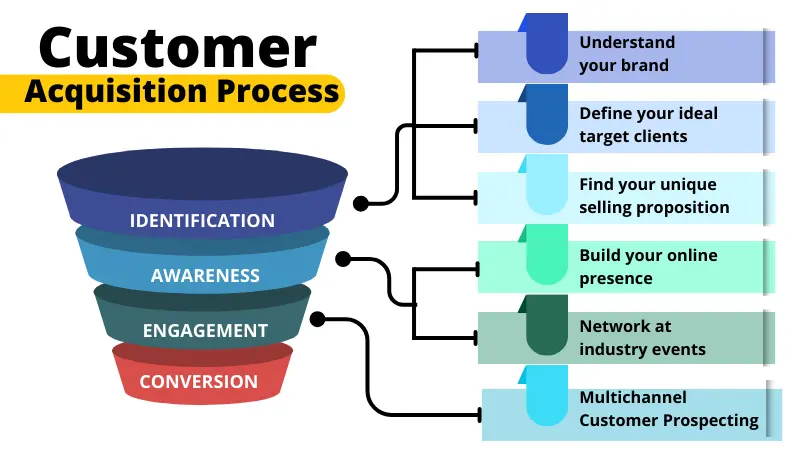
Effective networking is crucial for client acquisition in the marketing industry. By leveraging relationships and getting involved with relevant communities, professionals can secure referrals and build valuable partnerships.
Attend Industry Events and Conferences
Attending industry events and conferences creates opportunities to meet potential clients and collaborators face-to-face. These venues often draw a concentrated group of decision-makers. It’s fertile ground for relationship-building.
- Identify key events in your niche, like marketing expos, seminars, and workshops.
- Prepare an elevator pitch to clearly convey your value proposition.
- Engage actively — ask insightful questions and show genuine interest in others’ work.
Research from the Event Marketing Institute shows that 84% of marketing professionals believe attending events is essential for building brand awareness and generating leads (2024). This underscores the significant impact in-person networking can have on client acquisition.
Join Relevant Online Communities and Forums
Online communities and forums act as modern networking hubs, allowing marketing professionals to connect with peers and potential clients across geographical boundaries. Platforms like LinkedIn groups, Facebook groups, and specialized forums offer opportunities for sharing insights, asking questions, and demonstrating expertise.
- Participate in discussions to showcase your knowledge and establish credibility.
- Share value — distribute resources, articles, or your own case studies.
- Use direct messaging to start one-on-one conversations with engaged members.
A 2025 report by HubSpot indicates that 70% of marketers found online communities effective for lead generation. This highlights their growing importance in modern networking strategies.
Leverage Existing Connections for Introductions
Your current network can be a powerful tool for expanding client opportunities. By asking for introductions, you tap into established relationships that might lead to new business.
- Identify key contacts who may know potential clients in your target market.
- Craft a personalized message explaining why you’re seeking an introduction.
- Express gratitude and keep your network updated on the outcomes of any introductions made.
Effectively utilizing existing connections can significantly boost trust and credibility with new prospects. Referrals often yield a higher conversion rate compared to cold outreach — that’s important to remember.
Follow Up Consistently to Maintain Relationships
Consistent follow-up is vital for nurturing connections made through networking efforts. Regular communication helps keep you top-of-mind for potential clients and partners.
- Set reminders to check in with contacts periodically.
- Share relevant industry content or updates that might interest them.
- Invite them to upcoming events or webinars — this fosters ongoing engagement.
Studies reveal that 80% of sales require five follow-up calls after the initial meeting. Yet, 44% of salespeople give up after one follow-up (2026). This statistic underscores the importance of persistence in maintaining valuable relationships.
Networking can often be misunderstood as just a numbers game. It’s not merely about the quantity of connections but the quality as well. Effective networking focuses on building genuine relationships, which can lead to stronger referrals and more sustainable client acquisition strategies. Misconceptions like treating contacts as transactional, rather than relational, can hinder long-term success.
To leverage these networking strategies, marketing professionals should prioritize attending key industry events, engaging in online communities, seeking introductions through existing networks, and maintaining consistent follow-ups. Implementing these strategies will heighten visibility and increase the likelihood of effectively securing marketing clients.
Leveraging Digital Marketing to Attract Clients
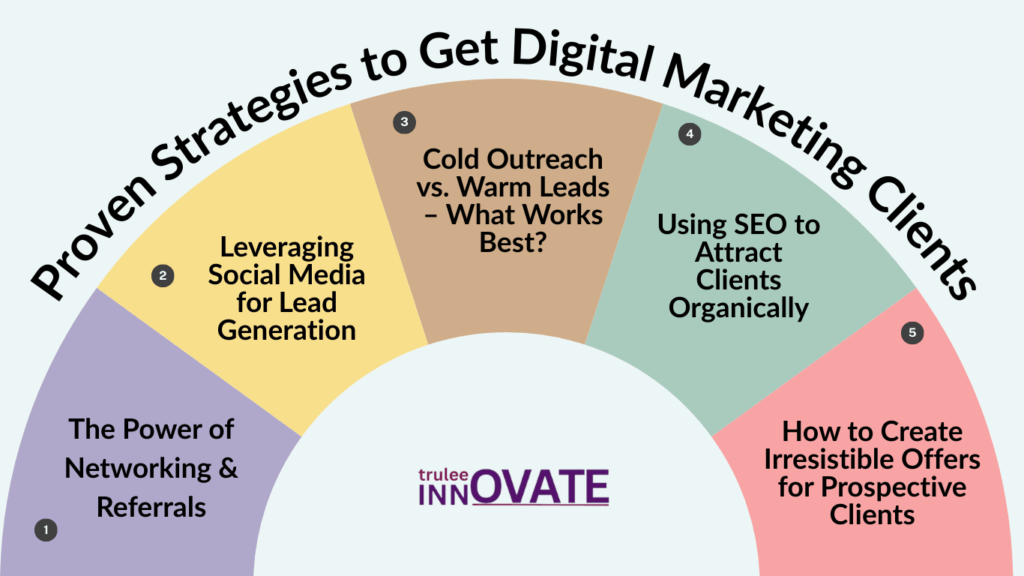
Digital marketing offers essential tools for boosting visibility and attracting potential clients. By using specific strategies, businesses can effectively showcase their expertise and reach targeted audiences.
Use SEO to Improve Your Website’s Search Rankings
Search Engine Optimization (SEO) plays a crucial role in increasing organic traffic to your website. Implementing on-page SEO techniques — like optimizing meta tags, headers, and content for relevant keywords — can greatly enhance your search rankings. Recent data shows that 93% of online experiences start with a search engine. This emphasizes the need to appear on the first page of search results.
Implement Content Marketing to Demonstrate Expertise
Content marketing is a powerful method to establish authority in your field. By creating valuable, relevant content such as blog posts, whitepapers, and case studies, you can effectively showcase your expertise and attract potential clients. Approximately 70% of consumers prefer learning about a company through articles rather than advertisements (this is often overlooked). Content marketing thus becomes a pivotal strategy for client acquisition.
Use Targeted Ads on Social Media Platforms
Social media advertising allows businesses to precisely reach specific demographics. Platforms like Facebook, LinkedIn, and Instagram provide robust targeting options based on user behavior, interests, and demographics. Utilizing pay-per-click (PPC) campaigns can yield a higher return on investment. Studies indicate that businesses typically make an average of $2 for every $1 spent on Google Ads.
Analyze Data to Refine Your Marketing Strategies
Data analysis is vital for optimizing marketing efforts. Regularly reviewing analytics from your website and social media channels helps identify effective strategies and those needing adjustment. Tools like Google Analytics provide valuable insights into user behavior, allowing businesses to make data-driven decisions that enhance marketing strategies.
Common misconceptions about digital marketing often lead businesses astray. For instance, many think SEO is a one-time task rather than an ongoing process. In reality, search engine algorithms constantly evolve, necessitating regular updates to SEO strategies. Additionally, some businesses underestimate the power of content marketing. They fail to realize that consistent, high-quality content can significantly improve client engagement and lead generation over time.
- Establish a keyword strategy that focuses on terms relevant to your target audience.
- Create a content calendar to ensure a consistent flow of valuable content.
- Set up targeted ad campaigns on multiple social media platforms, monitoring performance regularly.
- Invest time in analyzing data from your marketing efforts to refine strategies continuously.
To effectively leverage digital marketing for attracting clients, businesses should focus on optimizing their websites for search engines, creating and distributing valuable content, utilizing targeted advertising, and analyzing data for continuous improvement. Implement these strategies systematically. Doing so will help build a robust online presence and attract potential clients consistently.
Creating Compelling Proposals and Pitches
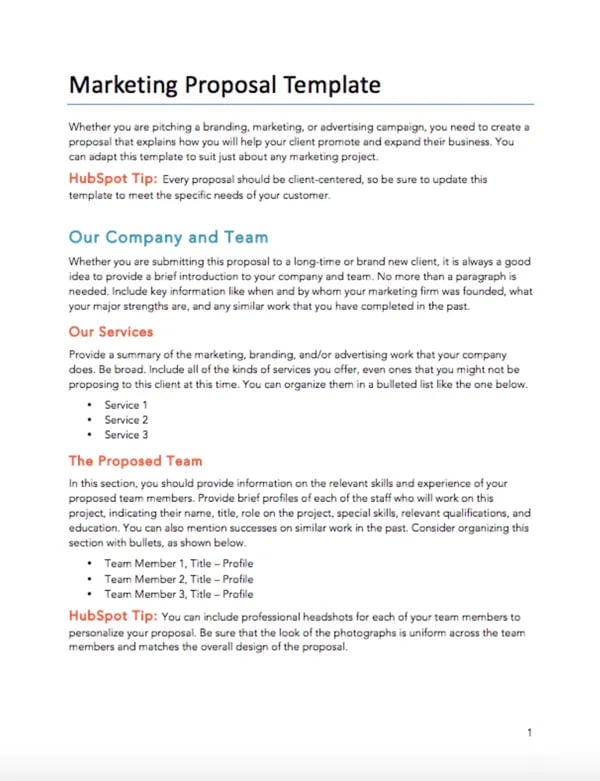
This section examines the key components of creating persuasive proposals and pitches that effectively convert leads into clients. A well-structured proposal not only showcases expertise but also aligns closely with the client’s specific needs.
Understand the Client’s Needs
Tailoring proposals to address the unique needs of each client is fundamental. Start by conducting thorough research on the client’s business, industry, and target audience. Use initial consultations to gather insights about their objectives and pain points. This information is essential; it allows for crafting a proposal that truly resonates with the client, showing a clear understanding of their challenges — and how your services can provide effective solutions.
Highlight Unique Selling Points and Past Successes
Emphasizing what sets your services apart is crucial in a competitive landscape. Identify your unique selling points (USPs) — these may include innovative strategies, specialized expertise, or exceptional customer service. Support these claims with case studies and testimonials that illustrate past successes. A 2024 survey revealed that 78% of clients prefer proposals that include specific examples of previous work and measurable results. This detail can make a real difference.
Include Clear Pricing and Deliverables
Clients value transparency in pricing and deliverables. Clearly outline the scope of work, expected deliverables, and associated costs within the proposal. Consider using tiered pricing structures to provide options that fit different budgets. This clarity helps clients make informed decisions and reduces the potential for misunderstandings later on (this is often overlooked).
Follow Up Promptly
After submitting a proposal, timely follow-up is essential. A study from 2025 indicated that proposals followed up within 48 hours are 60% more likely to convert. Use follow-ups to address any questions or concerns the client may have — and to reiterate your enthusiasm for the project. This engagement can significantly enhance the likelihood of closing the deal.
Nuances in Proposal Crafting
Many overlook the significance of visual appeal in proposals. A well-designed proposal that incorporates visual elements—like infographics, charts, and images—can enhance comprehension and engagement. Additionally, avoid the common misconception about proposal length; while brevity is valued, proposals should be comprehensive enough to cover all critical aspects without overwhelming the reader. Striking the right balance is vital.
Practical Application
- Conduct detailed research on potential clients before drafting proposals.
- List your unique selling points and relevant case studies to include in proposals.
- Develop a clear pricing model with defined deliverables to enhance transparency.
- Set reminders to follow up with clients within 48 hours of proposal submission.
By applying these strategies, marketing professionals can significantly improve their chances of securing new clients and building lasting partnerships.
Frequently Asked Questions
What are the best ways to find marketing clients?
Effective methods to find marketing clients include networking at industry events, leveraging online platforms like LinkedIn, and utilizing freelance job boards. Building a strong referral network can also lead to new client opportunities.
How long does it take to get marketing clients?
The time it takes to acquire marketing clients varies widely, typically ranging from a few weeks to several months. Factors influencing this timeline include industry demand, marketing strategies employed, and personal networking efforts.
What should I include in my marketing portfolio?
A marketing portfolio should showcase case studies, client testimonials, and examples of successful campaigns. Including metrics that demonstrate results can further enhance its effectiveness and appeal to potential clients.
How much should I charge marketing clients?
Pricing for marketing services can vary based on factors such as expertise, project scope, and industry standards. Researching competitor rates and considering your experience level will help determine a fair pricing structure.
What are the common mistakes when trying to get marketing clients?
Common mistakes include not clearly defining target clients, failing to showcase relevant experience, and neglecting follow-ups after initial contact. Additionally, underpricing services can undervalue expertise and deter potential clients.
How can I use social media to attract marketing clients?
Utilizing social media involves sharing valuable content, engaging with industry discussions, and showcasing successful projects. Consistent branding and targeted advertising can also help reach potential clients effectively.
Is it better to specialize or be a generalist in marketing?
Specializing in a niche can attract clients looking for specific expertise, while being a generalist allows for a broader client base. The best approach depends on individual strengths and market demand in your area of focus.
Final Thoughts on how to get marketing clients
Success in acquiring marketing clients hinges on a multifaceted approach that combines personal branding, strategic networking, and effective digital marketing. By establishing a distinctive personal brand and leveraging the power of professional connections, marketers can position themselves as trusted authorities, making it easier to attract and retain clients.
To take immediate action, invest time in refining your online presence by creating a comprehensive portfolio that showcases your best work, accompanied by client testimonials that highlight your effectiveness and reliability.
Ready to elevate your marketing game? Connect with a google ads expert today and watch your client base grow!
Mastering client acquisition is essential for sustainable growth in the marketing industry, making the implementation of these strategies not just beneficial but imperative for long-term success.