
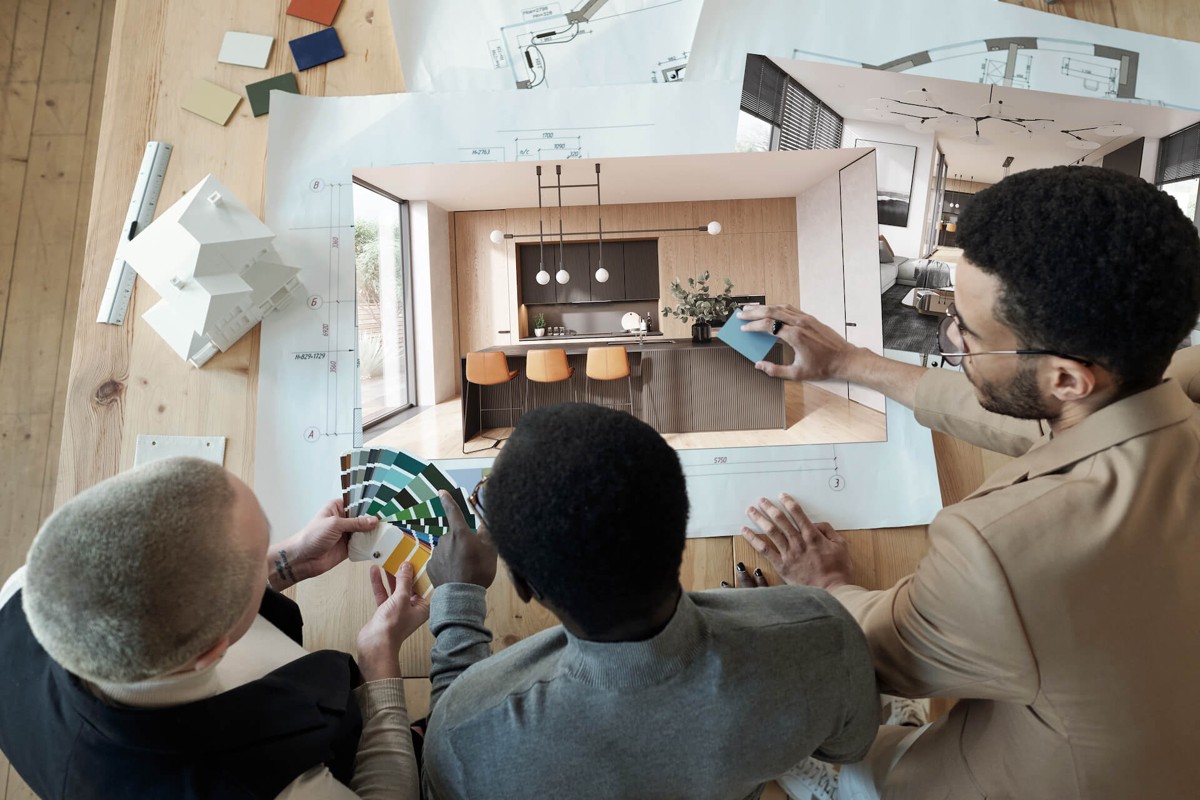
How to get interior design clients involves implementing effective strategies to attract and secure potential customers in the interior design industry. A strong online presence, including a professional website and active social media engagement, significantly enhances visibility, leading to a higher likelihood of client acquisition. According to industry reports, over 70% of clients begin their search for interior designers online.
Understanding how to get interior design clients is crucial for professionals in the field, as the competition is fierce and the market is constantly evolving. Designers must recognize the importance of establishing a solid brand presence and leveraging networking opportunities to connect with potential clients. Failing to grasp these strategies can hinder growth and limit access to lucrative projects in a market projected to reach $24 billion by 2025.
Businesses that overlook effective client acquisition strategies risk significant revenue loss and may struggle to maintain a competitive edge. Without a clear plan, resources may be wasted on ineffective marketing efforts, ultimately impacting profitability and brand reputation.
This article will cover proven strategies for attracting interior design clients, including building a robust online presence, effective networking techniques, local SEO tactics, and best practices for maximizing client engagement. Readers will gain insights into actionable steps that can lead to increased opportunities and sustainable growth in their interior design ventures.
What are effective ways to attract interior design clients?
Attracting interior design clients effectively relies on several key strategies: leveraging social media, networking, and optimizing online presence through a professional website. In 2024, over 60% of interior designers reported gaining clients via social media platforms — a testament to their role in client engagement.
1. Use Social Media: Platforms such as Instagram and Pinterest are visual-heavy, making them perfect for showcasing design work. Regularly post high-quality images of projects. Engage with followers, and remember to utilize relevant hashtags to boost visibility.
2. Build a Professional Website: A well-crafted website serves as both a portfolio and an information hub. Make sure it features a gallery of past projects, client testimonials, and a blog that shares design tips and trends. This can significantly enhance search engine visibility.
3. Network Effectively: Attend industry events, local home shows, and design expos. These venues are ideal for connecting with potential clients and other professionals. Building relationships here can lead to referrals and collaboration opportunities.
4. Leverage Online Reviews: Encourage satisfied clients to leave reviews on platforms like Google My Business and Yelp. Positive reviews boost credibility — and they can sway potential clients’ decisions.
5. Offer Free Workshops or Consultations: Hosting workshops or providing initial consultations showcases expertise and helps attract potential clients. This method encourages direct interaction and relationship building.
Expert insight: Emphasize establishing a strong niche or specialty within interior design. Tailoring services to specific client needs can set a designer apart in a crowded market, improving both client attraction and retention.
How can I market my interior design services?
Marketing interior design services effectively demands the use of multiple channels to reach potential clients. A diverse strategy might include social media, networking, and content marketing. These approaches help build your brand and showcase expertise. According to a 2024 survey, 73% of interior designers noted that they gained clients through social media platforms.
1. Use Social Media: Create visually appealing profiles on platforms like Instagram and Pinterest; these platforms are popular for design inspiration. Regularly post high-quality images of your projects, behind-the-scenes content, and design tips. This engages followers effectively.
2. Build a Professional Website: Your website should act as a portfolio that highlights your best work, client testimonials, and services offered. Incorporate a blog to share insights — this can enhance SEO and attract organic traffic.
3. Network with Industry Professionals: Attend industry events, trade shows, and local business meetups. This helps connect with real estate agents, contractors, and other designers. Building these relationships can lead to client referrals and collaborative projects (this is often overlooked).
4. Leverage Online Advertising: Use targeted ads on platforms like Google and Facebook to reach specific demographics interested in interior design. Paid campaigns can significantly increase visibility. They also drive traffic to your website.
5. Engage in Content Marketing: Create valuable content that addresses common design challenges faced by your target audience. This can include video tutorials, downloadable guides, or informative blog posts. These resources help establish you as an expert in the field.
6. Offer Free Workshops or Webinars: Hosting free design workshops or webinars can showcase your expertise. These events attract potential clients and provide an opportunity to engage directly with your audience — building trust in the process.
Expert insight: Focus on creating a strong personal brand that reflects your unique design style. Consistency across all marketing channels enhances recognition and attracts clients who resonate with your aesthetic.
What should I include in my interior design portfolio?
An effective interior design portfolio should showcase a wide variety of projects. Highlighting unique style and capabilities is key. Include at least 10-15 projects that illustrate skills in different design areas, such as residential, commercial, and specialty spaces. A well-rounded portfolio can significantly boost the chances of attracting potential clients.
To create a compelling portfolio, focus on these essential elements:
- High-Quality Images: Use professional photographs that capture your designs in the best possible light. Make sure the images are clear, well-composed, and emphasize key design elements. A study showed that visually appealing portfolios can lead to a 60% increase in client engagement.
- Diverse Project Types: Include a mix of projects that demonstrate your versatility. Showcase different styles, scales, and functionalities — think residential homes, commercial spaces, and renovations. This diversity will attract a wider clientele.
- Before-and-After Comparisons: Display transformations to illustrate your design process and problem-solving skills. This approach not only highlights your creativity but also shows potential clients the real impact of your work.
- Project Descriptions: Provide context for each project with brief descriptions. Include your role, the client’s needs, design challenges, and solutions (this is often overlooked). Such narratives help clients understand your thought process and expertise.
- Client Testimonials: Incorporate positive feedback from previous clients. Testimonials build credibility and trust, which are crucial for attracting new clients in the competitive interior design market.
Expert insight: Regularly update your portfolio to reflect the latest work and market trends. Consider tailoring different versions for specific client types or project scopes to further enhance your appeal.
How much should I charge for interior design services?
Interior designers usually charge between $50 and $250 per hour. This varies based on experience and project complexity. Some designers offer fixed fees, which can range from $2,000 to over $10,000 for complete design services. Understanding these pricing models is vital — it helps in managing client expectations and ensuring profitability.
Several factors can influence the rates interior designers charge. These include:
- Experience level: Designers with more years in the industry or notable projects often command higher fees.
- Project scope: Larger projects that require significant time and resources typically incur higher costs.
- Location: Urban areas with a higher cost of living often see increased pricing compared to rural regions.
- Design complexity: Specialized services, such as sustainable design or historic renovations, may warrant premium pricing (this is often overlooked).
- Market demand: Economic conditions and trends in the housing market can also affect pricing dynamics.
Additionally, designers may choose different pricing structures. Hourly rates are common, but fixed fees or percentage-of-cost models are also prevalent. The fixed fee model works well for projects with well-defined scopes — it’s straightforward. On the other hand, percentage-of-cost is often applied to larger renovations where costs can be unpredictable.
Expert insight: To maximize profitability, consider offering tiered service packages that cater to various client budgets. Clearly outline what each package includes. This approach not only attracts a broader clientele but also helps establish long-term relationships.
How long does it take to get clients as an interior designer?
On average, securing that first client takes about three to six months for new interior designers. Still, this timeline can vary significantly due to several factors. These include networking efforts, marketing strategies, and local market demand.
Various factors influence how quickly an interior designer can attract clients. First, the strength of a designer’s professional network is crucial. Designers who actively participate in networking events — collaborating with real estate agents or engaging in community activities — often find clients faster. Building relationships with contractors and suppliers can lead to referrals that speed up client acquisition (this is often overlooked).
Another important factor is the effectiveness of marketing strategies. Designers who invest in a professional website and use social media and online advertising can reach potential clients more quickly. In fact, industry reports indicate designers with an active online presence can cut their client acquisition time by up to 40%. Additionally, local market demand for design services can impact timing. Areas with high renovation activity often present more opportunities than those in slower real estate markets.
Expert insight: Establishing a niche can also speed up client acquisition. Specializing in areas like sustainable design or home offices can attract specific client demographics, resulting in quicker engagement and project bookings.
What are common mistakes to avoid when seeking interior design clients?
New interior designers often underestimate the need for a targeted marketing strategy — this can really hold them back when trying to attract clients. According to a 2023 survey, 60% of emerging designers report struggling to find clients because of unclear marketing efforts.
One common pitfall is casting too wide a net when promoting services. For instance, a designer might decide to advertise on multiple platforms without really defining their ideal client. This approach dilutes messaging and can lead to confusion about the designer’s specialty. Instead, focusing on a specific niche, like residential or commercial design, allows for more tailored marketing strategies that resonate with the target audience.
Another mistake is neglecting to build a strong online presence. Many new designers miss the mark by not using social media and professional networking sites effectively. For example, a designer could create a basic Instagram profile but fail to engage with followers or show off completed projects. Active engagement — like responding to comments, sharing client testimonials, and posting high-quality images of work — can enhance visibility and draw in potential clients. Also, using platforms like LinkedIn can connect designers with industry professionals who might refer clients (this is often overlooked).
Expert insight: Establish a clear brand identity and consistently communicate it across all marketing channels to attract your ideal clients effectively.
How can networking help me get interior design clients?
Networking is a crucial strategy for acquiring interior design clients; it fosters connections that can lead to referrals and partnerships. About 70% of design professionals report gaining new clients through personal and professional networking efforts.
Take, for instance, an interior designer named Sarah. She actively participates in local business events and design expos. At one such event, she meets a real estate agent who’s looking to stage homes for sale. By establishing rapport and discussing mutual interests, Sarah offers her staging services. This initial connection leads to a project — one that not only showcases her skills but also opens doors to the agent’s client base. Through this single networking opportunity, Sarah secures multiple referrals. This effectively expands her clientele.
Networking can also extend to online platforms. Engaging with design communities on social media or professional networks like LinkedIn can yield valuable connections. By sharing insights and participating in discussions, designers attract potential clients who resonate with their style and expertise. Consistent engagement and follow-ups are vital to convert these connections into actual business opportunities (this is often overlooked).
Expert insight: Attend industry events regularly. Consider joining professional associations, too. These platforms provide not only networking opportunities but also resources that can enhance credibility and visibility in the field.
Building an Online Presence: Essential Steps
Establishing a strong online presence is crucial for attracting interior design clients. This section outlines key strategies for creating a professional website, leveraging social media, optimizing for search engines, and using client testimonials.

Creating a Professional Website with a Portfolio
A well-designed website is the foundation of an interior design business. It should showcase a comprehensive portfolio of previous work, complete with high-quality images and detailed descriptions. Incorporating a blog helps enhance engagement. This allows designers to share insights and design trends — a valuable approach.
Key elements of a professional website include:
- High-Quality Visuals: Use professional photography to highlight designs.
- User-Friendly Navigation: Make sure your portfolio, services, and contact information are easy to access.
- Mobile Responsiveness: Optimize the site for mobile devices; over 50% of web traffic comes from mobile users, after all.
Utilizing Social Media Platforms Effectively
Social media platforms like Instagram, Pinterest, and Facebook serve as powerful tools for interior designers. They allow designers to visually showcase their work and connect with potential clients.
Consider the following strategies:
- Regular Posting: Maintain a consistent posting schedule. This keeps your audience engaged.
- Engagement: Actively engage with followers by responding to comments and messages — it builds rapport.
- Targeted Advertising: Use paid ads to reach specific demographics interested in interior design services. This can make a difference.
SEO Strategies for Interior Design Websites
Search Engine Optimization (SEO) is key to enhancing online visibility. This makes it easier for potential clients to find your services. Effective SEO strategies include:
- Keyword Optimization: Incorporate relevant keywords like “interior design services” and “home decor” throughout your site.
- Local SEO: Optimize for local searches by including location-based keywords and creating a Google My Business profile (this is often overlooked).
- Content Creation: Regularly publish blog posts about interior design trends, tips, and case studies. This attracts organic traffic.
Leveraging Online Reviews and Testimonials
Online reviews play a significant role in influencing potential clients’ decisions. Encourage satisfied clients to leave positive reviews on platforms like Google, Yelp, and Houzz. Displaying testimonials prominently on your website builds trust and credibility.
Research shows that 85% of consumers trust online reviews as much as personal recommendations — a noteworthy statistic. Integrating a review section on your website can further boost client confidence.
Nuance / Expert Layer
Many interior designers underestimate the importance of a cohesive online brand. Consistency across all platforms — website, social media, and online reviews — reinforces brand identity. Additionally, using analytics tools can help track visitor behavior and refine marketing strategies. There’s a common misconception that social media presence alone can replace a professional website, but both are essential for a comprehensive strategy.
Practical Application
To implement these strategies effectively:
- Create a visually appealing website with a portfolio and blog.
- Develop a social media content calendar, ensuring regular engagement.
- Optimize your website for SEO by incorporating relevant keywords and creating local listings.
- Encourage and display client testimonials to enhance credibility.
By following these steps, interior designers can boost their visibility and attract more clients.
Networking Strategies for Interior Designers
Effective networking is crucial for interior designers looking to expand their client base and build lasting professional relationships. This section outlines key strategies for making connections that can lead to valuable referrals and partnerships.

Identifying Key Networking Opportunities in the Industry
Numerous networking opportunities exist within the interior design sector. Identifying and participating in these events can notably enhance visibility and credibility. Key avenues include:
- Design Conferences: National and regional conferences provide forums for interaction with peers, industry leaders, and potential clients.
- Workshops and Seminars: Educational events improve skills and create platforms to connect with other professionals.
- Online Forums and Social Media Groups: Platforms like LinkedIn and specialized design forums facilitate connections with industry insiders.
Building Relationships with Real Estate Agents and Contractors
Collaborating with real estate agents and contractors can yield mutual benefits. These professionals encounter clients needing interior design services quite often. Establishing a rapport with them can lead to referrals. Some effective strategies include:
- Offer Value: Provide complimentary design consultations or insights to real estate agents — this enhances their service offerings.
- Joint Marketing Efforts: Collaborate on marketing initiatives like co-hosting open houses or design showcases to reach a wider audience.
- Regular Check-ins: Keep communication ongoing through newsletters, emails, or social media updates to stay top-of-mind.
Attending Trade Shows and Design Events
Trade shows and design events offer prime networking opportunities. The interior design market is projected to grow by approximately 4.3% annually from 2024 to 2026, making attendance at these events increasingly important. Engage with potential clients and industry peers by:
- Exhibiting Your Work: Showcase your portfolio at trade shows to attract attention from prospective clients and collaborators.
- Participating in Panel Discussions: Position yourself as an expert by sharing insights and trends during panel discussions.
- Collecting Business Cards: Build a robust contact list — this can facilitate future outreach and follow-up communications.
Utilizing Local Community Resources and Groups
Local community resources can create a supportive network for interior designers. Engaging with community organizations often leads to potential clients. Consider these approaches:
- Chamber of Commerce: Join your local chamber to connect with businesses and access referral opportunities.
- Networking Groups: Participate in local business networking groups to meet potential clients and collaborators.
- Volunteer for Community Projects: Offering design services for local charities or community centers can enhance visibility — plus, it demonstrates expertise.
Many interior designers overlook the importance of building a referral network. A common misconception is that exceptional design skills alone will attract clients. In reality, establishing a strong network is equally crucial. The most successful designers actively cultivate relationships that can lead to referrals, often prioritizing these connections alongside their design work.
To leverage these networking strategies effectively, professionals should:
- Identify and attend at least two industry events each quarter.
- Establish partnerships with three local real estate agents or contractors.
- Join one or two community organizations to expand local connections.
Implementing these actionable strategies can significantly enhance the ability to attract interior design clients, fostering a thriving professional network that supports long-term success.
Developing a Unique Brand Identity
A strong brand identity is crucial for interior designers aiming to stand out in a competitive marketplace. Establishing a unique brand not only attracts clients but also builds trust and recognition in this saturated industry.

Defining Your Design Style and Niche
Identifying a distinct design style and niche forms the foundation of a compelling brand identity. Designers should conduct a self-assessment to pinpoint not just their aesthetic preferences but also their skills and target market. Specializing in a niche — like sustainable design, minimalist aesthetics, or luxury interiors — can help position a designer as an expert in that area. According to a 2024 survey, 68% of consumers prefer working with designers who show a clear specialization.
Creating a Cohesive Visual Identity
A cohesive visual identity covers elements such as logos, color schemes, typography, and imagery. These components need to consistently reflect the designer’s unique style and values across all platforms. Create a branding guide that outlines these visual elements to confirm uniformity in marketing materials, websites, and social media profiles. Cohesive branding can improve brand recognition by up to 80% — making it much easier for potential clients to remember and recommend your services.
Communicating Your Brand Story Effectively
Every designer has a story that significantly shapes their approach to interior design. Crafting a compelling narrative that connects personal experiences, design philosophy, and client success stories can deeply resonate with potential clients. This narrative should be woven into the designer’s website, social media bios, and marketing materials. A well-told brand story not only engages clients but also builds emotional connections (which are critical for converting leads into lasting relationships).
Using Branding in Marketing Materials
Incorporating branding into marketing materials is essential for maintaining a professional image. This includes business cards, brochures, social media posts, and email newsletters. Use high-quality visuals that reflect your design style and make sure that all materials showcase the same branding elements established earlier. Consistent branding across marketing channels can increase customer loyalty by up to 60%, reinforcing the designer’s presence in potential clients’ minds.
Nuance / Expert Layer
Many designers mistakenly think a strong brand identity is only about aesthetics. However, the emotional resonance of a brand holds equal weight. Clients often choose designers based on the connection they feel — not just the quality of the portfolio. Moreover, the rise of digital platforms means branding extends beyond visuals; it encompasses the entire client experience, from initial contact to project completion. Designers should explore how their brand identity can enhance client interactions at every touchpoint.
Practical Application
- Conduct a self-assessment to define your unique design style and niche.
- Create a branding guide that includes logos, color schemes, and typography.
- Develop a compelling brand story that highlights your design philosophy and successes.
- Make sure there’s consistency in all marketing materials to reinforce brand recognition.
- Evaluate client interactions to enhance emotional connections and the overall experience.
Client Engagement: From Inquiry to Project Completion
This section outlines the client engagement process that’s essential for securing and maintaining relationships in interior design. Effective engagement not only boosts client satisfaction; it also nurtures long-term loyalty and referrals.

Best Practices for Initial Client Consultations
The initial consultation sets the tone for the entire project. It’s crucial to approach this meeting with a structured agenda that includes:
- Listening actively: Get to know the client’s vision, preferences, and budget constraints.
- Asking open-ended questions: Encourage clients to express their ideas and concerns.
- Presenting your portfolio: Showcase relevant past projects to build trust and demonstrate expertise.
According to recent industry studies, 75% of clients consider the initial consultation a key factor in their decision-making process. This underscores the need for a polished and professional approach in these initial meetings.
Setting Clear Expectations and Communication
Clear expectations are vital for a successful client relationship. Establish a communication plan that includes:
- Regular updates: Schedule weekly or bi-weekly check-ins to discuss progress and any adjustments.
- Transparent timelines: Provide a detailed project timeline that highlights milestones.
- Defined roles: Clarify responsibilities for both the designer and the client to avoid confusion.
Effective communication can reduce project delays by up to 30% — clients feel informed and engaged throughout the process.
Managing Client Feedback and Revisions
Feedback management is essential to refine designs and ensure client satisfaction. Implement a structured approach to handle revisions:
1. **Solicit feedback:** After presenting design concepts, ask for specific feedback rather than general impressions.
2. **Prioritize requests:** Work with clients to identify which changes are essential versus those that are simply preferences.
3. **Document changes:** Keep a written record of all feedback and revisions to maintain clarity and accountability.
Using feedback effectively can enhance the final product. It also significantly boosts client satisfaction ratings.
Following Up Post-Project for Referrals
Once a project is completed, maintaining the relationship is crucial for future opportunities. Implement a follow-up strategy that includes:
- Thank you notes: Send personalized notes expressing gratitude for their business.
- Project review: Schedule a call to discuss the overall experience and gather testimonials.
- Referral incentives: Offer discounts or bonuses for clients who refer new clients to your services.
According to a 2024 survey, 68% of clients are likely to refer a designer who’s provided excellent service, which highlights the value of strategic follow-ups.
Nuance / Expert Layer
Many designers overlook the importance of post-project engagement, assuming that the completed project concludes the relationship. However, ongoing communication can lead to repeat business. In fact, 60% of clients are more likely to return to a designer if they feel valued post-project. Additionally, misunderstandings about the scope of revisions can result in client dissatisfaction. Clearly defining what constitutes a revision — and what falls under additional services — prevents potential conflicts and strengthens trust.
Practical Application
To implement these strategies effectively, design professionals should:
– Develop a checklist for initial consultations that includes key questions and portfolio highlights.
– Create a communication timeline that outlines when updates will be provided.
– Establish a feedback form to streamline the revision process.
– Craft a follow-up template for post-project engagement that includes referral incentives.
Applying these techniques will enhance client satisfaction and demonstrate effective ways to attract interior design clients while fostering lasting relationships.
Frequently Asked Questions
What are effective ways to attract interior design clients?
To attract interior design clients, utilize social media platforms to showcase your work and engage with potential customers. Additionally, consider offering free workshops or consultations to demonstrate expertise and build relationships.
How can I market my interior design services?
Marketing interior design services can be achieved through a combination of online presence, such as a professional website and social media, and offline strategies like networking events and local advertising. Collaborating with related businesses can also expand your reach.
What should I include in my interior design portfolio?
An effective interior design portfolio should include high-quality images of completed projects, a diverse range of styles, and detailed descriptions of each project. Including client testimonials can also enhance credibility and showcase client satisfaction.
How much should I charge for interior design services?
Interior design service fees typically range from $50 to $500 per hour, depending on experience and project complexity. Alternatively, some designers charge a flat fee or a percentage of the project budget, so it’s essential to consider your market and expertise.
How long does it take to get clients as an interior designer?
The time to acquire clients as an interior designer varies widely, often taking several months to establish a client base. Factors such as networking, marketing efforts, and previous experience can significantly influence the timeline.
What are common mistakes to avoid when seeking interior design clients?
Common mistakes include neglecting to define a target market, failing to maintain an updated portfolio, and underestimating the importance of networking. Additionally, not having clear pricing structures can deter potential clients.
How can networking help me get interior design clients?
Networking can significantly enhance client acquisition by building relationships with potential clients and industry professionals. Attending events, joining design associations, and collaborating with real estate agents can lead to referrals and new opportunities.
Final Thoughts on how to get interior design clients
Success in attracting interior design clients hinges on a multifaceted approach that combines a strong online presence, effective networking, and a distinct brand identity. By implementing these strategies, designers can not only enhance their visibility but also build lasting relationships that translate into a thriving business.
To take immediate action, invest time in optimizing your website and social media profiles with high-quality visuals of your work, ensuring they reflect your unique style and expertise to capture potential clients’ attention.
Discover how a google ads expert can elevate your interior design business and attract more clients with targeted advertising strategies today!
Mastering client acquisition is essential for sustaining a successful interior design career, as it directly impacts your ability to innovate and deliver exceptional spaces that resonate with your clientele.