
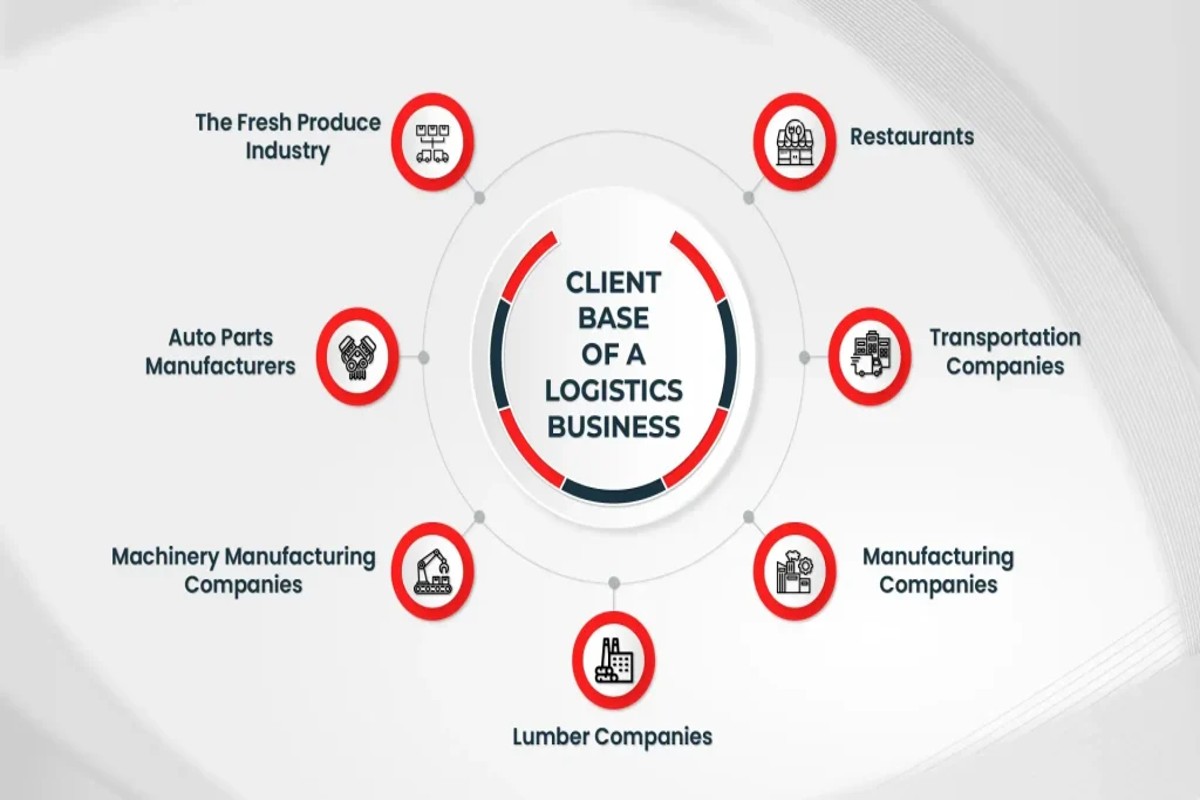
To get clients in logistics business, companies should prioritize establishing a robust online presence, networking effectively, and utilizing targeted marketing strategies. A significant 70% of logistics firms acquire clients through referrals and networking, highlighting the importance of relationship-building in this sector.
Understanding how to get clients in the logistics business is crucial for companies looking to thrive in a highly competitive market. With the logistics industry projected to reach a market size of over $12 trillion by 2027, businesses must adopt effective client acquisition strategies to capitalize on this growth. Failing to do so can result in losing potential customers to competitors who are more adept at attracting and retaining clients.
Neglecting to grasp effective client acquisition strategies can lead to missed revenue opportunities and wasted marketing resources, ultimately placing logistics companies at a competitive disadvantage. In a sector where trust and reliability are paramount, failing to secure a steady client base can hinder long-term success.
This article will explore proven strategies for acquiring clients in the logistics business, including a comparison of top providers, cost breakdowns, best practices for networking, and insights into leveraging local SEO for enhanced visibility.
What are the best ways to attract clients in logistics?
To attract clients in the logistics industry, businesses should use targeted marketing and strategic networking. Research shows companies effectively using digital marketing strategies can boost client acquisition by up to 30% in just one year.
Attracting clients in logistics involves a mix of digital presence, relationship building, and service differentiation. Here are several proven strategies that can enhance client acquisition efforts:
- Leverage Digital Marketing: Use search engine optimization (SEO), pay-per-click (PPC) advertising, and content marketing to improve online visibility. Create informative blog posts, case studies, and whitepapers that tackle industry challenges—this positions your company as an authority.
- Attend Industry Events: Participate in logistics trade shows and conferences to network with potential clients and industry peers. These events are valuable for showcasing services and making personal connections that can lead to business relationships.
- Build Strategic Partnerships: Collaborate with complementary businesses, such as warehousing or freight forwarding companies, to offer bundled services. This approach can broaden your service offerings and tap into each partner’s client base (worth double-checking).
- Utilize Social Media: Engage with clients and prospects through platforms like LinkedIn, Facebook, and Twitter. Share industry news, success stories, and client testimonials to build trust and credibility—this works well, but only when engagement is consistent.
- Offer Customized Solutions: Understand the unique needs of your target clients and tailor your services accordingly. Providing personalized solutions can set your company apart from competitors and foster long-term relationships.
Expert insight: Regularly analyze client feedback and market trends to adjust your strategies. Staying adaptable to changing client needs and industry dynamics is essential—it will enhance your competitive edge in the logistics business.
How can I market my logistics business effectively?
Marketing a logistics business effectively hinges on a blend of digital strategies, networking, and tactics specific to the industry. Research shows that 75% of logistics companies report increased client acquisition through targeted marketing efforts between 2024 and 2026.
To market a logistics business successfully, implement these strategies:
- Leverage Digital Marketing: Use SEO, PPC, and social media to boost online visibility. Creating informative content that tackles industry pain points can draw in potential clients.
- Network Within the Industry: Attend logistics conferences, trade shows, and local business events. Building relationships with peers can lead to valuable referrals — and collaborative opportunities.
- Utilize Email Marketing: Develop a targeted email list and send regular newsletters filled with updates, case studies, and industry insights. Personalized communication can help foster long-term client relationships (this is often overlooked).
- Offer Free Resources: Create whitepapers, webinars, or guides on logistics best practices. Providing such valuable resources can establish credibility and attract businesses seeking expertise.
- Build Partnerships: Collaborate with complementary businesses, like freight forwarders or warehousing companies. Strategic partnerships can widen service offerings and expand client bases.
- Focus on Customer Testimonials: Highlight positive feedback from existing clients on your website and in marketing materials. Social proof can significantly influence potential clients’ decisions.
These strategies enhance visibility while also building trust and credibility in a competitive market. Tailoring marketing efforts to address specific logistics challenges can lead to more effective client acquisition.
Expert insight: Keep an eye on industry trends and client feedback regularly to adjust marketing strategies. This responsiveness can greatly improve client engagement and retention in the logistics sector.
What are common mistakes in acquiring logistics clients?
Common mistakes in acquiring logistics clients include inadequate market research, poor communication, and not leveraging technology. A survey revealed that 45% of logistics companies struggle to understand their target audience. The result is often ineffective client acquisition strategies.
One frequent pitfall is not conducting enough market research before targeting potential clients. For example, a logistics firm may pour its marketing efforts into industries already saturated with competitors — like retail. Without identifying niche markets or emerging sectors, such as e-commerce logistics for local businesses, the firm risks wasting resources on unproductive outreach efforts.
Another mistake involves poor communication during the client engagement process. A logistics company might present a detailed proposal but fail to address the client’s specific needs and pain points. If a potential client is worried about timely deliveries while the logistics provider emphasizes cost savings (this is often overlooked), the client may seek alternatives. Effective communication requires listening to client needs and customizing solutions accordingly.
Expert insight: Focus on building relationships rather than just transactional interactions. Regular follow-ups — and personalized communication — can significantly enhance client retention and referral opportunities in the logistics sector.
How long does it take to get clients in the logistics business?
Typically, acquiring clients in the logistics business takes three to six months. This timeframe can vary — sometimes significantly — based on factors like market conditions, networking efforts, and the specific services offered.
Several factors affect how long it takes to secure clients. First, competition in the logistics industry is intense. Companies need to invest time in building their reputation and brand. Trust is crucial, and establishing it with potential clients often involves consistent outreach and engagement. This can drag out the client acquisition process. Additionally, marketing strategies are key. Effective techniques, including digital marketing, trade shows, and referrals, can expedite client acquisition but usually require upfront time investment to see results.
Another crucial aspect is the complexity of services provided. Companies offering specialized logistics solutions may find client acquisition stretches out due to the need for thorough explanations (this is often overlooked) and relationship building. In contrast, businesses that offer standardized services might experience quicker client acquisition. They appeal to a wider audience with less need for customization.
Expert insight: To speed up client acquisition, focus on building a solid online presence through targeted content marketing. Also, leverage existing networks for referrals. Establishing partnerships with other businesses in the supply chain can significantly enhance credibility and visibility.
What role does networking play in the logistics industry?
Networking is crucial in the logistics industry — it helps develop relationships that can lead to client acquisition and business growth. A strong network offers logistics companies access to valuable information, partnerships, and opportunities often unavailable through traditional marketing channels.
In logistics, networking can take various forms. Think industry conferences, trade shows, and professional associations. Engaging in these activities allows professionals to connect with potential clients, suppliers, and industry experts. According to a 2024 survey, over 70% of logistics executives reported that significant business opportunities arose from networking events. This statistic highlights the essential role interpersonal connections play in securing new clients and fostering long-term partnerships.
- Industry Events: Attending logistics expos and conferences lets professionals showcase their services and meet potential clients face-to-face.
- Online Networking: Using platforms like LinkedIn can boost visibility and enable logistics professionals to connect with industry peers and clients remotely.
- Local Business Networks: Engaging with local chambers of commerce and business groups can open doors to regional clients seeking logistics solutions.
Building a robust network also means maintaining relationships with existing clients. Regular communication and follow-ups matter. Addressing their evolving needs can transform a one-time client into a long-term partner. This relationship-centric approach enhances client loyalty — and can lead to referrals, which are critical in the logistics sector.
Expert insight: Logistics professionals should prioritize relationship-building activities. Even a single connection can lead to significant business opportunities. Establishing trust and credibility through consistent networking often yields long-term benefits in client retention and acquisition.
Building a Strong Online Presence for Client Acquisition
A strong online presence is crucial for logistics businesses aiming to attract and retain clients. Digital marketing strategies — such as a professional website, effective SEO, social media engagement, and online advertising — all work together to boost visibility and credibility in a competitive marketplace.

Creating a Professional Website
A well-designed website acts as the digital storefront for logistics companies. It should clearly showcase services, highlight unique selling propositions, and provide easy navigation. According to a 2024 survey, 75% of users judge a company’s credibility based on its website design. Important elements to include are:
- Service Descriptions: Detailed explanations of logistics services, such as shipping, warehousing, and freight management.
- Client Testimonials: Positive feedback from existing clients — this builds trust and showcases success stories.
- Contact Information: Easy access to contact forms, phone numbers, and email addresses to facilitate inquiries.
Utilizing SEO Strategies
Search Engine Optimization (SEO) is essential for improving online visibility and attracting organic traffic. By optimizing website content with relevant keywords, logistics companies can enhance their rankings on search engine results pages. Key SEO strategies include:
- Keyword Research: Identifying and integrating keywords that potential clients use when searching for logistics services.
- On-Page SEO: Optimizing meta tags, headings, and images improves site structure and relevance.
- Content Creation: Regularly publishing informative blog posts or articles related to logistics trends positions the company as an industry thought leader.
Engaging on Social Media Platforms
Active engagement on social media platforms is vital for building relationships and increasing brand awareness. The logistics sector can gain significantly from platforms like LinkedIn, Facebook, and Twitter. Key strategies include:
- Content Sharing: Posting industry news, service updates, and engaging content to attract followers.
- Networking: Connecting with industry professionals and potential clients fosters relationships and discussions.
- Advertising: Using targeted social media ads can effectively reach specific demographics and promote services.
Implementing Online Advertising Campaigns
Online advertising campaigns greatly enhance visibility and lead generation. Pay-per-click (PPC) advertising, display ads, and retargeting strategies are especially effective. A 2025 report indicated that companies investing in PPC advertising see an average ROI of 200%. Consider these approaches:
- PPC Campaigns: Leveraging platforms like Google Ads to bid on keywords and drive traffic to the website.
- Display Advertising: Crafting visually appealing ads that appear on relevant websites increases brand awareness.
- Retargeting: Engaging users who have previously interacted with the website through targeted ads — this encourages conversion.
Many logistics businesses underestimate the importance of a cohesive online strategy. A common misconception is that merely having a website suffices. But without ongoing optimization and engagement, potential clients might not find or trust the business. Continuous analysis of website performance, SEO effectiveness, and social media engagement is necessary to adapt to market changes and client needs.
To leverage these insights, logistics companies should act quickly by:
- Investing in a professional website that clearly communicates services and builds trust.
- Conducting thorough keyword research to bolster SEO efforts.
- Establishing a consistent social media presence — this engages followers effectively.
- Launching targeted online advertising campaigns to maximize reach and attract new clients.
Leveraging Industry Connections and Networking
Building a strong network is vital in the logistics industry. Relationships and referrals often fuel new business opportunities. This makes effective networking a key strategic focus.

Attending Industry Conferences and Trade Shows
Industry conferences and trade shows act as prime venues for logistics professionals to connect. These events provide chances to meet potential clients face-to-face, share insights, and showcase services. A study by the Event Marketing Institute found that 84% of executives prefer in-person meetings — a clear indication of the value of direct interaction in building trust and rapport.
Joining Logistics Associations and Groups
Membership in logistics associations like the Council of Supply Chain Management Professionals (CSCMP) or the Transportation Intermediaries Association (TIA) gives access to a wealth of resources and networking opportunities. These organizations frequently host events, webinars, and forums that help forge connections among industry peers.
- Access to exclusive industry insights and research.
- Opportunities to participate in professional development programs.
- Networking with other members who can provide referrals or partnerships.
Building Partnerships with Complementary Businesses
Strategic collaborations with businesses that offer complementary services can boost client acquisition efforts. For example, partnering with freight forwarders, warehousing companies, or technology providers can create bundled service offerings — appealing to clients seeking comprehensive logistics solutions.
Utilizing LinkedIn for Professional Networking
LinkedIn serves as a powerful platform for logistics professionals to expand their networks. With more than 900 million users, it enables connections with industry leaders, potential clients, and collaborators. Regularly sharing industry insights, engaging with posts, and participating in relevant groups can greatly enhance visibility and credibility within the sector.
Statistics show that 80% of B2B leads come from LinkedIn, stressing its significance in client acquisition.
Nuance / Expert Layer
Many logistics professionals overlook the importance of follow-up in networking. Making initial connections is just the beginning; consistent engagement is essential for converting leads into clients. Common misconceptions include relying solely on online networking or attending events without active participation. Building lasting relationships requires ongoing communication and unwavering support.
Practical Application
Implement these strategies to improve networking efforts:
- Identify and register for key industry conferences and trade shows relevant to your niche.
- Join at least two logistics associations to utilize their resources and networking opportunities.
- Reach out to at least three complementary businesses to explore possible partnerships.
- Optimize your LinkedIn profile and engage regularly with content relevant to the logistics industry.
By actively leveraging industry connections and networking, logistics professionals can greatly enhance their chances of attracting new clients.
Effective Marketing Strategies for Logistics Businesses
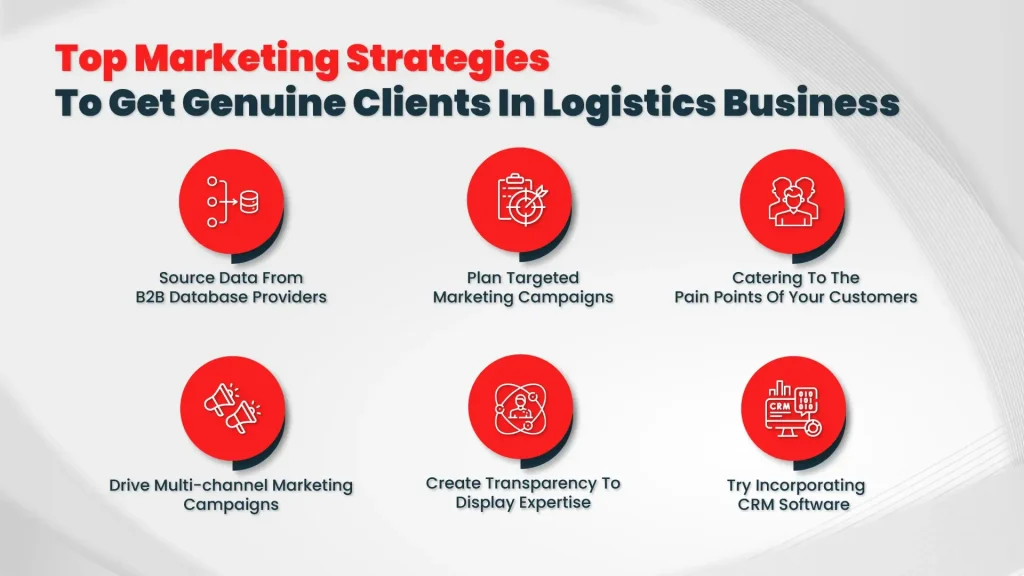
This section explores targeted marketing techniques that logistics companies can use to attract and retain clients. Employing these strategies can significantly boost visibility and establish credibility in a competitive market.
Content Marketing to Educate Potential Clients
Content marketing acts as a powerful tool for logistics businesses to position themselves as industry experts. By creating high-quality content like blogs, whitepapers, and videos, companies can tackle common challenges faced by potential clients. This educational approach builds trust — and it also enhances search engine visibility.
Statistics show that 70% of consumers prefer learning about a company through articles rather than advertisements. The result is often substantial returns when investing in a robust content marketing strategy, attracting clients actively seeking logistics solutions (this is often overlooked).
Email Marketing Campaigns to Nurture Leads
Email marketing remains a cost-effective way to nurture leads and maintain client relationships. Segmenting email lists based on client interests and behaviors helps logistics companies deliver targeted messages that resonate with specific audiences.
- Send personalized follow-ups after initial inquiries.
- Provide valuable content, such as industry updates or logistics tips.
- Offer exclusive promotions or services to encourage engagement.
Research indicates that segmented email campaigns can achieve up to a 760% increase in revenue. This underscores the importance of personalized communication in converting leads into clients.
Using Case Studies to Demonstrate Success
Case studies serve as a compelling way to showcase the effectiveness of logistics services. By presenting real-world examples of challenges that were addressed, logistics companies can offer tangible proof of their capabilities. A well-crafted case study highlights the problem, the implemented solution, and the measurable results achieved.
For example, a logistics company that successfully reduced delivery times by 30% for a key client can use this achievement to attract new business. Including metrics and testimonials enhances credibility — and it draws attention to the company’s strengths.
Targeting Niche Markets within Logistics
Identifying and targeting niche markets can lead to increased client acquisition in the logistics sector. Specializing in specific industries, such as pharmaceuticals, e-commerce, or hazardous materials, allows logistics businesses to tailor their services and marketing efforts to meet unique client needs.
Research from 2024 indicates that niche logistics services are projected to grow by 15% annually. This highlights the potential for companies that focus on specialized sectors. By honing in on these markets, logistics businesses can develop targeted marketing strategies that resonate with prospective clients.
Despite the effectiveness of these strategies, misconceptions exist regarding the speed and simplicity of acquiring clients in the logistics business. Many believe a single marketing campaign will yield immediate results. In reality, building a client base requires sustained effort and consistent engagement across multiple channels.
To apply these insights, logistics businesses should:
- Develop a content calendar to consistently produce educational materials.
- Create segmented email lists for targeted communication and lead nurturing.
- Compile case studies that quantify successes and address potential client concerns.
- Research specific niches within the logistics market and tailor marketing efforts accordingly.
Implementing these strategies will enhance visibility and foster lasting relationships with clients, effectively addressing how to get clients in logistics business.
Measuring Success: Key Performance Indicators for Client Acquisition
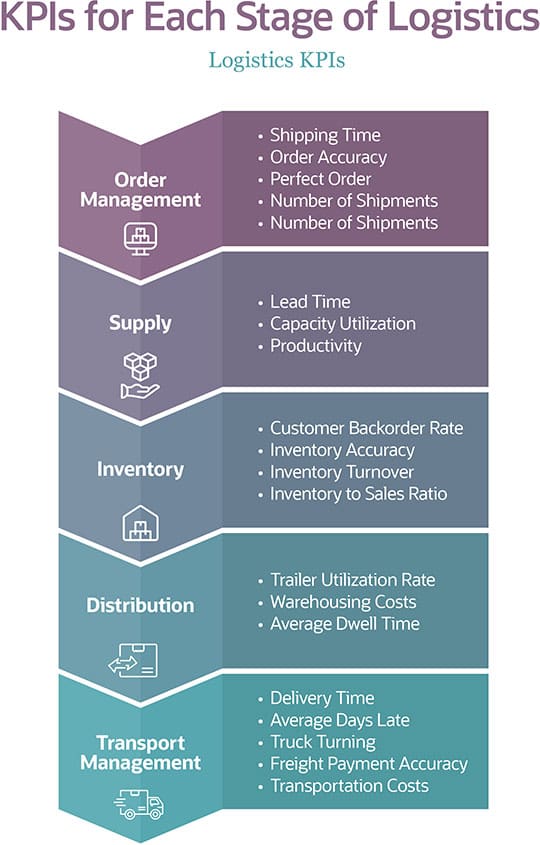
This section highlights crucial metrics and tools for evaluating client acquisition effectiveness within the logistics sector. Implementing these strategies will help companies better attract and retain clients.
Identifying Key Metrics to Assess Marketing Effectiveness
Effective measurement begins with pinpointing the right key performance indicators (KPIs). Common metrics for evaluating marketing effectiveness in logistics encompass:
- Conversion Rate: The percentage of leads that turn into paying clients. Typically, a conversion rate of 2-5% is seen in logistics.
- Customer Acquisition Cost (CAC): The total expense involved in acquiring a new client. This should be balanced against the client’s lifetime value.
- Lead Generation Rate: The speed at which new leads are generated through various marketing channels. This reveals which strategies work best.
Using CRM Tools to Monitor Client Interactions
Customer Relationship Management (CRM) tools play a critical role in tracking client interactions and streamlining communication. By using CRM software, logistics businesses can:
- Document client details, preferences, and history of interactions.
- Automate follow-ups and reminders — making sure potential clients are engaged on time.
- Analyze data to spot patterns in client behavior, which can guide future marketing strategies.
Regularly Reviewing and Adjusting Strategies Based on Data
Data-driven decision-making is vital for refining client acquisition strategies. Routine reviews of performance metrics enable businesses to:
- Spot underperforming channels and reallocate resources effectively.
- Experiment with new marketing approaches based on data insights.
- Fine-tune messaging and offers to better connect with target audiences.
Setting Realistic Goals for Client Growth
Establishing clear and achievable goals is essential for sustainable growth. Logistics firms should define specific, measurable, attainable, relevant, and time-bound (SMART) goals. Examples include:
- Growing the client base by 15% over the next year.
- Cutting customer acquisition costs by 10% within the next six months.
- Boosting lead generation by 25% through new marketing initiatives.
Nuance / Expert Layer
Many logistics businesses overlook the significance of qualitative data alongside quantitative metrics. While numbers clearly show performance trends, qualitative feedback from clients can reveal insights about service quality and client satisfaction. Focusing solely on KPIs may narrow the understanding of client needs and market demands (this is often overlooked). For example, a low conversion rate might not just reflect ineffective marketing efforts — it could also signal a misalignment between services and client expectations.
Practical Application
To effectively gauge client acquisition success, logistics businesses should:
- Define and monitor key performance indicators relevant to their goals.
- Implement a CRM system to enhance client interactions and data analysis.
- Consistently review performance data and modify strategies based on findings.
- Establish realistic, SMART goals to direct growth initiatives.
By following these actionable steps, logistics companies can significantly improve their client acquisition efforts and achieve lasting growth.
Frequently Asked Questions
What are the best ways to attract clients in logistics?
Effective strategies include leveraging digital marketing, attending industry events, and building a strong online presence. Establishing partnerships and offering competitive pricing can also enhance client acquisition in the logistics sector.
How can I market my logistics business effectively?
Utilizing targeted online advertising, content marketing, and social media platforms can significantly boost visibility. Additionally, showcasing client testimonials and case studies can help build credibility and attract new customers.
What are common mistakes in acquiring logistics clients?
Common mistakes include failing to understand the target market and neglecting follow-up communication. Overpromising on service capabilities without the means to deliver can also damage reputation and client trust.
How long does it take to get clients in the logistics business?
The timeline for acquiring clients can vary widely, typically ranging from a few weeks to several months. Factors such as market demand, marketing strategies, and relationship-building efforts play a crucial role in this process.
What role does networking play in the logistics industry?
Networking is vital in the logistics industry as it fosters relationships and opens doors to potential clients and partnerships. Building a robust network can lead to referrals and increased business opportunities.
Final Thoughts on how to get clients in logistics business
To effectively attract clients in the logistics sector, businesses must prioritize a robust online presence, leverage industry connections, and implement targeted marketing strategies. Understanding the nuances of client acquisition can significantly enhance the success rate in this competitive industry.
As a practical next step, conduct a thorough audit of your current online presence, ensuring your website and social media channels effectively communicate your unique value proposition and are optimized for search engines. This foundational work will set the stage for all subsequent client acquisition efforts.
Ready to elevate your logistics business? Consider hiring a google ads expert to implement strategies that attract clients and boost your revenue today!
Mastering client acquisition in logistics is not just about attracting business; it’s a vital strategy for sustainable growth and maintaining a competitive edge in an evolving marketplace.