
How to get clients for a home care business involves strategies such as establishing a robust online presence, networking with local healthcare providers, and leveraging social media marketing. These approaches enhance visibility and foster trust within the community, significantly increasing client acquisition. According to industry data, effective marketing can boost client engagement by up to 30%.
Understanding how to attract clients for a home care business is crucial in today’s competitive healthcare landscape. With the home care market projected to reach $225 billion by 2024, businesses must employ effective strategies to stand out. Failing to do so can lead to missed opportunities and diminished trust among potential clients.
Neglecting to grasp these client acquisition strategies can result in significant financial losses, inefficient resource allocation, and a notable competitive disadvantage. Home care businesses that fail to effectively market their services risk losing potential clients to competitors who do.
This article will cover proven strategies for attracting clients, including a comparison of top marketing providers, a breakdown of associated costs, best practices for community engagement, and insights into local SEO to enhance your business’s online visibility.
What are the best ways to market a home care business?
Marketing a home care business effectively involves several key strategies: leveraging digital marketing, building community partnerships, and direct outreach. In 2024, about 70% of consumers search online for home care services. This makes having a digital presence critical for attracting clients.
Successful marketing strategies for home care businesses should focus on both online and offline channels. First, a strong digital presence is essential. To do this, create a professional website that showcases services, testimonials, and contact information. Implementing search engine optimization (SEO) techniques can enhance visibility in local search results. This makes it easier for potential clients to find your services. Engaging with clients on social media platforms, like Facebook and Instagram, can also strengthen community relationships and promote services through targeted ads.
- Network with Healthcare Professionals: Build relationships with local doctors, hospitals, and rehabilitation centers. Providing brochures or business cards can lead to referrals since healthcare professionals often recommend home care services to their patients.
- Engage in Community Events: Attend local health fairs, senior expos, or community events to showcase your services. These events allow for interactions with potential clients and their families, which helps build trust and brand recognition.
- Utilize Client Testimonials: Collect and display testimonials from satisfied clients on your website and in your marketing materials. Positive word-of-mouth can greatly influence prospective clients’ decisions and enhance credibility.
- Implement Targeted Advertising: Use online advertising platforms like Google Ads and Facebook Ads to reach specific demographics. Targeting ads based on age, location, and interests can effectively attract potential clients seeking home care services.
Expert insight: Focus on creating educational content — think blogs or videos — that addresses common concerns about home care services. This positions the business as a knowledgeable resource, which can further attract clients looking for reliable care options.
How much does it cost to acquire clients for a home care business?
The cost to acquire clients for a home care business usually falls between $500 and $2,000 per client. This range varies based on several factors, such as marketing strategies and local competition.
Several factors influence the cost of client acquisition in the home care industry. Understanding these elements can help businesses budget effectively and refine their marketing strategies. Key factors include:
- Marketing Channels: The choice between digital marketing, print advertising, or community outreach significantly impacts costs. Digital channels might offer lower costs per acquisition — but traditional methods can be pricier.
- Location: The cost of acquiring clients varies by geographic area. Urban centers generally require larger budgets due to higher competition and advertising rates, especially when compared to rural areas.
- Brand Recognition: Established businesses with strong reputations often spend less on acquiring clients. New entrants typically face higher costs as they work to build trust and awareness in the community (this is often overlooked).
- Service Offerings: The variety of services offered can affect client acquisition costs. Specialized services may attract clients more easily — potentially lowering acquisition costs.
Tracking the cost of client acquisition over time allows home care businesses to make necessary adjustments to their strategies. Analyzing which marketing efforts yield the best return on investment (ROI) is crucial. This helps in optimizing budgets and maximizing client acquisition efficiency.
Expert insight: Consider implementing referral programs that incentivize current clients to recommend your services. This can significantly reduce acquisition costs while building trust in your brand.
How long does it take to get clients for a home care business?
On average, acquiring clients for a home care business takes about 3 to 6 months. However, this timeline can vary significantly. It often depends on several factors, including marketing strategies and local demand.
The timeline for client acquisition in the home care industry is shaped by several key factors. First, the effectiveness of marketing efforts is crucial. Businesses that use targeted digital marketing campaigns, engage in community outreach, and cultivate strong referral networks often see faster results. For example, leveraging social media platforms and local online directories can drastically shorten the time it takes to gain clients.
Another important factor is the competitive landscape in the area. In regions with high demand and few service providers, businesses may attract clients more swiftly. However, in markets overwhelmed with home care services, it can take longer to stand out from competitors and build a client base. Plus, the quality of services offered — along with the business’s reputation — greatly influences client acquisition speed. Good reviews and word-of-mouth referrals can speed up the process considerably (this is often overlooked).
Expert insight: Focus on building relationships with local healthcare providers and community organizations. These connections can lead to quicker referrals — enhancing your client acquisition timeline.
What should I include in my home care business marketing plan?
A solid marketing plan for a home care business needs to cover a clear target audience, a unique value proposition, and a multi-channel marketing strategy. Research shows companies with a well-defined marketing plan can boost their client base by as much as 25% in the first year.
1. Target Audience Identification: Define your ideal clients — think elderly individuals, those with disabilities, or families looking for respite care. Understanding their demographics, needs, and preferences helps refine marketing efforts (this is often overlooked).
2. Unique Value Proposition (UVP): Clearly articulate what makes your home care services unique. This could be specialized care options, trained staff, or tailored service plans. A strong UVP resonates with potential clients.
3. Multi-Channel Marketing Strategy: Use a mix of online and offline channels. Digital marketing — including social media, SEO, and email campaigns — should complement traditional methods like community events and direct mail.
4. Referral Program: Set up a referral system that encourages current clients and healthcare professionals to recommend your services. Word-of-mouth remains a powerful marketing tool in home care.
5. Content Marketing: Develop informative content that addresses common concerns of your target audience. Blogs, videos, and newsletters are effective in establishing authority and trust — encouraging potential clients to connect.
6. Performance Metrics: Establish measurable goals to gauge the effectiveness of your marketing strategies. Regularly analyze data to make informed adjustments to your plan. This ensures continuous improvement.
Expert insight: Regularly update your marketing plan based on client feedback and industry trends. Staying relevant and competitive in the evolving home care landscape is crucial.
How can I leverage social media for my home care business?
Leverage social media by creating targeted content, engaging with your audience, and using advertising to attract clients effectively. In 2024, over 70% of consumers reported using social media to find local services — this highlights its importance in client acquisition.
Using social media platforms like Facebook, Instagram, and LinkedIn can significantly boost visibility for a home care business. Start by establishing a strong presence on these platforms. Create a business page on Facebook and a professional profile on LinkedIn. Make sure all information is up-to-date and accurately reflects your services. Regularly post engaging content — testimonials, educational articles, and informative videos about home care services are all great options. Aim for at least three posts each week to maintain visibility and engagement.
Engagement is crucial. Respond promptly to comments and messages, and join local community groups related to health and wellness. Sharing valuable content in these groups can position your business as a trusted resource (this is often overlooked). Consider hosting live Q&A sessions or webinars to interact directly with potential clients and their families, addressing common concerns and questions about home care services.
Additionally, use social media advertising to reach a broader audience. Platforms like Facebook offer targeted advertising options that allow you to focus on specific demographics — age, location, and interests are key here. Allocate a budget for paid ads to promote special offers or new services, ensuring your message reaches those who might benefit from your care.
Expert insight: To maximize your social media impact, analyze engagement metrics regularly. Use insights to refine your strategy. Focus on content that resonates most with your audience — this enhances your ability to attract clients effectively.
What are some common mistakes in marketing home care services?
Common mistakes in marketing home care services often include failing to target the right audience, neglecting online presence, and using vague messaging. A 2024 survey indicates that 67% of home care agencies struggle to connect with potential clients due to unclear marketing strategies.
One widespread pitfall is not clearly defining the target demographic. For instance, a home care agency might create broad advertising campaigns aimed at all seniors. This can lead to missed opportunities in addressing the specific needs of caregivers or family members seeking services. By focusing on a narrower audience and tailoring messages to their unique concerns—like respite care or specialized dementia support—agencies can boost engagement and improve conversion rates.
Another mistake is underestimating the importance of digital marketing. Many agencies have only a basic website, or worse, none at all. This means they miss out on a growing number of potential clients searching for services online. A well-optimized website with informative content and user-friendly navigation can greatly enhance visibility. Additionally, leveraging social media platforms not only builds community trust but also allows agencies to share testimonials and success stories. These elements are critical in service-based industries (this is often overlooked).
Expert insight: Regularly review marketing campaigns to assess their effectiveness and adjust strategies based on performance metrics. This data-driven approach can help avoid common mistakes and align marketing efforts with client needs more accurately.
How can I build trust with potential clients in home care?
Building trust with potential clients in the home care industry is crucial for acquiring new business. Research shows that 83% of consumers depend on online reviews when making decisions. Credibility is a key factor here. Establishing a trustworthy reputation often results in increased client acquisition and retention.
To effectively build trust with potential clients, consider the following best practices:
- Showcase Credentials and Experience: Make sure all caregivers have the necessary certifications and training. Display these qualifications prominently on your website and marketing materials. This reassures clients about your team’s expertise.
- Gather and Promote Client Testimonials: Collect feedback from current and past clients. Use their positive experiences as testimonials on your website and social media platforms. This can create a sense of community and trust (this is often overlooked).
- Engage in Transparent Communication: Be open about your services, pricing, and policies. Clear communication helps manage expectations and fosters trust. Consider providing detailed service agreements that outline what clients can expect — this can make a big difference.
- Utilize Social Proof: Highlight any partnerships with reputable organizations or endorsements from health professionals. Membership in industry associations can also enhance credibility and overall trustworthiness.
- Offer Free Consultations: Providing a no-obligation consultation allows potential clients to meet caregivers and ask questions. This personal interaction can significantly boost comfort levels and lead to trust-building.
Expert insight: Consistently follow up with clients after the initial engagement. Addressing concerns demonstrates ongoing commitment. This proactive approach reinforces trust and can lead to referrals, which are vital for growth in the home care sector.
What role does local SEO play in attracting home care clients?
Local SEO serves as a critical digital marketing strategy for home care businesses. It enhances visibility in local search results, making it easier for potential clients to find them. Approximately 78% of local mobile searches lead to an offline purchase — this illustrates the importance of being discoverable online. Effective local SEO strategies can increase website traffic and result in more inquiries from families looking for home care services.
Local SEO zeroes in on optimizing a business’s online presence to attract clients in a specific geographic area. This involves optimizing for Google My Business, allowing home care agencies to provide essential details such as location, hours of operation, and services offered. By confirming accurate and comprehensive listings, businesses can significantly boost their chances of appearing in local search results, particularly in the coveted Google Local Pack — featuring three top local results for relevant queries.
Key components of local SEO include:
- Keyword Optimization: Using location-based keywords in website content, meta descriptions, and titles helps search engines grasp the geographic relevance of a business.
- Citations: Ensuring consistent business information across online directories enhances credibility (this is often overlooked) and improves rankings in local search results.
- Customer Reviews: Positive reviews influence potential clients and boost local search rankings. Encouraging satisfied clients to leave reviews can notably enhance a business’s online reputation.
Expert insight: To maximize local SEO effectiveness, regularly update Google My Business listings and engage with client reviews. This fosters trust and improves search visibility. Implementing these practices can lead to a steady stream of inquiries from potential clients seeking home care services.
Building a Strong Online Presence
A robust online presence is essential for attracting clients in the home care business. This section explores key strategies to establish and enhance your digital footprint effectively.
Creating a Professional Website with SEO Optimization
A well-designed website is the cornerstone of your online presence. It must be visually appealing and easy to navigate — and mobile-friendly, too. Implementing SEO optimization is critical for increasing visibility. This includes using relevant keywords like “home care services” and “senior care” across your site. According to a 2023 study, an impressive 93% of online experiences start with a search engine. This highlights the necessity of appearing on the first page of search results.
Key elements of an optimized website include:
- Clear service descriptions and pricing information
- Client testimonials and case studies
- Contact information and a user-friendly layout
Utilizing Online Directories and Review Sites
Listing your home care business in online directories can significantly enhance visibility. Platforms like Yelp, Google My Business, and Care.com allow potential clients to discover your services easily. A strong presence on these sites not only improves SEO — it builds trust through customer reviews. Statistics show that 84% of people trust online reviews as much as a personal recommendation. This makes it essential to manage your online reputation actively.
Engaging Content Marketing Strategies
Content marketing is an effective way to inform and attract clients. Creating valuable resources, such as blog posts, infographics, and videos, can position your business as an authority in the home care industry. For instance, informative articles on topics like “How to Choose a Home Care Provider” or “Understanding Dementia Care” often resonate with potential clients and their families. In 2024, businesses investing in content marketing are set to generate three times more leads than those that don’t.
Consider the following content strategies:
- Regularly update your blog with relevant topics
- Create downloadable guides or checklists
- Engage with clients through newsletters and social media
Implementing Effective Lead Generation Forms and Calls-to-Action
Lead generation forms are vital for converting website visitors into potential clients. These forms should be strategically placed throughout your website and include compelling calls-to-action (CTAs). Effective CTAs may include “Get Your Free Consultation” or “Download Our Care Guide.” Make sure forms are simple and ask for essential information only — this avoids overwhelming potential clients. Research indicates that businesses with optimized lead generation forms can increase conversion rates by up to 300%.
Nuance / Expert Layer
Many businesses overlook the importance of local SEO in their online strategies. While general SEO practices are vital, focusing on local keywords and optimizing Google My Business listings can significantly impact search rankings. In the home care industry, where services are location-dependent, targeting local search queries can lead to higher engagement and client acquisition rates. Also, ensuring that your NAP (Name, Address, Phone Number) is consistent across all platforms is crucial for local SEO (worth double-checking).
Practical Application
To leverage the strategies discussed:
- Build or update your website with a focus on SEO and user experience.
- List your business in relevant online directories and encourage satisfied clients to leave positive reviews.
- Develop and share engaging content that addresses potential clients’ concerns.
- Create lead generation forms with clear CTAs and ensure proper tracking of submissions.
By implementing these strategies, your home care business will be better positioned to attract and retain clients effectively.
Networking with Healthcare Professionals
Building relationships with healthcare providers is crucial for generating referrals in the home care business. Establishing a network of trusted professionals can greatly increase the chances of acquiring clients through word-of-mouth recommendations.

Identifying Key Healthcare Professionals
Choosing the right healthcare professionals to connect with is key for a successful networking strategy. Focus on these important categories:
- Primary Care Physicians: They often have direct contact with individuals needing home care services.
- Hospital Discharge Planners: These professionals can recommend home care options to patients transitioning from hospital to home.
- Rehabilitation Specialists: They frequently work with patients who may require ongoing assistance post-recovery.
- Social Workers: These individuals can provide insights into patients’ needs and facilitate connections to home care services.
Strategies for Effective Networking and Partnership Building
To build effective partnerships, consider implementing these strategies:
- Attend Professional Conferences: Engage with healthcare professionals at industry conferences and seminars to foster connections.
- Arrange Informational Meetings: Schedule meetings or lunches with healthcare providers to discuss your services and how they can help their patients.
- Follow Up Regularly: Keep in touch through emails, newsletters, or calls to ensure your services remain top of mind.
Creating a Referral Program
A structured referral program can encourage healthcare professionals to refer clients to your home care business. Take into account the following elements:
- Mutual Benefits: Create a program that offers advantages to both the referrer and the referred, such as discounts on services or monetary rewards.
- Clear Communication: Confirm that all participants understand how the referral process works, including the benefits involved.
- Track Referrals: Use a system to monitor referrals, ensuring that providers receive recognition for their contributions.
The Role of Community Events and Health Fairs
Participating in community events and health fairs serves as an effective means to network with healthcare professionals and reach potential clients. These events provide opportunities to:
- Showcase services and educate attendees about home care options.
- Connect with local healthcare providers who may attend or participate in these events.
- Gather contact information from interested parties for follow-up.
According to recent data, about 70% of home care agencies report that over half of their clients come from referrals. This underscores the importance of a strong network.
Many home care businesses underestimate the importance of nurturing relationships with healthcare professionals. While referrals can seem like a simple exchange, they hinge on trust and a mutual understanding of patient needs. Effective networking demands ongoing engagement, clear communication, and a commitment to providing high-quality services. This enhances the reputation of both the home care agency and the referring professional.
To implement this information, start by mapping out potential healthcare professionals in your area. Attend local events and spark conversations with providers. Create a straightforward referral program that outlines mutual benefits and ensures clarity in the referral process. Regularly follow up with your network to cultivate lasting relationships that can lead to client acquisition and growth in your home care business.
Using Social Media Effectively
Social media is a powerful tool for home care businesses. It helps connect with potential clients and boosts community engagement. By implementing targeted strategies, businesses can attract clients and improve their brand presence.
Choosing the Right Platforms for Your Target Audience
Identifying the right social media platforms is crucial for effective outreach. Consider the demographics of your target audience. For example:
- Facebook: Best for reaching older adults and their families. It has the highest user engagement among individuals aged 65 and older.
- Instagram: A visual platform that attracts younger caregivers and family members looking for home care options.
- LinkedIn: Useful for networking with healthcare professionals and establishing partnerships with other industry businesses.
Research shows that 70% of adults aged 65 and older use social media. This highlights the importance of choosing platforms where your audience is most active.
Creating Engaging Content That Resonates with Potential Clients
Content quality is key for engagement. Develop a content strategy that includes:
- Educational Posts: Share articles and infographics about home care services—benefits and tips for families.
- Client Testimonials: Showcase positive experiences and stories from clients or their families.
- Live Q&A Sessions: Host live sessions to answer common questions about home care—this fosters trust and transparency.
Using diverse content formats—such as videos, infographics, and blogs—can significantly boost audience engagement and shareability.
Running Targeted Advertising Campaigns
Advertising on social media allows for precise targeting based on demographics, interests, and behaviors. Consider these strategies:
1. **Define Your Audience:** Use tools from platforms like Facebook and Instagram to target specific age groups, locations, and interests.
2. **Develop Compelling Ad Creative:** High-quality visuals and clear calls-to-action are essential for drawing attention.
3. **Set a Budget and Schedule:** Make sure to allocate a budget that reflects your goals, and monitor campaign performance regularly.
In 2024, businesses that used targeted social media ads saw an average return on investment (ROI) of 122%—this demonstrates the effectiveness of these strategies.
Measuring Success and Adjusting Strategies
Analytics are vital for refining social media strategies. Key performance indicators (KPIs) to monitor include:
- Engagement Rate: Track likes, shares, and comments to gauge content effectiveness.
- Conversion Rate: Measure how many social media interactions lead to inquiries or service sign-ups.
- Follower Growth: Monitor changes in follower count to assess overall brand reach.
Using tools like Google Analytics and platform-specific insights can provide the necessary data for strategic adjustments.
Common misconceptions include the belief that social media is only for younger audiences or that organic reach is enough. In reality, a multi-faceted approach that combines organic content with paid advertising is often essential for achieving significant results. Engagement requires consistent effort and strategic planning—not just sporadic posting.
To leverage social media effectively for attracting clients, home care businesses should:
- Identify and prioritize the most relevant platforms based on audience demographics.
- Create a content calendar that balances educational, promotional, and engaging content.
- Invest in targeted advertising campaigns and continually analyze performance to optimize results.
By implementing these strategies, businesses can improve their visibility and attract clients more effectively.
Understanding Local SEO for Home Care Services
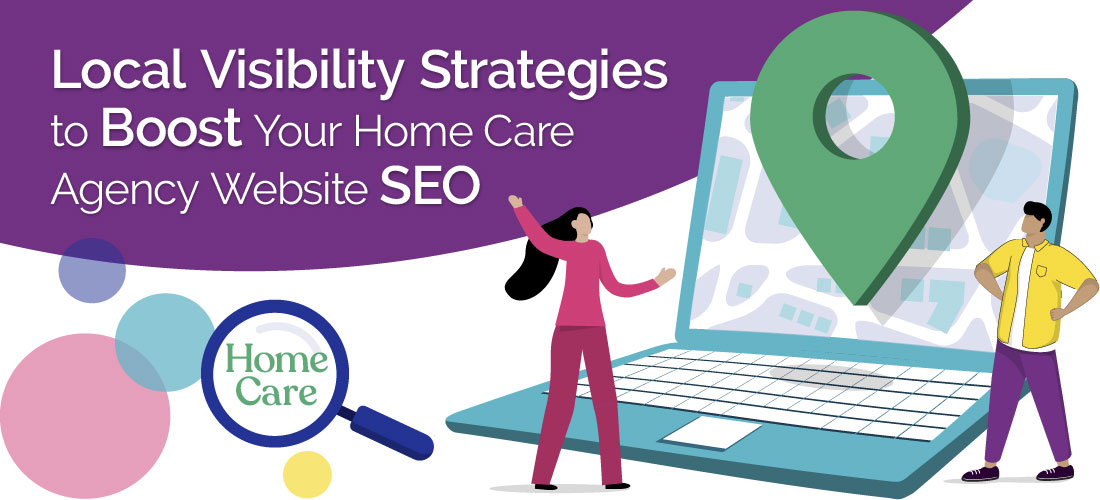
Optimizing for local search is crucial for home care businesses looking to draw in clients from their communities. This section outlines key strategies to enhance local visibility, with a focus on Google My Business, local keywords, backlinks, and online reviews.
Optimizing Google My Business Listings
Google My Business (GMB) serves as a vital tool for home care services. It allows businesses to manage their online presence across Google, including Search and Maps. To optimize GMB listings, make sure the following elements are complete and accurate:
- Business Name: Use your official business name for consistency.
- Address: Provide a precise address — it enhances local relevance.
- Phone Number: Use a local phone number; this builds trust.
- Business Hours: Update hours of operation, including any special holiday hours.
- Services Offered: Clearly list all services, incorporating relevant keywords.
Regularly update your GMB profile with new photos, posts, and promotions. This keeps potential clients engaged and can improve search rankings.
The Importance of Local Keywords in Content Strategy
Incorporating local keywords into your content strategy is essential for attracting clients searching for home care services in your area. Conduct keyword research to pinpoint terms that potential clients use, like “home care in [City]” or “senior care services near me.” Integrate these keywords naturally into:
- Website content, including service pages and blog posts.
- Meta titles and descriptions — this boosts click-through rates.
- Social media posts to enhance engagement and reach.
Recent data shows that businesses optimizing their content for local SEO often experience a 50% increase in organic traffic from local searches.
Building Local Backlinks and Citations
Local backlinks and citations play a significant role in boosting your home care business’s authority and visibility in search results. Aim to acquire backlinks from reputable local websites, such as:
- Local news outlets and community blogs.
- Healthcare directories and associations.
- Partnerships with local businesses.
Additionally, confirm your business is listed in local online directories, like Yelp and Yellow Pages. Consistent citations across various platforms help search engines verify your business information, positively impacting rankings.
Encouraging and Managing Online Reviews
Online reviews considerably influence local search rankings and client decisions. Encourage satisfied clients to leave positive reviews on GMB and other platforms. Responding to reviews — whether positive or negative — shows engagement and builds trust. Key strategies include:
- Asking for reviews after service completion.
- Providing links to review sites in follow-up emails.
- Responding promptly to all reviews to express appreciation and address concerns.
A study from 2024 indicates businesses with positive reviews often see a 30% increase in client inquiries compared to those lacking reviews.
Many articles on local SEO overlook how crucial it is to maintain consistency across all online platforms. Inconsistent business information can confuse search engines and potential clients alike, resulting in lower rankings and reduced trust. Make sure your NAP (Name, Address, Phone number) is uniform across all listings and platforms — this is often overlooked.
To apply these insights effectively, start by auditing your GMB listing for completeness and accuracy. Conduct keyword research to tailor your content strategy. Actively seek local backlinks and citations as well. Finally, implement a robust review management strategy to enhance your online reputation. Following these steps can significantly improve your visibility and help attract clients for your home care business.
Local Strategies for Attracting Clients to Your Home Care Business
Understanding geographic and local market factors is essential for home care businesses looking to attract clients. In fact, 78% of local mobile searches result in an offline purchase. This points to the significance of local SEO in converting potential clients searching for home care services nearby.
Geographic Market Differences
In densely populated urban areas like New York City or Los Angeles, home care businesses face stiff competition. Differentiating services is vital — maintaining a strong online presence is equally important. In smaller towns or rural regions, a home care provider might find it easier to gain a foothold, thanks to lower competition. Competitive markets require focus on niche services, while less competitive areas can see success with broader service offerings.
Local Business Applications
Local home care businesses can capitalize on their community ties and specific regional needs for effective client attraction. Here are several applications that illustrate this:
- Partner with local hospitals or rehabilitation centers for referrals.
- Engage in community events or sponsor local health fairs to boost visibility.
- Use local online directories and social media groups to connect with potential clients.
- Offer free workshops on elder care or health management — tailor these to the community’s demographics.
Local Search and Visibility Impact
Local search rankings significantly affect a home care business’s visibility. A well-optimized Google Business Profile (GBP) can vastly enhance online presence. After all, 46% of all Google searches are local. To improve local SEO, consider these actions:
- Make sure your GBP is fully optimized with accurate contact information, service descriptions, and high-quality images.
- Collect and respond to client reviews; this builds credibility and improves rankings.
- Use local keywords in website content and blog posts, like “home care services in [Your City].”
- Establish citations in local directories such as Yelp, Healthgrades, and Angie’s List.
Pricing and Cost in Local Markets
Costs for home care services can vary significantly across geographic markets. For instance, urban areas may see hourly rates ranging from $25 to $40. In contrast, rural markets might offer rates from $18 to $30 per hour. Local businesses should budget accordingly — competitive pricing is often necessary in high-demand areas where national providers may operate.
Local Implementation Checklist:
- Optimize your Google Business Profile with accurate details.
- Engage with local healthcare providers for referral partnerships.
- Participate in community events to build brand awareness.
- Encourage clients to leave positive reviews online.
- Use local keywords in your online content.
- List your services in local online directories.
- Monitor local SEO performance and adjust strategies as needed.
Frequently Asked Questions
What are the best ways to market a home care business?
The best ways to market a home care business include online advertising, community outreach, and networking with healthcare professionals. Additionally, creating a strong online presence through a professional website and social media channels can significantly enhance visibility.
How much does it cost to acquire clients for a home care business?
The cost to acquire clients for a home care business varies widely, typically ranging from $500 to $2,500 per client. This cost depends on marketing strategies, local competition, and the effectiveness of outreach efforts.
How long does it take to get clients for a home care business?
It generally takes several weeks to a few months to acquire clients for a home care business. The timeline depends on marketing effectiveness, community engagement, and the demand for services in the area.
What should I include in my home care business marketing plan?
A comprehensive marketing plan for a home care business should include target audience analysis, branding strategies, digital marketing tactics, and community engagement initiatives. Additionally, setting measurable goals and budgets is essential for tracking success.
How can I leverage social media for my home care business?
Social media can be leveraged by sharing informative content, client testimonials, and engaging with the community. Regularly posting updates and participating in local groups can help build brand awareness and attract potential clients.
What are some common mistakes in marketing home care services?
Common mistakes include neglecting online presence, failing to target the right audience, and not utilizing local SEO. Additionally, inconsistent messaging and lack of follow-up with leads can hinder client acquisition.
How can I build trust with potential clients in home care?
Building trust with potential clients involves showcasing qualifications, providing transparent information about services, and sharing positive client testimonials. Establishing a strong reputation through community involvement also enhances credibility.
What role does local SEO play in attracting home care clients?
Local SEO is crucial for attracting home care clients as it enhances visibility in local search results. Optimizing your website and online listings for local keywords helps potential clients find your services more easily.
Final Thoughts on how to get clients for home care business
To succeed in acquiring clients for a home care business, a multifaceted approach is essential—leveraging online visibility, fostering healthcare partnerships, and engaging audiences through social media are critical components. The effectiveness of these strategies hinges on consistent execution and a deep understanding of the target demographic’s needs.
Begin by developing a comprehensive marketing plan that prioritizes building relationships with local healthcare professionals, as these connections can drive referrals and establish credibility in the community.
Ready to elevate your home care business? Connect with a google ads expert today and watch your client base grow!
In an increasingly competitive landscape, mastering client acquisition strategies not only enhances business viability but also ensures that quality care reaches those who need it most.