

How to get clients as an attorney involves implementing effective strategies to attract and retain clients in a competitive legal market. A strong online presence, community networking, and leveraging referrals are crucial, as approximately 70% of clients select attorneys based on recommendations. Mastering these techniques not only enhances visibility but also builds trust and credibility within the community.
Understanding how to get clients as an attorney is essential for legal professionals aiming to grow their practice. With the legal industry facing increasing competition, attorneys must effectively market their services to stand out. A study indicates that 74% of clients prefer to hire lawyers who are actively involved in their communities, underscoring the importance of relationship-building in client acquisition.
Failure to grasp effective client acquisition strategies can result in significant revenue loss and wasted marketing resources. Attorneys who do not prioritize building a robust client base may find themselves at a competitive disadvantage, leading to diminished profitability and sustainability of their practice.
This article will cover proven strategies for attracting clients, including the importance of digital marketing, effective networking techniques, and the power of referrals. Readers will gain insights into best practices and actionable steps to enhance their client acquisition efforts.
What are the best ways for attorneys to find clients?
Attorneys can effectively find clients through a mix of online marketing, networking, and referral strategies. A 2024 survey showed that more than 60% of clients prefer to find their legal representation via online searches or social media platforms.
To enhance visibility, attorneys should prioritize a professional website that’s optimized for search engines. Using search engine optimization (SEO) techniques can increase organic traffic. This attracts potential clients actively seeking legal help. Additionally, keeping a blog that addresses common legal questions can build authority and trust — which often leads to more client inquiries.
- Network within your community: Attend local events, join bar associations, and engage in community service to build relationships. Personal connections can lead to client referrals.
- Utilize social media: Platforms like LinkedIn, Facebook, and Instagram provide opportunities to showcase expertise. Interacting with potential clients is key. Posting informative content regularly can boost visibility.
- Leverage online directories: Listing on legal directories such as Avvo or FindLaw can increase discoverability. These platforms often rank high in search results, making it simpler for clients to find attorneys.
- Request referrals: Satisfied clients can be a powerful source of new business. Encourage clients to refer friends and family by offering exceptional service and following up after the case resolution (this is often overlooked).
- Engage in content marketing: Publish articles, videos, or podcasts that tackle relevant legal issues. This not only showcases expertise but also helps build a loyal audience.
Expert insight: Establishing a niche practice area can significantly enhance client acquisition, since focused expertise often attracts clients looking for specialized knowledge. Consider identifying underserved markets within your jurisdiction to maximize outreach efforts — this can be highly effective.
How important is networking for attorneys?
Networking is crucial for attorneys. It fosters relationships that can lead to client referrals and trust-building opportunities. Statistics indicate that about 70% of clients find their attorneys through personal connections or referrals. This highlights the value of a strong professional network.
Building a robust network allows attorneys to connect with potential clients, other legal professionals, and industry influencers. These relationships are vital since clients usually prefer to hire attorneys based on personal recommendations. Networking can take many forms — attending legal conferences, joining bar associations, or participating in community events. Each of these interactions contributes to a lawyer’s visibility and credibility.
Moreover, effective networking keeps attorneys informed about industry trends, legal developments, and client needs. Engaging in conversations with peers often reveals insights into best practices and innovative strategies for client acquisition. By cultivating these connections, attorneys can enhance their reputation. They can also position themselves as thought leaders in their field.
Expert insight: Focus on building genuine relationships — not just collecting contacts. Quality interactions often lead to long-term referrals and a stronger client base. Invest time in nurturing these connections to maximize their potential benefits (this is often overlooked).
What role does social media play in attracting clients for attorneys?
Social media acts as a crucial tool for attorneys to draw in clients by boosting visibility and demonstrating expertise. About 70% of consumers turn to social media platforms to research legal services before making decisions. This clearly underscores the importance of having a strong digital presence.
For instance, an attorney focused on family law can use platforms like Instagram and Facebook to share informative content. This attorney might post a series of short videos addressing common questions about divorce proceedings, custody arrangements, and financial settlements. By employing relevant hashtags and engaging with followers through comments and messages, this attorney can foster a community around their practice — a move that helps potential clients feel more connected and informed.
Furthermore, LinkedIn provides a professional environment to share in-depth articles and case studies that highlight expertise. An attorney could write a post discussing recent changes in family law legislation, outlining its implications for clients (this is often overlooked). Engaging with professionals in fields such as financial advising or therapy can broaden their network and referral opportunities, resulting in a larger client base.
Expert insight: Regularly producing valuable content on social media not only demonstrates expertise but also builds trust with potential clients. This trust increases the likelihood they’ll reach out for legal services.
How can attorneys leverage client referrals?
Attorneys can greatly expand their client base by effectively leveraging client referrals. Research shows that referred clients are 18% more likely to retain services and tend to spend 16% more than those who aren’t referred. This highlights the importance of a strong referral network for growing a legal practice.
To maximize the potential of client referrals, attorneys should employ structured strategies that encourage satisfied clients to advocate for their services. Building a solid referral system can lead to steady business growth — plus a strong reputation in the legal community. Here are some best practices to consider:
- Ask for referrals proactively: Timing is key here. After resolving a case successfully or receiving positive feedback, directly ask clients for referrals. A simple request can yield significant results.
- Offer incentives: Think about implementing a referral program that rewards clients for successful referrals. Incentives could range from discounts on future services to gift cards. This fosters a culture of sharing (worth double-checking).
- Maintain strong relationships: Regular communication with past clients through newsletters, updates, or personal check-ins keeps the attorney-client relationship vibrant. This ongoing engagement makes clients more likely to refer others.
- Showcase client success stories: Highlighting testimonials and case studies on websites and social media provides social proof of your capabilities. This visibility can encourage clients to share their positive experiences with others.
- Network with other professionals: Build relationships with other professionals who can provide referrals, like accountants or financial advisors. A solid network can amplify referral opportunities beyond just past clients.
Expert insight: Regularly tracking referral sources and outcomes helps attorneys refine their strategies. This ensures that the most effective practices are emphasized and optimized for continued growth.
What are common mistakes attorneys make when trying to get clients?
Attorneys often make several key mistakes when trying to attract clients, which can hinder their success. Common pitfalls include not defining their target audience, neglecting their online presence, and relying too much on referrals without actively marketing their services. Research shows that 70% of consumers start their search for legal services online — digital strategy is essential.
One significant mistake is not having a clear target market. Many attorneys try to serve all potential clients, which dilutes their marketing efforts. This approach can lead to ineffective messaging that fails to connect with specific groups. In contrast, understanding and defining a niche lets attorneys tailor their services and outreach, leading to better client acquisition.
Another frequent error is underestimating the importance of a strong online presence. Nowadays, potential clients frequently research attorneys online before making a decision. Attorneys who lack a professional website or an active social media presence miss out on chances to connect with new clients (this is often overlooked). Establishing a solid online footprint can greatly enhance visibility and credibility, ultimately attracting more clients.
Additionally, relying solely on referrals can limit an attorney’s reach. While referrals can be valuable, depending too heavily on them may lead to stagnant growth. A proactive approach that includes networking, content marketing, and community involvement can diversify client acquisition strategies — this mitigates the risks tied to over-reliance on referrals.
Expert insight: Attorneys should regularly assess their marketing strategies and adapt to changing trends in client behavior. Combining targeted outreach with digital engagement can create a more robust client acquisition framework.
Building a Strong Online Presence
A robust online presence is essential for attorneys looking to attract new clients. The majority of potential clients do their research online before making legal decisions. Establishing a professional and accessible digital footprint isn’t optional.

Creating a Professional Website
A well-designed website is the cornerstone of an attorney’s online presence. It should clearly list service offerings, including practice areas and specific legal services. A professional layout, easy navigation, and mobile optimization all enhance user experience. According to a 2024 survey, 75% of clients prefer to contact a law firm via its website — which underscores the need for an effective online platform.
Utilizing SEO Strategies
Search Engine Optimization (SEO) is crucial for improving visibility in search engine results. Key strategies include:
- Keyword Research: Identify relevant keywords like “family law attorney” or “personal injury lawyer” to target potential clients.
- On-Page SEO: Optimize website content with these keywords in titles, headers, and meta descriptions.
- Local SEO: Register with Google My Business to enhance local search visibility since 46% of all Google searches seek local information.
Implementing these strategies can significantly increase website traffic and client inquiries.
Engaging in Content Marketing
Content marketing through blogs and articles not only establishes authority but also provides value to potential clients. Regularly publishing informative content on legal topics can attract organic traffic. Key benefits include:
- Building Trust: High-quality content positions attorneys as knowledgeable experts in their field.
- Improving SEO: Relevant, keyword-rich articles can enhance search rankings.
- Encouraging Engagement: Engaging content can be shared on social media platforms, reaching a wider audience.
Statistics indicate that firms actively publishing blogs receive 97% more backlinks — which can further improve search rankings.
Leveraging Online Reviews and Testimonials
Online reviews and client testimonials play a significant role in prospective clients’ decisions. Positive reviews build credibility and trust. Strategies to leverage reviews include:
- Encouraging Clients to Leave Reviews: After a successful case, ask clients to share their experiences on platforms like Google, Avvo, or Yelp.
- Showcasing Testimonials: Feature positive reviews prominently on the website to build trust with new visitors.
- Responding to Feedback: Engaging with both positive and negative reviews demonstrates a commitment to client satisfaction.
Research from 2025 shows that 84% of people trust online reviews as much as personal recommendations — highlighting their importance.
Nuance / Expert Layer
Common misconceptions about an online presence include the belief that simply having a website is enough. However, a static website without regular updates, SEO efforts, or engaging content won’t attract clients effectively. Additionally, the importance of local SEO is often underestimated. Attorneys practicing in specific geographic areas must emphasize local search strategies to effectively connect with nearby clients (this is often overlooked).
Practical Application
To build a strong online presence, attorneys should take the following actionable steps:
- Create a professional website with clearly defined service offerings.
- Implement SEO strategies, focusing on relevant keywords and local visibility.
- Develop a content marketing strategy, regularly publishing informative blogs and articles.
- Encourage clients to leave reviews and display testimonials prominently on the website.
By implementing these strategies, attorneys can navigate how to get clients as an attorney successfully and establish a formidable online presence.
Effective Networking Techniques for Attorneys
This section outlines actionable networking strategies for attorneys looking to establish and maintain valuable professional connections. Effective networking is essential — it’s crucial for building a client base and enhancing one’s reputation in the legal field.

Identifying Key Networking Events and Organizations
Attorneys should actively seek out networking events and organizations that align with their specific practice areas. Key events include legal conferences, bar association meetings, and local business expos. Organizations like the American Bar Association (ABA) and state bar associations also offer numerous opportunities to connect with peers and potential clients. According to a 2024 survey, 65% of attorneys noted that attending networking events led to new client referrals.
Building Relationships with Other Professionals in Related Fields
Forming alliances with professionals in related fields can significantly expand an attorney’s referral network. Consider connecting with:
- Real estate agents
- Financial advisors
- Accountants
- Mediators and arbitrators
These professionals frequently encounter clients who need legal assistance. Establishing reciprocal referral relationships can be mutually beneficial. It’s a good way to facilitate client introductions that might not have happened otherwise.
Following Up and Maintaining Connections Post-Networking Events
The effectiveness of networking hinges on follow-up. After attending an event, attorneys should prioritize timely outreach. This can be done through personalized emails or LinkedIn messages. A simple template might include:
- Express appreciation for the conversation.
- Highlight a specific point discussed.
- Propose a follow-up meeting or call.
Regular check-ins with connections, even without an immediate need, help maintain relationships. A 2025 study indicated that 48% of referrals come from personal connections formed through consistent follow-up.
Utilizing LinkedIn for Professional Networking
LinkedIn serves as a powerful tool for professional networking among attorneys. To maximize its potential:
- Optimize your profile with a professional photo and concise descriptions of your practice areas.
- Engage with industry-related content by sharing articles or commenting on posts.
- Join relevant groups and participate in discussions to showcase expertise.
Statistics from 2026 suggest that attorneys who actively engage on LinkedIn are 30% more likely to receive client inquiries than those who don’t.
Nuance / Expert Layer
Many attorneys mistakenly think that networking is solely about the quantity of connections, rather than the quality. While expanding a network is valuable, focusing on cultivating meaningful relationships can yield better long-term benefits. For instance, a personal connection established through shared interests often results in more substantial referrals than a superficial acquaintance. Plus, attorneys should be cautious of over-promoting their services in networking settings — building trust through genuine conversation is far more effective than traditional selling tactics.
Practical Application
To implement these networking techniques, attorneys should:
- Identify at least two upcoming networking events or organizations to attend within the next month.
- Reach out to three professionals in related fields to discuss potential referral relationships.
- Draft a follow-up email template to streamline post-event outreach.
- Enhance their LinkedIn profile and commit to weekly engagement with relevant content.
By proactively applying these strategies, attorneys can effectively increase their client base and strengthen their professional presence.
The Power of Referrals and Testimonials
Referrals and testimonials are vital tools for attorneys looking to grow their client base. Leveraging client satisfaction can build trust and credibility. This ultimately leads to new business opportunities.

Strategies for Asking Clients for Referrals
Requesting referrals needs a thoughtful approach. Clients must feel comfortable and motivated to advocate for your services. Keep these guidelines in mind:
- Timing is key: It’s best to ask for referrals shortly after a successful case resolution. At this point, clients are likely to feel appreciative of your work.
- Be direct: Politely express your desire for referrals. Explain how they can help your practice grow.
- Make it easy: Offer clients a straightforward way to refer others — a referral card or email template works well.
Creating a Referral Program that Incentivizes Clients
A well-structured referral program can motivate clients to spread the word about your services. Consider these essential elements:
- Incentives: Provide rewards for successful referrals. Discounts on future services or gift cards are effective options.
- Clear guidelines: Clearly outline how the referral process works, including what counts as a successful referral.
- Communication: Regularly update clients on the impact of their referrals. This reinforces their importance.
Collecting and Showcasing Testimonials
Testimonials act as social proof, enhancing credibility and attracting new clients. To collect and display testimonials effectively:
- Solicit feedback: After a case closes, ask clients for a brief testimonial about their experience.
- Use multiple formats: Gather testimonials through written statements, video endorsements, or online reviews (this is often overlooked).
- Showcase prominently: Feature testimonials on your website, social media, and marketing materials to maximize visibility.
Maintaining Relationships with Referral Sources
Building and keeping relationships with referral sources is essential for long-term success. Implement the following practices:
- Regular communication: Stay in touch with clients and referral partners. Newsletters or personalized updates work well.
- Show appreciation: Send thank-you notes or small gifts to acknowledge referrals. This reinforces the relationship.
- Engagement: Invite referral sources to events or provide exclusive insights into your practice. This helps deepen connections.
Nuance and Expert Layer
Many attorneys underestimate referral potential, viewing them as a passive outcome instead of an active strategy. Referrals should be treated as a primary source of new business — not just a secondary benefit. Moreover, a common misconception is that only satisfied clients will refer others. In reality, even clients with mixed feelings can advocate if approached the right way. By aligning the referral request with their personal networks and experiences, attorneys can broaden their reach.
Practical Application
To effectively use referrals and testimonials, attorneys should:
- Develop a clear referral request strategy and practice it regularly.
- Create an attractive referral program that incentivizes clients.
- Systematically collect and display testimonials across various platforms.
- Maintain ongoing relationships with clients and referral sources through consistent communication and appreciation efforts.
Marketing Strategies Tailored for Attorneys
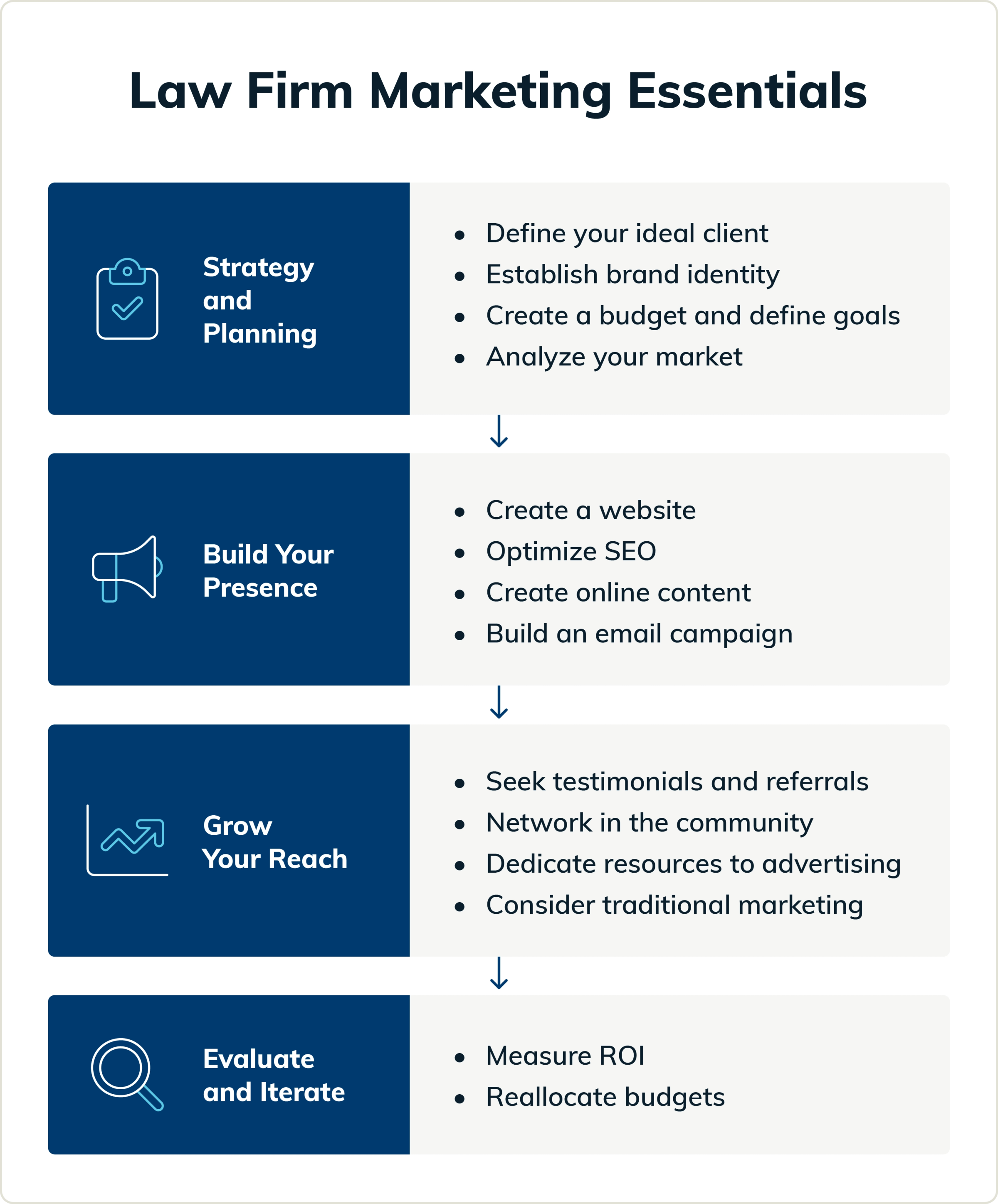
This section examines effective marketing strategies specifically designed for legal professionals. These methods can enhance visibility and draw in clients.
Utilizing Pay-Per-Click Advertising Effectively
Pay-per-click (PPC) advertising is a potent tool for attorneys seeking visibility in search engines. By zeroing in on specific keywords related to legal services, ads can appear when potential clients search relevant terms. For example, using phrases like “personal injury lawyer near me” can drive qualified traffic to your website.
In 2024, legal services accounted for approximately 12% of total PPC spending. This underscores its crucial role in client acquisition. Carefully managing your budget and optimizing ad copy often yields a return on investment (ROI) that far exceeds initial costs.
Engaging in Local SEO Practices for Geographical Targeting
Local Search Engine Optimization (SEO) is vital for attorneys who serve clients in specific geographical locations. To optimize a website for local search, several key practices should be implemented:
- Incorporating location-based keywords into website content.
- Creating and optimizing a Google My Business profile.
- Encouraging client reviews on platforms like Google and Yelp.
Statistics indicate that businesses engaging in local SEO can see a 28% increase in foot traffic. This illustrates the significance of local visibility in attracting clients.
Creating Informative Webinars and Workshops
Webinars and workshops provide excellent platforms for attorneys to demonstrate expertise and foster relationships with potential clients. Offering free sessions on relevant legal topics positions attorneys as thought leaders in their field. This not only delivers value but also opens opportunities for direct engagement with attendees.
Promoting these events through social media and email marketing can boost attendance and increase client inquiries. In fact, 60% of participants in legal webinars reported reaching out to the presenter for further assistance.
Developing a Strong Brand Identity and Messaging
A cohesive brand identity is essential for standing out in a competitive legal market. This includes having a professional logo, a user-friendly website, and consistent messaging across all platforms. Attorneys must clearly communicate their unique value proposition — potential clients need to understand what differentiates them from competitors.
In 2026, firms with a strong brand identity saw a 35% increase in client retention. This demonstrates the long-term advantages of effective branding.
Beyond the Basics: Many attorneys underestimate the importance of content marketing. Regularly publishing articles, blogs, or videos that address common legal questions can enhance credibility. Some believe that only traditional advertising methods will do; however, a comprehensive digital presence is crucial in today’s market. Creating valuable content can promote trust and establish a connection long before potential clients seek services (this is often overlooked).
To implement these strategies effectively, attorneys should take the following actionable steps:
- Allocate a budget for PPC campaigns and select specific keywords.
- Optimize the website for local SEO by incorporating geographical keywords.
- Plan and promote at least one webinar or workshop each quarter.
- Develop a brand identity that clearly conveys your unique value proposition.
By integrating these marketing strategies, attorneys can significantly improve their chances of attracting and retaining clients, paving the way for growth and success in their practice.
Frequently Asked Questions
What are the best ways for attorneys to find clients?
Attorneys can find clients through targeted marketing strategies, networking events, and establishing a strong online presence. Building a professional website and utilizing SEO can also enhance visibility and attract potential clients.
How important is networking for attorneys?
Networking is crucial for attorneys as it helps build relationships and trust within the community. Effective networking can lead to referrals and new client opportunities, making it an essential part of client acquisition.
What role does social media play in attracting clients for attorneys?
Social media serves as a powerful tool for attorneys to engage with potential clients and showcase their expertise. By sharing valuable content and participating in discussions, attorneys can enhance their visibility and credibility in their practice areas.
How can attorneys leverage client referrals?
Attorneys can leverage client referrals by providing exceptional service and encouraging satisfied clients to recommend them to others. Implementing a formal referral program can also incentivize clients to refer new business.
What are common mistakes attorneys make when trying to get clients?
Common mistakes include neglecting to follow up with leads, failing to establish a strong online presence, and not utilizing their existing network effectively. Additionally, attorneys may overlook the importance of clear communication and client relationship management.
Final Thoughts on how to get clients as an attorney
Attracting clients as an attorney hinges on a multifaceted approach that combines a robust online presence, strategic networking, and the cultivation of client referrals. By implementing these proven strategies, attorneys can significantly enhance their visibility and credibility in a competitive market.
As a practical next step, attorneys should immediately assess and optimize their online profiles, ensuring they reflect their expertise and are accessible across multiple platforms to maximize client engagement.
Ready to elevate your law practice? Consider partnering with a google ads expert who can help you attract more clients and grow your business.
Mastering client acquisition is not merely advantageous; it is essential for sustained success in the legal profession.