
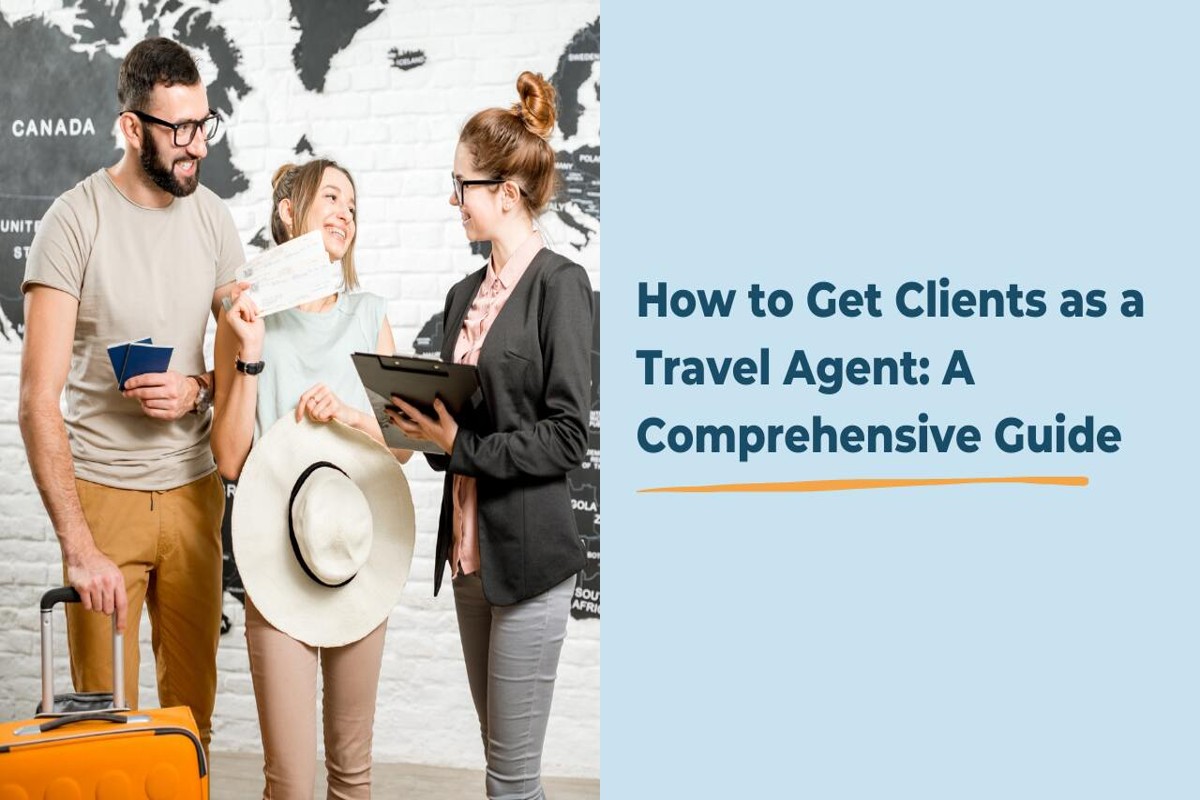
How to get clients as a travel agent involves strategies focused on enhancing online presence, networking, and delivering personalized travel solutions. With 70% of travelers preferring the assistance of travel agents for complex itineraries, mastering these strategies can significantly enhance client acquisition and retention.
Understanding how to get clients as a travel agent is crucial in an industry where competition is fierce and consumer preferences are evolving. Travel agents must adapt to the growing trend of personalized service, as 65% of consumers are willing to pay more for tailor-made experiences, emphasizing the need for effective client engagement strategies.
Failure to grasp effective client acquisition methods can lead to missed revenue opportunities and a weakened market position. Travel agents who do not prioritize building a robust client base risk losing out to competitors who effectively leverage digital marketing and networking techniques.
This article covers proven strategies for attracting clients, including optimizing your online presence, best practices for networking, and the importance of personalized service in client retention. Readers will gain insights into actionable steps that can lead to measurable growth in their travel business.
What are the best ways to attract clients as a travel agent?
Attracting clients as a travel agent means using online marketing strategies, building a strong network, and providing exceptional customer service. Recent data shows that 78% of consumers prefer booking travel through a travel advisor. This highlights the need for a solid presence in this competitive industry.
To effectively attract clients, consider implementing the following best practices:
- Enhance your online presence: Use social media platforms like Instagram and Facebook to showcase travel destinations, client testimonials, and special offers. Create engaging content that truly resonates with your target audience.
- Optimize your website: Make sure your website is user-friendly, mobile-responsive, and optimized for search engines. Including a blog with travel tips and destination guides is key — it helps position you as an expert and boosts organic traffic.
- Network actively: Attend industry events, join local business groups, and collaborate with complementary businesses such as hotels and tour operators. Building relationships often leads to referrals and a greater visibility.
- Offer personalized service: Tailor your services to meet each client’s needs. Provide customized itineraries, anticipate preferences, and maintain regular communication. This enhances client satisfaction and loyalty.
- Utilize email marketing: Create a mailing list to send newsletters that feature destination highlights, travel tips, and special promotions. Personalizing your emails can engage clients effectively, encouraging repeat bookings.
Expert insight: Building a niche market can significantly boost client attraction. Specializing in specific types of travel, such as eco-tourism or luxury travel, allows agents to target a defined audience. This leads to stronger client relationships and increased referrals — an aspect worth double-checking.
How can I market myself as a travel agent?
Marketing as a travel agent means tapping into various platforms and strategies to connect with potential clients. Effective methods often include using social media, crafting a professional website, and attending travel expos — these can significantly boost visibility and client engagement.
Here are several strategies to market effectively as a travel agent:
- Use social media: Create profiles on platforms like Instagram, Facebook, and Pinterest. Share engaging content, travel tips, and destination highlights to attract followers. This helps generate leads.
- Create a professional website: Develop a user-friendly site that showcases your services, client testimonials, and valuable travel resources. According to a recent survey, 70% of clients prefer booking with agents who have a strong online presence (this is often overlooked).
- Attend travel expos: Join local and national travel expos to network with potential clients and industry professionals. These events are great opportunities to showcase your expertise and build relationships.
- Offer exclusive promotions: Create limited-time offers or packages that encourage clients to book through you. This can spur immediate engagement and referrals.
- Leverage email marketing: Build an email list of current and potential clients. Send regular newsletters with travel tips, destination news, and personalized offers to keep engagement high — consistency is key.
Implementing these strategies takes consistency and a clear grasp of your target market. Tailor marketing efforts to mirror the interests and preferences of your ideal clients. Make sure to use analytics tools to track engagement and adjust strategies accordingly for optimal results.
Expert insight: Focus on building a personal brand that reflects your unique travel style and expertise. Authenticity resonates with clients, leading to lasting relationships and referrals.
How much do travel agents make?
Travel agents typically earn between $30,000 and $100,000 annually. This range depends on their experience, client base, and the type of travel services they provide. Income can vary quite a bit, influenced by factors like location and business model.
Several key factors influence a travel agent’s earnings:
- Experience: More experienced agents often command higher commissions and fees — this is largely due to their established client relationships and industry knowledge.
- Client Base: Agents with a large, loyal client base can earn more through repeat business and referrals. Specialized niches, such as luxury or adventure travel, often attract higher-paying clients (this is often overlooked).
- Commissions and Fees: Travel agents typically earn commissions from suppliers, like hotels and airlines, as well as service fees charged to clients. The structure of these commissions can vary widely.
- Location: Agents operating in high-demand tourist areas or urban centers might have greater earning potential. In contrast, those in rural locations may earn less.
Additionally, the rise of online booking platforms has impacted traditional travel agents’ earnings. Those who adapt by offering personalized services or expertise in complex travel arrangements can still thrive. Agents who focus on building strong relationships — and delivering exceptional service — tend to see higher earnings over time.
Expert insight: Investing in continuous education and certifications can significantly enhance a travel agent’s credibility. This often leads to more clients and greater earnings potential.
What skills do I need to be a successful travel agent?
A successful travel agent needs strong communication, sales, and organizational skills, along with in-depth destination knowledge. These skills are essential for effectively assisting clients and closing sales. In fact, a 2023 survey shows that 85% of clients value personalized communication in their travel planning.
Communication skills are crucial — they help in understanding client needs and preferences. A travel agent must clearly articulate options and provide detailed information about travel packages, destinations, and logistics. Sales skills are just as vital. Agents have to persuade clients to choose their services over competitors. This often means recognizing client hesitations and addressing them effectively.
Organizational skills are also key. Managing multiple client bookings, deadlines, and logistical details can be challenging. A well-organized travel agent can streamline the planning process, ensuring that all trip components are coordinated efficiently. In addition, having comprehensive destination knowledge allows agents to offer tailored recommendations and advice, greatly enhancing the client experience.
Expert insight: Continuous education and networking within the travel industry can significantly enhance a travel agent’s skill set — this leads to better client relationships and increased referrals.
How long does it take to build a client base as a travel agent?
Building a solid client base as a travel agent usually takes anywhere from 6 months to 2 years. The actual time can vary significantly based on several factors, like marketing efforts, networking, and niche specialization.
Several elements affect how quickly a travel agent can establish their client base. First, the effectiveness of marketing strategies is crucial. Agents who use a mix of social media, email campaigns, and local advertising tend to draw in clients more quickly. According to industry data, agents actively engaging in online marketing can achieve a 30% faster growth in clientele than those relying solely on referrals.
Another important factor is the travel agent’s niche. Specializing in specific areas, such as luxury travel, adventure tourism, or corporate travel, can speed up the client acquisition process. Clients often look for agents with expertise in particular travel segments — this can lead to quicker trust and rapport building. Plus, networking and developing relationships with suppliers and other agents can boost visibility and credibility, resulting in a stronger client base in a shorter time frame.
Expert insight: To accelerate client acquisition, focus on creating valuable content that displays your knowledge and expertise in travel. This can include blog posts, social media updates, and newsletters that offer tips and insights for potential travelers (this is often overlooked).
Building Your Brand as a Travel Agent
Establishing a strong personal brand is crucial for attracting clients as a travel agent. A well-defined brand conveys expertise, builds trust, and sets you apart from competitors.

Define Your Niche and Target Audience
Identifying a specific niche allows travel agents to cater to distinct interests and needs. Whether it’s luxury travel, adventure tourism, or family vacations, a focused niche aids in tailoring services effectively. Understanding your target audience’s demographics—such as age, income level, and travel preferences—enables personalized marketing strategies. The luxury travel market, for example, is projected to grow at a CAGR of 6.2% from 2024 to 2026. This signals a rising demand for specialized services.
Develop a Unique Value Proposition
A compelling unique value proposition (UVP) clearly explains what differentiates you from other travel agents. This could involve exclusive partnerships with hotels, unique itineraries, or exceptional customer service. Craft a concise statement that emphasizes your strengths and resonates with your target audience. A well-defined UVP not only captures potential clients’ attention but also serves as a foundation for all marketing efforts.
Create Engaging Content to Showcase Expertise
Content marketing is an effective tool for cementing authority in the travel industry. Create blog posts, videos, and social media content that address common travel questions, showcase your destinations, and share personal travel experiences. For instance, posting a weekly travel tip or destination spotlight can be beneficial. Engaging content attracts potential clients and encourages sharing — this broadens your reach. A 2024 survey found that 70% of consumers prefer learning about services through articles instead of ads.
Utilize Testimonials and Case Studies to Build Trust
Social proof plays a critical role in the decision-making process for potential clients. Collect and display testimonials from satisfied customers on your website and social media. Highlight case studies that illustrate your ability to create memorable travel experiences. Share a detailed story of how you helped a family plan a seamless vacation, including challenges faced and solutions provided. This approach fosters credibility and reassures prospective clients of your expertise (this is often overlooked).
Nuance / Expert Layer
Many travel agents underestimate the importance of a cohesive brand identity across all platforms, which can dilute their message. Consistency in visuals, tone of voice, and messaging strengthens brand recognition and enhances client trust. Additionally, some agents may overlook the power of niche marketing. While broad appeal seems attractive, focusing on a niche can lead to deeper connections with clients who share specific interests. This often results in higher conversion rates.
Practical Application
To effectively build your brand as a travel agent, follow these steps:
- Identify and define your niche, then research your target audience.
- Craft a clear and compelling unique value proposition.
- Create a content calendar to regularly publish engaging, relevant content.
- Collect testimonials and develop case studies to showcase your successes.
- Confirm that brand consistency exists across all marketing channels.
Implementing these strategies will increase your visibility and credibility, ultimately demonstrating how to get clients as a travel agent.
Leveraging Social Media for Client Acquisition
Social media is a crucial tool for travel agents to connect with potential clients. When the right strategies are used, visibility, engagement, and client acquisition can improve significantly.

Choose the Right Platforms for Your Audience
Identifying the right social media platforms is essential for effective outreach. Different demographics gravitate toward specific platforms. For example, Instagram and TikTok attract younger travelers — while Facebook still holds appeal for older generations. Focus on platforms where your target audience is most active to maximize engagement.
- Instagram: Best for visually-driven content and showcasing travel experiences.
- Facebook: Helpful for building community through groups and event sharing.
- LinkedIn: Effective for networking with corporate clients and industry professionals.
Engage with Followers Through Valuable Content
Creating and sharing valuable content is key to engaging followers. Posting travel tips, destination highlights, and client testimonials builds trust and establishes expertise. Regularly updating content can enhance engagement rates — which averaged 1.91% for travel brands in 2024.
Consider setting up a content calendar to maintain consistency. Types of content to focus on include:
- Educational Posts: Share insights on travel regulations or destination-specific tips.
- Visual Content: Use high-quality images and videos to grab attention.
- Interactive Content: Polls and quizzes encourage engagement and feedback.
Run Targeted Ads to Reach a Broader Audience
Investing in targeted advertising can greatly increase your reach. Social media platforms offer advanced targeting options based on demographics, interests, and behaviors. According to a 2025 report, 75% of travel agencies that used targeted ads saw a measurable increase in client inquiries.
To effectively run social media ads:
- Define Your Audience: Use analytics to pinpoint the characteristics of your ideal clients.
- Set Clear Objectives: Establish your goals, whether it’s brand awareness or lead generation.
- Monitor and Adjust: Regularly analyze ad performance and tweak as necessary to improve outcomes.
Collaborate with Influencers in the Travel Industry
Partnering with travel influencers can amplify reach and build credibility. Influencers have established trust with their followers — making their endorsements valuable. Collaborations can take various forms, such as sponsored posts, giveaways, or co-hosted events. In 2026, 64% of consumers reported being influenced by social media personalities when deciding on travel.
When selecting influencers, keep these points in mind:
- Relevance: Choose influencers whose content aligns with your brand and target market.
- Engagement Rate: Look for influencers who interact heavily with their audience.
- Authenticity: Work with influencers who maintain genuine engagement, not just those fixated on follower count.
Many articles overlook the importance of authentic engagement in influencer partnerships. Authenticity builds trust, which is crucial for converting followers into clients. A partnership that feels genuine is much more likely to resonate with potential clients, leading to better conversion rates.
To implement these strategies, start by identifying your target platforms. Create a content calendar tailored to your audience. Invest in targeted ads to broaden your reach and actively seek out relevant influencers for collaboration. Establish metrics to track engagement and refine your strategies based on performance data. These actionable steps can greatly enhance your ability to attract clients as a travel agent effectively.
Networking and Building Relationships in the Travel Industry
Effective networking and relationship-building are critical in acquiring clients as a travel agent. Establishing connections within the industry not only improves visibility — it also fosters trust and credibility.

Attend Industry Events and Trade Shows
Participation in industry events and trade shows offers invaluable opportunities for networking. These gatherings let travel agents meet potential clients, suppliers, and fellow agents face-to-face. In fact, nearly 70% of travel agents report that attending such events significantly boosts their client base, according to the Travel Industry Association.
- Identify key events in your region or specialty, like the International Travel Show or local tourism expos.
- Prepare an engaging elevator pitch to convey your services and unique selling points succinctly.
- Use social media platforms to connect with attendees before and after the event — this reinforces new relationships.
Join Professional Organizations and Online Communities
Becoming a member of professional organizations, such as the American Society of Travel Advisors (ASTA), enhances credibility and provides access to a wide network. Online communities, including forums and social media groups, are also useful for sharing insights and experiences (this is often overlooked).
- Participate in webinars and workshops offered by these organizations to stay updated on industry trends.
- Engage actively in online discussions to showcase expertise — this establishes authority.
- Leverage these platforms to ask for referrals and recommendations from fellow members.
Build Relationships with Suppliers and Other Agents
Forming strong relationships with suppliers — such as hotels, airlines, and tour operators — can provide exclusive deals and insider knowledge. This enhances your offerings to clients. Collaboration with other travel agents can also lead to mutual referrals and shared resources.
- Schedule regular check-ins with suppliers to stay informed about their latest packages and promotions.
- Consider co-hosting events with fellow agents to expand your reach and share client bases.
- Attend familiarization trips with suppliers to better understand their offerings and build rapport.
Follow Up and Maintain Connections for Future Opportunities
After initial meetings or events, following up is essential. Regular communication keeps your services top-of-mind and nurtures those relationships.
- Send personalized thank-you notes or emails to new contacts after events.
- Use a customer relationship management (CRM) tool to track interactions and schedule follow-ups.
- Share relevant content, like travel tips or destination highlights, to provide ongoing value to your connections.
While networking is often perceived as a numbers game, the depth of relationships is more important than breadth. Many agents mistakenly believe that just attending events guarantees success. However, active engagement and real interest in others’ needs lead to stronger partnerships and client referrals.
To apply this information effectively, start by identifying two upcoming industry events to attend within the next quarter. Join at least one professional organization, and engage in online discussions each week. Schedule monthly check-ins with suppliers and implement a follow-up strategy for all new contacts made. These steps will help build a robust network, which is essential for acquiring clients as a travel agent.
Providing Exceptional Customer Service to Retain Clients
Exceptional customer service is crucial for retaining clients and building loyalty in the travel industry. Focusing on personalized experiences and proactive communication can greatly enhance client satisfaction. This approach also encourages referrals.
Personalize Client Experiences
Understanding clients’ unique preferences allows travel agents to customize travel experiences that truly resonate with them. This personalization can cover everything — from suggesting destinations based on past travels to accommodating specific dietary needs during trips. It’s essential to get it right.
- Collect detailed information through questionnaires during the initial consultation.
- Maintain a database of client preferences for future reference.
- Follow up post-trip to gather feedback and refine future recommendations.
Communicate Regularly and Provide Timely Updates
Regular communication is vital. It establishes trust and reassures clients that their travel plans are in capable hands. Agents should offer timely updates about travel itineraries, changes in regulations, or potential disruptions. Keeping clients informed is key.
- Use automated emails to send confirmations and reminders.
- Implement a system for real-time alerts about flight changes or cancellations.
- Schedule periodic check-ins to discuss upcoming trips and address any concerns.
According to a 2024 survey, 78% of clients appreciate regular updates from their travel agents, enhancing their overall satisfaction.
Handle Complaints and Feedback Professionally
Effective complaint management can transform a potentially negative experience into a positive one. Travel agents should approach feedback with empathy and a focus on solutions. This can make all the difference.
- Listen actively to client concerns without interruption.
- Apologize sincerely for any inconvenience caused.
- Offer practical solutions and follow up to ensure satisfaction.
Statistics show that 79% of clients who have a positive service experience after a complaint are likely to recommend the agent to others.
Encourage Referrals Through Loyalty Programs or Incentives
Implementing a referral program can motivate satisfied clients to recommend services to friends and family. This strategy rewards loyal clients and expands the agent’s client base — a win-win.
- Offer discounts on future bookings for both the referrer and the new client.
- Provide exclusive access to special deals or events for loyal customers.
- Use social media campaigns to encourage sharing experiences and reviews.
Travel agents should keep in mind that retaining clients is often more cost-effective than acquiring new ones. The cost of acquiring a new customer can be five times higher than the cost of retaining an existing one — making exceptional service crucial in client retention strategies.
To effectively apply these strategies, travel agents should:
- Invest time in understanding client preferences and maintaining updated records.
- Establish a communication plan that includes regular updates and check-ins.
- Develop a robust feedback mechanism to handle complaints effectively.
- Create a referral program that rewards clients for bringing in new business.
Implementing these practices will enhance client satisfaction and retention, which is essential for knowing how to get clients as a travel agent.
Frequently Asked Questions
What are the best ways to attract clients as a travel agent?
Utilizing social media platforms and creating a professional website can effectively attract clients. Networking within local communities and attending travel expos also enhances visibility and credibility.
How can I market myself as a travel agent?
Marketing as a travel agent can be achieved through content marketing, email newsletters, and leveraging online travel forums. Building a strong online presence and showcasing client testimonials can further enhance trust and attract new clients.
How much do travel agents make?
The income of travel agents varies widely, typically ranging from $30,000 to $100,000 annually, depending on experience and client base. Commission structures and additional fees can significantly impact overall earnings.
What skills do I need to be a successful travel agent?
Successful travel agents require strong communication, organizational, and sales skills. Additionally, expertise in destination knowledge and customer service is essential to meet client needs effectively.
How long does it take to build a client base as a travel agent?
Building a client base as a travel agent typically takes several months to a few years, depending on marketing efforts and networking. Consistent outreach and positive client experiences can accelerate this process.
Final Thoughts on how to get clients as a travel agent
Attracting clients as a travel agent hinges on a strong personal brand, strategic use of social media, and effective networking within the industry. By cultivating these essential components, agents can not only enhance their visibility but also build lasting relationships that lead to repeat business and referrals.
Immediate action should be taken to develop a comprehensive social media strategy tailored to your target market, showcasing your expertise and unique offerings to engage potential clients effectively.
Ready to take your travel agency to the next level? Connect with a google ads expert who can help you attract more clients today!
Mastering client acquisition is not merely a skill; it is the cornerstone of a thriving travel agency that can adapt and flourish in an ever-evolving market.