
How to get clients as a realtor involves implementing strategies that enhance visibility and credibility in the real estate market. By building a strong online presence, leveraging social media, and actively networking within the community, realtors can significantly increase their client base. According to the National Association of Realtors, 44% of buyers found their agent through a referral, highlighting the importance of relationship-building in this industry.
Understanding how to attract clients as a realtor is crucial for success in a competitive market. Real estate professionals must effectively engage potential buyers and sellers to establish a sustainable business. Failure to implement effective client acquisition strategies can lead to lost opportunities and decreased market share, especially in a sector where 89% of agents report that referrals are their primary source of new business.
Neglecting to master client acquisition can result in significant financial losses, wasted marketing resources, and a diminished competitive edge. Realtors who do not actively seek new clients may struggle to maintain profitability and grow their business in an increasingly crowded marketplace.
This article will explore proven strategies for realtors, including best practices for online marketing, effective use of social media, and techniques for building a robust local network. Readers will gain insights into actionable steps to enhance their client acquisition efforts and expand their real estate business.
What are effective ways to get clients as a realtor?
Attracting clients as a realtor involves several effective strategies — including leveraging social media, networking within the community, and using referrals. According to the National Association of Realtors, around 40% of home buyers found their agent through a referral in 2023. This underscores how crucial relationship-building is in this industry.
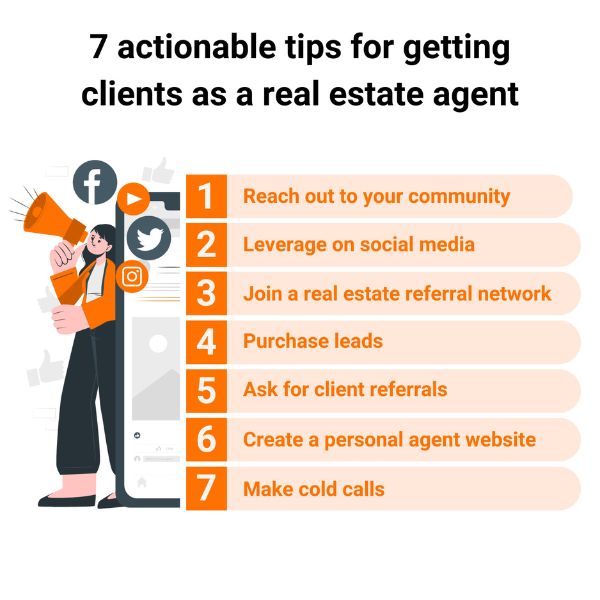
1. Use Social Media: Establish a strong presence on platforms like Instagram, Facebook, and LinkedIn. Regularly post engaging content that includes market updates, property showcases, and client testimonials to draw potential clients in.
2. Network Locally: Attend community events and actively engage with local organizations. Building relationships with residents and other businesses can significantly enhance your visibility and credibility as a trusted realtor.
3. Leverage Referrals: Encourage satisfied clients to refer their friends and family. Implement a referral program that rewards clients for successful introductions — this can motivate them to spread the word about your services.
4. Optimize Your Website: Make sure your website is user-friendly and optimized for search engines. Include valuable resources like blogs and market analysis to position yourself as an industry expert. This makes it easier for potential clients to find you.
5. Host Open Houses: Conduct open houses not just for selling properties, but also for networking. Use these events to connect with potential buyers and sellers, showcasing your expertise and personal approach.
6. Partner with Local Businesses: Collaborate with local businesses, such as mortgage brokers and home improvement stores, to cross-promote services. This can broaden your reach and establish you as a community player (this is often overlooked).
Expert insight: Focus on building long-term relationships instead of just closing transactions. A strong client base often leads to repeat business and a steady stream of referrals — ensuring sustainable growth in a real estate career.
How can social media help realtors find clients?
Social media platforms are vital tools for realtors looking to connect with potential clients and generate leads. Around 70% of real estate agents say social media effectively attracts new clients. This makes it a crucial part of contemporary real estate marketing strategies.
Realtors can use platforms like Facebook and Instagram to showcase properties and engage their audience. For example, a realtor might host a Facebook Live event to offer virtual tours of new listings. This not only allows potential clients to check out properties from the comfort of their homes — it also encourages real-time interaction. Viewers can ask questions, show interest, and even schedule private showings during the event. This engagement fosters a sense of community.
Moreover, LinkedIn can be used to build professional relationships and establish credibility in the industry. A realtor can share informative articles about market trends, home-buying tips, or local real estate news (this is often overlooked). By positioning themselves as knowledgeable experts, they can attract a following of potential clients who appreciate their insights. Regular engagement through posts, comments, and networking can lead to referrals — or even direct inquiries from interested buyers or sellers.
Expert insight: Consistent and authentic engagement on social media is essential. Tailoring content to reflect local market conditions and personalizing interactions can significantly improve client relationships and boost lead generation.
What is the best way to network as a realtor?
The best way to network as a realtor is to engage actively in both online and offline communities to forge meaningful relationships. A study from the National Association of Realtors shows that 82% of real estate clients prefer working with agents recommended by friends or family — highlighting just how crucial personal connections can be.
Effective networking uses a variety of strategies that capitalize on personal interactions and digital platforms. Start by attending local real estate events and community gatherings to meet potential clients and fellow professionals. Building rapport in person fosters trust development, which is essential in real estate transactions. Also, joining local business organizations or chambers of commerce can broaden your network and boost visibility in the community.
- Use social media: Platforms like LinkedIn, Facebook, and Instagram can serve as powerful tools for connecting with clients and showcasing listings. Regularly post valuable content — like market updates and home-buying tips — to engage your audience. This is often overlooked.
- Host open houses and community events: Organizing events not only showcases properties but also encourages local residents to participate. This interaction can lead to referrals and new clients, since attendees often share their experiences with others.
- Follow up consistently: After meeting new contacts, send personalized follow-up messages. This could be a simple thank-you note or an email that provides additional resources. Consistent communication helps solidify relationships and ensures you stay top-of-mind.
- Leverage existing relationships: Always ask for referrals from past clients, friends, or family. A referral can be more effective than cold outreach — it comes with built-in trust.
Expert insight: Focus on nurturing relationships rather than just collecting contacts. Long-term connections can lead to repeat business and a steady stream of referrals. Networking should be a continual process, not just a one-time effort.
How much does it cost to market yourself as a realtor?
Marketing costs for realtors typically range from $500 to $10,000 annually, depending on the strategies used and the market conditions. On average, most realtors spend between $1,500 and $3,000 each year on marketing efforts to attract clients.
Several factors influence these costs — and they can vary widely. The type of marketing channels used plays a big role. Traditional advertising methods, like print ads and direct mail, usually come with higher expenses. In contrast, digital marketing strategies, such as social media and email campaigns, tend to be more budget-friendly. Additionally, the competitiveness of the local market can impact spending; realtors in high-demand areas often invest more to stand out.
- Advertising Channels: Costs can vary significantly based on the choice between print, online ads, or social media platforms.
- Geographical Market: Realtors in urban areas typically encounter higher marketing costs than those in rural markets.
- Brand Development: Investment in professional branding — including logos and websites — can heavily influence initial expenditures.
Beyond direct costs, realtors should factor in potential returns on investment (ROI). Initial marketing expenses might seem steep at first, but effective strategies can lead to a substantial boost in client leads and sales. Prioritizing high-impact marketing strategies tailored to target demographics can optimize spending and enhance visibility.
Expert insight: Focus on digital marketing channels that allow precise targeting and tracking of ROI, as these often provide the best balance — both in cost and effectiveness.
How long does it take to get clients as a new realtor?
New realtors typically start acquiring clients within 3 to 6 months after entering the industry. Still, this timeline varies significantly based on several factors — including location, personal networking skills, and marketing efforts.
Several elements influence how quickly a new realtor can build a client base. First, the local real estate market plays a crucial role. In high-demand areas, new agents might secure clients faster, thanks to increased buyer activity. On the flip side, in slower markets, establishing a presence and attracting clients can take longer. Second, a realtor’s prior experience in sales or customer service can speed things up. Those with strong interpersonal skills and existing networks often find it easier to connect with potential clients.
Marketing strategies also significantly impact client acquisition time. Realtors who invest in online marketing, social media presence, and community engagement can generate leads more quickly. Building a personal brand — along with showcasing expertise through content creation, such as blogs or videos — can enhance visibility and credibility in the market. Joining local real estate associations and participating in networking events can lead to valuable connections and referrals, too (this is often overlooked).
Expert insight: New realtors should focus on building relationships and leveraging technology to enhance their outreach. Effective networking and targeted marketing can substantially reduce the time it takes to gain clients.
What are common mistakes realtors make when trying to get clients?
Realtors often make crucial mistakes that undermine their ability to attract clients. Some estimates suggest that nearly 70% of new realtors fail within their first five years — this often happens due to ineffective client acquisition strategies. Understanding these pitfalls can significantly improve client engagement and retention.
One common mistake is not establishing a strong online presence. In today’s world, where 90% of home buyers begin their search online, lacking a professional website or active social media profiles can push potential clients away. Realtors often overlook local SEO strategies — which can severely limit their visibility in search engine results.
- Inconsistent Marketing Efforts: Many realtors treat marketing as an afterthought. It’s vital to regularly update listings, engage on social media, and distribute newsletters. These steps keep potential clients thinking of you.
- Neglecting Networking Opportunities: Failing to build relationships within the community can be harmful. Attending local events, joining professional organizations, and collaborating with other local businesses can open doors to new client referrals — this is often overlooked.
- Overpromising and Underdelivering: Some realtors set unrealistic expectations to gain clients, only to disappoint them later. It’s essential to provide honest appraisals of market conditions and property values. This builds trust and credibility.
- Ignoring Follow-Up: After an initial contact, many realtors don’t follow up effectively. A structured follow-up strategy can keep leads engaged and increase the likelihood of converting them into clients.
Expert insight: Focus on building genuine relationships instead of viewing every interaction as a transaction. This approach fosters trust and can lead to long-term client loyalty.
Can referrals help realtors get more clients?
Yes, referrals are a powerful tool for realtors to gain more clients. They often account for up to 40% of new business in the real estate sector. Referrals happen when satisfied clients recommend a realtor to their friends, family, or colleagues — significantly enhancing credibility and trust.
Referrals in real estate come from positive experiences that past clients have had with a realtor. When clients are confident in a realtor’s abilities, they’re more likely to share their experiences within their networks. This word-of-mouth marketing is invaluable. Consumers often trust personal recommendations more than traditional advertising. According to the National Association of Realtors, 73% of buyers find their agent through referrals — a statistic that highlights the effectiveness of this strategy.
Several factors influence the success of referral generation in real estate. These include:
- Client Satisfaction: The quality of service provided is crucial. Realtors who exceed client expectations are much more likely to receive referrals.
- Follow-Up: Consistent follow-up with past clients is important. It can keep the realtor top-of-mind, making it easier for clients to refer them when opportunities arise.
- Networking: Actively participating in community events and professional organizations can broaden a realtor’s network. This increases the likelihood of receiving referrals — a strategy worth considering.
Additionally, establishing a referral program can incentivize clients to refer others. Offering rewards such as gift cards or discounts on future services can genuinely motivate clients to spread the word. Realtors can also leverage social media platforms to showcase their successes and client testimonials, further encouraging referrals.
Expert insight: Building strong relationships with clients and maintaining consistent communication are essential strategies for maximizing referral potential in real estate. A well-timed thank-you note or a personal check-in can turn satisfied clients into enthusiastic advocates — something worth double-checking.
What marketing strategies are best for realtors?
Effective marketing strategies for realtors include social media marketing, email marketing, and local SEO. Each approach comes with distinct advantages that can greatly enhance client acquisition. For instance, a recent survey found that 77% of real estate agents successfully gained clients through social media platforms.
Social media marketing lets realtors connect with potential clients on platforms like Facebook, Instagram, and LinkedIn. It allows for sharing listings, client testimonials, and industry insights — fostering personal connections. However, the effectiveness of social media depends on ongoing engagement and targeted advertising. This can demand significant time investment.
Email marketing remains a powerful tool for nurturing leads. By sending regular newsletters and market updates, realtors can stay top-of-mind with potential clients. Personalization is crucial; segmented email lists often lead to higher open rates and engagement. Yet, the success of email marketing hinges on the quality of the email list and the relevance of the content provided.
Local SEO focuses on optimizing online presence to attract clients searching for real estate services in specific areas. This strategy involves using Google My Business, local keywords, and online reviews to boost visibility in search results. While local SEO can provide long-term benefits, results may take time to materialize — especially when compared to the quicker returns seen with social media and email marketing.
- Social Media Marketing: High engagement, quick visibility — but requires consistent effort.
- Email Marketing: Effective for nurturing leads, highly personalized, yet dependent on list quality.
- Local SEO: Long-term visibility, cost-effective, but requires time and ongoing optimization.
Expert insight: Combining these strategies can yield the best results. For example, promoting email sign-ups through social media can enhance both client engagement and lead nurturing.
Building an Online Presence: Essential Steps
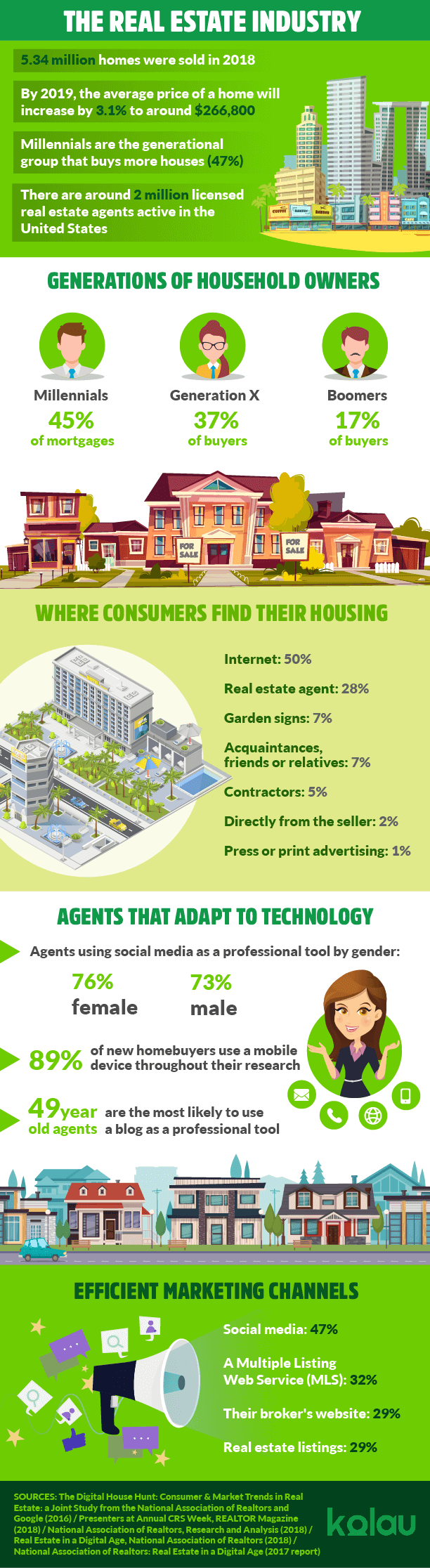
Establishing a robust online presence is critical for attracting clients in the real estate market. A well-crafted digital identity not only showcases properties; it also builds trust and credibility with potential buyers and sellers.
Creating a Professional Website with Listings
Developing a professional website serves as the cornerstone of your online identity. A well-designed site should feature:
- High-Quality Listings: Include detailed descriptions, high-resolution images, and virtual tours to engage visitors.
- User-Friendly Navigation: Make sure there’s easy access to listings, contact information, and resources.
- Mobile Responsiveness: Optimize the website for mobile devices — over 50% of property searches happen on smartphones.
Approximately 81% of homebuyers conduct their property searches online. An effective website is indispensable.
Utilizing SEO Techniques to Improve Visibility
Search Engine Optimization (SEO) enhances your website’s visibility on search engines, increasing the likelihood of attracting potential clients. Key SEO strategies include:
- Keyword Research: Identify relevant keywords like “homes for sale in [your area]” to effectively target your audience.
- On-Page SEO: Optimize title tags, meta descriptions, and headers to improve ranking.
- Local SEO: Claim your Google My Business listing and encourage client reviews — this boosts local search visibility.
According to recent studies, businesses that prioritize local SEO can see a 28% increase in foot traffic and inquiries.
Engaging in Content Marketing through Blogs and Videos
Content marketing builds authority and engages potential clients. Incorporating blogs and videos into your strategy can be highly effective:
- Blogging: Write informative articles about market trends, buying tips, and neighborhood guides to attract organic traffic.
- Video Marketing: Use platforms like YouTube to create property walkthroughs, client testimonials, and educational content.
Research indicates that video content can increase engagement rates by up to 1200% — a powerful tool in your marketing arsenal.
Optimizing Social Media Profiles for Lead Generation
Social media platforms are essential for connecting with potential clients and generating leads. To optimize your profiles:
- Consistent Branding: Confirm that your branding is uniform across all platforms to establish recognition.
- Engagement: Regularly post updates, respond to comments, and engage with followers to build relationships.
- Targeted Ads: Use paid advertising options on platforms like Facebook and Instagram to reach specific demographics.
Statistics show that 74% of consumers rely on social media to guide purchasing decisions. This emphasizes the need for a strong presence.
Many realtors overlook the importance of local SEO (this is often overlooked), focusing instead on broader strategies. Local SEO is crucial because it directly targets potential clients in your area, increasing the likelihood of conversions. Misconceptions often arise regarding the effectiveness of social media; while essential, it must complement other strategies like SEO and content marketing for optimal results.
To effectively implement these strategies, start by creating a professional website with optimized listings. Next, invest time in learning SEO techniques, and apply them to your website and content. Develop a content calendar for blogs and videos that resonate with your audience. Actively manage your social media profiles to boost engagement. These actionable steps will significantly enhance your ability to get clients as a realtor.
Networking Strategies for Realtors: Expanding Your Reach
This section explores advanced networking tactics that can boost visibility and lead to client referrals and strategic partnerships for realtors. Effective networking remains a cornerstone for building a robust client base.
Attending Local Events and Real Estate Conferences
Participation in local events and real estate conferences is essential for realtors looking to broaden their network. These gatherings create chances to meet potential clients, industry peers, and influencers. Engaging in discussions, showing your expertise, and sharing insights can establish credibility — and attract referrals.
- Identify key local events like home shows, community festivals, and real estate expos.
- Prepare business cards and promotional materials that clearly communicate your services.
- Follow up with contacts made during these events to nurture relationships.
Building Relationships with Other Real Estate Professionals
Creating partnerships with other real estate professionals can greatly enhance referral networks. Collaborate with mortgage brokers, home inspectors, and appraisers who can recommend your services to their clients. This synergy often leads to mutual benefits and increased business.
- Attend networking gatherings specifically for real estate professionals.
- Join local real estate associations or groups to connect with peers.
- Offer to co-host events or webinars that showcase your combined expertise.
Leveraging Community Involvement for Visibility
Active involvement in community initiatives not only raises visibility but also fosters trust. Realtors participating in local charities, sponsoring events, or engaging in volunteer work enhance their reputation as community-minded professionals. This approach can lead to organic referrals from local community members.
- Choose causes that resonate with your values and those of your target market.
- Share your involvement on social media to highlight your commitment.
- Network with other volunteers to expand your reach and create potential client relationships.
Utilizing Online Networking Platforms like LinkedIn
Online networking platforms, especially LinkedIn, are invaluable for realtors seeking to connect with a broader audience. This platform allows for targeted outreach to potential clients and industry professionals. Regularly updating your profile and sharing relevant content can position you as an authority in real estate — and it’s essential to stay active.
- Join LinkedIn groups focused on real estate and actively participate in discussions.
- Post articles or insights that reflect your knowledge and expertise.
- Engage with connections by commenting on their posts and offering insights.
As of 2024, around 65% of real estate transactions involve referrals, underscoring the value of networking in securing clients. Realtors prioritizing networking report a 30% increase in client acquisition compared to those who don’t.
Many articles overlook the importance of maintaining relationships post-networking. The common misconception is that initial contact is enough; however, continuous engagement is vital. Regular follow-ups, check-ins, and sharing helpful resources can reinforce these connections and lead to future referrals.
To implement these strategies effectively, realtors should focus on attending at least two local events each quarter, establishing a partnership with one complementary business monthly, and actively engaging on LinkedIn by posting at least once a week. By following these actionable steps, realtors can significantly strengthen their networking efforts and ultimately learn how to get clients as a realtor more effectively.
Effective Marketing Techniques: From Traditional to Digital
This section looks at various marketing methods realtors can use to acquire clients, contrasting traditional techniques with modern digital strategies. Understanding the strengths and weaknesses of each approach is crucial — it shapes an effective client acquisition plan.

Traditional Marketing Methods
Traditional marketing techniques still play a vital role in the real estate sector, offering tangible ways to connect with potential clients. Common methods include:
- Flyers and Brochures: These printed materials can be distributed in targeted neighborhoods, showcasing properties and services offered. They work particularly well in local markets — direct mail can reach prospective buyers effectively.
- Open Houses: Hosting open houses lets realtors engage face-to-face with potential buyers. This personal interaction often creates lasting impressions and fosters trust.
- Networking Events: Attending local events, community gatherings, and industry conferences can help establish connections with both potential clients and industry professionals.
Despite the digital marketing boom, 60% of homebuyers in 2024 reported still preferring in-person interactions. This highlights the ongoing importance of traditional methods in client acquisition (something to keep in mind).
Digital Marketing Strategies
Digital marketing offers extensive reach — and targeted advertising capabilities. Key digital methods include:
- Social Media Advertising: Platforms like Facebook and Instagram allow realtors to run targeted ad campaigns. Ads can be customized for specific demographics, ensuring properties reach the right audience.
- Email Campaigns: Regular newsletters and personalized email blasts help nurture relationships with potential clients. Emails featuring new listings or market updates keep realtors top-of-mind and engaged.
- Search Engine Optimization (SEO): Enhancing website visibility through SEO can attract organic traffic from individuals searching for real estate services or listings online.
In 2025, over 70% of real estate leads came from online sources. This fact emphasizes the critical role of digital marketing in client acquisition strategies today.
Analyzing Effectiveness
Both traditional and digital marketing methods offer unique advantages. Traditional marketing excels in localized outreach and personal engagement. Meanwhile, digital marketing provides scalability and precise targeting. A study from 2026 showed that a well-rounded approach — combining both methodologies — led to a 30% increase in client acquisition for realtors.
Creating a Balanced Marketing Strategy
To maximize effectiveness, realtors should consider a balanced marketing strategy incorporating both traditional and digital techniques. This can involve:
- Identifying target demographics and selecting relevant marketing channels.
- Implementing a consistent branding message across all platforms.
- Monitoring and adjusting strategies based on performance metrics and client feedback.
Integrating multiple marketing approaches allows realtors to reach clients at different touchpoints, which enhances overall visibility and engagement.
Many articles overlook the necessity of adapting marketing strategies to changing market conditions. For instance, while digital marketing is on the rise, certain demographics — such as older clients — may respond better to traditional methods. Therefore, realtors must remain agile, refining their marketing mix based on client preferences and market dynamics (worth considering).
To effectively implement these insights, realtors should:
- Develop a marketing calendar that schedules both traditional and digital campaigns.
- Use analytics tools to assess digital strategy performance and adjust as necessary.
- Engage in community events while maintaining a strong online presence.
This proactive approach ensures realtors can effectively attract clients through a diverse range of marketing channels.
Tracking and Measuring Success: Metrics That Matter
This section explores essential metrics and tools realtors must use to effectively track their client acquisition efforts. Understanding and measuring success is critical — it helps refine strategies and optimize performance.
Identifying Key Performance Indicators (KPIs)
Identifying relevant key performance indicators (KPIs) is foundational for realtors aiming to quantify their client acquisition success. Key metrics include:
- Lead Conversion Rate: The percentage of leads that convert into clients. A typical conversion rate in real estate often ranges from 1% to 3%.
- Cost Per Lead: The total expenses incurred to acquire a new client. Effective realtors usually target a cost per lead between $100 and $300.
- Client Retention Rate: The percentage of clients who return for additional services or refer others. High-performing realtors usually maintain a retention rate above 60%.
Utilizing CRM Tools for Lead Management
Customer Relationship Management (CRM) tools play a crucial role in managing leads and follow-ups. These platforms streamline interactions and store vital client information. Effective CRM usage includes:
- Lead Segmentation: Categorizing leads based on readiness to buy, budget, and preferences.
- Automated Follow-Ups: Setting reminders and automating communication to ensure timely outreach.
- Performance Tracking: Monitoring the effectiveness of different marketing channels and strategies.
In 2024, approximately 70% of realtors reported using CRM software — highlighting its significance in maintaining a competitive advantage.
Evaluating Marketing ROI
To adjust client acquisition strategies effectively, realtors must evaluate the return on investment (ROI) of their marketing efforts. Key components of this evaluation include:
- Revenue Generated: Assessing how much revenue each marketing campaign generates compared to its cost.
- Client Acquisition Cost: Calculating total marketing expenses divided by the number of clients acquired.
- Engagement Metrics: Analyzing website traffic, social media interactions, and email open rates to gauge campaign effectiveness.
A well-structured evaluation process can reveal which marketing channels yield the highest ROI. This allows for strategic reallocations of resources.
Setting Realistic Goals and Timelines
Establishing achievable goals and timelines is vital for sustaining motivation and tracking progress. Effective approaches include:
- SMART Goals: Ensuring goals are Specific, Measurable, Achievable, Relevant, and Time-bound.
- Quarterly Reviews: Conducting regular assessments to evaluate progress and adapt strategies accordingly.
- Benchmarking: Comparing performance against industry standards — this identifies areas for improvement.
Setting realistic expectations helps realtors stay focused and adjust their strategies based on performance data.
Many articles overlook the importance of context when interpreting metrics. For instance, a low conversion rate might not necessarily indicate poor performance; it could reflect a strategic choice to focus on higher-value clients. Additionally, understanding local market dynamics can significantly influence KPIs. For example, in a high-demand market, lower client retention rates may be acceptable if new leads are plentiful (this is often overlooked).
To apply this knowledge effectively, realtors should start by defining their KPIs and selecting a CRM tool that matches their specific needs. Next, establish a routine for evaluating marketing ROI, ensuring it includes a comprehensive analysis of campaign performance. Lastly, set SMART goals with clear timelines, and conduct quarterly reviews to adjust strategies based on real data. By implementing these practices, realtors can significantly enhance their ability to acquire clients and sustain growth.
Frequently Asked Questions
What are effective ways to get clients as a realtor?
Effective ways to get clients include leveraging online listings, hosting open houses, and participating in community events. Building a strong personal brand and maintaining consistent communication with potential clients are also crucial.
How can social media help realtors find clients?
Social media platforms allow realtors to showcase listings, share success stories, and engage with potential clients. Regularly posting valuable content can enhance visibility and establish credibility in the real estate market.
What is the best way to network as a realtor?
The best way to network as a realtor is to attend industry events, join local real estate associations, and participate in community activities. Building relationships with other professionals, such as mortgage brokers and inspectors, can also lead to referrals.
How much does it cost to market yourself as a realtor?
Marketing costs for realtors can vary widely, ranging from a few hundred to several thousand dollars annually. Expenses may include website development, advertising, and promotional materials, depending on the chosen marketing strategies.
How long does it take to get clients as a new realtor?
It typically takes several months for new realtors to secure their first clients, as building a reputation and network takes time. Consistent marketing efforts and active networking can accelerate this process.
What are common mistakes realtors make when trying to get clients?
Common mistakes include neglecting follow-ups, failing to establish a strong online presence, and not targeting the right audience. Additionally, many realtors underestimate the importance of personal branding and relationship-building.
Can referrals help realtors get more clients?
Yes, referrals are a powerful way for realtors to gain new clients, as they come with built-in trust. Satisfied clients are often willing to recommend realtors to friends and family, enhancing credibility and expanding reach.
What marketing strategies are best for realtors?
The best marketing strategies for realtors include digital marketing, social media advertising, and content marketing. Utilizing email campaigns and local SEO can also effectively reach potential clients in specific markets.
Final Thoughts on how to get clients as a realtor
Success in real estate hinges on a multi-faceted approach that combines a strong online presence, strategic networking, and effective marketing techniques. By leveraging these elements, realtors can not only attract clients but also cultivate lasting relationships that lead to referrals and repeat business.
Take immediate action by refining your social media strategy; select one platform where your target demographic is most active and commit to posting valuable content consistently, showcasing your expertise and local market knowledge.
Ready to boost your real estate business? Discover how a google ads expert can help you attract more clients and close more deals!
Mastering client acquisition is essential, as it directly influences your growth and sustainability in the competitive real estate market.