
To get private home care clients, businesses must focus on establishing a robust referral network, leveraging online marketing strategies, and delivering exceptional service. Statistics indicate that 70% of new clients originate from referrals, underscoring the critical role of networking in this industry.
Understanding how to get private home care clients is vital for agencies seeking growth in a competitive market. With the aging population and increasing demand for personalized care, home care providers must effectively attract clients to sustain their operations. In 2021, the home healthcare market was valued at approximately $281.8 billion, and missing key strategies can result in lost opportunities in this lucrative sector.
Failure to grasp effective client acquisition strategies can lead to significant revenue losses, inefficient resource allocation, and a weakened competitive position. Agencies that do not prioritize building relationships and marketing may find themselves struggling to fill their service capacity in a rapidly evolving landscape.
This article will cover essential strategies for attracting private home care clients, including the comparison of top providers, cost breakdowns, best practices for networking, and insights into local SEO techniques that enhance online visibility.
What are the best ways to market private home care services?
Effective marketing strategies for private home care services involve digital marketing, community engagement, and networking with healthcare professionals. In 2024, nearly 70% of families looking for home care begin their search online. This highlights the need for a strong online presence.
Marketing private home care services takes a multifaceted approach. First, optimizing a website for search engines (SEO) is crucial. This includes using relevant keywords, crafting informative content, and confirming a user-friendly experience. A well-optimized website can greatly enhance visibility, making it easier for potential clients to find your services. Social media platforms are vital as well. Regular posts sharing client testimonials, caregiving tips, and relevant articles can engage your audience—a key factor in building trust.
- Use local SEO: Focus on local keywords and register with Google My Business. This helps in appearing in local searches, attracting clients in your geographical area.
- Build relationships with healthcare providers: Networking with doctors, hospitals, and rehabilitation centers can lead to referrals. Attend local health fairs and offer free workshops to establish connections.
- Engage in community outreach: Participating in local events or sponsoring community programs is effective. This not only raises awareness about your services but also shows your commitment to the community.
- Leverage online reviews: Encourage satisfied clients to leave positive reviews on platforms like Yelp or Google. Positive testimonials can significantly influence potential clients’ decisions.
Expert insight: Tailoring your marketing strategy to meet the specific needs of your target demographic—like seniors and their families—can lead to higher engagement and conversion rates. Focus on building trust and showcasing your expertise in providing compassionate care.
How can I find clients for my home care agency?
Finding clients for a home care agency requires targeted outreach, strong community relationships, and effective online marketing strategies. Research shows that 73% of families use online resources to locate home care services. This underscores the importance of a solid digital presence.
Start by identifying your target demographic. Focus on local seniors and their families who might need assistance. Attend community events or even host informational sessions at local senior centers. This helps engage potential clients directly. Trust matters—consider offering free consultations to showcase your agency’s value.
- Leverage Online Platforms: Create a professional website and optimize it for local search terms. Use social media to share informative content, including client testimonials.
- Network with Healthcare Professionals: Build relationships with local physicians, hospitals, and rehabilitation centers. These professionals can refer clients who could benefit from home care services.
- Engage with Local Organizations: Partner with community organizations like senior clubs or churches to reach potential clients. Offer workshops or informational sessions on home care topics (this is often overlooked).
- Utilize Referral Programs: Encourage satisfied clients and their families to refer others to your agency. Offering incentives for successful referrals can motivate participation.
- Use Online Directories: List your agency on online directories and review sites like Yelp and Care.com. Positive reviews on these platforms can significantly enhance visibility and credibility.
Effective client acquisition needs a comprehensive approach that blends personal interaction with digital outreach. Regularly assess the effectiveness of your strategies. Make adjustments as necessary to adapt to market needs.
Expert insight: Focus on building a referral network with local healthcare providers — they’re often the first point of contact for families seeking home care solutions. Maintain these relationships to boost your agency’s visibility and credibility.
What are the costs associated with private home care services?
The costs for private home care services generally range from $20 to $50 per hour, depending on the care level needed and the provider’s expertise. For full-time care, monthly expenses can average between $3,500 and $7,000. These figures can vary quite a bit based on several factors.
Several elements influence the pricing of private home care services. First, the type of care needed is crucial. Basic companionship services tend to be less expensive. However, specialized medical care, such as skilled nursing, often commands higher rates. Second, the location of the service matters. Urban areas usually have higher rates than rural regions — this is often due to greater demand and living costs. Additionally, the provider’s experience and qualifications play a role; agencies with licensed professionals typically charge more than independent caregivers.
Another important aspect is the duration and frequency of care. Short-term or intermittent care can have different pricing structures compared to ongoing, full-time support. Moreover, factors like seasonal demand and insurance coverage can also affect the overall cost. Some clients may have long-term care insurance that covers part of the expenses. Others might need to pay out-of-pocket — worth double-checking.
Expert insight: To optimize costs, clients should compare multiple providers. Assess care needs accurately, and ask about package deals or discounts for long-term commitments.
How long does it take to build a client base in home care?
Building a client base in home care usually takes anywhere from six months to two years. The timeline can vary widely based on several factors, like market demand, marketing strategies, and networking efforts.
Several factors influence how quickly a home care agency can establish a client base. First, local demand is crucial. Areas with a larger senior population or individuals needing assistance tend to create more opportunities for client acquisition. According to recent data, regions with a 15% or higher senior population often see agencies gaining clients faster.
Effective marketing strategies also play a role in the timeline. Using digital marketing, social media, and community outreach can speed up client acquisition. Agencies that invest in search engine optimization (SEO) and targeted advertising might see results in just a few months. Additionally, building relationships with local healthcare providers can lead to referrals — this significantly shortens the time to secure clients.
Networking within the community and engaging in local events can boost visibility and credibility. Agencies that connect with local organizations or senior centers frequently enjoy a steady flow of inquiries. Establishing a strong online presence through positive reviews and testimonials also builds trust and can attract clients more quickly.
Expert insight: To expedite client acquisition, focus on forming strategic partnerships with healthcare professionals. Also, confirm that your marketing efforts align with your target demographic’s needs (this is often overlooked). This approach can yield significant results in a shorter timeframe.
What qualifications do I need to start a private home care business?
Starting a private home care business typically requires a mix of formal education, certifications, and possibly a license, depending on the location. Most states expect caregivers to have at least a high school diploma or GED. They also need specific training and certifications in home care services.
Obtaining relevant certifications is key. Common options include Certified Home Health Aide (CHHA), Certified Nursing Assistant (CNA), and CPR/First Aid certification. Each state has different regulations — so it’s essential to check local laws for compliance. Some states might also mandate a business license and liability insurance to operate legally (this is often overlooked).
- High School Diploma or GED: This is a minimum educational requirement for most caregiving roles.
- Home Health Aide Certification: This certification often requires training programs that cover essential caregiving skills and knowledge.
- CPR and First Aid Certification: Basic life support training is crucial for ensuring client safety.
- State-Specific Licensure: Some states may require a specific license to operate a home care agency, involving additional training and passing an exam.
- Liability Insurance: Protects the business and clients in case of accidents or negligence claims.
Understanding the legal landscape is vital for establishing a private home care business. Each state has its own regulations governing home care services, which can significantly impact the qualifications needed. Staying informed about changes in legislation is crucial for compliance and successful operation.
Expert insight: Regularly attending training and continuing education courses can enhance skills — and improve client trust, leading to increased referrals and client retention.
What are common mistakes to avoid when starting a home care business?
New home care providers often make critical mistakes that can jeopardize their success. One common error is failing to conduct thorough market research, which can lead to an inadequate understanding of client needs and competition. A 2023 report shows nearly 30% of new home care businesses close within their first year due to insufficient planning.
For example, consider a new home care agency that neglects to assess local demand for specific services. This includes options like dementia care or post-operative support. Without this vital information, the agency may pour resources into marketing general services that potential clients don’t prioritize. Misalignment here can waste resources and result in low client acquisition rates. Conducting surveys or focus groups in the community often provides valuable insights (this is often overlooked) into what services are in demand, allowing the agency to tailor its offerings effectively.
Another frequent pitfall is underestimating the importance of proper licensing and compliance. Many new providers overlook the regulatory requirements specific to their state or region — which can lead to legal issues or fines. For instance, a home care agency that fails to secure the necessary certifications may face operational shutdowns. This severely impacts its reputation and financial stability. Engaging with a compliance consultant or attending relevant workshops can help ensure that all legalities are met from the outset.
Expert insight: Establishing a solid foundation through market research and compliance adherence is critical for long-term success in the home care industry. Prioritizing these aspects can significantly enhance the ability to attract and retain private home care clients.
How can I leverage social media to attract home care clients?
Using social media effectively can greatly enhance the ability to attract private home care clients. Research indicates that 73% of marketers think their social media efforts have been “somewhat effective” or “very effective” for their businesses. By implementing targeted strategies, home care agencies can engage not just potential clients but also their families.
1. Identify Your Target Audience: Clearly define the demographics of potential clients and their families. Understanding their preferences and needs helps tailor content to resonate with them.
2. Create Valuable Content: Share informative articles, videos, and infographics about home care services, health tips, and caregiving advice. Content that addresses common concerns can build trust — and establish your agency as a valuable resource.
3. Utilize Paid Advertising: Consider using targeted social media ads to reach specific audiences. Platforms like Facebook and Instagram offer robust targeting options (this is often overlooked) to make sure your ads are seen by those likely needing home care services.
4. Engage with Your Audience: Respond to comments, messages, and reviews promptly. Active engagement shows potential clients that you care about their inquiries. It fosters a sense of community.
5. Showcase Client Testimonials: Share success stories and testimonials from satisfied clients or their families. This social proof can profoundly influence potential clients’ decisions.
6. Join Relevant Groups: Participate in community groups on platforms like Facebook or LinkedIn. Sharing insights and answering questions in these groups can position your agency as an expert in the field (worth double-checking).
7. Utilize Visual Content: Post photos and videos that highlight caregivers in action or showcase client activities. Visual content often engages better and can capture attention effectively.
Expert insight: Regularly analyze your social media metrics to understand which content resonates best. Adjusting your strategy based on these insights can optimize engagement and reach.
What is the importance of client testimonials in home care?
Client testimonials play a crucial role in home care; they significantly boost credibility and help attract new clients. Research shows that 79% of consumers trust online reviews just as much as personal recommendations. This makes testimonials a particularly strong marketing tool in this sector.
Testimonials serve as social proof, highlighting the positive experiences of past clients. They can ease potential clients’ worries about the quality of care and reliability of services available. When prospective clients encounter genuine feedback from satisfied families, they’re more likely to feel confident choosing a home care provider. Trust is vital in this industry — emotional and financial stakes are often high.
- Collect diverse testimonials: Gather feedback from a wide range of clients, including those with varying needs and care requirements. This diversity showcases your adaptability and broad service capabilities.
- Highlight specific outcomes: Encourage clients to share concrete results from your services, like improved health or enhanced quality of life. Specific examples resonate more with potential clients — they reinforce your effectiveness.
- Use multiple platforms: Share testimonials across various channels, such as your website, social media, and marketing materials. This multi-channel approach maximizes visibility and reaches a bigger audience.
- Incorporate video testimonials: Video testimonials can be more engaging and persuasive than written ones. They add a personal touch, allowing potential clients to connect emotionally with real stories.
Expert insight: Regularly update testimonials and seek fresh feedback to ensure your content stays relevant and reflects your current service standards. Engaging with clients post-service can also strengthen relationships — this is often overlooked — and encourage loyalty.
Building a Referral Network: Strategies for Success
Referral networks are crucial for acquiring private home care clients. They harness trusted relationships to establish credibility. Building and nurturing these connections can greatly enhance client acquisition efforts.

Identifying Key Referral Sources
Building a strong referral network starts with identifying potential referral sources. Key players include:
- Healthcare Professionals: Physicians, nurses, and specialists often recommend home care services to their patients.
- Community Organizations: Nonprofits, senior centers, and support groups can connect caregivers with families in need.
- Legal Advisors: Estate planning attorneys and financial advisors frequently assist clients in making decisions about home care options.
According to a 2024 report, about 70% of home care clients come from referrals — this emphasizes the need to cultivate relationships with these sources.
Developing a Referral Incentive Program
Creating a referral incentive program can motivate partners to recommend your services. Consider implementing these strategies:
- Monetary Incentives: Offer a small fee for every client referred who engages your services.
- Gift Programs: Provide gifts or discounts for referrals that result in new clients.
- Recognition: Acknowledge top referrers publicly, enhancing their reputation within the community.
Incentive programs not only encourage referrals but also strengthen relationships with current partners.
Maintaining Regular Communication
Consistent communication is key to keeping your services top of mind among referral partners. Effective strategies include:
- Monthly Newsletters: Share updates, success stories, and service offerings to keep partners informed. This helps establish familiarity.
- Personal Check-ins: Schedule regular calls or meetings to discuss their needs and how you can assist.
- Social Media Engagement: Follow and interact with referral sources on platforms like LinkedIn and Facebook.
Establishing a routine communication schedule can enhance trust — and ensure your services stay relevant to partners.
Utilizing Networking Events
Networking events provide invaluable opportunities to connect with professionals in the healthcare community. Strategies for success include:
- Attend Conferences: Participate in industry conferences to meet potential referral sources face-to-face.
- Join Local Health Fairs: Set up booths or sponsor events where you can engage directly with community members.
- Participate in Workshops: Offer workshops on relevant topics to demonstrate expertise and build connections.
In-person interactions foster trust and rapport — increasing the likelihood of referrals.
Despite these strategies, misconceptions linger about the nature of referrals. Many believe referrals will come solely from established relationships. However, it often takes consistent effort, strategic outreach, and demonstrating value to convert initial connections into reliable referral sources. Additionally, some home care providers overlook the importance of nurturing existing relationships. They tend to focus on acquiring new ones. This one-dimensional approach can limit potential growth.
To leverage these strategies effectively, home care providers should take the following actionable steps:
- Identify at least three key referral sources in your local healthcare community.
- Develop and implement a structured referral incentive program.
- Create a communication calendar to ensure regular outreach to referral partners.
- Attend at least one networking event each quarter to expand your connections.
Leveraging Digital Marketing Techniques
Effective digital marketing is vital for attracting private home care clients. By implementing advanced online strategies, home care providers can boost visibility, engage potential clients, and assert their authority in the industry.

Optimize Your Website for Search Engines
Search engine optimization (SEO) forms the backbone of digital marketing. A well-optimized website enhances visibility in search results, which drives organic traffic. Focus on these key elements:
- Keyword Research: Identify relevant keywords, like “private home care services” or “in-home elderly care,” that potential clients frequently search for.
- On-Page SEO: Optimize title tags, meta descriptions, and header tags to include targeted keywords. Content should be high-quality and effectively answer user queries (this is often overlooked).
- Mobile Optimization: Make sure your website is mobile-friendly, given that over 60% of searches are conducted on mobile devices as of 2024.
Utilize Pay-Per-Click Advertising
Pay-per-click (PPC) advertising enables home care agencies to effectively reach specific demographics. By targeting ads based on location, age, and interests, agencies can make the most of their marketing budgets. Key considerations include:
- Ad Platforms: Google Ads and Facebook Ads are effective platforms for reaching potential clients.
-
Budget management:
Set a clear budget and monitor performance metrics to ensure a positive return on investment (ROI). - Landing Pages: Create dedicated landing pages for ads to enhance user experience and boost conversion rates.
Engage on Social Media Platforms
Social media serves as a powerful tool for building brand awareness and engaging with potential clients. Consider these strategies:
- Content Sharing: Share informative articles, client testimonials, and updates about your services to engage followers.
- Community Interaction: Respond to comments, messages, and reviews promptly to foster a sense of community and trust.
- Targeted Advertising: Leverage the targeting capabilities of social media platforms to reach specific demographics.
Create Informative Content
Producing high-quality content — including blogs and videos — can establish your agency as an authority in the home care industry. Effective content strategies include:
- Educational Blog Posts: Write articles addressing common concerns and questions related to home care, such as “How to Choose a Home Care Provider.”
- Video Content: Create videos showcasing services, staff introductions, or client success stories to build trust.
- SEO Optimization: Optimize content for search engines to increase visibility and attract organic traffic.
By 2025, content marketing is projected to increase lead generation effectiveness by 60%, underlining its importance in digital strategies.
Nuances and Common Misconceptions
Many home care agencies underestimate the significance of local SEO. While general SEO practices are crucial, local optimization is essential for services catering to specific geographic areas. This involves optimizing Google My Business listings, acquiring local backlinks, and encouraging satisfied clients to leave reviews. Furthermore, many agencies overly rely on paid advertising, overlooking the long-term benefits of organic growth through SEO and content marketing.
Practical Application
To put these strategies into action effectively, home care agencies should:
- Conduct keyword research to identify relevant search terms.
- Create a content calendar for regular blog and video production.
- Establish a PPC campaign with clearly defined objectives and metrics.
- Engage actively on social media, responding to inquiries and sharing valuable content.
- Optimize the website for both mobile and search engines to enhance user experience.
Understanding Client Needs and Preferences
Effective private home care services start with a thorough understanding of client demographics and preferences. Tailoring services to fit clients’ specific needs boosts satisfaction and encourages lasting relationships.

Gathering Insights Through Surveys and Interviews
Surveys and interviews are key methods for understanding potential clients. These approaches yield direct feedback on preferences, expectations, and concerns. Surveys can be distributed online or in person. Interviews allow for deeper discussions — uncovering nuanced needs.
- Design surveys with targeted questions about health conditions, care preferences, and lifestyle.
- Schedule interviews with key stakeholders, including family members and healthcare providers, to gain a holistic view of client needs.
- Use data analytics to interpret survey results and identify trends among respondents.
Segmenting Your Target Audience
Once insights are gathered, segmenting the target audience is essential. Consider age, health conditions, and personal preferences. For instance, clients over 65 often have different needs than those in their 40s or 50s. In 2024, around 54% of home care clients will be aged 65 and older — this stresses the importance of age-specific services.
- Develop segments based on health conditions (e.g., dementia, mobility issues, chronic illnesses).
- Assess lifestyle preferences, like activity levels and social engagement.
- Identify geographic clusters to tailor marketing strategies effectively.
Adapting Services to Client Segments
Adapting services is necessary to meet the unique needs of different client segments. For instance, clients with mobility issues may need more physical assistance. Meanwhile, those with cognitive impairments might benefit from structured routines and social interaction. By 2025, demand for personalized care is projected to grow by 30% — this highlights the need for service adaptation.
Services can be modified by:
- Providing specialized training for caregivers in areas such as dementia care or physical therapy.
- Offering flexible scheduling options to accommodate client routines.
- Incorporating technology, such as telehealth consultations, to enhance care delivery.
Personalized Care Plans
Creating personalized care plans is crucial for delivering quality home care. A well-structured care plan should reflect individual client needs, preferences, and goals. This approach improves client satisfaction and enhances outcomes.
Key elements of personalized care plans include:
- Regular assessments to update care plans based on changing needs.
- Involvement of clients and their families in the planning process (this is often overlooked), ensuring their voices are heard.
- Tracking progress and making adjustments as necessary to meet evolving health conditions.
It’s important to maintain ongoing communication in care planning. Continuous dialogue with clients and their families not only helps refine care plans but also builds trust — this leads to improved client retention rates.
Practical Applications
To effectively implement these strategies, home care providers should:
- Allocate resources for developing and distributing surveys and conducting interviews.
- Invest in training staff to recognize and respond to diverse client needs.
- Develop a structured template for personalized care plans, confirming consistency and quality across the board.
By taking these actionable steps, home care providers can significantly enhance their service offerings. This improves client acquisition strategies, ultimately helping them understand how to attract private home care clients effectively.
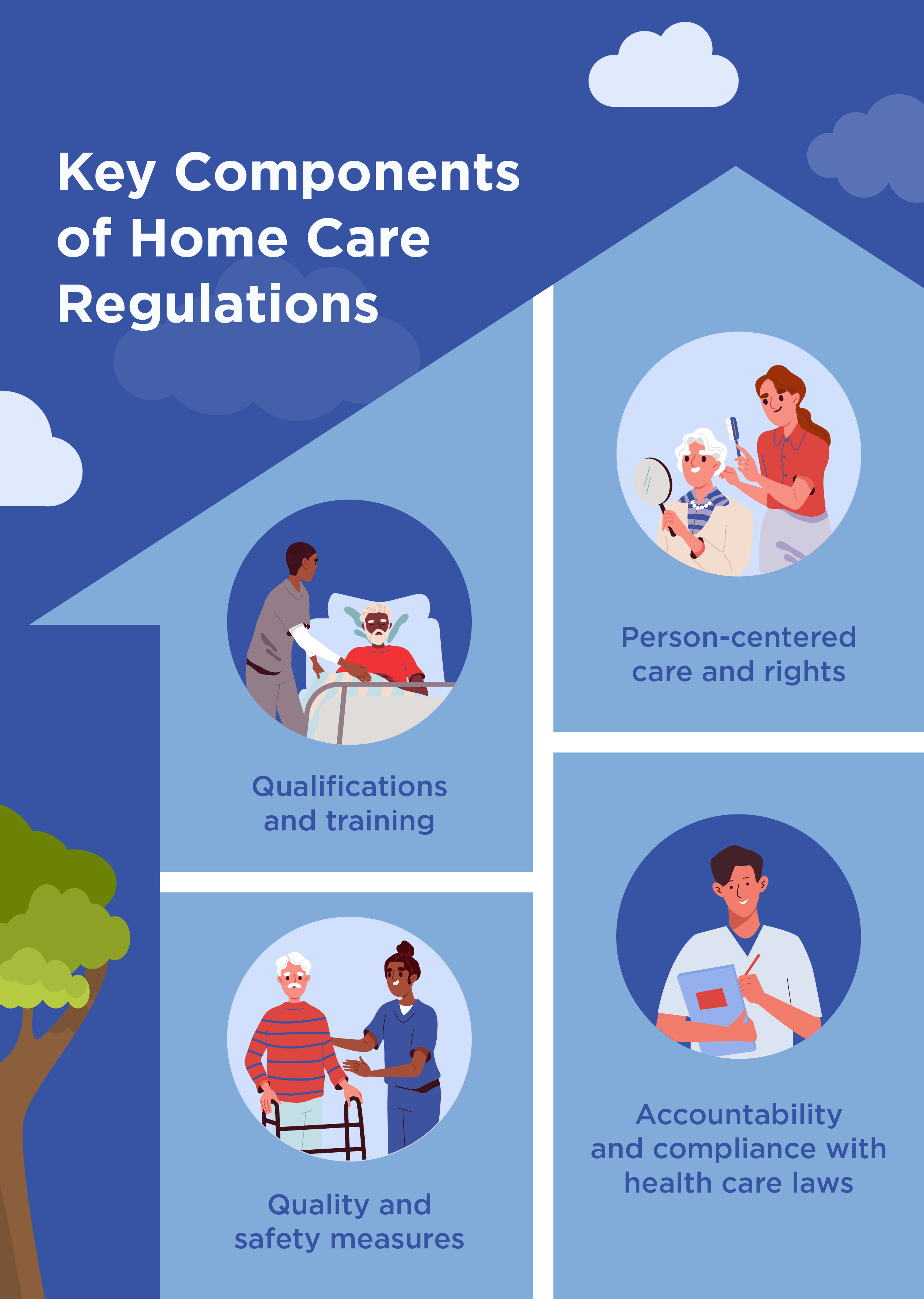
Legal and Regulatory Considerations for Home Care Providers
This section outlines the critical legal and regulatory requirements that home care providers must follow to operate legally and effectively. Compliance protects the business — and it also ensures quality care for clients.
Licensing Requirements
Licensing for home care agencies varies widely by region. Each state or country has specific regulations that determine the necessary licenses for operation. For instance, some areas require a state-issued license that verifies adherence to local health and safety standards. Research the specific requirements for your jurisdiction — non-compliance can lead to hefty fines or even loss of the ability to operate.
Health and Safety Regulations
Home care providers must comply with various health and safety regulations designed to protect both clients and caregivers. These regulations may cover infection control, medication management, and emergency preparedness. For example, according to the National Association for Home Care & Hospice (NAHC), about 90% of home care agencies reported needing to enhance their infection control measures in response to recent healthcare challenges. Implementing robust health protocols is essential for maintaining client safety and trust (this is often overlooked).
Labor Laws and Staff Compliance
Understanding labor laws is crucial for hiring and training staff. Home care providers must comply with federal and state labor regulations regarding wages, overtime, and employee benefits. Additionally, staff training requirements can vary by state. Ongoing education in areas such as patient care, ethics, and safety protocols is necessary. For example, in 2024, the U.S. Department of Labor reported that 45% of home care workers received training that did not meet state-mandated standards. This gap is significant.
Staying Updated on Healthcare Regulations
The healthcare landscape is continuously evolving. Home care providers must stay informed about changes in regulations that may impact their services. This includes updates to Medicare and Medicaid policies, which can affect reimbursement rates and eligibility criteria for home care services. Regularly reviewing updates from relevant healthcare authorities ensures compliance and supports sustainable business practices (worth double-checking).
Common misconceptions about legal compliance include the belief that once a license is obtained, no further action is needed. In reality, ongoing education and awareness of regulatory changes are vital for maintaining compliance and delivering quality service.
Practical Steps for Compliance
- Research and obtain the necessary licenses specific to your region.
- Implement comprehensive health and safety protocols within your agency.
- Establish a training program that meets labor laws and state requirements for your staff.
- Set up a system for monitoring changes in healthcare regulations and adjust practices accordingly.
By prioritizing legal and regulatory compliance, home care providers safeguard their operations and enhance their reputation in the community. This foundation is essential for effectively learning how to get private home care clients while providing high-quality care to those in need.
Frequently Asked Questions
What are the best ways to market private home care services?
Effective marketing strategies for private home care services include online advertising, community outreach, and networking with healthcare professionals. Establishing a strong online presence through a professional website and social media can also enhance visibility.
How can I find clients for my home care agency?
Finding clients for a home care agency can be achieved through referrals, partnerships with hospitals and clinics, and targeted marketing efforts. Additionally, attending community events and joining local organizations can help build connections.
What are the costs associated with private home care services?
Costs for private home care services vary based on location, level of care required, and duration of service. Clients may incur expenses for hourly rates, transportation, and additional services such as specialized care or medical supplies.
How long does it take to build a client base in home care?
Building a client base in home care typically takes several months to a few years, depending on marketing efforts and local demand. Consistent networking and quality service can accelerate client acquisition.
What qualifications do I need to start a private home care business?
Starting a private home care business generally requires relevant certifications, licenses, and training in caregiving. Additionally, knowledge of healthcare regulations and business management is essential for compliance and success.
What are common mistakes to avoid when starting a home care business?
Common mistakes include underestimating operational costs, neglecting marketing strategies, and failing to comply with regulations. It’s crucial to have a clear business plan and to prioritize client care and satisfaction.
How can I leverage social media to attract home care clients?
Leveraging social media involves creating informative content, engaging with the community, and showcasing client testimonials. Regular updates and targeted ads can increase visibility and attract potential clients.
What is the importance of client testimonials in home care?
Client testimonials are vital as they build trust and credibility for home care services. Positive reviews can significantly influence potential clients’ decisions and enhance the agency’s reputation in the community.
Final Thoughts on how to get private home care clients
Success in acquiring private home care clients hinges on a multifaceted approach that combines effective marketing, a robust referral network, and a deep understanding of client needs. Leveraging both traditional and digital strategies ensures that agencies remain competitive and responsive to the evolving demands of the market.
To make immediate progress, prioritize the establishment of partnerships with local healthcare professionals and community organizations, as these connections can provide a steady stream of referrals and enhance your agency’s credibility.
Ready to boost your home care services? Connect with a google ads expert today and watch your client base grow!
In the competitive landscape of home care services, implementing strategic outreach and forming genuine relationships is essential for sustainable growth and client satisfaction.