
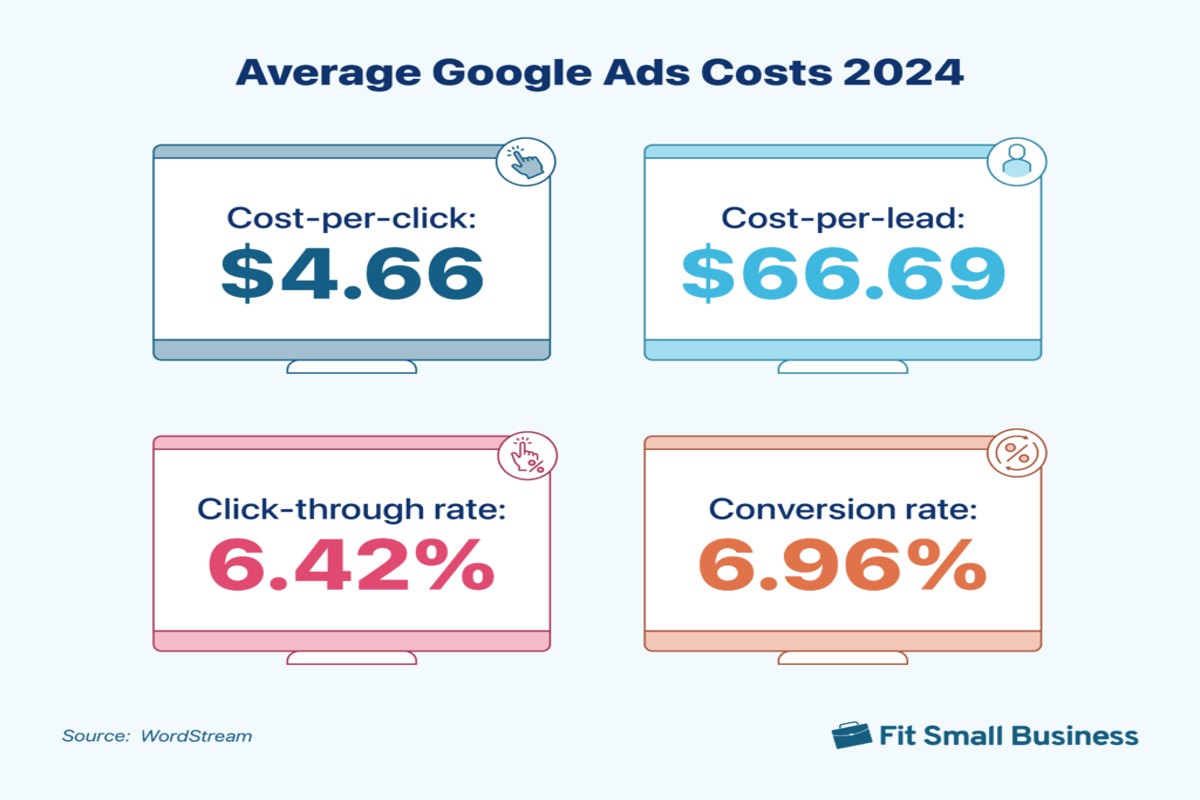
The amount you should spend on Google Ads varies based on your business goals, industry, and competition. A common guideline is to allocate 5-10% of your revenue to Google Ads for effective results, which can significantly enhance visibility and drive traffic.
Understanding how much to invest in Google Ads is crucial for businesses looking to maximize their online presence and achieve their marketing objectives. With digital advertising expenditures projected to reach over $500 billion globally by 2024, knowing the appropriate budget can mean the difference between success and wasted resources.
Failure to correctly assess your google ads spending can lead to missed revenue opportunities, inefficient use of marketing budgets, and a competitive disadvantage in an increasingly crowded marketplace.
This article will provide a comprehensive analysis of how to determine your Google Ads budget, including a comparison of top providers, cost breakdowns, best practices for ad spending, and insights into leveraging local SEO for maximum impact.
What factors influence how much to spend on Google Ads?
The amount spent on Google Ads can vary significantly — typically from $1 to over $50 per click — depending on several factors. Many businesses set aside between 5% and 10% of their revenue for digital advertising. This often translates to thousands of dollars each month based on their revenue. Understanding the key elements that shape this budget is vital for effective campaign management.
Several factors impact the cost of Google Ads, including:
- Industry: Different sectors show varying average costs per click (CPC). For instance, legal and insurance industries often experience higher CPCs — sometimes exceeding $50 — while retail averages around $1 to $2.
- Competition:
The competition level for specific keywords directly influences advertising costs. High-demand keywords with multiple bidders push prices up. Evaluating competitor strategies is crucial.
- Campaign Goals: Specific objectives, like brand awareness or lead generation, affect spending. Campaigns aimed at conversions may need a higher budget to ensure proper visibility and engagement.
- Geographic Targeting: Costs can differ by location. Urban areas, with their heightened competition, generally incur higher CPCs compared to rural regions.
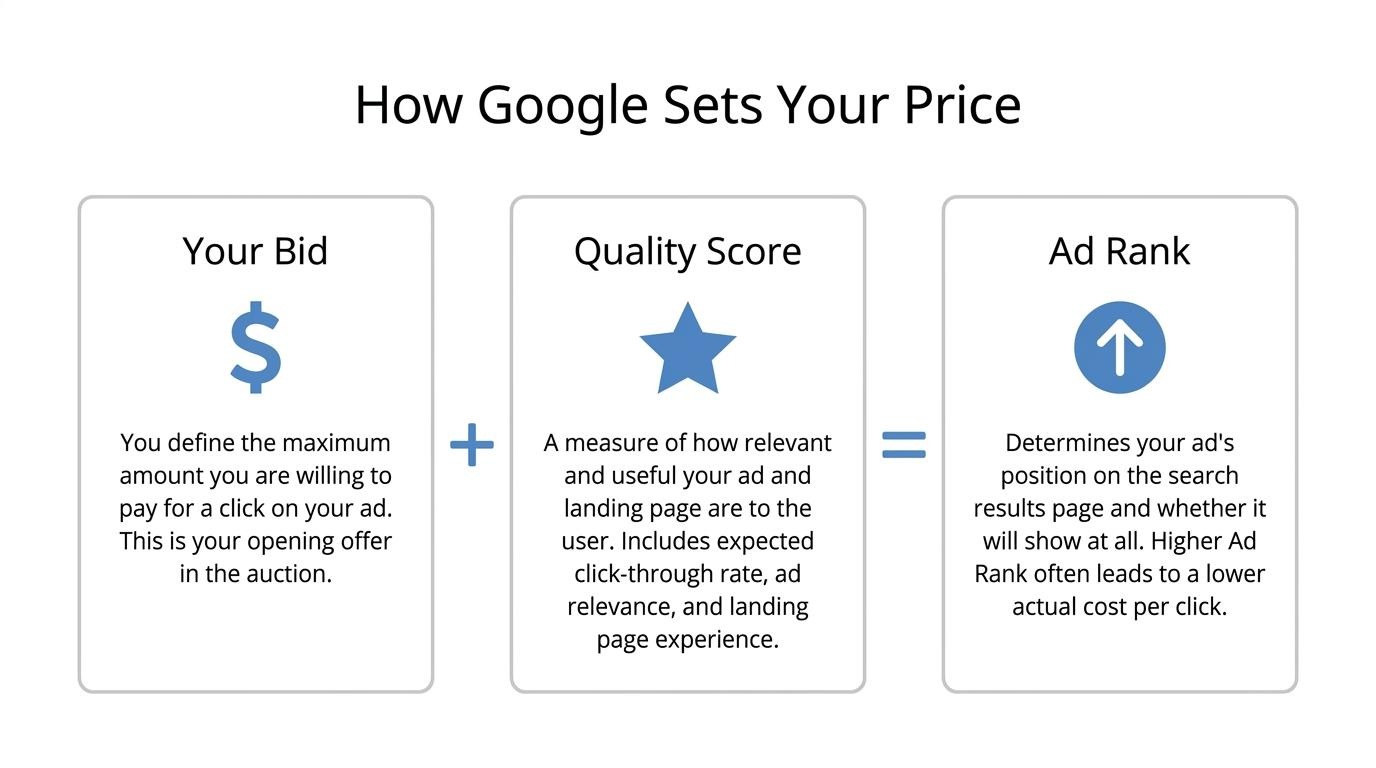
- Ad Quality and Relevance: Google assesses ad relevance and landing page experience through a Quality Score. Higher quality ads often lead to lower CPCs — this highlights the importance of optimizing ad content.
Moreover, seasonal trends can influence advertising costs. For example, the retail industry might face increased competition during holiday seasons, which leads to higher costs per click. Ad scheduling and timing are also factors; ads running during peak hours often have elevated costs due to increased competition.
Expert insight: To optimize Google Ads budgets, focus on long-tail keywords that have lower competition and higher relevance to the target audience. This strategy can yield better results at a lower cost — maximizing the advertising investment.
How can I determine my Google Ads budget?
To determine your Google Ads budget, assess your financial capacity and align it with your marketing goals. Typically, businesses set aside between 5% and 15% of their total revenue for advertising — though specific needs can differ.
Start by analyzing your overall marketing strategy and business objectives. Identify how much revenue you plan to generate from Google Ads. For example, if your target return on investment (ROI) is 400%, and you expect to earn $40,000, your budget might be around $10,000. This amount should reflect your ability to invest while pursuing your desired results.
- Evaluate your financial resources: Review your overall budget. Determine how much you can allocate to advertising without jeopardizing other operational needs.
- Set clear marketing objectives: Define specific goals for your Google Ads campaigns. This might include increasing website traffic, generating leads, or boosting sales — all of which will help guide your budget decisions.
- Analyze industry benchmarks: Research average costs per click (CPC) in your industry. These can range from $1 to over $50, depending on competition. This insight can help you estimate how much you’ll need to spend to meet your goals.
- Monitor and adjust: Start with a test budget. Analyze your campaign performance and adjust your budget based on collected data, optimizing for better results over time.
Expert insight: Use tools like Google Ads Keyword Planner — they can refine your budget estimates further. This tool provides insights into keyword costs and search volumes, enabling informed decision-making for your Google Ads strategy (this is often overlooked).
What is the average cost per click on Google Ads?
The average cost per click (CPC) on Google Ads varies widely — typically, it ranges from $1 to $2 for most industries. However, in more competitive sectors like finance or legal services, CPC can soar to over $50 per click, depending on the targeted keywords.
Several factors influence the cost of Google Ads. These include industry competitiveness, keyword selection, and geographical targeting. The industry plays a major role in determining CPC. Retail and e-commerce often see lower CPCs. In contrast, sectors like insurance or legal services usually face much higher rates due to stiff competition for limited keywords. Additionally, the quality score of your ads — which is based on their relevance and performance — can have a meaningful impact on CPC. A higher quality score generally leads to lower costs per click.
- Keyword Competition: High-demand keywords can lead to higher CPCs. Keywords with low competition typically cost less.
- Quality Score: Google assigns a quality score to ads. A higher score results in lower CPC.
- Geographical Targeting: Ads aimed at high-value regions often incur higher costs.
Furthermore, the time of year can impact CPC. Seasonal trends — like holidays or special events — often lead to increased competition and higher costs. Advertisers should also take their budget into account and determine how much they’re willing to spend to achieve specific marketing goals. Adjusting bids based on performance metrics is crucial; this is often overlooked, but it maximizes return on investment.
Expert insight: Regularly monitor and adjust your Google Ads strategy using performance data to optimize your CPC and overall ad spend effectively.
Is there a recommended percentage of revenue to spend on Google Ads?
Businesses usually spend between 5% and 10% of their gross revenue on Google Ads. Yet, this figure can greatly differ depending on the industry, business goals, and competition levels. In fact, recent data shows that companies in highly competitive sectors may spend more — sometimes upwards of 15% to 20% — just to stay visible.
Allocating a percentage of revenue to Google Ads involves several crucial factors. First, the industry average is key. E-commerce businesses, for instance, often invest more in online advertising. This is due to significant competition and a direct link between ad spend and sales. In contrast, service-based industries may find that a lower percentage works just fine, especially if they have a strong organic search presence (this is often overlooked).
- Assess your goals: If the aim is rapid growth or entering a new market, think about allocating a higher percentage — potentially 10% to 20% of revenue. This method can create immediate visibility and help with customer acquisition.
- Evaluate your margins: Businesses with higher profit margins can typically invest a larger percentage in advertising. For instance, a software company might set aside 15% of revenue, while a retail business with thinner margins may prefer 5% to 10%.
- Monitor your ROI: Regular analysis of the return on investment from Google Ads is vital. If campaigns are providing strong returns, increasing the budget could be warranted. Conversely, if the ROI is low, it’s time for a reassessment — this should happen regularly.
- Consider seasonal fluctuations: Some businesses see peak seasons where increased ad spend becomes necessary. For example, retail businesses may boost spending during holidays, whereas B2B companies might concentrate their budget around industry events.
Expert insight: Tailor your Google Ads budget to match immediate business objectives as well as long-term growth strategies. Tracking consistently and adjusting based on performance metrics can greatly enhance overall effectiveness.
How much should small businesses spend on Google Ads?
Small businesses should think about spending anywhere from $500 to $2,000 a month on Google Ads, based on their size and marketing goals. A budget around $1,000 monthly often serves as a solid starting point for many small businesses looking to make their mark in competitive markets.
For instance, a local coffee shop might set aside $750 each month to reach customers within a 10-mile radius. This allows for targeted ads during peak hours — focusing on keywords like “best coffee near me” or “local coffee shop.” Conversely, a small e-commerce store may decide to invest $1,500 monthly to attract traffic to its website. This typically involves a broader range of keywords and remarketing strategies aimed at boosting sales.
Several factors impact budget decisions. These include industry competition, target audience size, and specific campaign objectives. In sectors like legal or insurance services, where competition is fierce, a higher budget may be essential for effective visibility. Regularly checking ad performance is key — adjust budgets based on return on investment (ROI) and overall marketing strategy (this is often overlooked).
Expert insight: Keep an eye on performance metrics such as cost per acquisition (CPA) and conversion rates. These are vital to refining a Google Ads budget over time. This ensures that spending matches business growth and customer acquisition goals.
What are the common mistakes in Google Ads budgeting?
Common mistakes in Google Ads budgeting include setting unrealistic budgets, failing to account for seasonal fluctuations, and neglecting to monitor performance. Surprisingly, 65% of advertisers don’t adjust their budgets based on campaign performance — this often leads to wasted spend and missed opportunities.
Effective budgeting in Google Ads requires a strategic approach. Many advertisers make the mistake of establishing a budget without conducting thorough keyword research or competitor analysis. This oversight can lead to underbidding for high-value keywords or overbidding for low-performing ones. Regularly reviewing keyword performance — and adjusting budgets accordingly — can help optimize ad spend.
- Set a realistic budget: Allocate funds based on actual performance data and competitive analysis. Avoid arbitrary figures; instead, analyze cost-per-click (CPC) and return on ad spend (ROAS) to determine your budget.
- Account for seasonality: Adjust your budget to reflect seasonal trends and spikes in demand. For instance, retail advertisers should increase their budgets during holiday seasons — this captures heightened consumer interest.
- Monitor and adjust regularly: Review campaign performance weekly or bi-weekly. Use Google Ads’ built-in tools to identify underperforming ads and reallocate funds to higher-performing campaigns.
- Avoid fixed monthly budgets: Instead of setting a fixed monthly budget, consider a flexible daily budget that allows for increased spending on high-performing days and reduced spending on lower-performing days.
Expert insight: Implementing automated bidding strategies can further enhance budget efficiency by allowing Google Ads to optimize bids in real-time based on performance data — this ensures that your budget is spent effectively to maximize ROI.
How often should I review my Google Ads budget?
Review your Google Ads budget at least once a month. Frequent reviews allow for timely adjustments based on performance metrics, market changes, and shifting business goals. For optimal results, consider bi-weekly checks during peak campaign periods — especially when launching new ads.
Several factors influence how often budget reviews should happen. The performance of your ads can vary significantly due to seasonality, industry trends, or shifts in consumer behavior. For instance, e-commerce businesses often see fluctuations during holiday seasons; this necessitates more frequent budget evaluations. If your campaign involves high-stakes keywords with significant cost-per-click (CPC), then more regular reviews can lead to avoiding overspending and keeping you competitive.
Another important factor is the complexity of your campaigns. If you manage multiple ad groups or campaigns with differing goals, budget reviews should be tailored accordingly. For example, campaigns targeting different demographics may need distinct budget strategies — a comprehensive review of each segment’s performance is essential. Regular monitoring enables reallocating funds to high-performing ads, maximizing your return on investment (ROI).
Expert insight: Use automated rules and alerts within Google Ads to stay informed on budget performance. This can help you react quickly to underperforming ads or unexpected changes in spending patterns (this is often overlooked).
What ROI can I expect from my Google Ads spend?
Businesses can expect an average return on investment (ROI) of about 200% to 400% from their Google Ads spend — that’s $2 to $4 earned for every $1 spent. Actual ROI, however, can vary significantly depending on a range of factors, including industry, competition, and how well the campaign is optimized.
The potential ROI from Google Ads hinges on several key factors:
- Industry Type: Different industries exhibit varying average conversion rates. For instance, e-commerce often sees higher returns compared to B2B services.
- Target Audience: The size and specificity of the target audience can impact both conversion rates and costs. Niche markets — they might yield higher ROI due to less competition.
- Ad Quality and Relevance: Ads that are high quality and align closely with user intent typically have lower costs per click (CPC) and higher conversion rates. This directly influences ROI.
- Budget Allocation: Allocating budget properly across campaigns and concentrating on high-performing keywords can optimize results and improve ROI.
- Geographic Targeting: ROI can also differ by location. Ads aimed at areas with higher purchasing power often yield better returns. (This is often overlooked.)
Moreover, the effectiveness of landing pages, ad copy, and the overall marketing strategy is crucial in determining how successful Google Ads campaigns will be. Continuous testing and optimization are key to enhancing performance and achieving the desired results.
Expert insight: To maximize ROI, regularly analyze campaign metrics. Adjust strategies based on performance data. Implementing A/B testing can reveal what elements drive the best results.
Understanding Google Ads Bidding Strategies
This section explores the various bidding strategies in Google Ads, stressing their effects on budget allocation and overall spending. Choosing the right bidding strategy can significantly improve campaign performance and return on investment (ROI).
Manual vs. Automated Bidding
Google Ads features two main categories of bidding strategies: manual bidding and automated bidding. Manual bidding gives advertisers total control over their bids for each keyword or ad placement. This method is especially effective for advertisers who possess specific insights about their campaigns and can modify bids according to performance metrics.
In contrast, automated bidding leverages Google’s algorithms to optimize bids in real-time, with the goal of maximizing conversions or hitting specific targets. Strategies like Target CPA (Cost Per Acquisition) or Maximize Conversions automatically adjust bids based on the chances of conversion — often leading to more efficient budget use.
Impact of Bidding Strategies on Overall Spending
- Budget Control: Manual bidding allows for precise control over maximum bids, enabling tighter budget management.
- Cost Efficiency: Automated bidding can lower cost-per-click (CPC) as it fine-tunes bids based on historical data and market trends.
- Performance Variation: Different strategies can produce varying results, depending on market conditions, competition, and industry standards.
According to recent data, advertisers using automated bidding strategies saw a 20% increase in conversion rates compared to those relying on manual bidding in 2024. This statistic highlights the potential efficiency benefits from adopting automated methods.
Selecting the Right Strategy for Your Goals
When selecting a bidding strategy, consider these factors:
- Campaign Objectives: Determine whether the focus is on brand awareness, lead generation, or sales.
- Budget Flexibility: Evaluate how much budget is available and what level of risk can be tolerated.
- Market Dynamics: Analyze competition and seasonal trends to inform the bidding strategy.
For example, a retail brand wanting to increase sales during a holiday period might benefit from Maximize Clicks to drive traffic. Conversely, a B2B service provider might prioritize Target CPA to effectively manage costs per lead.
Successful Bidding Strategies in Various Industries
Different industries often prefer distinct bidding strategies due to their unique dynamics:
- E-commerce: Usually adopts Maximize Conversions to boost sales volume.
- Travel: Frequently uses Target ROAS (Return on Ad Spend) to ensure profitability on high-ticket items.
- Local Services: Often gains from Manual CPC to control costs in competitive local markets.
Expert Insights and Common Misconceptions
Many advertisers wrongly assume that higher bids automatically lead to improved placements and results. While bid amount is a factor, Google’s ad placement algorithm also weighs relevance, quality score, and user experience. Concentrating solely on bid increases can result in inefficient spending without guaranteed performance improvements.
Moreover, misconceptions surrounding automated bidding include the idea that it requires no oversight. Although automated strategies can optimize bids, regular monitoring and adjustments based on performance data are crucial for achieving desired outcomes — something that’s often overlooked.
Practical Application
To allocate your budget effectively in Google Ads, begin by identifying clear campaign goals. Choose a bidding strategy that aligns with those goals and keep a close eye on performance metrics. Adjust bids based on insights gained from campaign data. For instance, if using automated bidding, consider setting specific targets for CPA or ROAS to guide the algorithm’s optimization efforts. A strategic approach to bidding can effectively clarify how much to spend on Google Ads, ensuring optimal returns on investment.
Setting Realistic Goals for Your Google Ads Spend
This section outlines how to align your Google Ads budget with specific marketing objectives, focusing on both short-term and long-term goals. Clearly defining these goals helps businesses optimize their ad spend for maximum impact.
Identifying Short-Term vs. Long-Term Goals
Establishing clear distinctions between short-term and long-term goals is fundamental for effective budgeting. Short-term goals often focus on immediate results — like boosting website traffic or generating leads within a specific timeframe. Long-term goals, however, may aim for brand awareness or customer loyalty, requiring sustained investment over time.
- Short-term goals: Quick sales boosts, seasonal promotions, lead generation.
- Long-term goals: Brand building, customer retention, market positioning.
Correlating Spending with Expected Outcomes
Setting a budget for Google Ads requires a clear understanding of expected outcomes. Businesses should establish a correlation between their spending and the anticipated return on investment (ROI). For instance, if a company spends $1,000 on ads, it’s crucial to determine how many conversions or sales they expect from that investment. Industry benchmarks show that an average ROI for Google Ads ranges from 200% to 400%, depending on the sector (this is often overlooked).
The Importance of Tracking Conversions and Metrics
Tracking conversions and key performance metrics is essential to evaluate the effectiveness of ad spend. Metrics such as click-through rates (CTR), conversion rates, and cost per acquisition (CPA) provide critical insights into campaign performance. For example, a CTR of 5% is considered strong in many industries. A CPA of $50 might be acceptable for a high-margin product.
Implementing tools like Google Analytics and conversion tracking helps monitor these metrics effectively. Regularly reviewing these data points allows for informed adjustments to budget allocations based on performance.
Real-World Examples of Goal-Oriented Budgeting
Take a retail business that allocated $5,000 for a holiday campaign, aiming to increase sales by 20%. By analyzing historical data, they found that a $50 CPA would yield 100 new customers. This clear linkage between budget, expected cost per conversion, and target revenue provides a framework for decision-making.
Another example features a SaaS company that invests $3,000 monthly into Google Ads, focusing on lead generation. By setting a target of acquiring 60 leads, they can calculate the maximum acceptable CPA to achieve their goals. This ensures their ad spend aligns with their growth strategy.
In 2024, businesses are projected to increase their digital advertising budgets by an average of 10-15%. This underscores the necessity of informed spending strategies.
Expert insights reveal a common misconception: many businesses undervalue the significance of long-term branding efforts in their ad strategy. While immediate sales are critical, neglecting brand awareness can hinder future growth. A balanced approach that considers both short- and long-term goals is essential for sustainable success.
To optimize Google Ads spend, start by clearly defining marketing objectives. Establish both short-term and long-term goals, and calculate the expected ROI for each campaign. Use tracking tools to monitor performance metrics, and make data-driven adjustments to the budget. Regularly review the strategy to ensure alignment with evolving business objectives and market conditions.
Evaluating and Adjusting Your Google Ads Budget Over Time
This section covers essential strategies for evaluating and adjusting your Google Ads budget over time. Regular analysis and timely adjustments can really enhance campaign performance and ROI.
When and How to Analyze Ad Performance Data
Analyzing ad performance data should happen at regular intervals — for instance, weekly, monthly, or quarterly. This frequency allows for timely adjustments based on identified trends and overall campaign effectiveness. Use Google Ads’ built-in reporting tools to track key performance indicators (KPIs) like click-through rates (CTR), conversion rates, and cost per acquisition (CPA).
Pay attention to these metrics during analysis:
- CTR: Indicates how well your ads engage users.
- Conversion Rate: Measures the effectiveness of landing pages.
- Quality Score: Affects ad placements and CPC.
Establish a baseline performance standard based on historical data or industry benchmarks. For example, a typical CTR for Google Ads across various industries hovers around 3.17% as of 2024.
Adjusting Budgets Based on Seasonal Trends and Market Changes
Seasonal trends and market fluctuations can dramatically impact ad performance. Adjusting budgets in response to these shifts is vital for optimizing campaign effectiveness. E-commerce businesses, for instance, often see increased traffic during holidays; this means a higher ad spend is necessary during peak seasons.
Monitor market conditions by:
- Staying informed about industry trends and economic indicators.
- Using tools like Google Trends to gauge interest in products or services.
- Assessing competitor activity, including their ad spend and promotions.
Consider reallocating budgets to take advantage of high-demand periods, while cutting back during slower times (this is often overlooked).
The Significance of A/B Testing in Budget Allocation
A/B testing is a vital part of optimizing Google Ads budgets. Running experiments on different ad variations helps businesses pinpoint which elements drive better performance. This data-driven approach paves the way for strategic budget allocation toward high-performing ads.
Key aspects to A/B testing include:
- Testing ad copy variations to figure out what resonates best with your audience.
- Experimenting with different bidding strategies to discover the most cost-effective options.
- Analyzing landing page performance to enhance user experience and conversion rates.
According to recent studies, A/B testing can lead to conversion rate improvements of up to 49% when implemented effectively.
Case Studies Illustrating Successful Budget Adjustments
Several businesses have showcased effective budget adjustments that significantly boosted their Google Ads performance. For example, a retail company increased its budget by 30% during the holiday season. This led to a 50% increase in sales compared to the previous year. Another case involved a SaaS company that cut its budget by 20% during a slow period and reallocated those funds to a successful A/B tested campaign, which ultimately increased leads by 35%.
Nuance: Beyond the Basics of Budget Adjustment
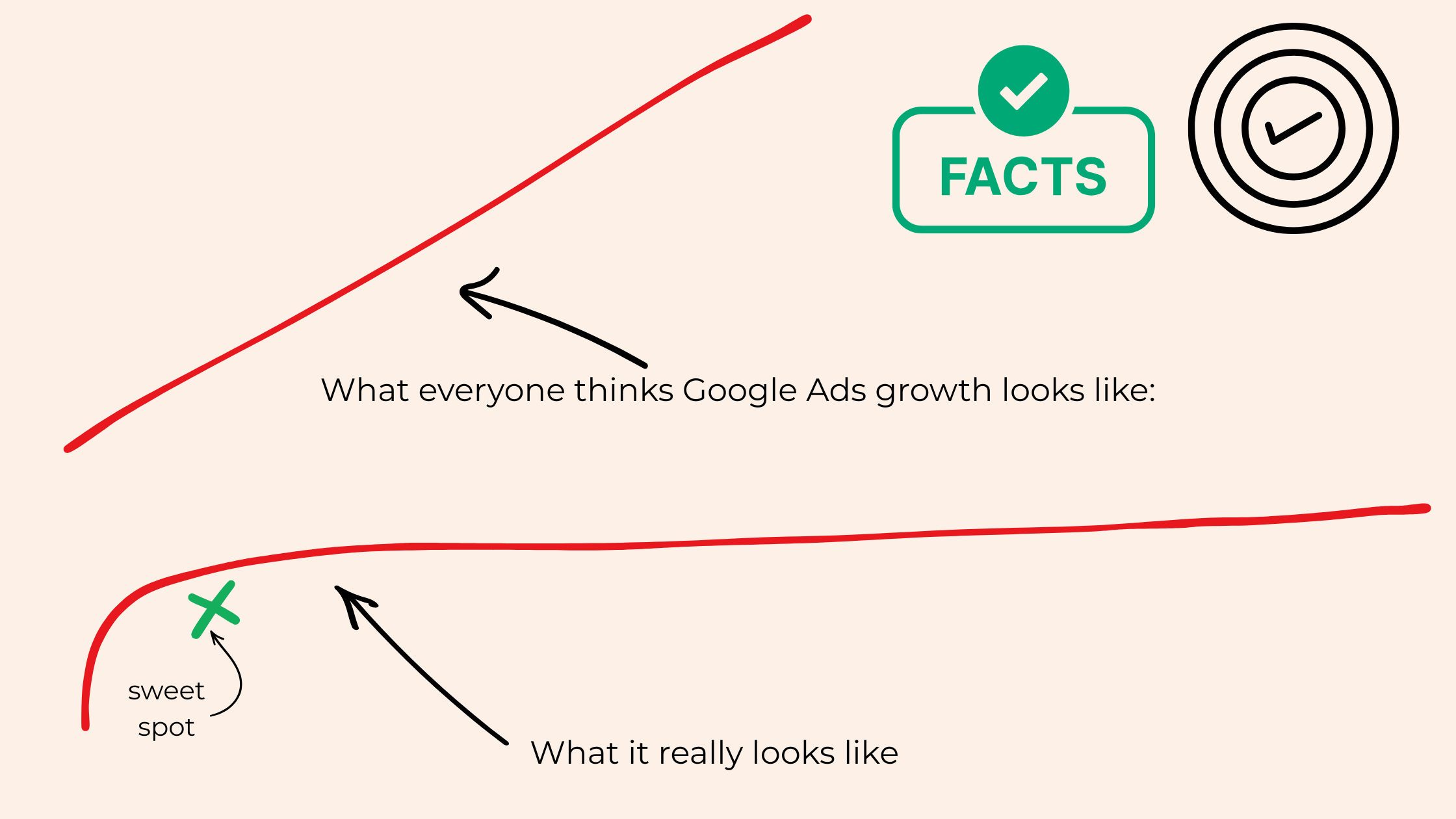
Common misconceptions about budget adjustments include the belief that higher spending always yields better performance. In reality, balancing investment with strategic insights is crucial. Simply increasing the budget without analyzing performance data can waste resources. Additionally, understanding the lifetime value of a customer helps determine appropriate budget allocations. A customer with a higher lifetime value justifies a larger initial spend on acquisition.
Practical Application: Steps to Optimize Your Google Ads Budget
To effectively evaluate and adjust your Google Ads budget, consider these actionable steps:
- Establish KPIs and regularly monitor performance data.
- Adjust budgets in response to seasonal trends and competitive pressures.
- Implement A/B testing to identify high-performing ads and strategies.
- Document adjustments and their outcomes to refine future strategies.
By employing these methods, businesses can ensure that spending aligns with performance and market conditions, ultimately maximizing their return on investment.
Common Budgeting Pitfalls in Google Ads
Missteps in budgeting for Google Ads can waste resources and lead to missed opportunities. This section highlights frequent pitfalls and presents strategies for optimizing ad spend effectiveness.

Underestimating Competition and Costs
Many advertisers enter the Google Ads arena with an unrealistic view of costs. They often underestimate the competition within their industry. For instance, average cost-per-click (CPC) rates in competitive sectors like finance can exceed $50, while less competitive niches might see CPCs around $1. This disparity requires thorough market research to accurately assess the competitive landscape and associated costs — missing this can prove costly.
Failing to Set Clear Objectives
Without clear objectives, ad campaigns can lack direction, resulting in inefficient spending. Objectives need to be specific, measurable, achievable, relevant, and time-bound (SMART). For example, a goal could be to increase website traffic by 30% over three months or to generate 100 qualified leads each month. Establishing these targets makes for precise budgeting aligned with campaign expectations (this is often overlooked).
Ignoring Performance Metrics and Data
Relying solely on initial performance without ongoing analysis can produce ineffective ad spend. Key performance indicators (KPIs) such as click-through rate (CTR), conversion rate, and return on ad spend (ROAS) should be monitored continuously. A recent study revealed that advertisers who regularly analyze campaign data see a 20% improvement in ad performance compared to those who don’t — a significant difference.
Over-Reliance on Default Settings Without Customization
Google Ads offers various default settings that might not suit every campaign. Advertisers often ignore the need for customization in targeting, bidding strategies, and ad creatives. For instance, tweaking bidding strategies based on specific audience segments can greatly enhance ad effectiveness. Customizing these settings according to campaign goals often leads to better budget allocation and improved results.
Nuances in Budgeting for Google Ads
A common misconception is that a larger budget guarantees better results. While higher spending can boost visibility, it doesn’t automatically improve conversion rates. Factors like ad relevance, landing page optimization, and audience targeting are crucial to performance. Additionally, businesses should consider seasonal fluctuations impacting costs and competition — adjusting budgets can maximize ROI.
Practical Application
- Conduct thorough competitor analysis to grasp market rates and allocate budget effectively.
- Define clear, measurable goals for each campaign to steer spending decisions.
- Regularly monitor and analyze performance metrics to spot optimization opportunities.
- Customize Google Ads settings to match specific campaign objectives and target audiences.
By addressing these common pitfalls, advertisers can ensure their budgets are used effectively and achieve better outcomes in their Google Ads campaigns.
Frequently Asked Questions
What factors influence how much to spend on Google Ads?
Key factors include industry competition, target audience, campaign goals, and geographic targeting. Additionally, the quality of your ads and landing pages can impact costs.
How can I determine my Google Ads budget?
To determine your budget, evaluate your overall marketing goals, consider your revenue targets, and analyze historical performance data. It’s essential to align your budget with expected returns and campaign objectives.
What is the average cost per click on Google Ads?
The average cost per click (CPC) on Google Ads varies widely by industry but typically ranges from $1 to $2 on the search network. Highly competitive industries may see CPCs exceeding $50.
Is there a recommended percentage of revenue to spend on Google Ads?
Many businesses allocate 5-10% of their revenue to digital advertising, including Google Ads. However, this percentage can vary based on growth objectives and market conditions.
How much should small businesses spend on Google Ads?
Small businesses often start with a budget of $300 to $1,000 per month for Google Ads. This amount allows for testing and optimizing campaigns without significant financial risk.
What are the common mistakes in Google Ads budgeting?
Common mistakes include underestimating costs, failing to allocate funds for testing, and not adjusting budgets based on performance data. Additionally, neglecting to account for seasonality can lead to ineffective spending.
How often should I review my Google Ads budget?
Reviewing your Google Ads budget at least monthly is recommended to assess performance and make necessary adjustments. Frequent analysis helps optimize spending and improve ROI.
What ROI can I expect from my Google Ads spend?
The expected return on investment (ROI) for Google Ads can vary significantly, but many businesses aim for a 200% ROI or higher. Success depends on factors like industry, campaign effectiveness, and budget management.
Final Thoughts on how much should i spend on google ads
Determining an effective Google Ads budget hinges on understanding your unique business goals, market dynamics, and the competitive landscape. It’s essential to align spending with measurable outcomes rather than arbitrary figures, ensuring that every dollar contributes to your growth objectives.
Conduct a thorough analysis of your customer acquisition costs and lifetime value, then allocate a percentage of your revenue that reflects both your ambitions and the competitive cost-per-click in your industry. This data-driven approach will empower you to make informed decisions that enhance your advertising ROI.
Ready to maximize your ad spend? Consult a google ads expert today and watch your business thrive!
Investing wisely in Google Ads is critical for elevating your brand in a crowded marketplace, making strategic budgeting not just beneficial, but essential for sustained success.