
To check competitors’ Google Ads budget involves utilizing specialized tools such as SEMrush or SpyFu, which offer insights into their advertising expenditures. Understanding these budgets enables businesses to refine their marketing strategies and allocate resources more effectively, potentially increasing ROI by up to 30%.
Understanding how to check competitors’ Google Ads budget is crucial for any business looking to thrive in a competitive digital landscape. With global digital ad spending projected to reach $500 billion by 2024, companies must leverage competitive insights to optimize their own advertising efforts and ensure they are not outspent or outperformed by rivals.
Failing to grasp the nuances of competitor ad budgets can lead to significant missed revenue opportunities and inefficient allocation of marketing resources, ultimately placing businesses at a competitive disadvantage in their respective markets.
This article will cover essential tools for analyzing competitors’ Google Ads budgets, provide a cost breakdown of various advertising strategies, and outline best practices for developing a competitive edge in your campaigns.
What tools can I use to check my competitors’ Google Ads budget?
There are several tools that provide insights into competitors’ Google Ads budgets, including SEMrush, SpyFu, and Ahrefs. Each platform comes with different features and varying levels of detail. This allows for effective gauging of competitors’ ad spending — a crucial aspect of competitive analysis.
SEMrush is a comprehensive digital marketing tool. It includes a feature called “Advertising Research.” This lets users view competitors’ ad budgets, keywords, and ad copy. SpyFu specializes in competitive analysis, offering a clear breakdown of estimated monthly ad spend and historical keyword data. Ahrefs, while primarily known for SEO, also has a PPC research tool that delivers insights into competitor ad strategies and expenditures. Each of these tools has distinct strengths, catering to various aspects of the analysis.
- SEMrush: Offers in-depth advertising research, keyword tracking, and ad copy analysis. It provides estimated budgets based on ad visibility and clicks.
- SpyFu: Focuses on competitor analysis with a straightforward interface. It supplies estimated monthly budgets, historical ad data, and keyword performance.
- Ahrefs: Primarily an SEO tool, but it includes PPC research features for insights into ad strategies, estimated ad spend, and keyword targeting.
When choosing a tool, think about the specific needs of your analysis. SEMrush might be more suited for comprehensive digital marketing strategies. On the other hand, SpyFu excels at straightforward competitive budget estimates. Ahrefs is valuable — particularly if SEO insights are a priority alongside PPC data.
Expert insight: Regularly analyzing competitors’ Google Ads budgets can inform your own strategies. This helps allocate resources more effectively and identify opportunities for differentiation in ad campaigns (this is often overlooked).
How can I estimate a competitor’s Google Ads spending?
Estimating a competitor’s Google Ads spending means analyzing available data through various tools and methods. By using specific online resources and metrics, businesses can gain insights into rivals’ advertising budgets — which can range from hundreds to thousands of dollars monthly.
To effectively estimate a competitor’s Google Ads budget, follow these steps:
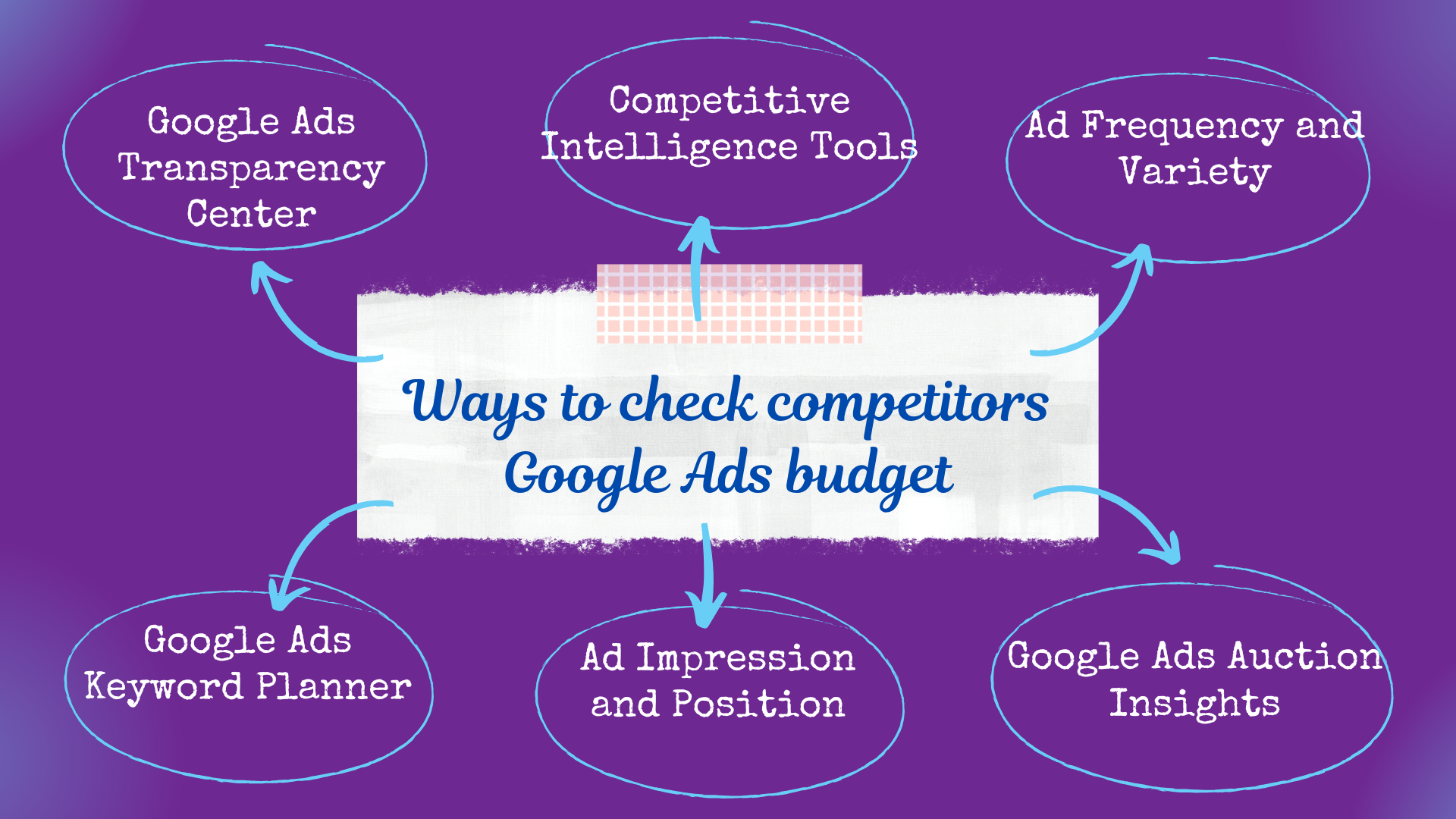
- Use Google Ads Transparency Center: Access the Google Ads Transparency Center to view active ads from competitors. This tool shows the types of ads running and their frequency — a good indication of spending levels.
- Leverage SEMrush or Ahrefs: Use tools like SEMrush or Ahrefs, which provide estimates of competitors’ ad spend based on their keywords and traffic data. These platforms can offer monthly budget estimates, keyword performance insights, and ranking positions.
- Analyze Competitor’s Keywords: Identify the keywords your competitors are targeting. Tools such as SpyFu can estimate how much they pay for these keywords (this is often overlooked), giving a clearer picture of their overall ad expenditure.
- Monitor Ad Frequency: Observe how often competitor ads appear in search results. Frequent appearances generally indicate higher budgets. Keep track of the visibility of their ads over time to spot spending trends.
- Use Industry Benchmarks: Compare your findings against industry benchmarks. Knowing the average cost-per-click (CPC) in your sector helps create better estimates of competitor spending based on their keyword strategy.
These methods can provide a well-rounded view of a competitor’s Google Ads budget; however, actual spending may differ due to various factors, such as campaign goals and seasonal trends. Always consider the context of the data collected. Advertisements can be influenced by market dynamics and shifts in strategy.
Expert insight: Regularly monitor competitors to notice shifts in their advertising strategies. Changes in ad frequency or new keyword targeting can signal budget adjustments or shifts in focus.
What is the average Google Ads budget for small businesses?
The average Google Ads budget for small businesses usually falls between $1,000 to $10,000 per month. Many small businesses set aside around $500 to $1,500 per month for their initial campaigns. This largely depends on their specific industry and goals.
Several factors play a role in determining the Google Ads budget for small businesses. The industry is critical — competitive sectors might demand higher spending to gain visibility. Geographic location also matters; urban areas typically have higher bid requirements. Other key considerations include:
- Keywords: The cost-per-click (CPC) varies significantly based on keyword competition. High-demand keywords lead to increased costs.
- Ad Quality: Higher quality ads—backed by better Quality Scores—can reduce CPC and overall costs.
- Campaign Goals: Budgets often differ based on the focus, whether it’s brand awareness or direct sales. Sales campaigns tend to require more investment.
Furthermore, small businesses typically begin with a modest budget and gradually increase it as they evaluate their campaigns’ effectiveness. Monitoring performance metrics — like conversion rates and return on ad spend (ROAS) — is essential for optimizing budget allocations over time. Experimenting with different ad formats and targeting strategies can also aid in identifying the most cost-effective methods (this is often overlooked).
Expert insight: Regularly reviewing and adjusting the Google Ads budget based on performance data can lead to more efficient spending — and ultimately better results over time.
How often should I check my competitors’ Google Ads budget?
Competitors’ Google Ads budgets should be checked at least once a month. This keeps businesses informed about changes in their advertising strategies. A monthly review allows for effective adjustments to campaigns and responses to market dynamics. In rapidly changing industries, more frequent assessments — say, bi-weekly — can provide a competitive edge.
Monitoring competitors’ Google Ads budgets regularly is crucial for several reasons. First, the digital advertising landscape is dynamic. Companies often tweak their budgets based on seasonal trends, new product launches, or shifts in the market. By checking monthly, businesses can spot spending patterns that might indicate strategic moves, like entering new markets or increasing focus on specific products. (This is often overlooked.)
- Monitor during key seasonal periods: Increase how often you check around major shopping seasons or industry events. Competitors may significantly ramp up their budgets then, impacting overall market competition.
- Set alerts for changes: Use tools that notify you of significant budget changes by competitors. This allows for timely responses and necessary adjustments in your advertising strategies.
- Review quarterly for strategic insights: Conduct a thorough analysis every quarter to assess long-term trends. This helps in understanding competitors’ overall strategies — which can inform reallocating your budget accordingly.
Expert insight: Leverage competitive intelligence tools that provide historical data on competitors’ budgets. This can enhance your strategic planning capabilities by identifying trends over time.
Can I see my competitors’ ad copies and keywords?
Yes, you can view your competitors’ ad copies and the keywords they target through various online tools. Platforms like SEMrush, Ahrefs, and SpyFu offer insights into specific ads run by competitors, covering text, images, and targeted keywords.
For instance, when using SEMrush, enter a competitor’s domain in the search bar. The tool will generate a report detailing the competitor’s ad copies, including the exact wording and any call-to-action phrases used. It also reveals keywords the competitor is bidding on, along with estimated traffic and ad spend. This data can lead to informed strategies, as it allows for a direct comparison of messaging and keyword focus. According to SEMrush, in 2024, about 70% of advertisers actively monitor competitor ads — a clear trend towards competitive analysis.
Another handy tool is SpyFu, which lets users view historical ad copies and keywords for specific competitors. By entering a competitor’s domain, you gain access to a timeline of their ad campaigns, see which keywords they consistently target, and identify seasonal trends in their advertising strategies. This information can provide context for your own campaigns (this is often overlooked), helping to pinpoint gaps in your keyword targeting and inspiring improvements in your ad copy.
Expert insight: Regularly monitoring competitors’ ad copies and keywords is crucial to staying ahead of market trends. Adjust your strategies accordingly. Using these tools enhances your understanding of the competitive landscape and aids in optimizing your own advertising efforts, which can potentially increase ROI.
Understanding the Importance of Competitor Analysis in Google Ads
Analyzing competitors’ Google Ads budgets offers vital insights for optimizing advertising strategies. This section delves into the importance of competitor analysis in spotting market trends, refining keyword strategies, and improving budget allocations.
Identifying Market Trends and Spending Patterns
Competitor analysis helps businesses spot prevailing market trends and spending patterns. By watching how much competitors invest in Google Ads, companies can gauge their market segment’s overall health. For example, a 2024 report showed that retail sector businesses upped their digital ad spend by 15% — a clear sign of a shift toward more aggressive online marketing strategies.
Gaining Insights into Effective Keywords and Ad Strategies
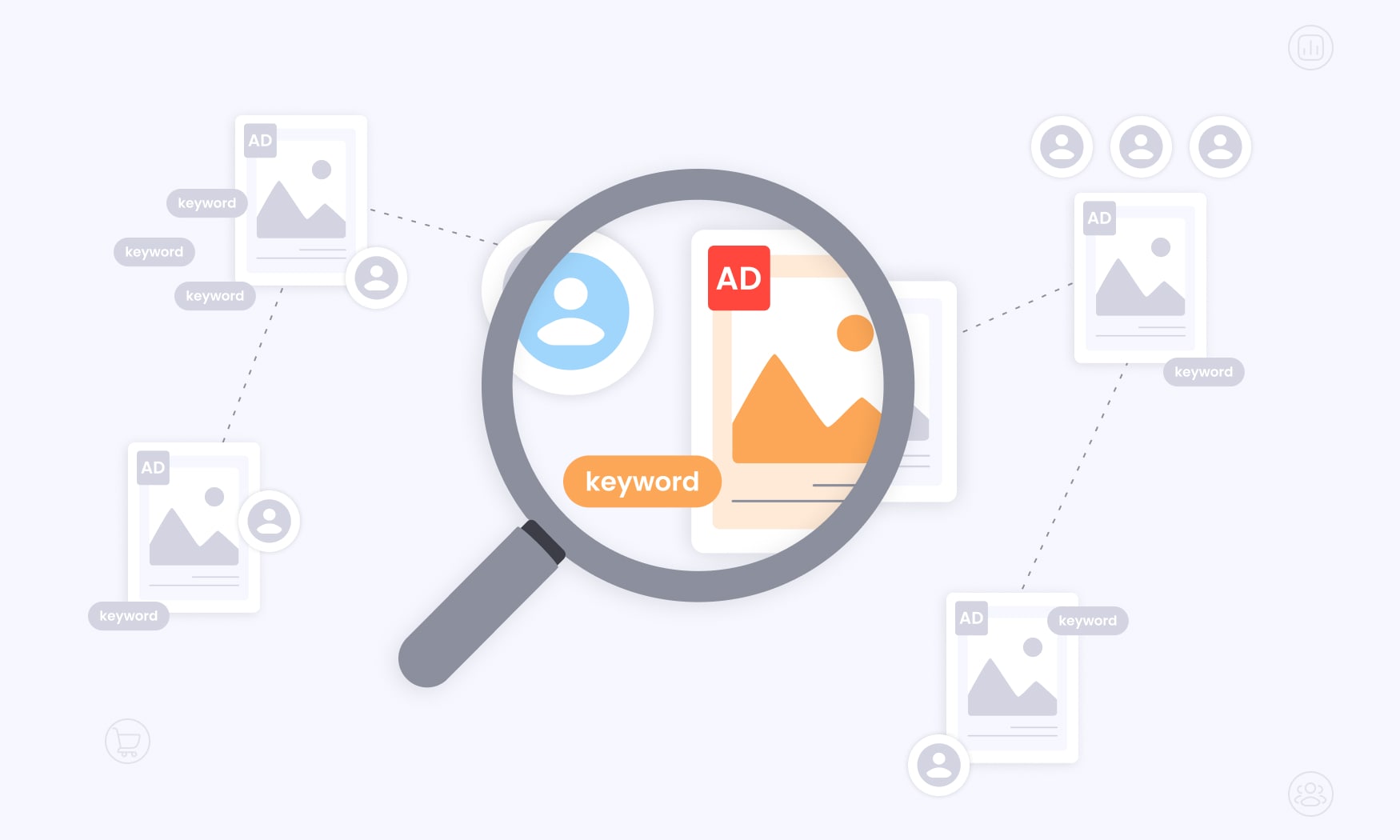
Analyzing competitors’ budgets uncovers effective keywords and ad strategies that drive traffic and conversions. Tools like SEMrush and Ahrefs enable marketers to see which keywords competitors bid on and their spending amounts. This information is invaluable for refining keyword strategies and optimizing ad copy. If a competitor invests heavily in a specific high-converting keyword, it might be worth increasing focus in your campaigns (this is often overlooked).
Adjusting Your Budget Based on Competitor Activity
Understanding competitors’ ad budgets can guide adjustments to your own. If competitors ramp up their spending during peak seasons or promotional events, it might suggest the need for similar tactics. By aligning your budget with competitor activity, you can ensure visibility during critical market moments. A study from 2025 revealed that businesses adjusting their Google Ads budgets in response to competitor activity experienced an average ROI increase of 22% — a notable opportunity.
Benchmarking Your Performance Against Industry Standards
Competitor analysis acts as a benchmark for assessing your performance against industry standards. By grasping where competitors stand in terms of ad spending, click-through rates, and conversion metrics, you can identify gaps in your own strategy. This benchmarking often highlights areas for improvement and informs future marketing decisions.
Nuance: Common Misconceptions in Competitor Budget Analysis
Many marketers think that merely tracking competitors’ budgets provides a direct edge. However, this view misses the critical importance of context. Factors like brand reputation, product quality, and customer service significantly impact ad effectiveness. A competitor might have a larger budget yet still struggle due to poor ad relevance or weak landing pages. Therefore, it’s crucial to evaluate competitor performance comprehensively, rather than just focusing on budget figures.
Practical Application
- Use tools like SEMrush or SpyFu to analyze competitors’ ad spend and keyword strategies.
- Regularly monitor competitor activity to spot seasonal trends and adjust your budget as needed.
- Benchmark your campaign performance metrics against industry standards to identify improvement areas.
- Experiment with keywords prioritized by competitors, testing variations to enhance ad performance.
Step-by-step guide to Using Tools for Budget Analysis
This section walks through how to use SEMrush and SpyFu for analyzing competitors’ Google Ads budgets. Mastering these tools is essential. Businesses can gain valuable insights into their rivals’ advertising expenditures — and optimize their own campaigns accordingly.
Setting Up Accounts on SEMrush and SpyFu
To begin analyzing competitors’ budgets, create accounts on SEMrush and SpyFu first. Follow these steps:
- SEMrush: Visit the SEMrush website and click on “Sign Up.” Choose a suitable plan based on your analysis needs. Enter your email and create a password — it’s quick.
- SpyFu: Go to the SpyFu homepage and select “Start Free Trial.” Input your email and create an account. Opt for the plan providing access to budget insights.
Both platforms offer trial periods. Use these to get familiar with the interfaces without any immediate financial commitment.
Navigating the Interface to Find Budget Estimates
Once accounts are set up, locate budget estimates on each platform:
- SEMrush: Head to the “Advertising Research” section. Enter the competitor’s domain to see their ad spend data. The “Ad History” tab offers insights into ad budgets over time — this is crucial.
- SpyFu: Input the competitor’s domain in the search bar. Click on “PPC Research” to access budget estimates, ad spend history, and keyword analysis (this is often overlooked).
Both platforms provide visual graphs and tables to enhance understanding of ad spend trends.
Interpreting the Data for Actionable Insights
Analyzing the budget estimates requires understanding the nuances of the data presented:
– **Budget Estimates:** Look for estimated monthly and yearly ad spend figures. As of 2024, certain industries report average ad spends ranging from $1,000 to over $50,000 monthly — quite the range.
– **Keyword Performance:** Identify which keywords drive the most traffic and how much competitors are investing in them. This info can refine your own keyword strategy.
– **Ad Copy Analysis:** Examine the types of ads your competitors are running. This can inform your creative approach and highlight messaging gaps.
Understanding these elements allows for informed decisions on budget allocation and campaign adjustments.
Comparing Multiple Competitors for Comprehensive Analysis
To gain a broader perspective, compare several competitors using the following steps:
- Compile a list of direct competitors in your industry.
- Use SEMrush and SpyFu to analyze each competitor’s budget using the methods described above.
- Document findings in a comparative table, noting key metrics such as ad spend, top-performing keywords, and ad copy strategies.
This comparative analysis can reveal market trends — and highlight areas for improvement in your own advertising efforts.
While many articles focus solely on budget estimates, they often overlook the need to contextualize these figures within broader market trends. A high budget doesn’t always mean effectiveness. Analyzing conversion rates and return on investment (ROI) alongside budget data is crucial for comprehensive insights. Additionally, seasonal trends can impact ad spend, leading to fluctuations that may not reflect long-term strategies (worth double-checking).
Utilize the budget data gathered from SEMrush and SpyFu to refine your advertising strategy. Prioritize high-performing keywords identified in competitor analyses. Allocate budgets to align with industry standards, and adjust ad copy to stand out from competitors. Regularly revisit these tools to stay informed about changes in competitor strategies and market dynamics.
Common Mistakes to Avoid When Analyzing Competitors’ Budgets
Analyzing competitors’ Google Ads budgets can offer valuable insights, but several common mistakes often lead to misleading conclusions. Understanding these pitfalls is essential for accurate competitive analysis.
Over-Relying on One Tool for Data
Relying solely on one analytics tool can distort views of competitors’ ad budgets. Different tools use different methodologies, resulting in discrepancies in reported figures. For example, one tool might estimate a competitor’s monthly ad spend at $50,000 based on limited data, while another could report a more accurate figure of $70,000 by considering additional sources. Cross-referencing multiple tools often provides a broader view of competitors’ spending patterns.
Ignoring Seasonal Variations in Ad Spending
Many industries experience seasonal fluctuations that have a significant impact on ad budgets. Ignoring these variations can lead to inaccurate assessments. For instance, e-commerce businesses frequently ramp up spending during holidays, which can inflate budget perceptions during specific months. Recent data indicates that sectors like retail can see a **40% increase in ad spend** during peak seasons. Recognizing these trends is crucial for understanding actual budget allocations.
Failing to Consider the Context of Competitors’ Budgets
Context is vital when analyzing competitor budgets. Factors including company size, market share, and industry dynamics critically influence ad spend. A large enterprise might allocate millions to Google Ads, while a smaller competitor could operate effectively with a fraction of that budget. For example, a startup in a niche market might achieve high ROI with a modest budget, whereas established companies require more significant spends to maintain visibility. Analyzing budget figures without this context can result in misguided strategies.
Misinterpreting Data Without a Strategic Framework
Data without a strategic framework can easily mislead. Aligning budget insights with specific business objectives is crucial. For example, if a competitor significantly increases its ad spend, it’s essential to understand their campaign goals, target audience, and conversion metrics. A budget spike might indicate a new product launch or a reaction to competitive pressures. Without this context, assumptions drawn from data may not reflect reality.
Nuanced Perspectives on Budget Analysis
An often-overlooked element of analyzing competitors’ Google Ads budgets is distinguishing between short-term and long-term spending strategies. Many articles fail to mention that a competitor’s budget may fluctuate significantly based on campaign cycles. For instance, a company might make heavy investments during a product launch phase, only to slash spending afterward. This cyclical nature means that a snapshot in time may not accurately represent a competitor’s ongoing strategy. Understanding these cycles can lead to better competitive positioning.
Practical Application
To avoid pitfalls when analyzing competitors’ budgets, implement the following strategies:
- Use multiple analytics tools to gather diverse data points.
- Track seasonal trends relevant to your industry to contextualize spending.
- Analyze competitors’ budgets in relation to their overall business goals and market context.
- Regularly review competitor strategies to adapt your own budget allocation effectively.
By applying these strategies, businesses can better understand how to check competitors’ Google Ads budgets effectively. This leads to more informed decisions that optimize advertising efforts.
Leveraging Competitor Insights to Optimize Your Own Ad Spend
Insights from competitors’ Google Ads budgets can greatly enhance advertising strategies. Understanding how much competitors spend and where is fundamental for businesses. This knowledge allows for more effective budget allocation.
Adjusting Your Budget Allocations
Analyzing competitor budgets enables businesses to adjust their own budget allocations strategically. For instance, if a competitor invests heavily in a specific keyword or demographic, it likely points to high conversion potential. Reallocating resources to either match or counter these efforts can boost visibility in competitive spaces.
- Monitor competitors’ spending on high-performing keywords.
- Evaluate seasonal trends in competitor ad budgets to time your campaigns effectively.
- Consider reallocating funds from underperforming areas to match competitors’ successful strategies.
Identifying Market Gaps
Competitor analysis often uncovers gaps in the market that are being ignored. Identifying these niches can help businesses position ads to capture untapped audiences. For example, if competitors are targeting broad demographics, there might be opportunities to focus on specific, overlooked segments.
Research indicates that 67% of marketers believe identifying gaps in competitors’ strategies leads to better campaign performance. This insight allows for targeted messaging that resonates with underserved audiences.
Creating Targeted Ad Campaigns
Insights gained from competitor analysis can inform the creation of more tailored ad campaigns. Understanding competitor messaging and creative strategies helps businesses differentiate their offerings. This may involve:
- Creating ads that address competitor weaknesses.
- Employing unique selling propositions (USPs) that set your brand apart.
- Using A/B testing to evaluate the effectiveness of campaign adjustments inspired by competitor insights.
Monitoring and Adapting Strategies
Competitor landscapes aren’t static; they change as market conditions shift. Continuous monitoring of competitors’ Google Ads budgets is crucial for adapting strategies in real-time. Use tools that track competitor ad spend and performance metrics to stay ahead. Regular analysis allows businesses to pivot strategies based on emerging trends and competitor shifts.
For example, if a competitor’s budget drops in a specific area, it may indicate a loss of confidence in that strategy — presenting an opportunity for your business to capitalize.
Nuance and Expert Insights
Many articles overlook the importance of qualitative insights alongside quantitative data. Knowing how much competitors spend is valuable, but understanding the context behind their spending is critical. Consider factors like the type of products or services advertised, target audience, and seasonal fluctuations that could influence budgets. A common misconception is that high spending directly correlates with success; however, effectiveness often lies in strategic resource deployment rather than sheer volume.
Practical Application
To leverage competitor insights effectively:
- Use tools like SEMrush or SpyFu to analyze competitor budgets and ad strategies.
- Adjust your budget based on identified opportunities and gaps in competitor offerings.
- Continuously monitor competitor activity and adapt your campaigns accordingly.
This approach will not only enhance advertising strategies but also position your brand competitively within the market, ultimately driving better results.
Frequently Asked Questions
What tools can I use to check my competitors’ Google Ads budget?
Tools like SpyFu, SEMrush, and Ahrefs can help analyze competitors’ Google Ads budgets. These platforms provide insights into ad spending and performance metrics.
How can I estimate a competitor’s Google Ads spending?
Estimating a competitor’s Google Ads spending can be done by analyzing their ad visibility, keyword bids, and estimated clicks using tools like SpyFu or SEMrush. These tools offer budget estimates based on industry benchmarks and ad performance data.
What is the average Google Ads budget for small businesses?
The average Google Ads budget for small businesses typically ranges from $1,000 to $10,000 per month. However, actual spending can vary significantly based on industry, competition, and campaign goals.
How often should I check my competitors’ Google Ads budget?
Regularly monitoring competitors’ Google Ads budgets every few months is advisable to stay informed about market trends. Frequent checks can help identify shifts in strategy and spending patterns.
Can I see my competitors’ ad copies and keywords?
Yes, tools like SEMrush and SpyFu allow users to view competitors’ ad copies and keywords. These insights can help refine your own advertising strategies and improve campaign effectiveness.
Final Thoughts on how to check competitors google ads budget
Understanding and analyzing competitors’ Google Ads budgets is essential for refining your own advertising strategy and maintaining a competitive edge. By leveraging advanced tools and techniques, businesses can gain invaluable insights into spending patterns that directly influence market positioning and campaign effectiveness.
To stay ahead, implement a routine schedule for monitoring your competitors’ Google Ads budgets using tools like SEMrush or SpyFu, adjusting your strategy based on the data gathered to optimize your ad spend and improve ROI.
Ready to take your strategy to the next level? Consult a google ads expert today and uncover valuable insights about your competitors’ budgets!
Competitor analysis is not merely an advantage; it is a necessity for sustained growth in an increasingly competitive digital landscape.