

Google Display Ads grow marketing results by delivering targeted reach to specific audiences, thereby enhancing brand visibility and engagement. Advertisers can track measurable campaign performance through detailed analytics, leading to data-driven decisions. In fact, businesses using Google Display Ads can see an average return on investment (ROI) of $2 for every $1 spent.
Understanding how Google Display Ads can enhance marketing results is crucial for advertisers seeking to optimize their digital marketing strategies. With digital advertising spending projected to surpass $500 billion globally by 2024, effectively leveraging these tools can significantly impact a brand’s visibility and reach. Failure to grasp the potential of Google Display Ads may result in missed opportunities and suboptimal campaign performance.
Businesses that overlook the advantages of Google Display Ads risk wasting marketing budgets and losing competitive ground in a rapidly evolving digital landscape. A lack of targeted advertising can lead to decreased customer engagement and ultimately reduced revenue.
This article will explore how Google Display Ads can elevate marketing results, including a comparison of top providers, a breakdown of costs, best practices for maximizing impact, and insights into integrating local SEO strategies.
What are Google Display Ads?
Google Display Ads are visual advertisements that show up on websites, apps, and videos within the Google Display Network. This network includes over two million sites and reaches more than 90% of internet users worldwide. These ads come in various formats, like images, banners, and interactive media, and they’re designed to promote products or services to targeted audiences.
Google Display Ads operate through a bidding system. Advertisers set budgets and pay based on impressions or clicks. The effectiveness of these ads is enhanced by targeting options that let advertisers reach specific demographics, interests, or behaviors. This can significantly boost brand visibility and engagement. In 2024, it was reported that the Google Display Network had an average click-through rate (CTR) of 0.46% — showcasing its potential for driving traffic when optimized correctly.
Key components of Google Display Ads include:
- Ad Formats: Options like responsive display ads, static images, and video advertisements address diverse marketing strategies.
- Targeting Options: Advertisers can use demographic targeting, contextual targeting, and remarketing to effectively reach their desired audience.
- Performance Tracking: Tools such as Google Analytics provide insights into ad performance, helping advertisers refine their strategies based on real-time data (this is often overlooked).
By leveraging these components, advertisers can create campaigns that not only boost brand awareness but also drive conversions. The ability to retarget users who have previously interacted with a brand significantly increases the chances of reaching marketing goals.
Expert insight: Regularly analyzing performance metrics and adjusting targeting strategies can lead to improved ROI. Google Display Ads are a vital component of any comprehensive digital marketing plan — an essential element worth emphasizing.
How do Google Display Ads work?
Google Display Ads work by enabling advertisers to create visual advertisements that appear across a wide array of websites, apps, and videos. These ads target users based on demographics, interests, and online behaviors. This approach lets advertisers effectively reach their ideal audience. In 2024, Google reported that Display Ads can reach more than 90% of internet users worldwide.
- Ad Creation: Advertisers can create ads using Google’s Ad Builder or upload their own graphics. Formats include banners, responsive ads, videos, and rich media — each optimized for engagement.
- Targeting Options: Advertisers target users based on demographics, interests, and behaviors. Google’s machine learning algorithms improve targeting precision by analyzing user data and predicting engagement likelihood (this is often overlooked).
- Placement Selection: Advertisers choose where their ads appear, either through automatic placements across the Display Network or by manually selecting specific websites and apps. This flexibility helps optimize visibility and relevance.
- Bidding Strategies: Google employs various bidding strategies, such as Cost-Per-Click (CPC) or Cost-Per-Thousand Impressions (CPM). Advertisers set their budgets and bid for placements. This allows for better control over spending and campaign performance.
- Performance Tracking:google ads offers detailed analytics tracking ad performance, including impressions, clicks, and conversions. Advertisers can adjust their campaigns in real-time based on this data, enhancing effectiveness.
Google Display Ads operate within a complex system that uses user data and sophisticated algorithms to maximize ad reach and engagement. The blend of diverse ad formats and precise targeting options allows advertisers to customize their campaigns for specific audience segments — thus increasing the potential for conversion and return on investment.
Expert insight: Regularly review performance metrics. Adjust targeting strategies to align with current market trends and audience preferences. This ensures that ad campaigns stay effective and relevant over time.
What are the benefits of using Google Display Ads?
Google Display Ads bring many advantages for advertisers — including increased visibility, targeted reach, and measurable performance. Advertisers typically see an average return on investment (ROI) of $2 for every $1 spent on display advertising.
A major benefit of Google Display Ads is the potential to reach a huge audience across millions of websites, apps, and platforms. For example, a travel agency promoting vacation packages can show ads on travel blogs, news sites, and social media channels frequented by interested users. This broad reach lets advertisers engage people who might not be actively searching for their services but are browsing related content. It effectively boosts brand awareness and brings in new leads.
Another key advantage is the precision offered by targeting options. Advertisers can use demographic targeting, interest categories, and remarketing strategies to deliver ads to specific user segments. Take a fitness brand as an example — they can target ads to users who’ve visited their website or shown interest in health-related content. By using these targeting methods, advertisers can make sure their messages reach the right audience at the right moment, which improves conversion rates and maximizes ad spend efficiency.
Expert insight: To optimize Google Display Ads, it’s essential to regularly analyze performance metrics. Adjust targeting strategies based on user behavior and engagement patterns (this is often overlooked). This data-driven approach boosts campaign effectiveness and drives better marketing results.
How much do Google Display Ads cost?
The cost of Google Display Ads usually falls between $0.10 and $2.00 per click (CPC), and from $1.00 to $10.00 per thousand impressions (CPM). Factors like industry competition, targeting options, and ad quality can greatly affect these prices.
Google Display Ads operate on two main pricing models: Cost Per Click (CPC) and Cost Per Thousand Impressions (CPM). Advertisers can pick between these models based on campaign goals. CPC often works better for driving website traffic. CPM, on the other hand, is more suited for brand awareness efforts. The actual cost can vary widely — depending on various factors.
- Industry Competition: Industries that are highly competitive, like finance or insurance, often experience higher CPC and CPM rates due to a greater demand for ad space.
- Targeting Options: More specific targeting options — such as demographic or geographic targeting — can lead to higher costs. Advertisers targeting niche audiences may end up paying a premium (this is often overlooked).
- Ad Quality and Relevance: Google assesses ads through a quality score. Ads that are of higher quality and more relevant to users can achieve lower costs and better placements.
Expert insight: To optimize advertising spend, consider testing a range of ad formats and targeting strategies. Monitoring performance metrics is crucial for adjusting bids and maximizing return on investment.
What are best practices for Google Display Ads?
To maximize the effectiveness of Google Display Ads, advertisers should follow several best practices. Implementing these strategies can lead to improved engagement and higher click-through rates (CTR). Ultimately, better conversion rates are the goal. A well-optimized display campaign can boost brand awareness by as much as 80%.
Effective targeting is critical for Google Display Ads. Advertisers should use Google’s audience targeting features, such as remarketing lists and in-market audiences. Custom intent audiences are also valuable. This ensures ads reach users likely to convert based on their online behavior and interests. Additionally, demographic targeting can refine the audience even further — making it more likely that ads will appeal to the right people.
- Use high-quality visuals: Compelling images and videos grab attention more effectively. In fact, ads with rich media tend to perform better than static ones. Studies show that video ads can boost engagement by 30%.
- Optimize ad placements: Monitor where ads appear to ensure they show up on relevant and high-quality sites. Use placement reports to exclude underperforming sites. Focus on those yielding better results.
- Implement A/B testing: Regularly test different ad creatives, headlines, and calls-to-action (CTAs). This helps identify what resonates with the audience. Optimizing campaigns based on testing leads to better performance.
- Leverage conversion tracking: Set up conversion tracking to measure ad effectiveness. Understanding which ads lead to conversions is crucial. It allows for reallocating budget toward the most effective strategies.
Expert insight: Regularly review campaign performance. Adjust targeting and creatives based on data insights. Staying agile and responsive to trends can significantly enhance ROI in Google Display Ads campaigns.
How long does it take to see results from Google Display Ads?
Typically, advertisers can expect to see initial results from Google Display Ads within 4 to 6 weeks after launching their campaigns. However, this timeline can vary based on several factors, like campaign objectives, budget, and audience targeting.
One of the main factors affecting the timeline for results is the campaign’s specific goals. For example, brand awareness campaigns often show visible results in terms of impressions and reach fairly quickly — usually within the first few days. In contrast, campaigns focused on conversions or direct sales may need more time to optimize and deliver meaningful results. This usually requires a few weeks for data collection and analysis.
Another important aspect is the budget allocated to the campaign. Higher budgets can lead to faster results, as they allow for broader reach and more frequent ad placements. Additionally, audience targeting plays a crucial role; well-defined, niche audiences might take longer to engage compared to broader audiences (this is often overlooked). Advertisers may also need to adjust their strategies based on real-time performance data, which can further impact the timeline for achieving desired results.
Expert insight: Regularly monitoring campaign performance and making data-driven adjustments can help optimize results more quickly. Using tools like A/B testing can also speed up the understanding of what resonates best with the target audience.
Understanding Audience Targeting with Google Display Ads
This section explores the intricate mechanisms of audience targeting in Google Display Ads, emphasizing its importance for advertisers looking to improve their marketing results. By using precise targeting options, advertisers can effectively reach the most relevant audiences.
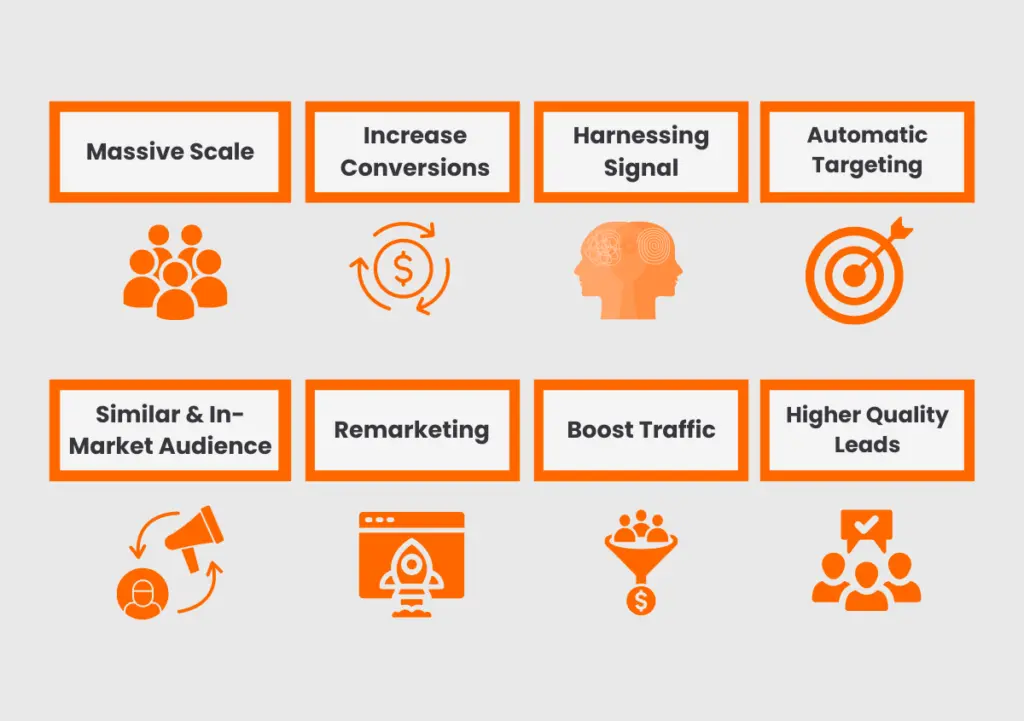
Types of Audience Targeting Available
Google Display Ads provides several audience targeting methods that allow advertisers to connect with potential customers based on different criteria:
- Demographics: Target audiences by age, gender, parental status, and household income. This approach helps advertisers focus on specific groups that align with their product offerings.
- Interests: Use affinity and in-market audiences to engage with individuals who have shown interest in your brand. Affinity audiences consist of users with a long-term interest in a category, while in-market audiences are actively researching or planning to purchase.
- Behaviors: Reach users based on their online behaviors, like recent purchases or content consumption patterns. Behavioral targeting creates tailored ad experiences that resonate with individual user journeys.
Creating Custom Audiences for Better Results
Custom audiences allow advertisers to develop tailored segments using first-party data. Advertisers can upload customer lists, target website visitors, or define audiences based on app usage. This customization fosters a stronger connection with users by delivering ads relevant to their unique situations and preferences. According to Google, campaigns that utilize custom audiences may see a return on ad spend (ROAS) increase of up to 40%.
The Role of Remarketing in Audience Targeting
Remarketing enables advertisers to re-engage users who have previously interacted with their brand. By showing targeted ads to users who have visited their websites or used their apps, advertisers can reinforce brand messaging and drive conversions. Remarketing lists can be segmented based on user actions — like product views or cart abandonment — which makes it easier to tailor ads to specific user intentions.
Using Data Analytics to Refine Audience Targeting
Data analytics is crucial for optimizing audience targeting strategies. Advertisers can leverage tools like Google Analytics to gather insights about user demographics, interests, and behaviors. By analyzing this data, advertisers can discover high-performing audience segments and adjust their targeting as needed. Continuous monitoring and adjustment can lead to higher engagement rates and improved campaign performance.
In 2024, advertisers employing advanced audience targeting strategies reported a 25% increase in click-through rates (CTR) compared to those relying solely on basic targeting methods.
Nuance / Expert Layer
A common misconception is that broader audience targeting produces better results. In fact, overly broad targeting can lessen ad effectiveness. Advertisers should focus on a balanced approach by combining both broad and narrow targeting methods. Understanding the interplay between various targeting types can enhance campaign effectiveness. For example, layering demographic targeting with in-market audiences often results in higher engagement rates, as it aligns both intent and demographic characteristics.
Practical Application
To optimize audience targeting with Google Display Ads, advertisers should:
- Use demographic and interest-based targeting to identify relevant audience segments.
- Create custom audiences from existing customer data to personalize ad experiences.
- Implement remarketing strategies to re-engage users who’ve previously interacted with your brand.
- Leverage data analytics to continuously refine targeting strategies based on user behavior and campaign performance.
By applying these strategies, advertisers can effectively harness the full potential of Google Display Ads. This often leads to improved marketing results and a better return on investment.
Measuring Success: Key Metrics for Google Display Ads
This section explores the key metrics that help advertisers assess the effectiveness of their Google Display Ads campaigns. Accurate measurement is essential — it’s the foundation for optimizing performance and maximizing return on investment.
Understanding Impressions, Clicks, and Conversions
Three core metrics drive the success of Google Display Ads: impressions, clicks, and conversions. Impressions tell how often an ad is displayed — offering insight into both reach and visibility. Clicks indicate user engagement; they reflect the number of times viewers interacted with the ad. Conversions, however, represent the ultimate goal. These are actions users take, like completing a purchase or signing up for a newsletter.
Setting Up Conversion Tracking Effectively
Setting up strong conversion tracking is crucial for measuring success. Advertisers should follow these steps:
- Access Google Ads and navigate to the ‘Tools & Settings’ menu.
- Select ‘Conversions’ under the ‘Measurement’ section.
- Click the ‘+’ button to create a new conversion action, specifying the type (e.g., purchase, lead).
- Implement the provided tracking code on the relevant pages of the website.
- Verify that the conversion tracking is functioning correctly.
By accurately tracking conversions, advertisers can gain valuable insights into campaign effectiveness — and adjust strategies as needed.
Analyzing ROI from Google Display Ads
Return on investment (ROI) is a vital measure for assessing the financial success of advertising efforts. To calculate ROI for Google Display Ads, use the formula:
ROI (%) = (Net Profit / Cost of Ads) x 100
As of 2024, the average ROI for display advertising was about 200%. This means that for every dollar spent, advertisers earned two dollars in return. Tracking ROI allows advertisers to see whether their campaigns are financially viable — and effective.
Using Google Analytics to Track Performance
Integrating Google Analytics with Google Ads boosts performance tracking. Key features to use include:
- Traffic Sources: Identify where visitors come from and evaluate the impact of display ads.
- Behavior Flow: Analyze user pathways on the website to understand how display ad clicks lead to actions.
- Conversion Goals: Monitor goal completions and link them with specific campaigns for deeper insights (this is often overlooked).
Reports from 2025 indicate that businesses leveraging Google Analytics alongside Google Ads saw up to a 30% increase in conversion rates. This highlights the synergy between these tools.
Common misconceptions about display ads often include the assumption that impressions alone signal success. In reality, high impressions with few clicks or conversions suggest ineffective targeting or messaging. Advertisers must pay attention to the entire funnel — from visibility to engagement, and ultimately, conversion.
To enhance the effectiveness of Google Display Ads, advertisers should routinely review these key metrics and adapt their strategies accordingly. Implement conversion tracking, analyze ROI diligently, and leverage Google Analytics insights effectively. Establish clear goals for each campaign; segment your audience and tailor ads to specific demographics for better engagement and performance.
Creative Strategies for Compelling Display Ads
This section explores sophisticated strategies for crafting display ads that capture attention and drive tangible marketing results. Effective design and placement can greatly boost advertising campaign performance.

Elements of a Successful Display Ad
A compelling display ad comprises three critical components: visuals, copy, and a strong call to action (CTA).
- Visuals: High-quality images and graphics are essential. They should resonate with the target audience and clearly convey the brand’s message. Research indicates that ads featuring vibrant, eye-catching visuals can boost engagement by up to 80%.
- Copy: The ad copy needs to be concise yet persuasive. It should communicate value and evoke emotion, prompting the viewer to take action. Incorporating keywords that reflect the audience’s interests can really enhance relevance (this is often overlooked).
- Call to Action (CTA): A clear and compelling CTA is crucial. Phrases like “Shop Now,” “Learn More,” or “Get Started” should create urgency and guide the viewer towards the desired action.
A/B Testing for Ad Creatives
A/B testing is a foundational practice for optimizing display ads. This process involves creating two variations of an ad to pinpoint which version performs better.
- Identify Variables: Choose specific elements to test, such as headlines, images, or CTAs.
- Run Tests: Simultaneously display both versions to a similar audience segment to gather performance data.
- Analyze Results: Evaluate metrics such as click-through rates (CTR) and conversion rates to identify the winning ad.
A/B testing can often lead to a performance improvement of 20% to 30% when done right.
Ad Placement Strategies for Maximum Visibility
Strategic ad placements can notably enhance visibility and engagement. Consider these placement strategies:
- Contextual Targeting: Place ads on websites that align with the target audience’s interests, confirming the content matches the ad message.
- Retargeting: Use retargeting to reach users who’ve previously interacted with the brand, which can increase conversion chances.
- Geotargeting: Tailor ads based on geographic location to connect with potential customers in specific areas, improving relevance.
Research shows ads placed through retargeting can lead to a 70% increase in conversion rates compared to standard display ads.
Case Studies of Successful Display Ad Campaigns
Several brands have effectively leveraged Google Display Ads to improve their marketing results.
- Brand A: Implemented a targeted display ad campaign that resulted in a 150% increase in site traffic over three months.
- Brand B: Utilized A/B testing for ad creatives, leading to a 40% improvement in CTR and a notable boost in sales.
- Brand C: Focused on geotargeting, achieving a 60% increase in foot traffic to physical locations.
These case studies demonstrate the potential of well-crafted display ads in driving effective marketing outcomes.
Common Misconceptions and Nuances
A widespread misconception is that high-quality visuals alone guarantee ad success. While visuals are vital, they must work in tandem with copy and CTAs. Also, understanding the target audience’s behavior and preferences is crucial for creating ads that truly resonate. Many advertisers overlook the importance of ongoing testing and optimization, which can lead to stagnation in performance.
Practical Application
To maximize display ads’ effectiveness, advertisers should:
– Invest in high-quality visuals that align with brand messaging.
– Conduct A/B tests regularly to refine ad creatives.
– Use strategic placement tactics, such as retargeting and geotargeting.
– Analyze performance data to inform adjustments and improvements.
Implementing these strategies can significantly enhance how Google Display Ads grow marketing results for advertisers.
Common Pitfalls and How to Avoid Them in Google Display Ads
This section highlights frequent mistakes advertisers face with Google Display Ads and provides actionable strategies to tackle these challenges. Addressing these pitfalls can optimize campaigns for better performance and improved marketing results.
Ignoring Audience Segmentation
One common error in Google Display Ads is neglecting effective audience segmentation. Many advertisers use a one-size-fits-all approach, which often dilutes a campaign’s effectiveness. Research shows that segmented campaigns can yield conversion rates up to 3 times higher than non-segmented ones. By categorizing audiences based on demographics, interests, and online behaviors, advertisers can tailor their messaging and boost engagement.
Underestimating the Importance of Ad Design
Ad design plays a vital role in capturing attention and driving conversions. Poorly designed ads can lead to high bounce rates and low engagement. Key elements of effective ad design include clear messaging, high-quality visuals, and strong calls to action. A/B testing different design elements can reveal what resonates with the target audience. According to a 2024 study, ads with compelling visuals can improve click-through rates by 47%.
Failing to Monitor and Adjust Campaigns
Many advertisers set their Google Display Ads and forget about them. They often neglect to monitor performance metrics regularly. Continuous analysis of key performance indicators (KPIs)—like click-through rates, conversion rates, and cost-per-click—is essential for optimizing campaigns. Implementing a routine check-up—ideally, weekly—allows for timely adjustments to targeting, bidding strategies, and ad creatives. Advertisers who actively manage their campaigns typically report an average increase of 30% in ROI.
Not Leveraging Remarketing Opportunities
Remarketing is a strategy that remains underutilized but can significantly enhance campaign performance. By targeting users who’ve previously interacted with their ads or visited their websites, advertisers can remind potential customers of their offerings. This tactic can lead to higher conversion rates since these users are already familiar with the brand. In 2025, remarketing campaigns experienced an average conversion uplift of 60% compared to standard display advertising efforts.
Nuanced Considerations
While these pitfalls are common, it’s important to recognize that not all audience segments respond uniformly to advertising tactics. For instance, a younger demographic might favor vibrant, animated ads, while older audiences respond better to simpler, static designs. Additionally, misconceptions about ad frequency can lead to viewer fatigue. Advertisers must balance exposure—this is crucial—to avoid overwhelming potential customers while ensuring brand recall.
Practical Application
- Conduct thorough audience research to create segmented campaigns that resonate with different groups.
- Invest in professional ad design or use design tools that adhere to best practices.
- Implement a regular review process for campaign performance, making adjustments based on data.
- Use remarketing strategies to re-engage users who have shown interest in the past.
By focusing on these strategies, advertisers can effectively enhance their Google Display Ads campaigns, leading to improved marketing results and better overall performance.
Frequently Asked Questions
What are Google Display Ads?
Google Display Ads are visual advertisements that appear on websites within the Google Display Network. They can include images, videos, and rich media to engage potential customers.
How do Google Display Ads work?
Google Display Ads work by targeting specific audiences based on demographics, interests, and online behavior. Advertisers create ads and set a budget, while Google places them on relevant websites to maximize visibility.
What are the benefits of using Google Display Ads?
The benefits of using Google Display Ads include increased brand awareness, precise audience targeting, and the ability to retarget users who have previously interacted with your brand. This approach can lead to higher engagement and conversion rates.
How much do Google Display Ads cost?
The cost of Google Display Ads varies based on bidding strategies, competition, and targeting options. Advertisers can set daily budgets and pay per click (CPC) or per thousand impressions (CPM).
What are best practices for Google Display Ads?
Best practices for Google Display Ads include using eye-catching visuals, writing clear and compelling ad copy, and targeting specific audiences effectively. Regularly testing and optimizing ads can also improve performance.
How long does it take to see results from Google Display Ads?
Results from Google Display Ads can vary, but advertisers often start seeing engagement within a few days. However, significant improvements in conversions may take several weeks as campaigns are optimized.
Final Thoughts on how does google display ads grow marketing results for advertisers
Google Display Ads represent a powerful tool for advertisers, leveraging advanced targeting capabilities and measurable success metrics to drive substantial marketing results. By effectively engaging audiences across a vast network, these ads not only enhance brand visibility but also facilitate meaningful interactions that convert into sales.
To capitalize on these advantages, advertisers should implement A/B testing on their display ad creatives and targeting strategies, continually refining their approach based on performance data to maximize ROI.
Ready to boost your marketing results? Consult a google ads expert today and see how targeted advertising can transform your campaigns!
In a rapidly evolving digital landscape, harnessing the full potential of Google Display Ads is essential for brands looking to maintain a competitive edge and achieve sustained growth.